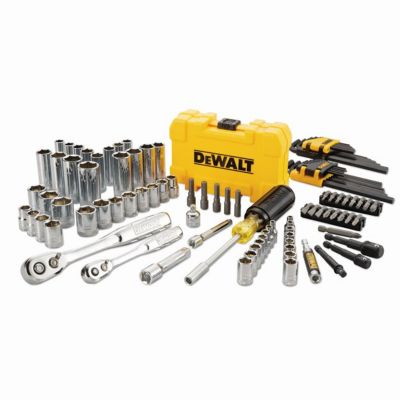
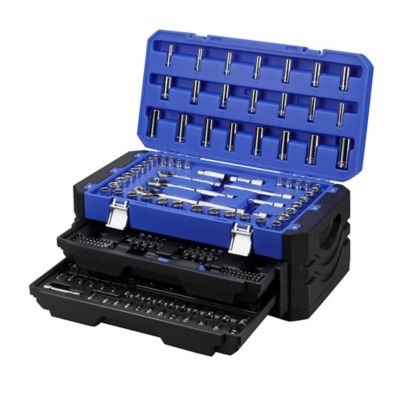
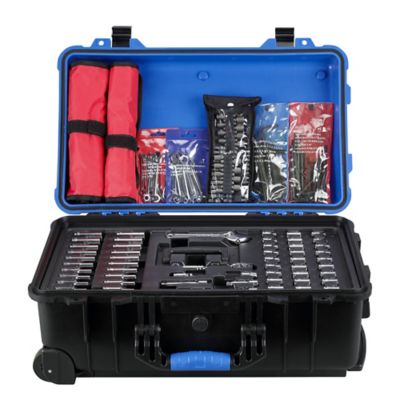
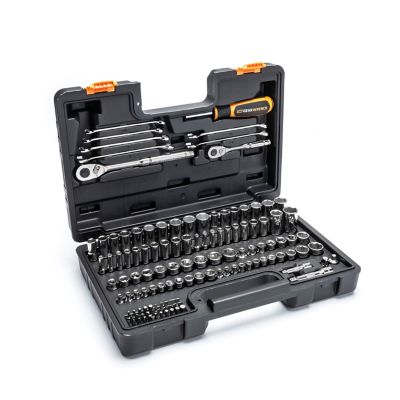
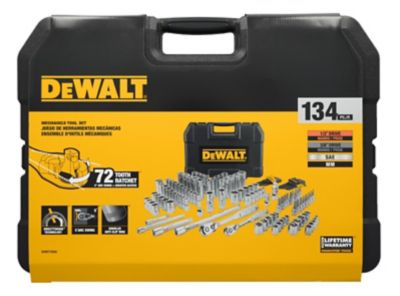
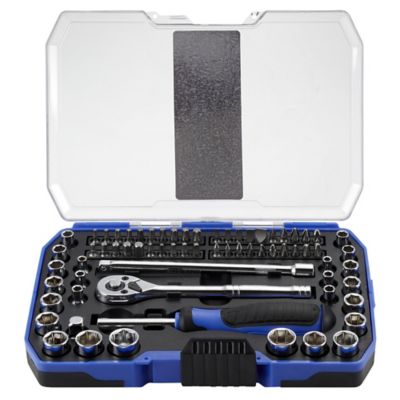
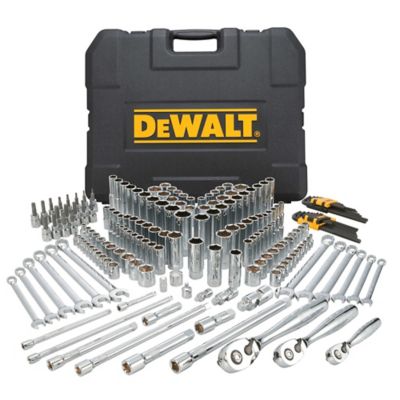
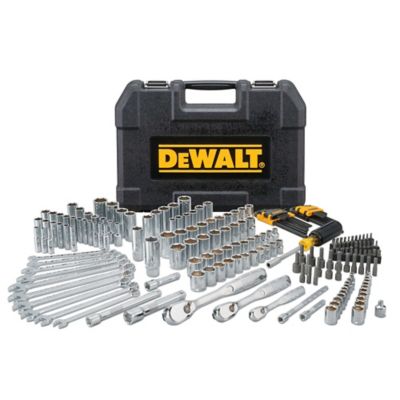
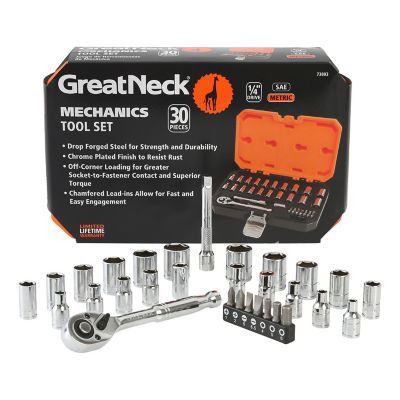
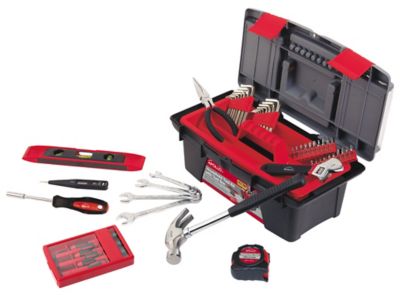
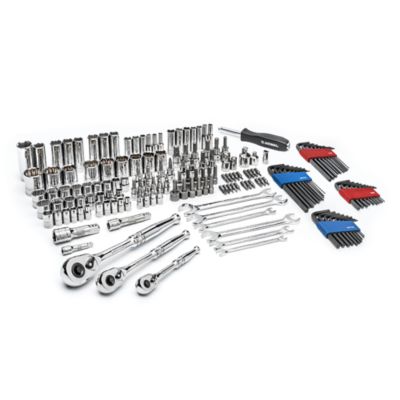
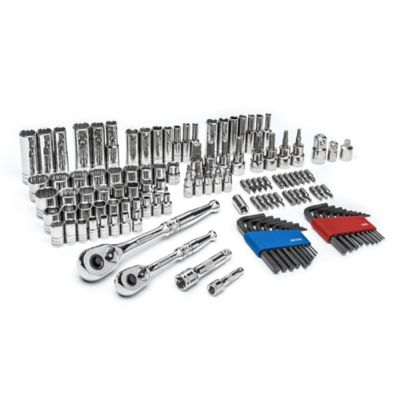
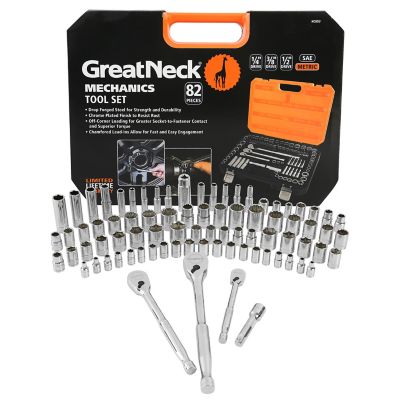
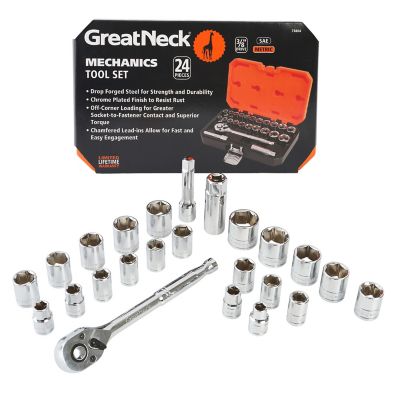
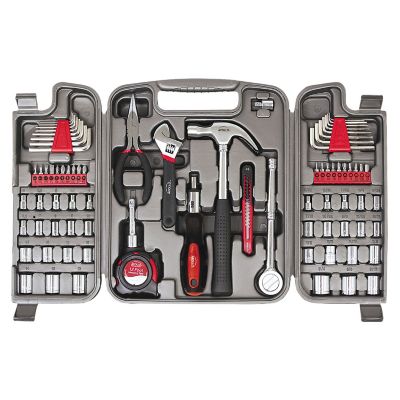
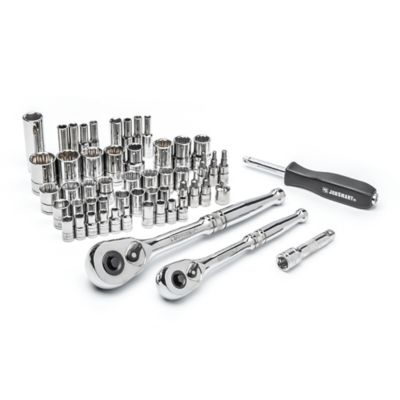
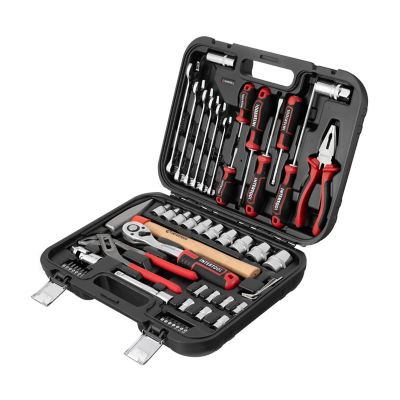
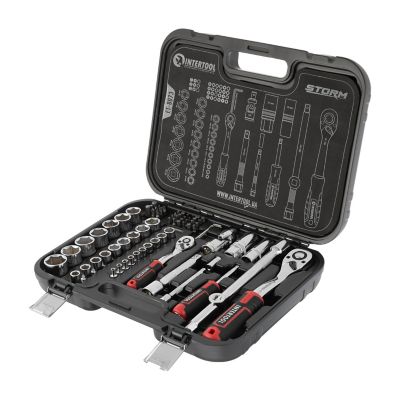
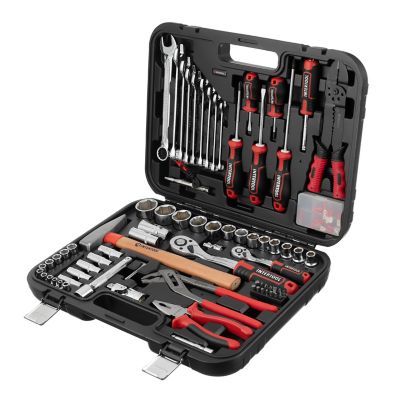
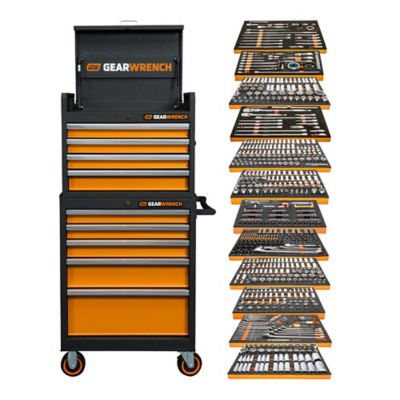
Mechanic tool kits bring sockets, ratchets, wrenches, and other hand tools together for repairs and maintenance around the garage, barn, or farm shop. A well-matched set puts common fastener sizes within reach, whether the job involves changing a mower battery, removing an engine cover, or tightening a loose bracket on a utility trailer. The most useful assortment depends on the equipment being serviced, not just the number of pieces in the case. A higher piece count may include screwdriver bits, small accessories, or several versions of the same socket size, while a smaller assortment may cover the fasteners on a particular machine more directly. Sets with both metric and SAE measurements suit shops that handle a mix of vehicles and equipment. Metric sizes are measured in millimeters, while SAE sizes are marked in fractions of an inch; a close-looking substitute can slip and damage a bolt head. Common square-drive sizes include 1/4 inch for smaller fasteners and lighter tasks, 3/8 inch for a broad range of automotive and equipment work, and 1/2 inch for larger fasteners within the tool’s rated capacity. These drive measurements describe the connection between the ratchet and socket, not the size of the nut or bolt. Having more than one drive size helps balance access, leverage, and control across different jobs. Shallow sockets fit places where clearance above a fastener is limited, while deep sockets reach nuts farther down a threaded stud. Combination wrenches offer another approach when a socket and ratchet cannot fit beside a housing or frame rail. For a homeowner maintaining a pickup and lawn equipment, a farmhand handling everyday adjustments, or someone learning the trade, mechanic tool sets can provide a practical foundation without requiring every tool in the shop to travel along. Clear size markings and a sensible arrangement matter just as much once a repair is underway and hands are greasy.
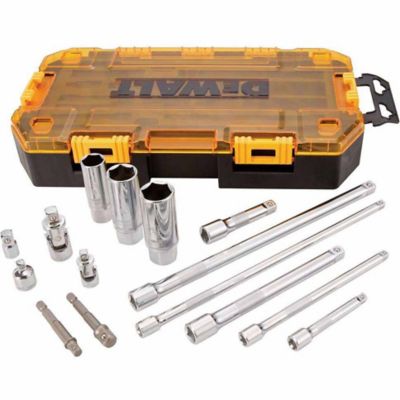
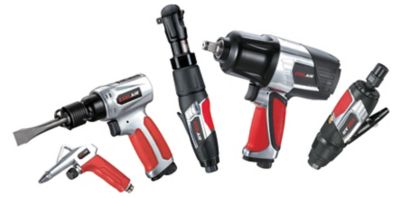
The way a mechanic tool kit handles tight spaces often comes down to details that are easy to overlook in a piece count. Ratchet tooth count affects the handle movement needed to engage the next tooth: a 72-tooth mechanism has a nominal five-degree swing arc, which can help between an engine component and an inner fender. Tooth count alone does not determine strength, though, and head thickness, handle length, and the direction-switch layout also influence how a ratchet feels in the hand. A compact head can reach into a crowded assembly, while a longer handle offers more leverage but needs room to move. Flex-head designs can change the approach angle, and quick-release mechanisms help with socket changes. Six-point sockets engage hex fasteners with broad contact surfaces and are often preferred where greater turning force is involved. Twelve-point sockets allow more positioning options and fit corresponding 12-point fasteners, making them useful for different applications. Extensions move the ratchet away from an obstruction, while universal joints help reach fasteners that are not in a straight line with the handle. Neither attachment changes the need for a fully seated socket and controlled force. Many hand-tool sets feature chrome-vanadium steel, often with a polished chrome finish that helps resist corrosion and wipes clean after a greasy job. Alloy choice, heat treatment, and tool design all contribute to service life; appearance alone tells only part of the story. Impact work calls for sockets and accessories expressly rated for impact tools, rather than ordinary chrome hand sockets. A breaker bar is intended for loosening stubborn fasteners within its rating, while a torque wrench serves a different purpose: tightening to the equipment manufacturer’s specified torque. These tools are not part of every assortment. The
Tool For Mechanic page offers a related place to explore tools for repair and maintenance work beyond a boxed set. Matching the tool to the task helps protect both the fastener and the equipment it holds together.
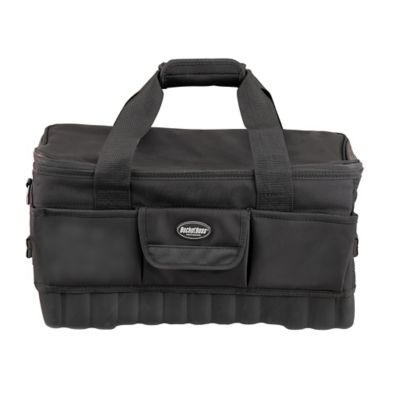
Storage and everyday handling make a real difference when mechanic tool kits move between a workbench and equipment parked across the property. A molded carrying case with fitted spaces makes a missing socket easier to spot before the case closes, and secure latches help keep the contents together during transport. Removable trays can suit a tool chest, while a compact case may be easier to carry to a mower shed or tuck into a designated vehicle storage space. Overall weight matters, especially when a set must travel by hand rather than stay beside the bench. Cases that hold sockets firmly can spare the frustration of sorting a mixed pile after a trip down a gravel lane. For shop storage, readable markings and consistent placement help keep frequently reached-for sizes easy to find. Grip shape also deserves attention: a handle that feels comfortable during a quick adjustment may feel different through repeated turns, and oily hands make smooth surfaces harder to hold. Care is straightforward but worth making part of the routine. Wiping away grease, dirt, and moisture before putting tools away helps preserve finishes and keeps grit out of ratchet mechanisms. Tools should be dry before the case is shut, with lubrication and internal service handled according to the manufacturer’s directions. Cracked sockets, bent handles, loose components, or a ratchet that skips under load are reasons to take a tool out of service. Safe work also depends on the setup around the kit, including eye protection and proper support for any raised vehicle or equipment. No socket assortment replaces correctly rated stands or the machine’s service instructions. As a gift, a mechanic tool kit makes sense for a new driver learning basic upkeep, a trade-school student building a first collection, or a family member setting up a home shop. The best fit reflects the recipient’s equipment, existing tools, and preferred storage, with room to add task-specific tools as their work grows. A thoughtfully matched set earns its place through ordinary jobs: a battery clamp snugged down, a cover put back on, and equipment ready for the next chore.