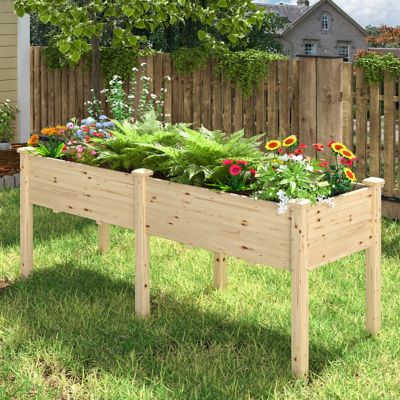
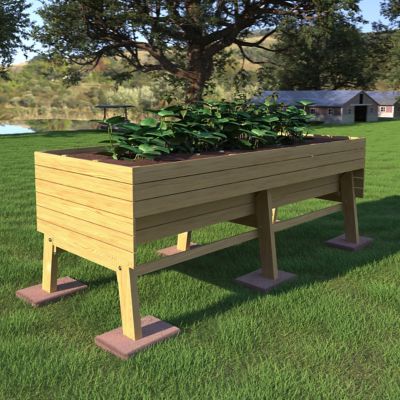
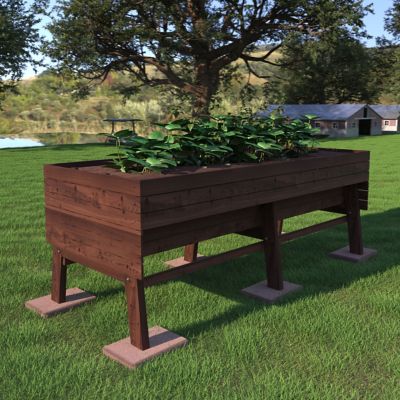
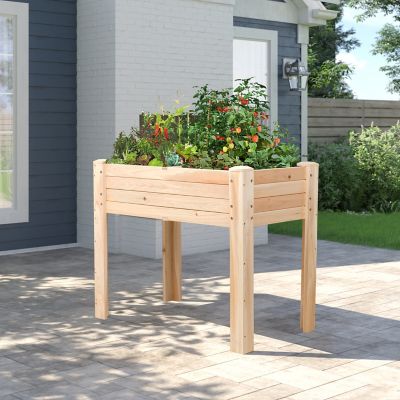
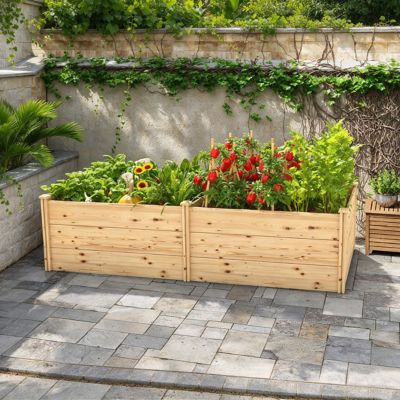
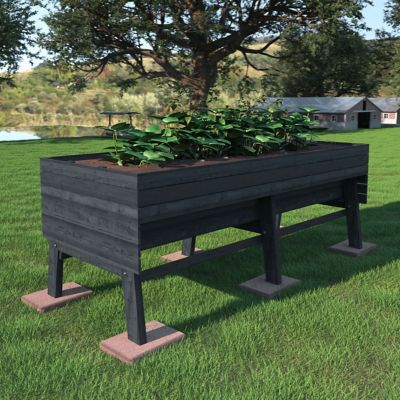
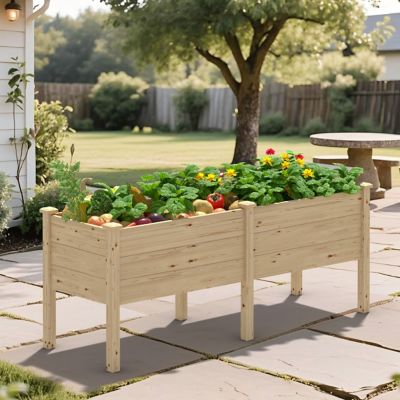
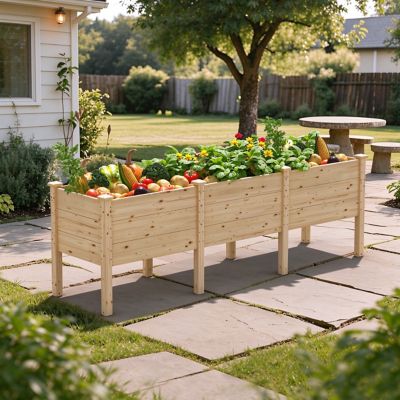
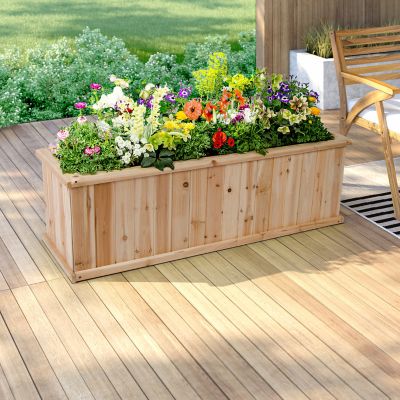
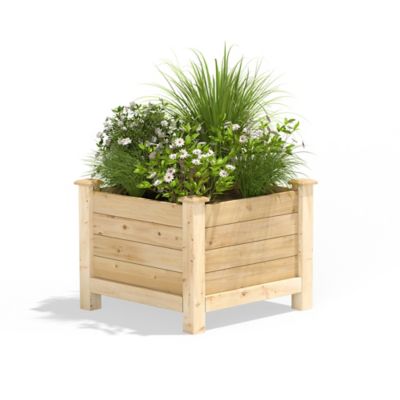
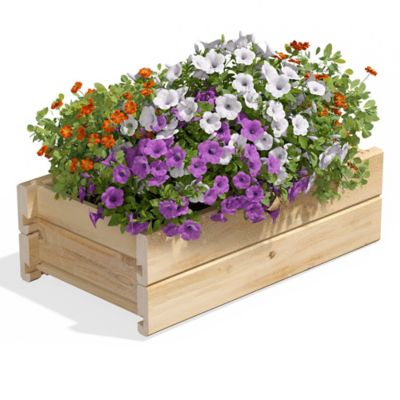
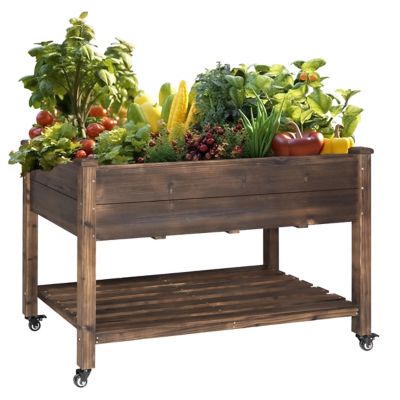
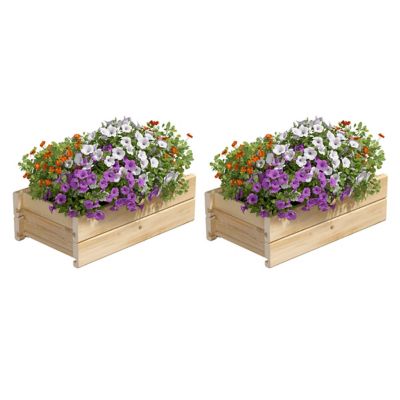
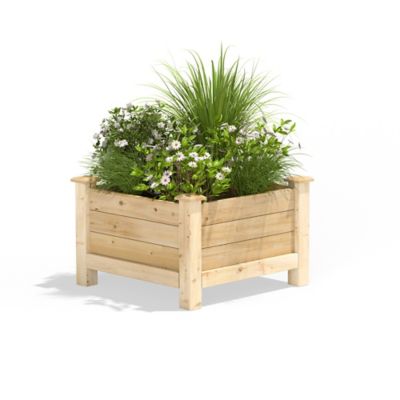
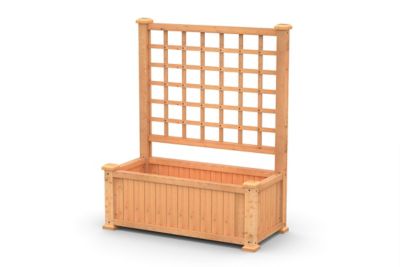
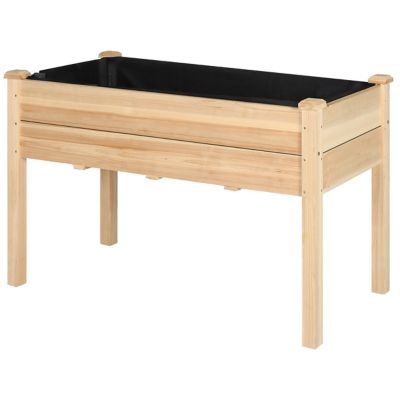
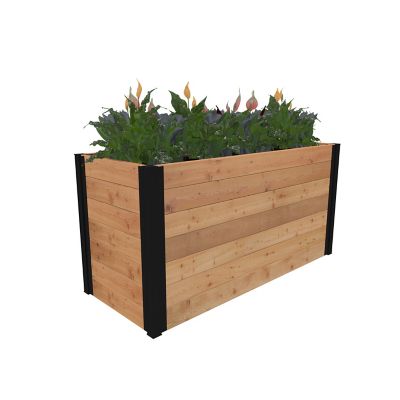
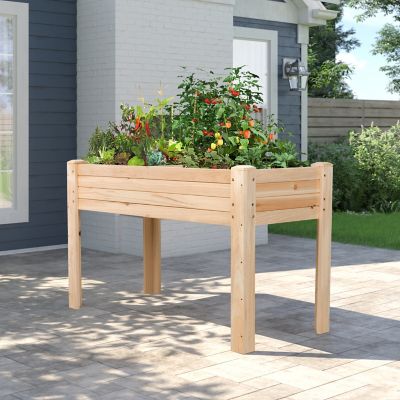
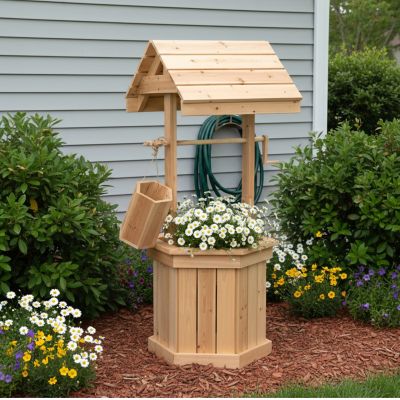
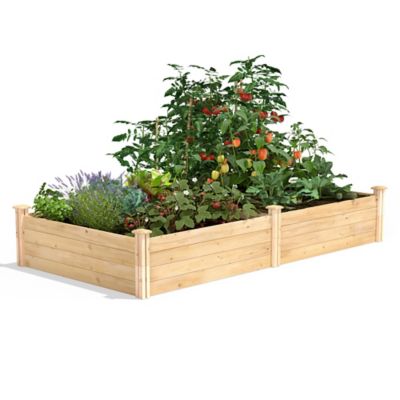
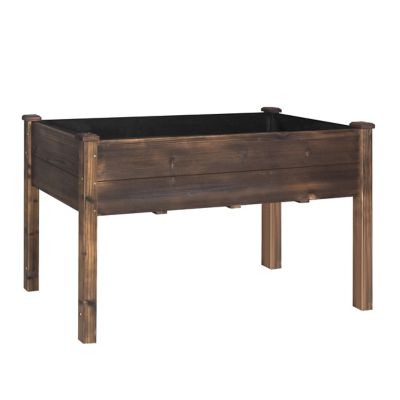
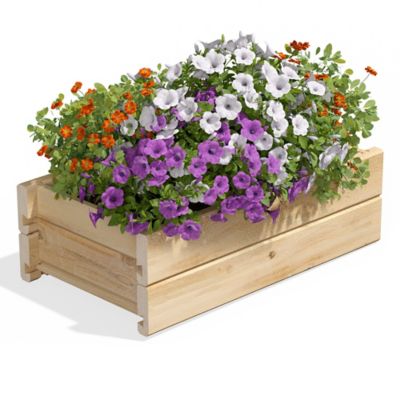
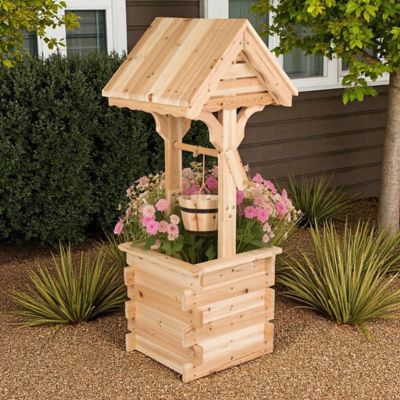
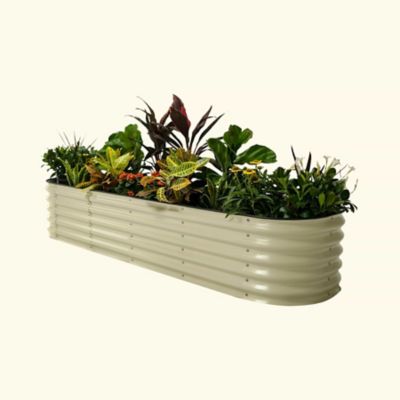
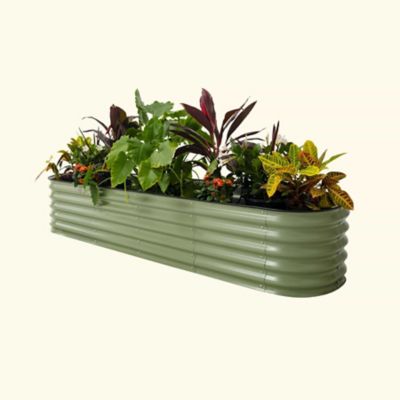
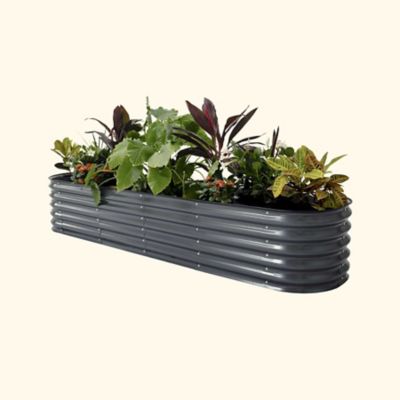
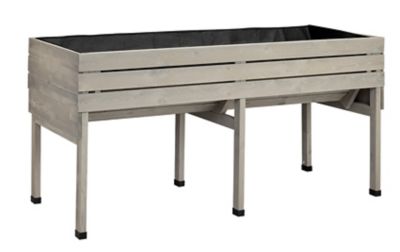
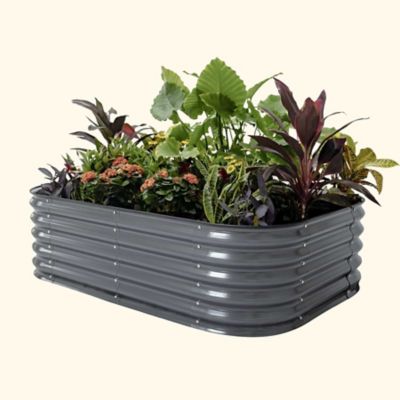
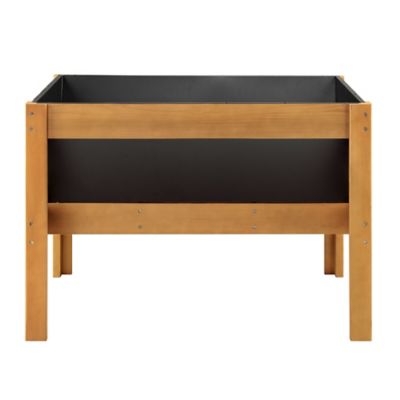
Large cedar planter boxes are roomy wooden containers for growing vegetables, herbs, flowers, and other plants where a defined planting space makes sense. They bring a garden within reach of the back door, give a porch a planted border, and make room for growing on a patio without digging an in-ground bed. Cedar contains naturally occurring compounds that help resist decay, making it a practical material for containers that sit close to damp soil. That resistance is not the same as being rotproof, though; the type of cedar, the amount of heartwood, the construction, and the way moisture drains all affect how long a box holds up. The wood also has a warm color and a grain that looks at home beside a farmhouse, a gravel walk, or a plain wooden fence. Knots and color differences give cedar boards character, while smooth edges make everyday planting and tending more comfortable. Large cedar planters come in several general forms, and the differences matter. A box with a solid bottom contains the growing mix above the ground, an elevated planter lifts that planting space on legs, and an open-bottom raised bed lets roots grow into the soil beneath it. Those designs serve different spaces and should not be treated as interchangeable. A balcony needs a contained planter and careful attention to weight limits, while a garden plot may suit an open-bottom bed. For anyone growing near the house, a cedar box can keep parsley handy for supper, give flowers their own space beside a bench, or separate a small vegetable patch from the rest of the yard. Its appeal comes from that combination of useful planting room and straightforward wooden construction, with the right size and design doing more for everyday convenience than appearance alone. A long box can hold a row of leafy greens, while a deeper container gives larger plants more room below the soil line.
Fit starts with the space the planter takes up, but outside measurements tell only part of the story. Interior length, width, and soil depth determine how much growing room is actually there, especially in elevated boxes with shallow planting trays. A tall overall height does not always mean a deep root zone. Lettuce and many kitchen herbs can manage in less depth than a large tomato plant, while shrubs need space suited to their root systems and expected growth. Plant spacing matters, too: a roomy cedar box can still become crowded when several small transplants fill out. Rectangular shapes work well along porch rails, beside a walkway, or against a garden fence, provided there is enough clearance to reach the plants and maintain the surrounding area. For another look at long planting footprints,
Big Rectangular Planters brings together options in that shape. Width deserves particular attention when a box sits against a wall, since the far edge must be reachable from one side. Along a path, leave room for a wheelbarrow, a hose, and a person carrying a full watering can. Large containers also get heavy once filled, and wet growing mix adds substantially to the load. The planter’s base, legs, fasteners, and supporting surface all need to suit that filled weight; decks and balconies may require a load assessment before placement. A level footing helps keep the frame from twisting and prevents an elevated box from rocking during planting. For someone who finds ground-level work uncomfortable, a standing-height model may make tending easier, but the height should match the person and the task. Reaching into the middle, trimming a sprawling plant, and lifting a bag of potting mix are all part of the fit, not just standing beside the empty box. Any shelf beneath an elevated planter also needs enough clearance for practical storage without putting stored tools in the path of drainage water.
Construction and care make a real difference in how a large cedar planter box performs. Substantial corner connections, support beneath a filled bottom, and fasteners suited to cedar and outdoor applications help the box carry its load without the sides spreading or the base sagging. Drainage openings are essential in closed-bottom designs because roots need air as well as moisture. A liner, when part of the design, should protect the wood without blocking those openings or creating pockets of standing water. For vegetables and herbs, any liner or finish should be suitable for the intended gardening application; cedar itself does not establish whether every added material belongs next to edible plants. A container growing mix generally provides a better balance of air and drainage than soil dug straight from the yard, which can pack tightly inside a box. A layer of gravel at the bottom does not replace drainage holes and takes away root space. Regular care can stay fairly simple: keep drainage paths clear, remove plant debris caught against the boards, and check joints and supports as the planter ages. Unfinished cedar may develop a silver-gray patina over time, and that color change alone does not mean the wood has failed. Soft spots, loose connections, or a bowing bottom deserve closer attention. An exterior finish may help maintain the original color, but it brings its own upkeep and should be chosen for the planter’s intended purpose. Access to water is another practical consideration, especially for a large box set far from the spigot. A nearby hose or a suitable drip line can make routine tending less of a chore. For a gardener receiving a cedar planter as a gift, the most helpful match is a box that fits both the available space and the kind of planting they enjoy. Enough root room, comfortable access, and sound support make it a useful part of the yard rather than something that is a struggle to tend.