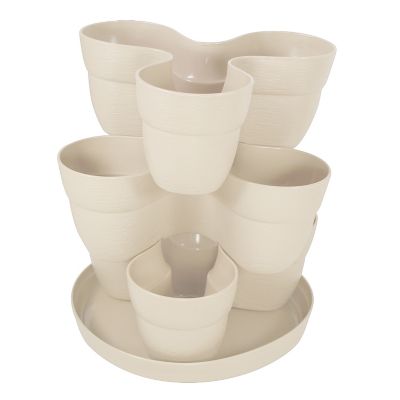
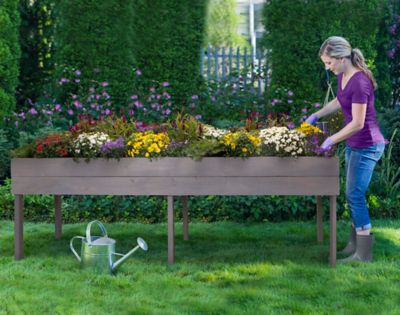
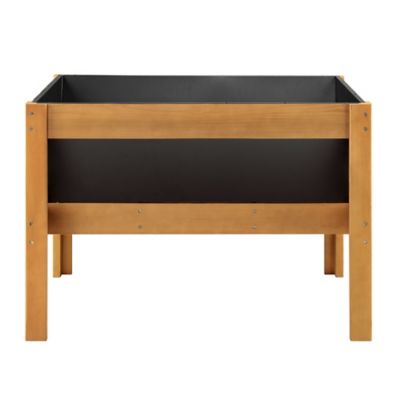
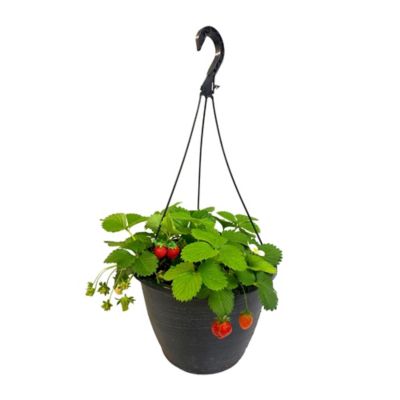
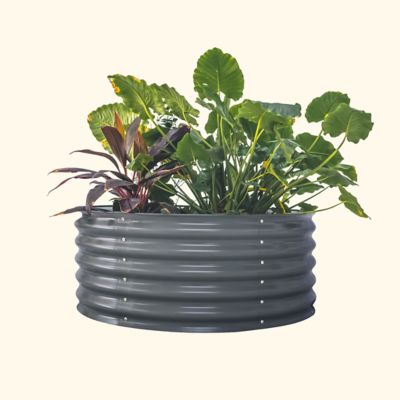
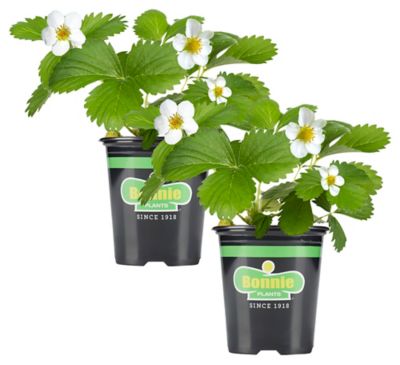
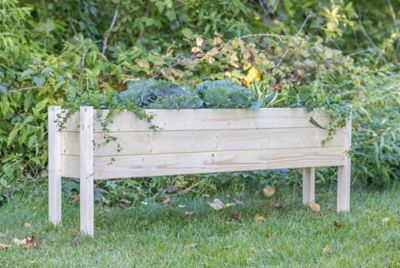
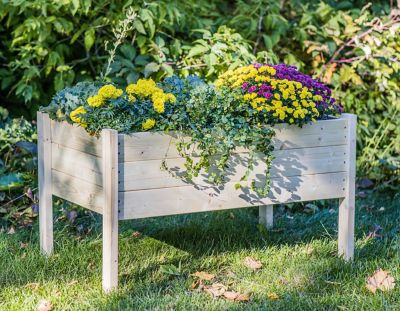
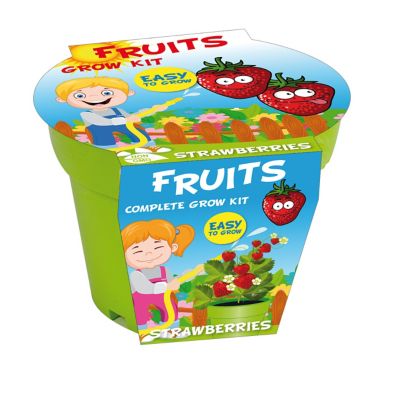
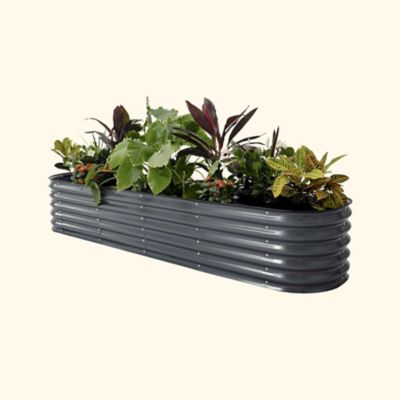
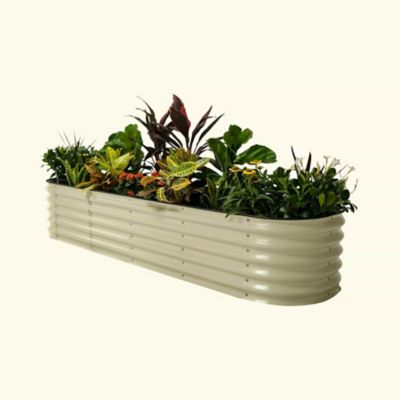
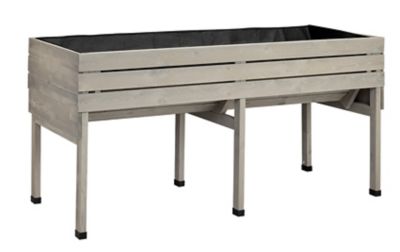
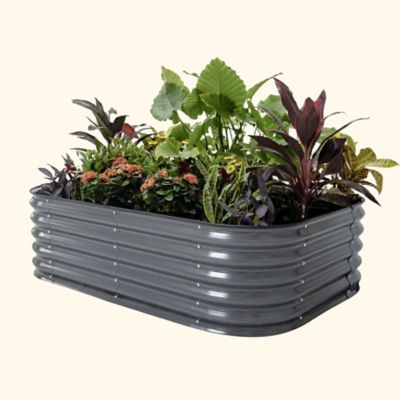
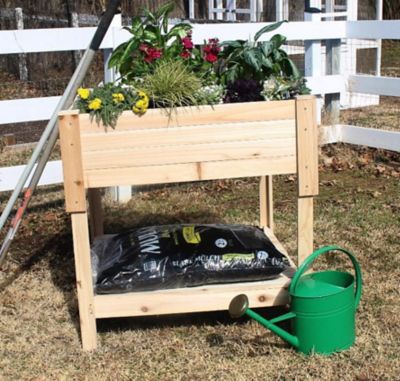
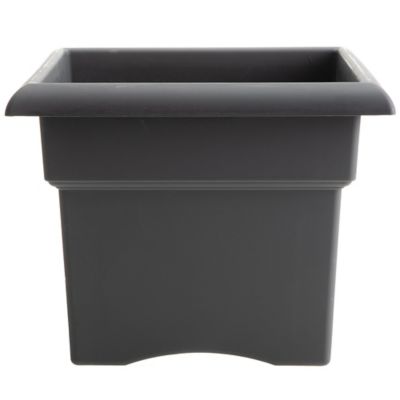
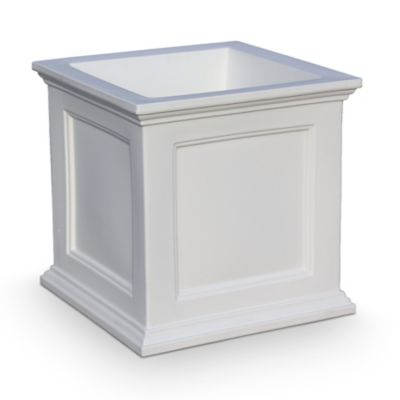
A strawberry planter is a container that gives strawberry plants room to grow while keeping their trailing leaves and ripening berries within easy reach. Unlike a plain garden pot, some strawberry planters have side pockets, stacked growing spaces, or raised planting areas that fit several plants into a smaller footprint. That makes them a practical choice for a sunny porch, a backyard patio, or a spot beside the kitchen garden where there isn’t much ground to spare. They also suit folks with rocky soil, limited garden space, or a preference for keeping their berry patch close to the house. There’s something satisfying about stepping outside and spotting a red berry tucked beneath the leaves without having to walk all the way out to the garden. Containers can help keep fruit off bare soil, though berries may still need a little support where they hang over an edge. When comparing strawberry planters, look beyond the number of planting openings. Overall soil capacity, the size of each pocket, drainage, and access for watering all affect how well the container will work in your space. A tall planter may hold plenty of plants, but each planting position still needs enough root room and daylight. For most strawberry plants, a container with at least 8 inches of usable soil depth is a sensible starting point, with additional soil volume helping buffer changes in moisture and temperature. Compact arrangements call for particular attention to spacing; planting openings should allow leaves to spread without crowding neighboring crowns. In a broad, open container, spacing plants roughly 12 to 18 inches apart generally gives them room to develop. The best fit isn’t necessarily the planter with the most pockets. It’s the one that matches your available sunlight, the number of plants you want to tend, and the amount of lifting and watering that fits your everyday routine.
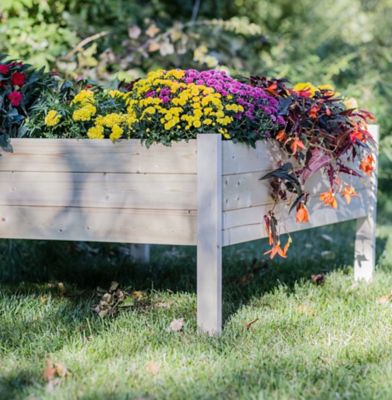
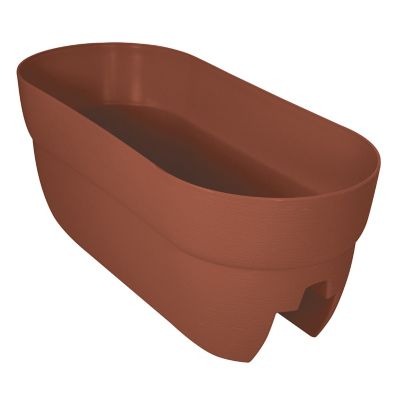
Material and construction make a noticeable difference once a strawberry planter is filled and settled into place. Unglazed clay lets moisture move through its walls, which can help the root zone breathe but also means the soil may dry faster in sun and wind. Plastic and resin containers are often lighter to move when empty and tend to hold moisture longer, while wooden planters offer a roomy planting area and a familiar look alongside raised beds. Material alone doesn’t tell the whole story, though. Check the listed weight, wall thickness, drainage design, and outdoor exposure recommendations before choosing a spot. A container filled with damp potting mix weighs much more than an empty one, an important consideration for decks, elevated stands, and hanging setups. Tall designs need a level, steady base, especially around children, pets, or a windy corner of the porch. Drainage holes are essential because strawberry roots need moisture without sitting in waterlogged soil. A well-draining potting mix containing organic matter is generally a better match for containers than heavy soil dug from the yard. Strawberries prefer slightly acidic growing conditions, commonly around pH 5.5 to 6.8, and their crowns belong at soil level rather than buried beneath the mix. Those needs make accessible planting pockets and enough space around each opening worth considering before purchase. Watering access matters just as much: in stacked or pocketed containers, the top can look damp while another section remains dry. A design that lets you check moisture at several levels makes everyday care less of a guessing game. Self-watering features may reduce watering frequency, but they still need overflow drainage and occasional moisture checks. If you’re arranging a larger container garden,
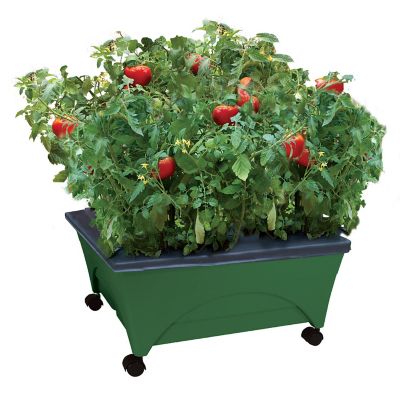
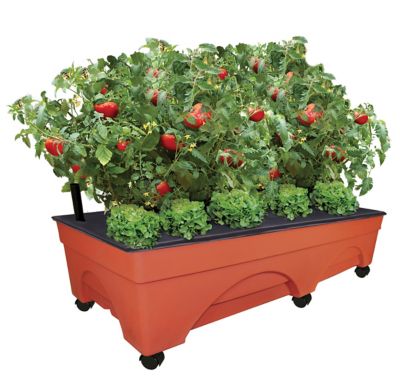
Tomato Planter Boxes can round out a sunny growing area, with each crop given the soil volume and spacing it needs. Leaving room between containers also makes it easier to reach the fruit, clear fallen leaves, and carry a watering can through without brushing every plant.
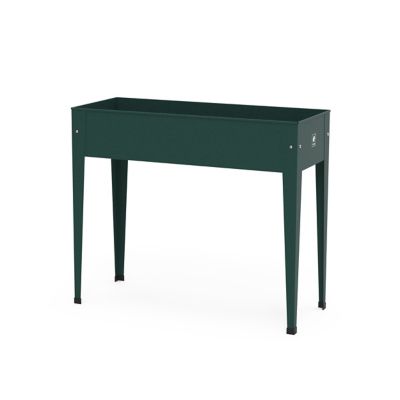
The right strawberry planter also depends on what you hope to get from the patch. June-bearing strawberries generally deliver one concentrated crop, which suits gardeners who enjoy gathering enough berries for a kitchen project. Everbearing varieties typically offer more than one flush of fruit, while day-neutral strawberries can keep producing across an extended growing season when temperatures are favorable. A planter doesn’t change those habits, so matching the plant type to your expectations is just as important as choosing the container. Most strawberries need at least six to eight hours of direct sunlight daily for strong growth and good fruit production. On a porch with a deep roof or near a shed, the sunny edge may offer a better position than the sheltered back corner. Containers also dry out faster than garden beds, particularly when wind reaches them from several sides. Consistently moist, well-drained soil matters more than following a fixed watering schedule; rainfall alone may not reach plants beneath an overhang. Raised strawberry planters can make tending and picking more comfortable for people who prefer less bending, provided the planting surface is at a suitable height and within easy reach. For families, a container near the back door gives children a close-up view of flowers becoming fruit, with an adult nearby to help with watering and picking. A planter can also make a thoughtful gift for a gardener moving to a smaller property or someone starting a first patio garden. Consider their space and ability to move a filled container rather than choosing by appearance alone. During the cooler months, winter protection becomes another purchase consideration. Strawberries are perennial plants, but roots in containers are more exposed to freezing temperatures than roots in the ground. Local winter conditions, plant hardiness, and the planter’s resistance to freeze-thaw damage all matter. A manageable container can make a sheltered overwintering location easier to arrange, while a larger stationary planter may need insulation suited to the climate. With the right balance of root space, drainage, access, and placement, a strawberry planter can become a familiar part of the home garden through more than one growing season.