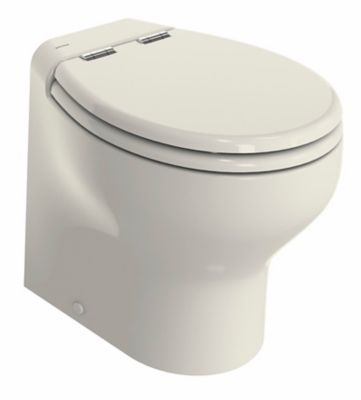
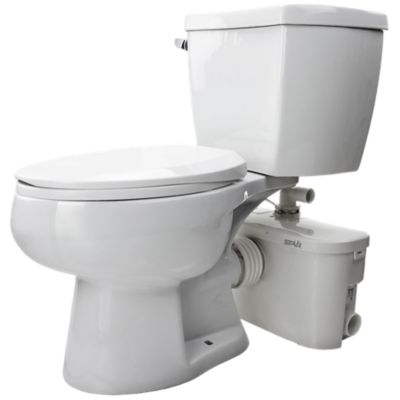
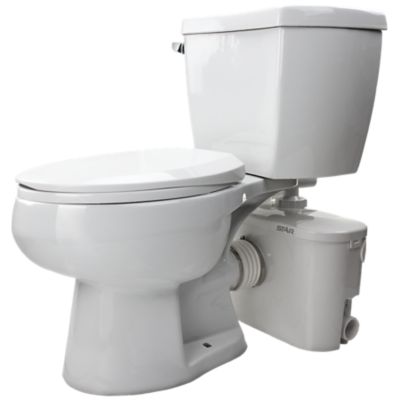
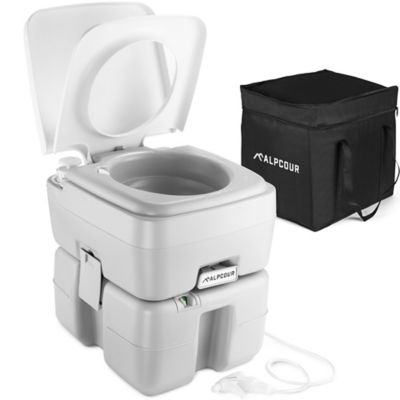
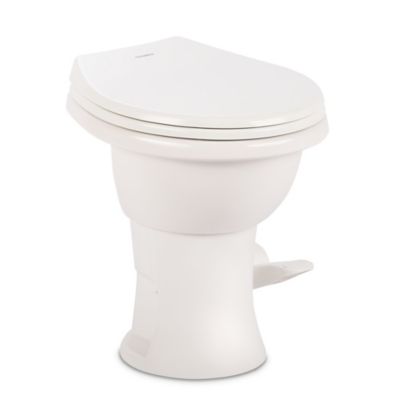
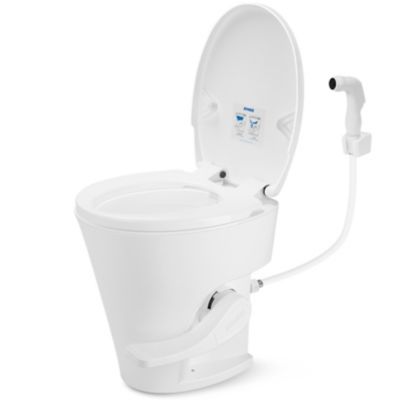
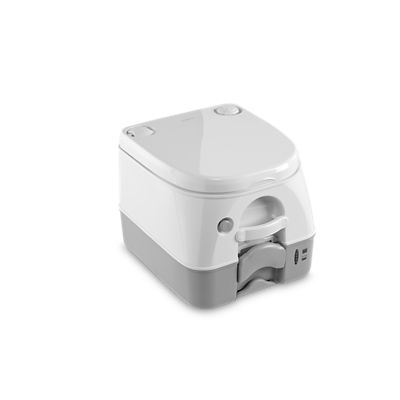
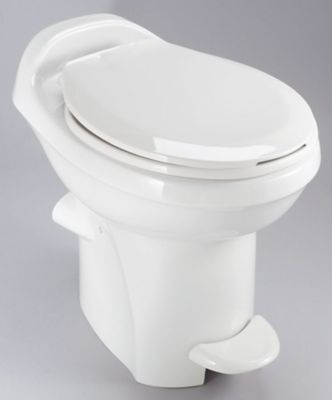
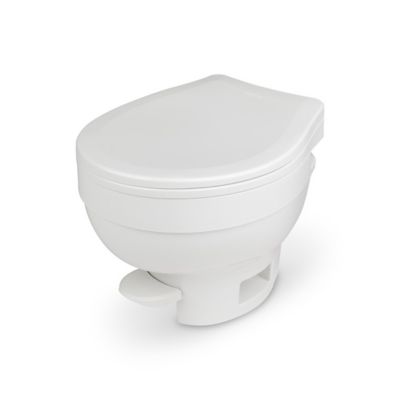
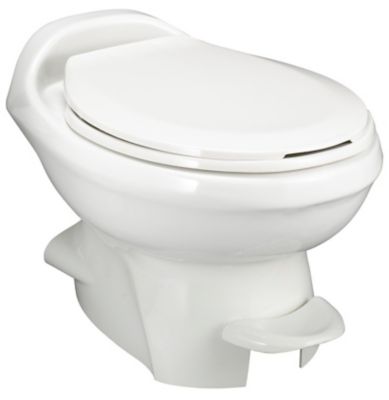
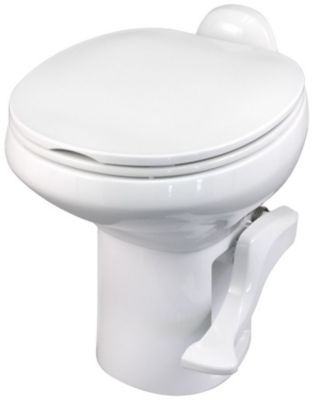
Toilet flush systems move water through the bowl to carry waste into the drain, using gravity, compressed air, or an electric pump, depending on the toilet’s design. In a gravity-fed toilet, water stored in the tank flows into the bowl when the flush valve opens. That rush of water clears the bowl through its built-in trapway, while the fill valve brings the tank back to its set water level. Pressure-assisted toilets work differently: an enclosed vessel inside the tank holds water under air pressure and releases it quickly during a flush. These systems can deliver a forceful flush, though their sound and replacement requirements differ from those of a standard gravity tank. Electric macerating and upflush systems serve another purpose, helping move waste from bathrooms where a conventional gravity drain connection is not practical. Their pumps, discharge piping, electrical connections, and installation requirements belong to a separate system rather than a simple tank repair. For most household shopping, the distinction is between replacing compatible parts inside an existing toilet and choosing equipment for a different plumbing arrangement. A farmhouse bathroom, a rental property, and a restroom beside a workshop may all call for dependable everyday operation, but they will not necessarily take the same flushing components. Single-flush and dual-flush designs add another distinction. A single-flush toilet delivers one rated flush volume, while a dual-flush toilet offers separate settings for liquid and solid waste. Flush volume is measured in gallons per flush, often shortened to GPF, and the toilet’s rating matters more than a replacement part’s appearance. Some toilets carry ratings such as 1.28 or 1.6 gallons per flush, while dual-flush fixtures have separate ratings for their two settings. Water savings depend on the complete toilet performing as designed; changing a valve alone does not establish a new flush rating or guarantee better bowl clearing. Matching the system to the fixture helps keep water use and flushing performance working together.
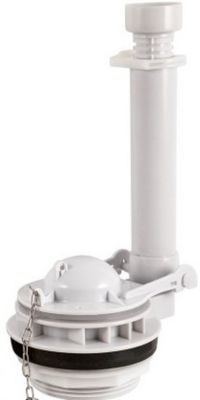
Fit is the starting point for toilet flush system replacement parts, especially when two tank interiors look nearly alike. The toilet model number, often stamped or marked inside the tank, provides a better reference than the shape of the handle or the color of the porcelain. Flush valve opening diameter, tank depth, overflow tube height, and clearance beneath the lid can all affect compatibility. Common gravity toilets may have two-inch or three-inch flush valve openings, but those measurements are not interchangeable, and some fixtures require other sizes or model-specific assemblies. A flapper-style valve closes with a flexible seal over the drain opening, while a tower or canister arrangement lifts a larger assembly to release water. Either design needs the correct sealing surface and operating hardware. Handle location matters, too: front, side, and angled mounting positions can require different lever shapes, and a lever arm needs room to move without rubbing the tank wall or catching another component. Push-button controls bring their own considerations, including lid opening size, button travel, and the connection to the flush mechanism. Adjustable components can accommodate a range of tank dimensions, but adjustment does not make every part suitable for every toilet. Pressure-assisted assemblies call for particular care with model identification, operating pressure requirements, and approved replacement components; gravity-tank hardware is not a substitute for the sealed pressure vessel. Material choices also affect how parts stand up to daily contact with water. Molded plastic valve bodies, metal connection hardware, and rubber or silicone seals each serve different jobs, from supporting moving parts to maintaining a watertight closure. Water chemistry and cleaner exposure can influence seal life, so material descriptions and the toilet manufacturer’s care recommendations deserve attention. For a busy household or a property with several bathrooms, compatibility and accessible replacement components can make future maintenance less of a chore.
Everyday performance comes down to more than the strength of the flush. A toilet that clears the bowl but keeps running afterward may have a sealing or refill problem, while a weak flush can involve tank water level, restricted bowl passages, or a drain issue rather than the flush mechanism alone. The fill valve controls incoming water and shuts it off when the tank reaches the intended level. The flush valve releases stored water into the bowl and then closes, and the refill tube directs a small stream into the overflow tube to restore the bowl’s water level. That overflow tube also provides a route from the tank into the bowl if the tank level rises too far, provided the bowl and drain can accept the flow; it is not protection against every kind of toilet overflow. These separate functions explain why a complete tank repair assembly and a single replacement seal address different needs. Careful matching can avoid replacing working components when only one part has worn out. For the supply side,
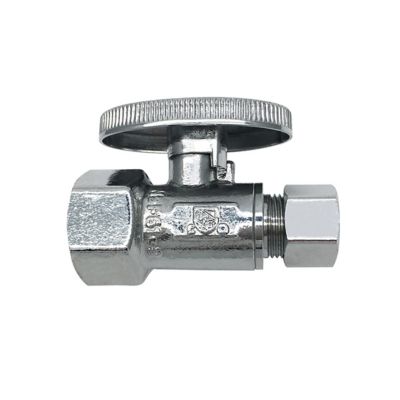
Water Shut Off Valves for Toilets control the water entering the fixture, making it possible to isolate the toilet for service without shutting off water throughout the building when the plumbing arrangement allows. That valve serves a different role from the fill valve inside the tank. Routine care includes watching for moisture around connections, checking that the handle returns freely, and keeping moving parts clear of interference. In-tank cleaning tablets and harsh chemicals can damage certain seals and components, so cleaner compatibility matters just as much as a snug fit. Mineral buildup may also affect valve movement and water flow, particularly in homes with hard water. Manufacturer-approved cleaning methods help protect sealing surfaces without scratching or distorting them. Whether the bathroom serves a couple of people or a steady stream of family and visitors, a properly matched flush system supports consistent bowl clearing, controlled refilling, and fewer interruptions to the day’s work.