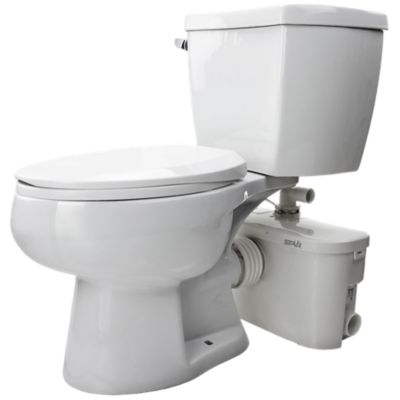
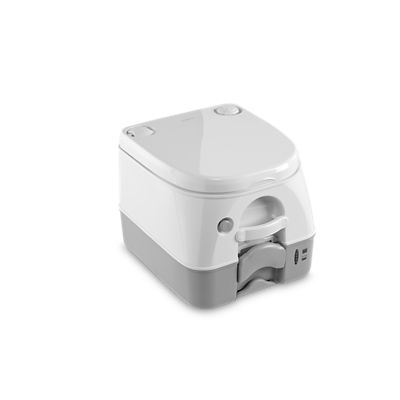
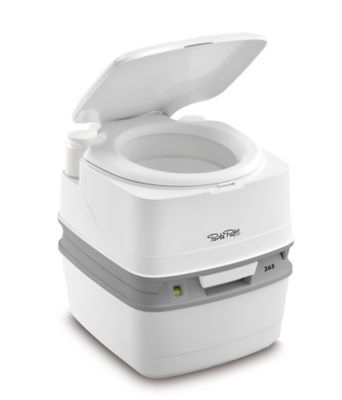
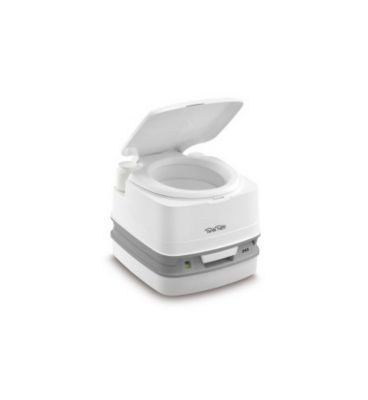
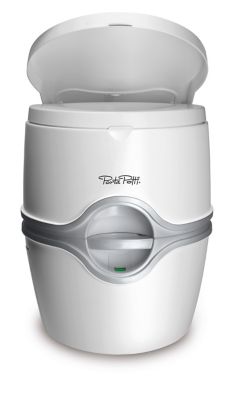
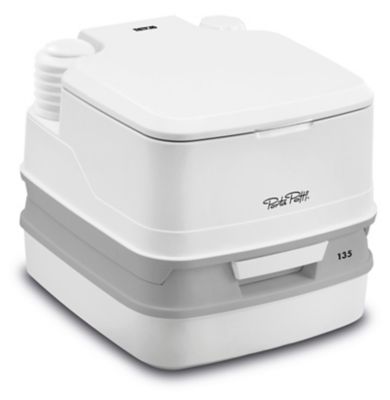
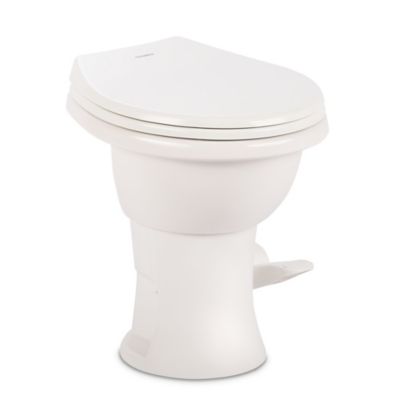
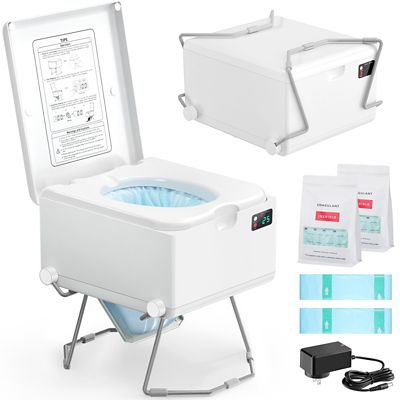
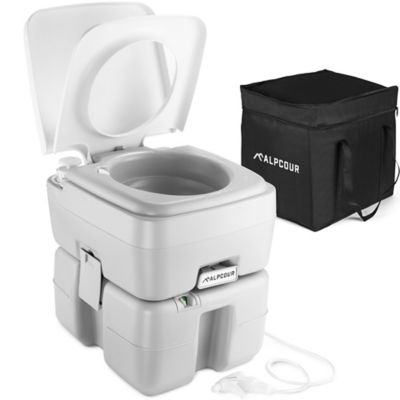
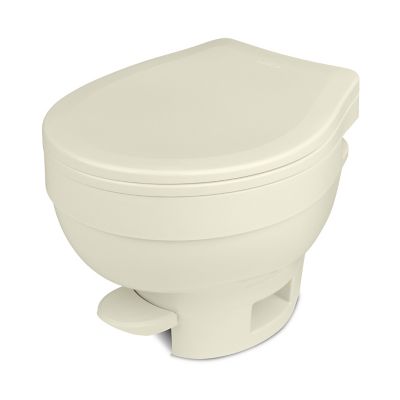
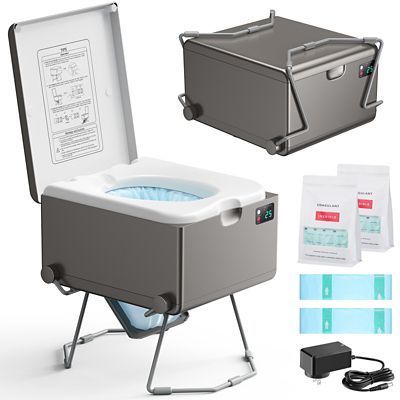
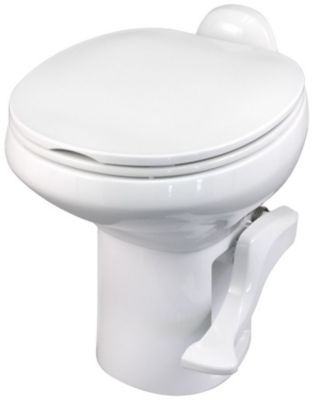
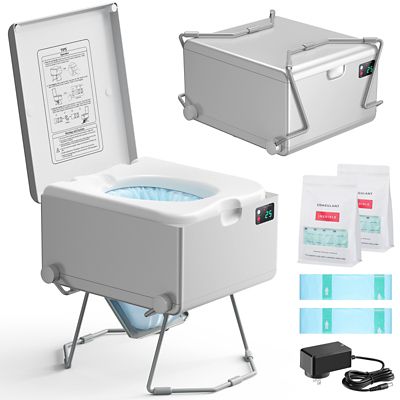
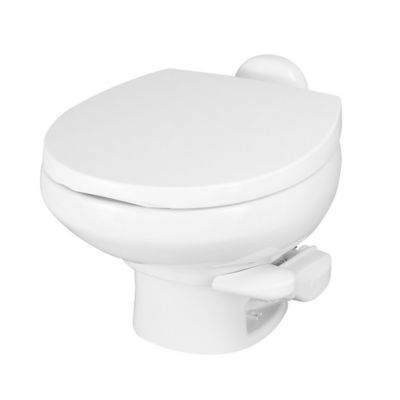
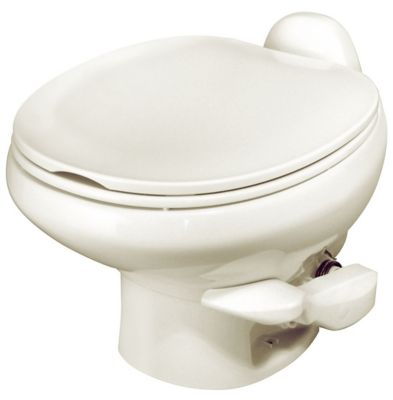
Cabin toilets range from familiar flush fixtures to self-contained portable toilets, composting toilets, and incinerating systems. The right fit depends on the cabin’s water supply, power source, wastewater setup, and number of people staying there. A place with plumbing and an approved septic or sewer connection may suit a conventional flushing toilet, while a cabin without running water calls for a different approach. Portable toilets generally collect waste in a removable holding tank, making them an option for occasional stays when there’s a suitable place to empty the tank. Composting toilets collect solid waste for a managed breakdown process, with some designs separating liquid waste to help control moisture. They do not necessarily produce finished compost inside the toilet, and their contents still need handling and disposal according to the manufacturer’s directions and local requirements. Incinerating toilets reduce waste to ash through a burn cycle, but they require a specified energy source, proper venting, and an approved installation. Some run on electricity, while others rely on fuel and may still need electrical power for controls or fans. Waterless operation does not always mean power-free operation, since ventilation fans and other components may need electricity. That distinction matters at a hunting cabin powered by a small battery bank or a fishing retreat where every gallon of water gets hauled in. A simple setup can make sense for a few short visits, while a cabin that regularly hosts a full bunk room needs enough capacity to keep pace. The most practical cabin toilets balance everyday comfort with the work happening behind the scenes: supplying water, managing waste, keeping odors contained, and making routine service manageable. A familiar seat and straightforward operation also help visitors settle in without needing a long explanation before heading down the hall. For many cabins, the real measure of convenience is how well the toilet fits the way the place gets lived in.
Materials, dimensions, and installation requirements make a big difference once a toilet moves from a specification sheet into a small cabin bathroom. Vitreous china offers a smooth, hard surface and the familiar feel of a household fixture, though its weight matters when getting it up steps or supporting it on an existing floor. Molded polyethylene and polypropylene are common in portable toilets and holding tanks, where lighter weight can make carrying and emptying more manageable. Stainless steel may appear in housings or internal components, while seals, valves, and tank connections deserve just as much attention as the outer shell. Those smaller parts help contain liquid and odors, and access to them matters when maintenance comes due. Overall height, seat shape, and the space around the toilet affect comfort, especially for taller adults, older family members, or anyone who finds a low seat awkward. An elongated bowl may feel more roomy, but a compact footprint can leave more walking space between the toilet, sink, and door. In a bathroom tucked beneath a stairway or beside a bunk room, clearance for lifting a lid, removing a tank, or opening a service panel can matter as much as floor space. Plumbed models need the correct drain connection and rough-in measurement, along with a water supply that meets their operating requirements. Flushing performance also depends on the whole setup, not just the bowl; compatible
Toilet Flush Systems are part of that picture wherever a flushing toilet belongs. Water consumption per flush affects the load on a storage tank and wastewater system. For self-contained models, the empty tank weight tells only part of the story, because a full waste tank can be considerably harder to carry. A clear path to the service area, secure tank latches, and room to work around connections all contribute to a setup that is easier to live with.
Care and waste handling are part of owning any cabin toilet, whether the cabin sees a couple of visitors at a time or serves as the gathering spot for a big family. Smooth surfaces and accessible bowl edges make routine cleaning less of a chore, but cleaning products need to suit the toilet’s materials, seals, and waste-treatment process. A strong cleaner that works on a conventional fixture may interfere with a composting system or damage a portable toilet’s components. Following the care directions helps protect finishes and moving parts without working against the system itself. Odor control also takes more than a scented tank treatment. Proper seals, correctly installed vents, suitable moisture levels, and timely emptying each play a role, depending on the toilet design. A portable holding tank needs an approved disposal destination, and waste should never be emptied onto the ground or into a creek. Composting-system contents and incinerator ash also have disposal requirements; neither should be assumed suitable for a vegetable patch simply because its appearance has changed. Local health departments and building authorities can clarify which toilet systems and disposal methods are permitted at a particular property. Capacity ratings deserve a close look, too, since an occasional weekend visit creates a different workload than several people staying for an extended stretch. Guests may need a short explanation of what can go into the toilet, whether a fan needs to stay on, and how the flush or waste-separation mechanism works. Toilet paper compatibility varies by system, and wipes, hygiene products, and other trash belong outside the waste chamber unless the manufacturer expressly allows them. For cabin owners, hunters, anglers, and families spending time away from town, a well-matched toilet supports a more comfortable stay without adding unnecessary work. The best fit is one that feels straightforward at the seat and remains manageable when it’s time to clean, empty, or service it.