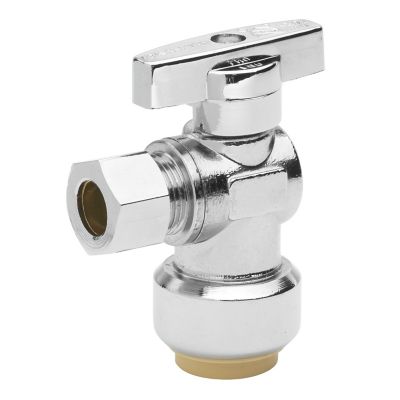
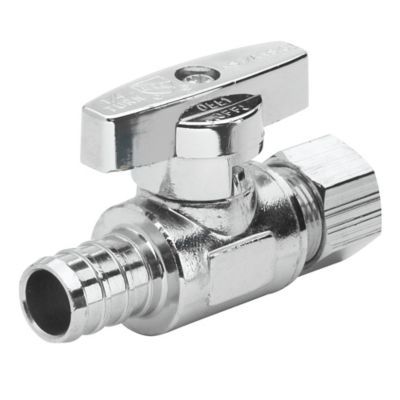
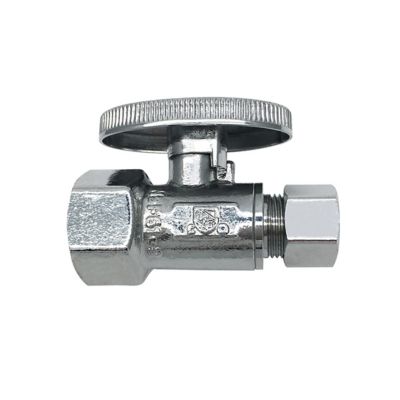
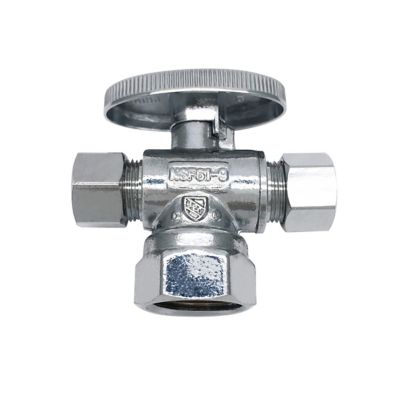
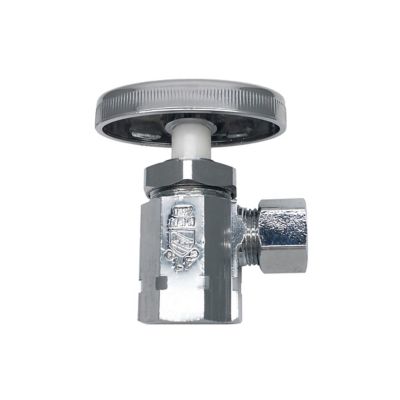
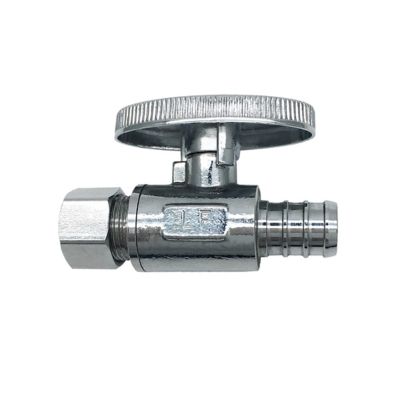
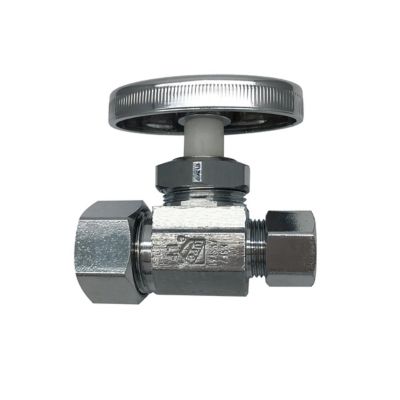
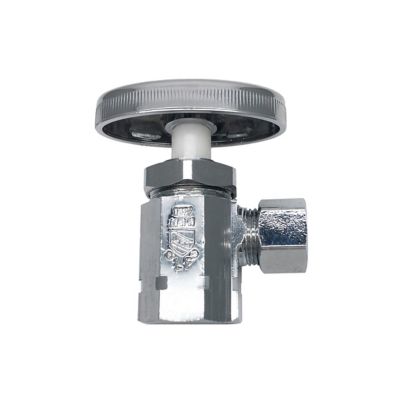
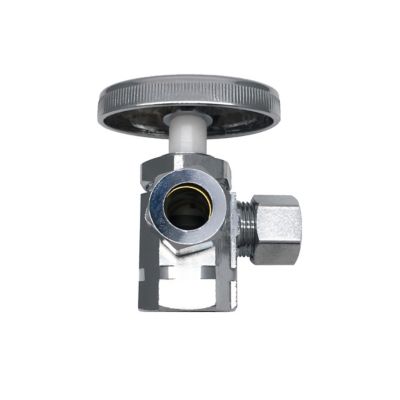
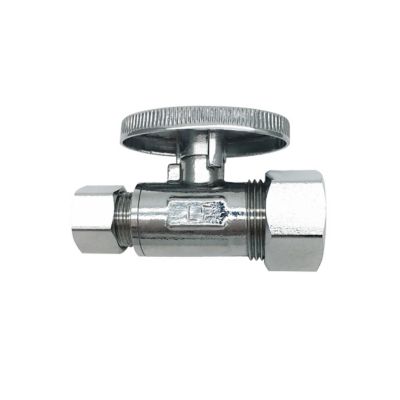
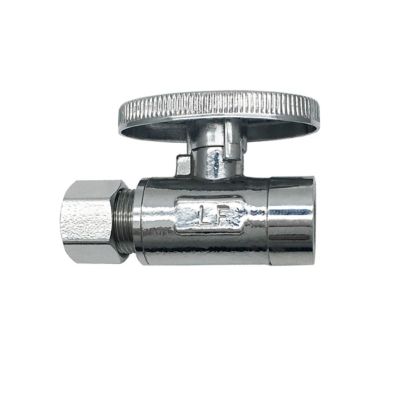
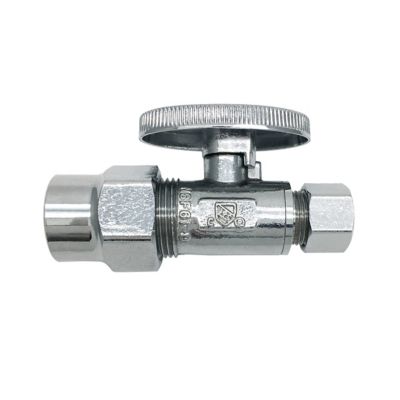
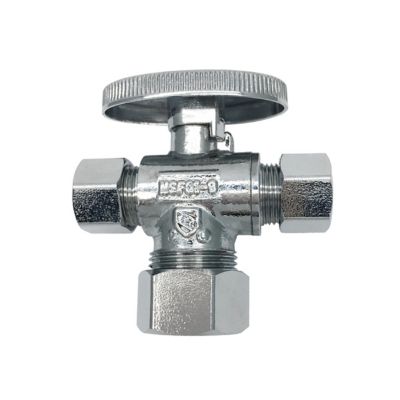
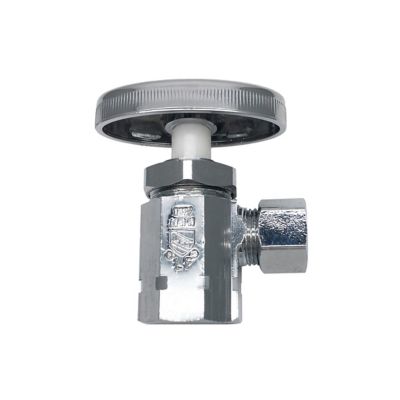
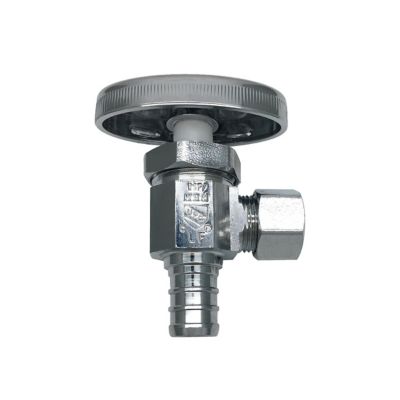
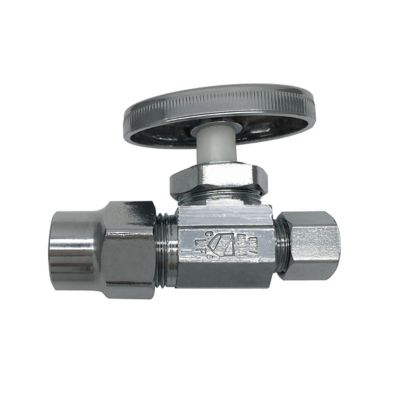
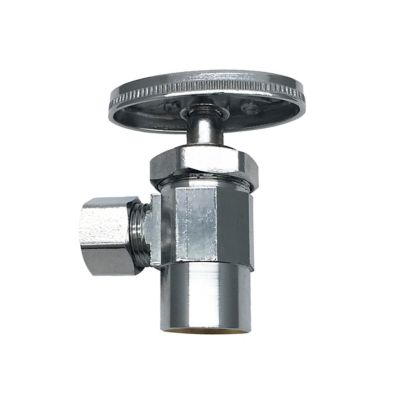
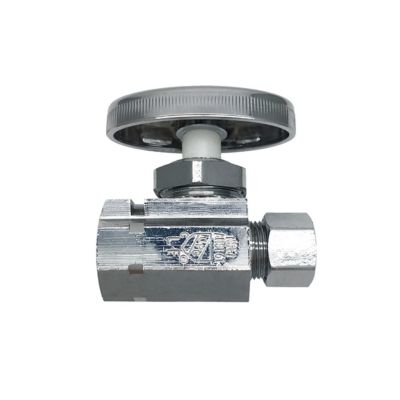
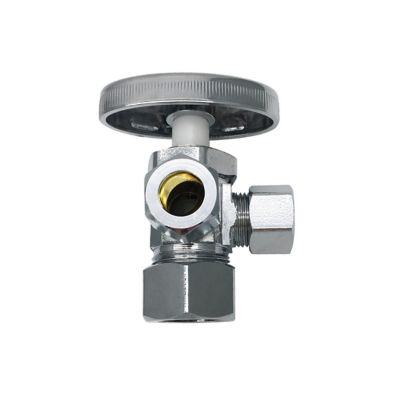
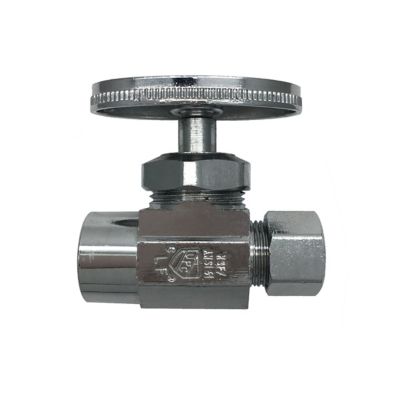
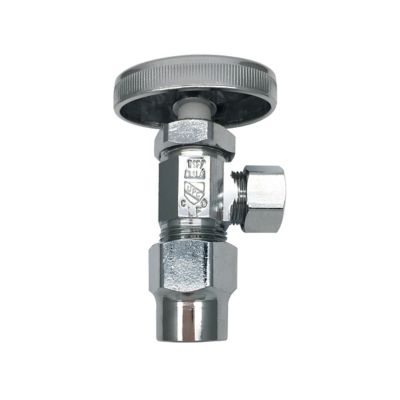
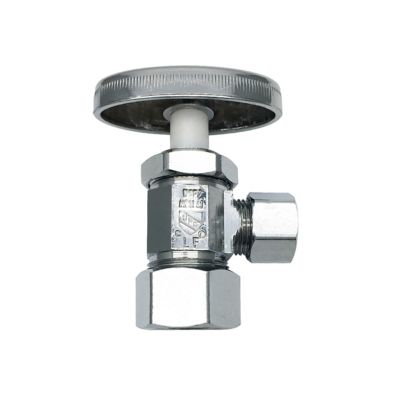
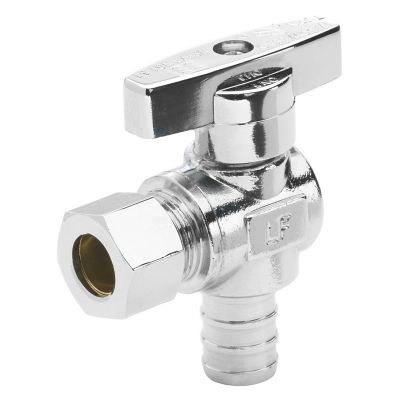
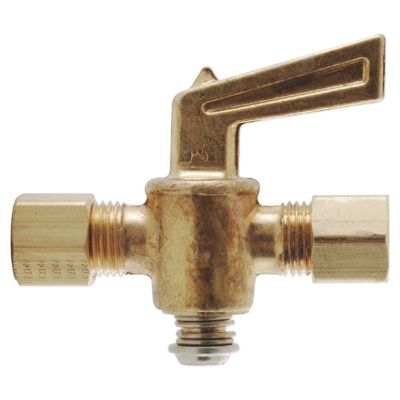
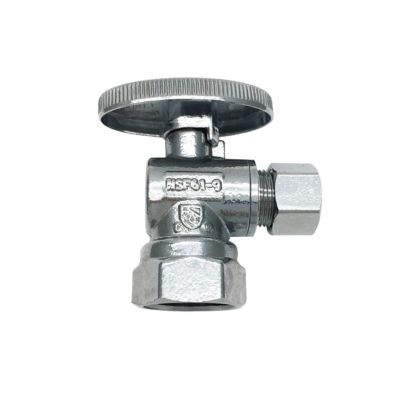
Water shut off valves for toilets control the flow of clean water from a building’s supply pipe to the toilet tank. This small plumbing valve usually sits behind or beside the toilet, where the water line comes through the wall or floor. Closing it isolates the toilet’s water supply, allowing tank repairs or fixture replacement without interrupting water service throughout the house, provided the valve closes properly. A common configuration has a 1/2-inch nominal inlet and a 3/8-inch compression outlet, but the right fit depends on the supply pipe, connection style, and toilet supply connector. Those measurements describe different parts of the connection, so matching the numbers alone doesn’t always mean two fittings belong together. For example, a compression inlet for 1/2-inch nominal copper tubing commonly fits tubing with a 5/8-inch outside diameter. Angle stop valves turn the water path, generally making them a practical match for a pipe coming out of the wall. Straight stop valves keep the inlet and outlet in line and often suit plumbing that rises through the floor. The best arrangement leaves the handle accessible and gives the supply connector a clear path to the tank without a sharp bend or kink. In a tight bathroom, even the distance between the wall, valve handle, and toilet bowl can affect how comfortably the shutoff operates. A broad toilet base or a cabinet beside the fixture can make that clearance especially important. These valves serve homeowners, plumbers, maintenance crews, and property owners tending anything from a farmhouse bathroom to a shop restroom. Their job is straightforward, but a properly matched shutoff makes a difference when a fill valve keeps running or a tank needs attention. It controls incoming water; it does not clear a clogged drain or remove water already sitting in the tank and bowl.
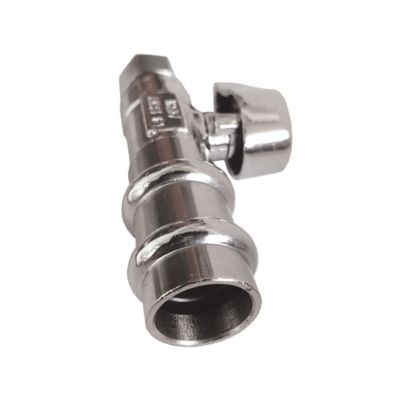
Connection type is one of the biggest considerations when comparing toilet water shut off valves. Compression, threaded, push-to-connect, and PEX-compatible connections each suit particular plumbing arrangements, and the inlet needs to match both the pipe material and its dimensions. Copper, PEX, CPVC, and threaded metal pipe do not all accept the same fittings. Some push-to-connect valves accommodate several listed pipe materials, while PEX connections may require a specific crimp, clamp, or expansion system. Manufacturer specifications matter more than a fitting’s general appearance, especially in a house where plumbing repairs have left different pipe materials behind the walls. The outlet deserves the same attention: many toilet supply connectors attach to a 3/8-inch compression outlet at the valve, while the tank end commonly has a 7/8-inch ballcock connection. The tank connection is part of the supply connector’s fit, not the valve’s inlet size. Valve body materials also play a role in long-term service. Brass is common for its strength and resistance to corrosion, and chrome-plated finishes provide a clean-looking surface that coordinates with exposed bathroom plumbing. A plated exterior alone does not identify the body material, internal seals, or suitability for a particular water system. Potable-water ratings, applicable lead-free markings, and stated operating limits give more useful information about intended service. Inside the body, the shutoff mechanism affects how the handle feels and closes. Quarter-turn valves move between open and closed positions with about a quarter turn of the handle, and many use a ball mechanism. Multi-turn valves take several rotations and commonly rely on a stem and sealing washer. Either style needs a sound seal and enough handle clearance to operate as intended. For a toilet tucked close to the wall, a compact lever may fit differently than an oval handle. Handle shape, valve orientation, and room for a hand are worth considering together rather than treating them as separate details.
A toilet shutoff should suit the way the bathroom gets maintained, not just the space where it connects. In a busy household, an easy-to-reach handle helps make a leaking supply connection or tank problem less of a scramble. In a rental house or a restroom off the workshop, a clearly recognizable shutoff gives the person handling maintenance a practical way to isolate that fixture. Access matters after installation, too: a valve hidden behind stored cleaning supplies or crowded against the toilet can be difficult to inspect. Care generally centers on keeping the area accessible, checking for moisture, and following the manufacturer’s recommendations for operation and cleaning. Water beads around the stem, dampness at a connection, mineral buildup, or a handle that becomes hard to move can signal a need for attention. A shutoff that looks closed may still let water pass internally, so handle position alone does not prove that the supply is isolated. Forcing a stiff handle can damage the valve or stress the connected pipe, particularly where older plumbing has little support. Repairs involving corroded fittings, uncertain pipe material, or a valve that will not stop the flow are often better handled by a qualified plumber. Matching the valve with a supply connector of suitable length also helps keep the space orderly; excess line should not be forced into a tight loop, and a short connector should not pull against either fitting. For bathrooms with more than one fixture needing attention,
Bathroom Sink Shut Off Valves cover a related application, though sink plumbing may require separate hot- and cold-water stops and a different layout. Toilet supply valves remain a fixture-specific choice: pipe compatibility, inlet and outlet dimensions, handle access, and the condition of the surrounding plumbing all contribute to a sound fit. The right combination keeps an everyday bathroom connection manageable when routine maintenance or an unexpected leak calls for shutting the water off.