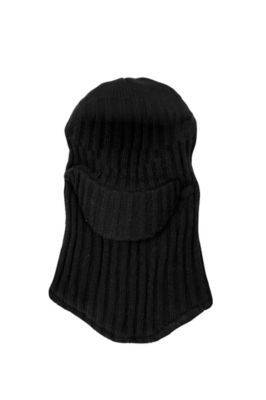
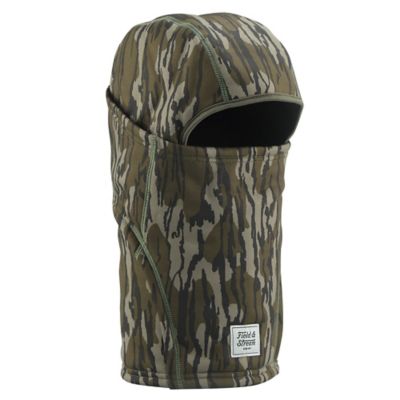
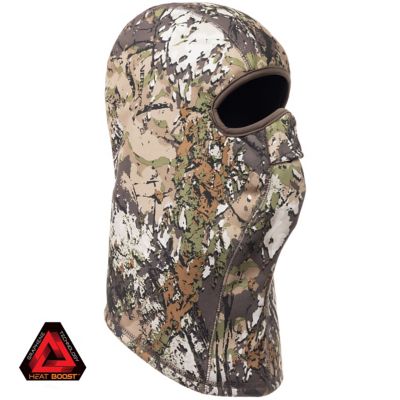
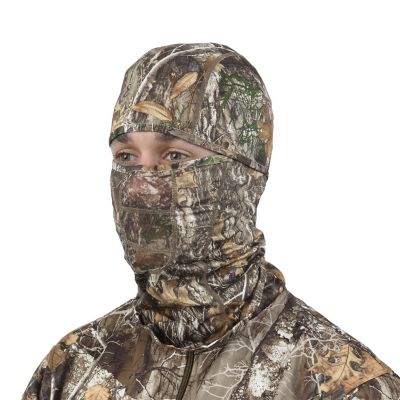
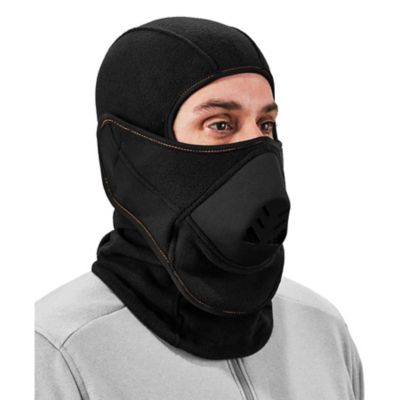
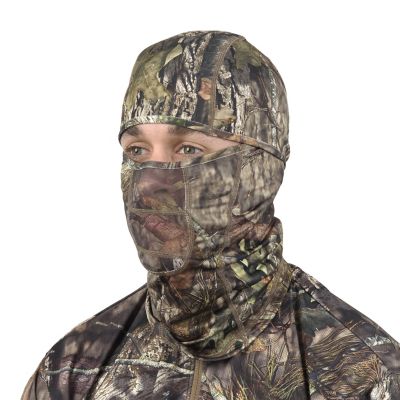
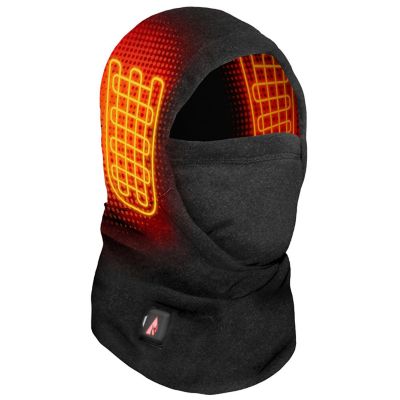
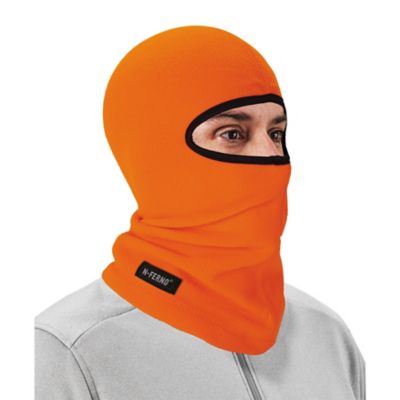
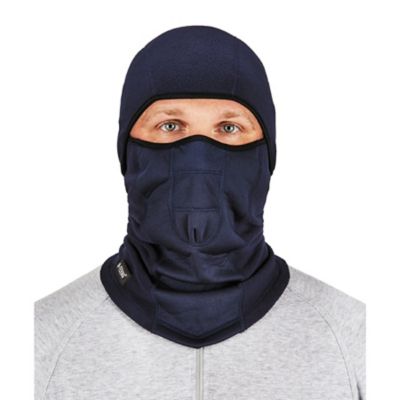
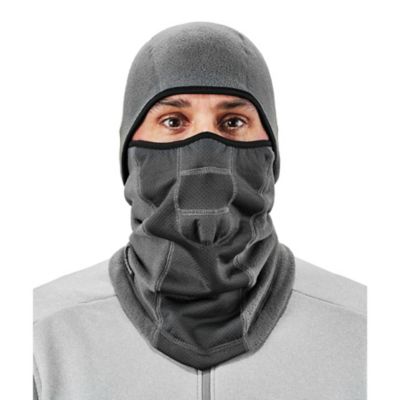
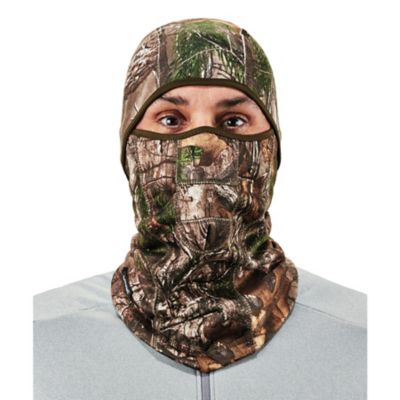
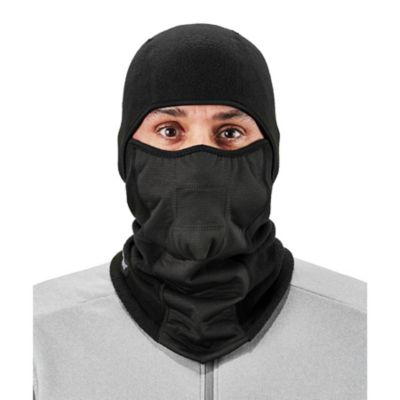
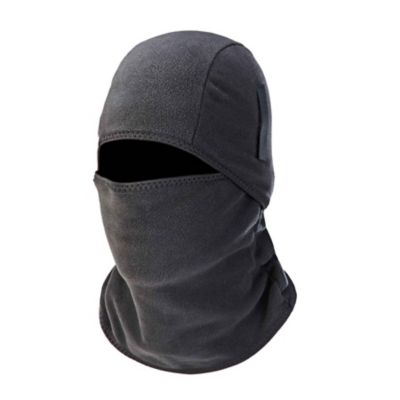
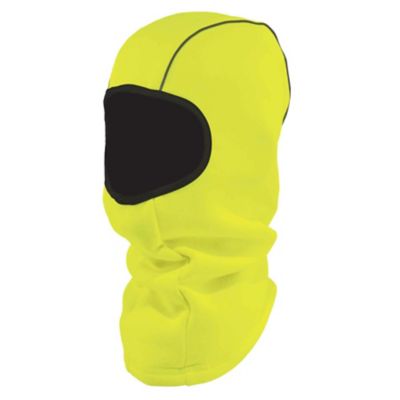
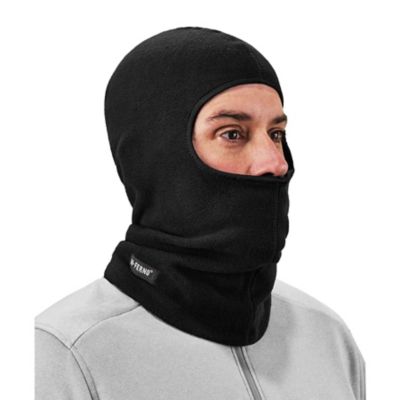
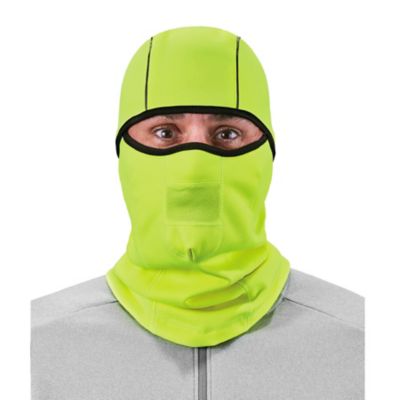
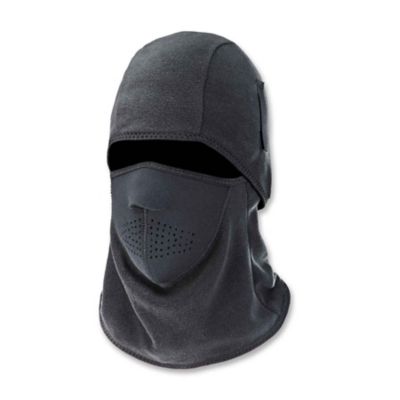
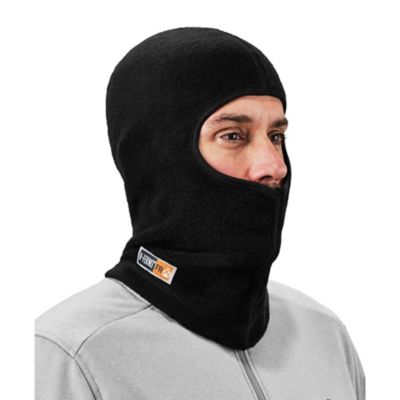
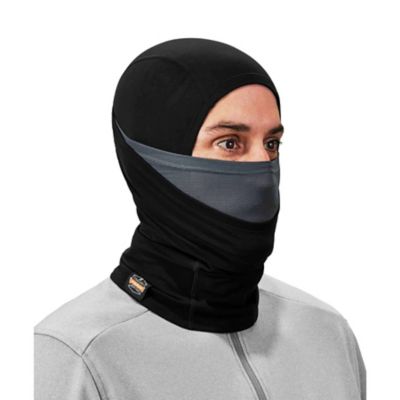
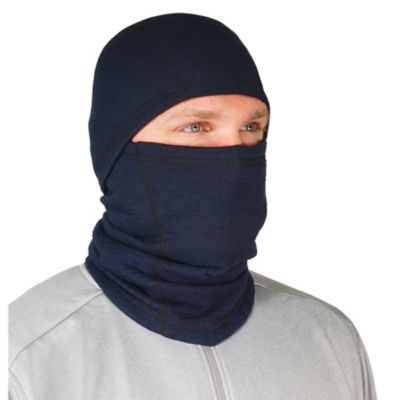
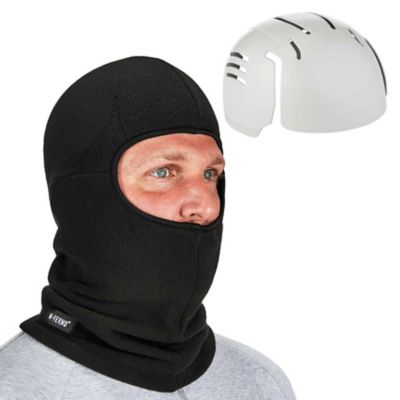
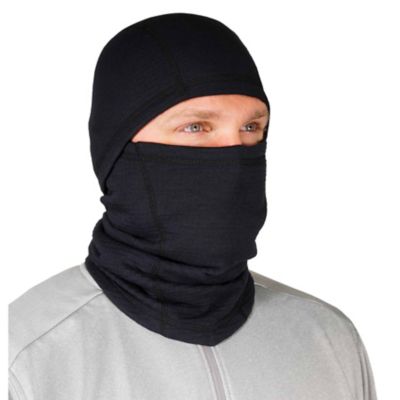
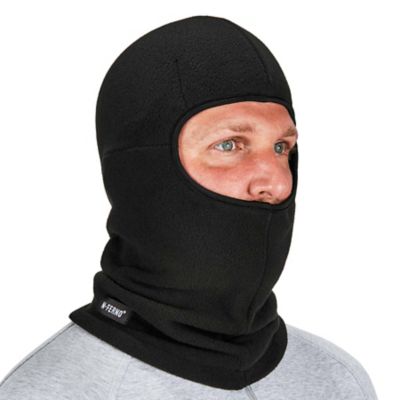
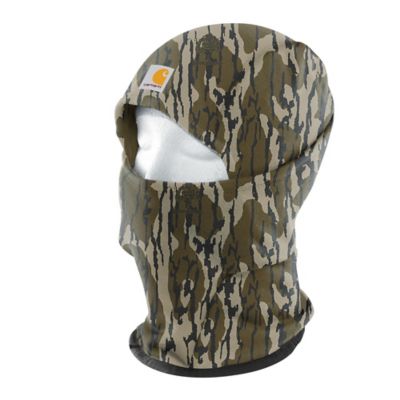
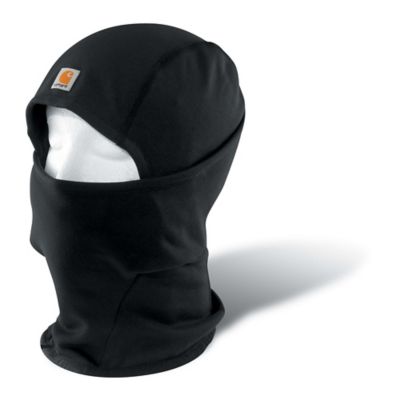
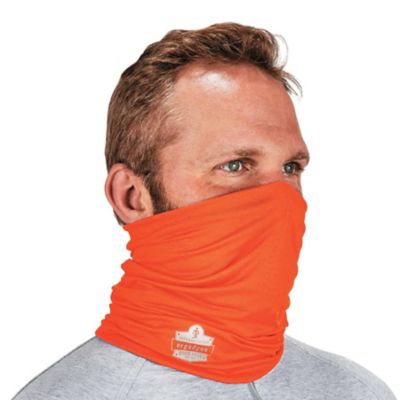
A balaclava hat is close-fitting headwear that covers the head and neck, often extending over the ears, cheeks, chin, and mouth while leaving an opening for the eyes or face. Sometimes called a ski mask, it brings several areas of coverage together in one piece, helping close the gap between a coat collar and a hat. That extra coverage can make a difference when wind cuts across an open pasture, snow blows back off a shovel, or a fence repair takes longer than expected. Unlike a beanie, a balaclava reaches below the head; unlike a neck gaiter, it also covers the crown. Face openings vary, with some shapes leaving the entire face exposed and others covering everything below the eyes. Certain designs have a movable lower panel that can sit beneath the chin when full coverage is not needed. The material plays a big part in how the hat feels through a day outside. Fleece has a soft, brushed feel and adds insulation without the weight of a thick knit. Polyester and other synthetic blends often dry faster than cotton, making them practical for chores that alternate between heavy effort and standing still. Merino wool helps manage moisture and odor, while wool blends can combine that feel with added stretch or easier care, depending on their construction. Cotton can feel comfortable for light activity, but it holds moisture and dries slowly, so it is less suited to sweaty work in cold conditions. Fabric thickness matters just as much as fiber content: a thin stretch layer fits into a different setup than lofty fleece. Wind-resistant panels can help on exposed ground, although coverage, breathability, and the rest of a person’s clothing all affect comfort. A balaclava is one part of a cold-weather outfit, not a replacement for a suitable coat, gloves, or protection required for the job. Its appeal is straightforward: fewer bare spots around the ears and collar, with less fuss than keeping a separate scarf tucked into place.
Fit determines whether that coverage stays comfortable from the first feed bucket to the last gate latch. A balaclava hat should sit close enough to follow the head without pulling hard across the nose, pressing into the throat, or shifting over the eyes. Stretch fabrics help accommodate different head shapes, but a one-size label does not mean every person will get the same fit. Head measurements and the maker’s size chart offer a better starting point, especially for children or anyone who finds standard hats too tight. A longer neck section can tuck beneath a jacket collar and stay in place while bending to fill a feeder or reaching overhead in the barn. Seams deserve attention, too. Flat seams and smooth edges can reduce rubbing around the forehead, ears, and jaw, particularly when another piece of headwear sits on top. Under a helmet or hard hat, thickness becomes a safety consideration as well as a comfort issue. Any added layer needs to be allowed by the headgear manufacturer and must not interfere with its fit, suspension, or retention system. A thicker hat is not automatically a better choice for every task. Someone splitting and stacking firewood may appreciate a lighter, breathable fabric, while a person standing along a fence line may prefer more insulation and wind coverage. For folks who wear glasses or goggles, the face opening and nose fit matter because warm breath escaping upward can contribute to fogging. Breathable mouth panels and adjustable coverage may help manage that airflow, though no fabric arrangement guarantees clear lenses. The opening should leave an unobstructed view and allow comfortable breathing without constant tugging. A hinged face section can be handy when moving between the yard and a sheltered workspace, provided it stays where it belongs. Beards, long hair, and ponytails can also change how a close-fitting hat sits, making stretch, seam placement, and neck length worth considering alongside warmth.
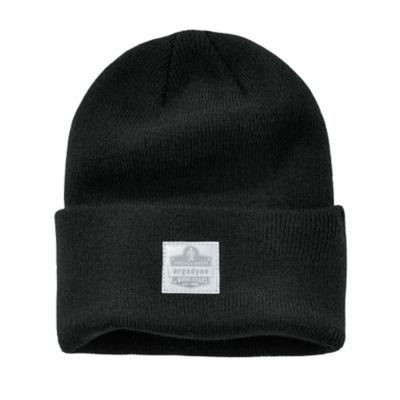
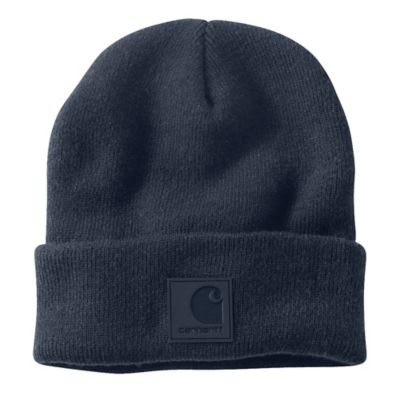
Care and construction help determine how well a balaclava holds up to repeated wear. Even stitching, finished edges, and fabric that springs back after stretching are useful details on headwear that gets pulled on and off several times a day. Snags from hook-and-loop closures, rough lumber, or stray wire can shorten the life of a knit or fleece layer, so keeping it away from those surfaces helps preserve its shape. Washing needs vary by fabric, and the garment’s care label takes priority over a general routine. Many synthetic styles allow a cool machine wash, while wool may call for a gentle cycle, wool-safe detergent, or washing by hand. High heat can shrink some fibers or affect stretch, and fabric softeners may interfere with moisture-management finishes. Air-drying is often an option when the label permits it; a wool piece may need to dry flat rather than hang from a hook. Letting the hat dry fully between outings helps keep a damp face panel from greeting its wearer at the next round of chores. Clean, dry storage also keeps it ready alongside gloves and other winter layers instead of crumpled beneath muddy gear. For households where several people head outdoors, size, fabric feel, and coverage preferences may differ even when everyone is tackling the same work. A balaclava can make a practical gift for someone who checks livestock, clears snow, walks the back acreage, or spends time ice fishing, as long as the fit and intended activity are considered. For someone who prefers uncovered cheeks and a separate neck layer, a
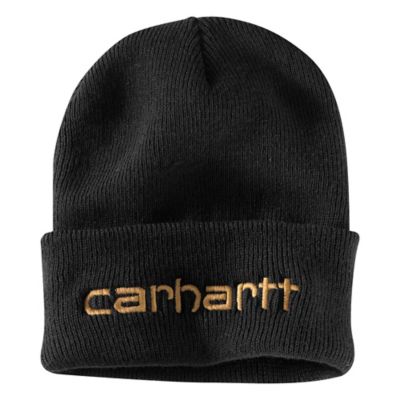
Toboggan Hat offers a different approach to keeping the head and ears covered. The best match comes down to how much coverage feels comfortable, what other gear it needs to fit beneath, and whether its fabric suits an active chore day or a quieter stretch outdoors.