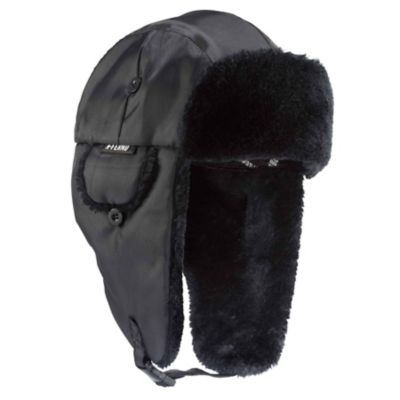
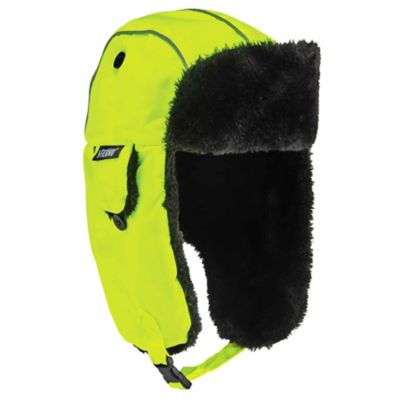
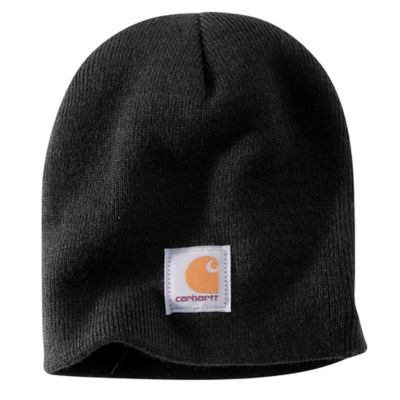
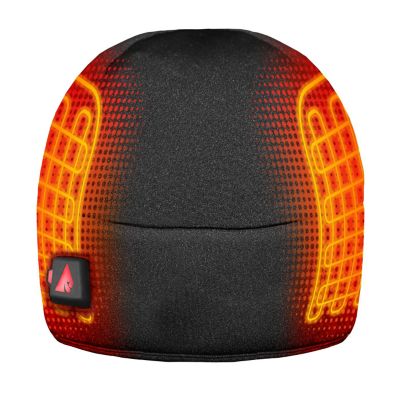
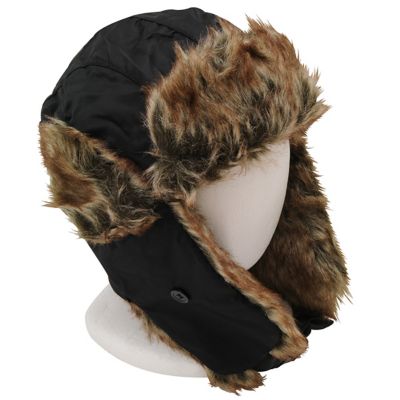
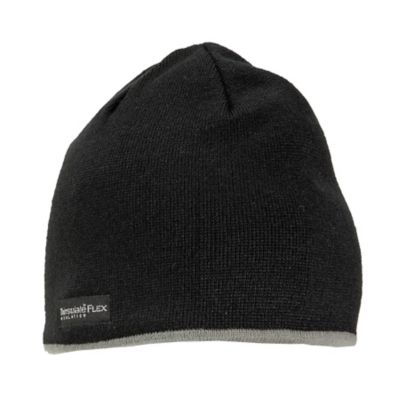
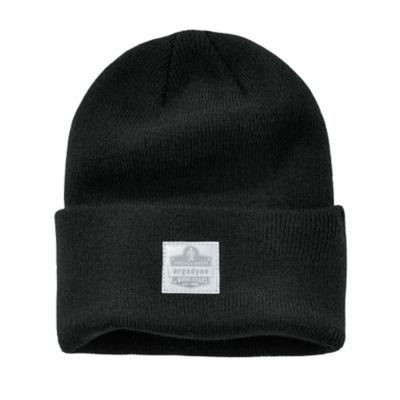
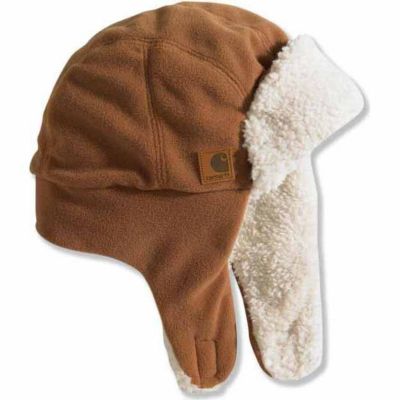
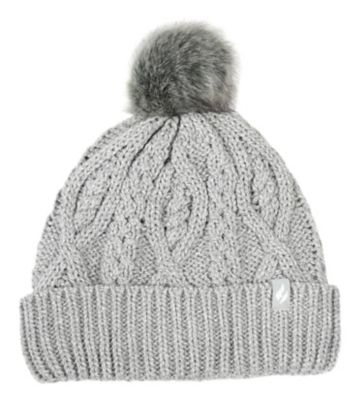
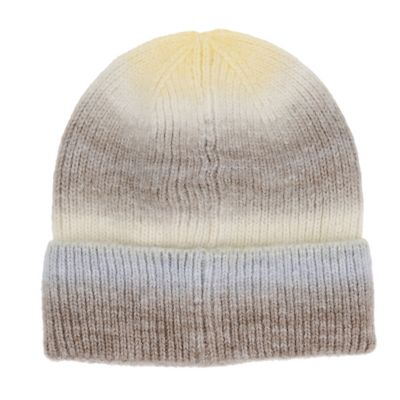
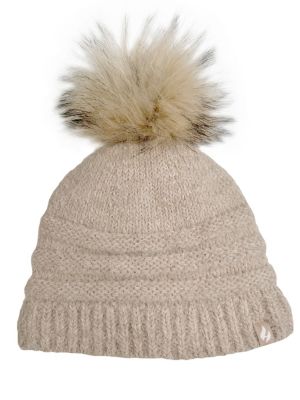
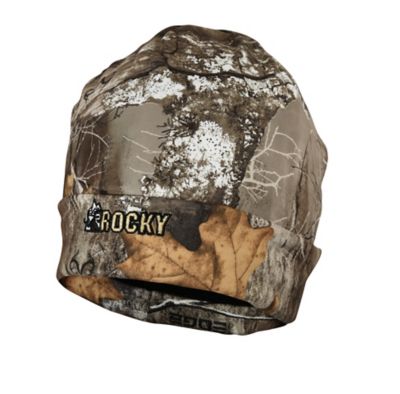
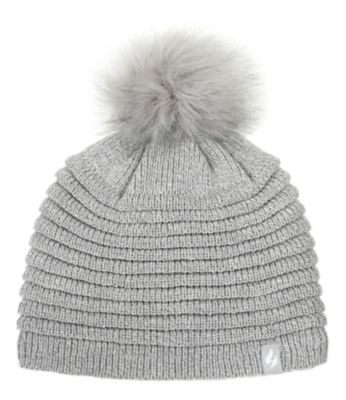
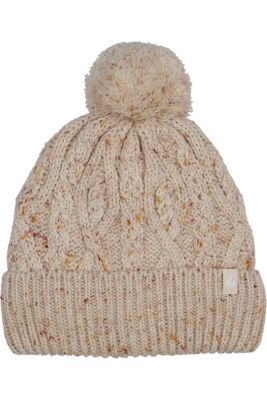
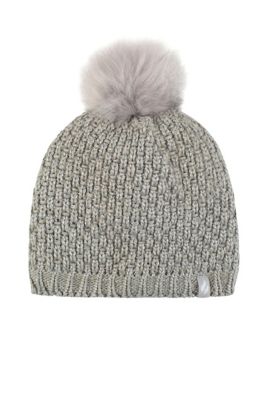
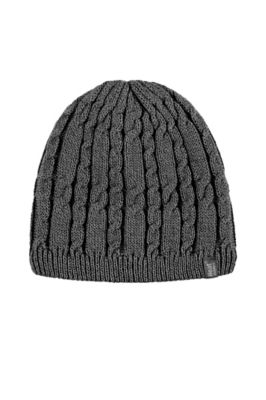
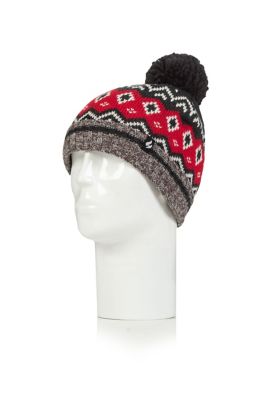
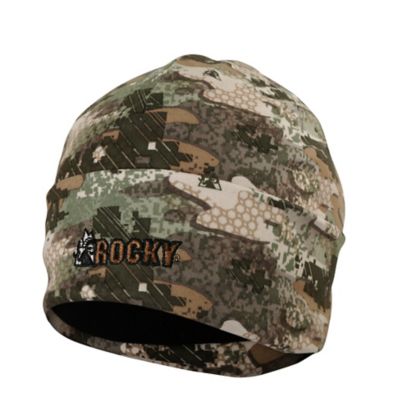
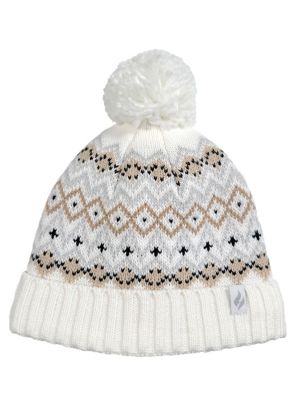
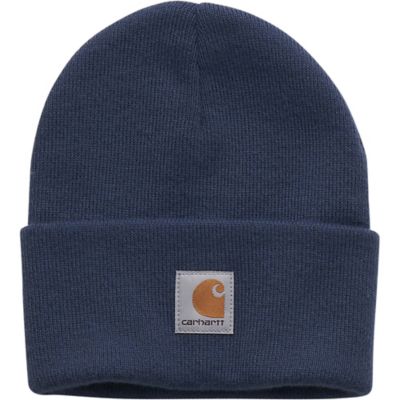
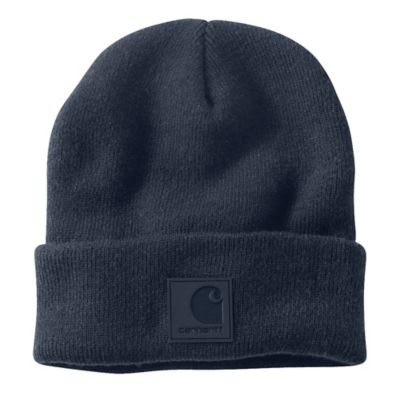
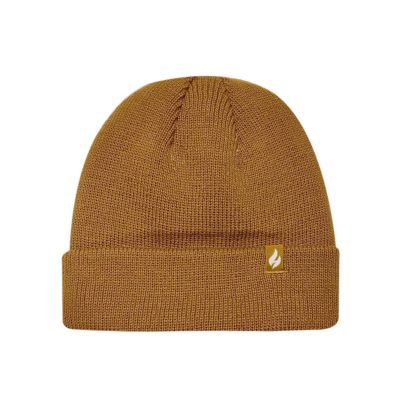
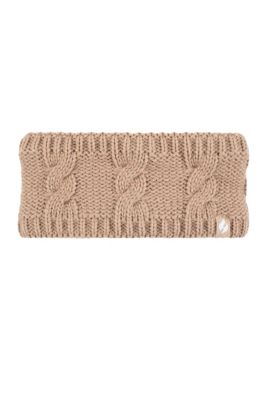
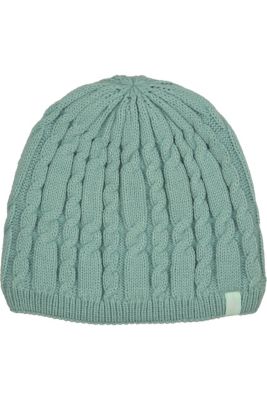
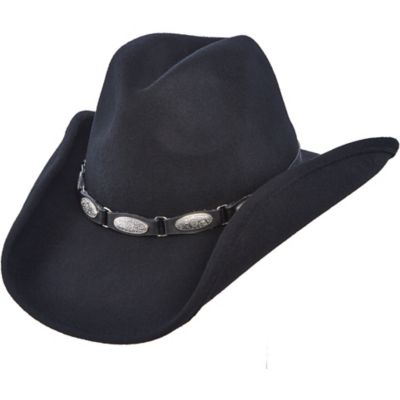
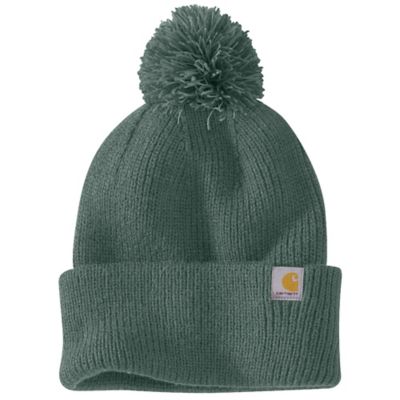
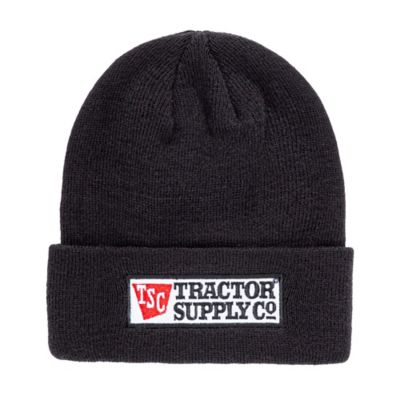
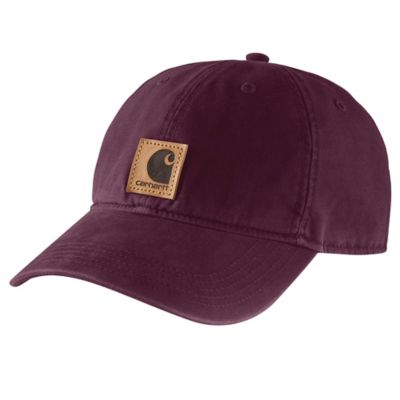
A snow hat helps keep the head and ears warm during cold, snowy outings, whether that means feeding livestock before daylight, shoveling the front walk, or spending an afternoon on the sledding hill. Common styles include knit beanies, cuffed hats, fleece caps, and insulated trapper hats with earflaps. The main differences come down to coverage, fabric, lining, and fit—not just how thick a hat looks. A close-fitting beanie can be handy for active chores, while a lined hat with earflaps offers more coverage for exposed ears when the wind picks up. Material makes a noticeable difference once the day gets going. Wool provides insulation and can retain some warmth when lightly damp, while merino wool generally has a finer, softer feel against the skin than coarser wool fibers. Acrylic knits are often easy to care for and come in plenty of colors and stitch patterns. Polyester fleece feels soft, dries relatively quickly, and can make a comfortable lining around the forehead and ears. Blended fabrics bring different fibers together, so the feel and care requirements depend on the particular mix. Cotton can feel comfortable for short trips, but it holds moisture and dries more slowly than many synthetic fabrics, making it less suited to sweaty work or extended time in wet snow. A tightly knit shell or a wind-resistant panel can help limit drafts, while an open knit may let more air through. Water resistance is another separate feature: a hat that sheds a little falling snow is not necessarily waterproof. For someone walking fence lines or tending animals, the best match is often a balance of warmth, breathability, and enough ear coverage to stay comfortable without overheating halfway through the job. A deep cuff can add another layer over the ears, while a fleece band can soften the contact point beneath a knit shell.
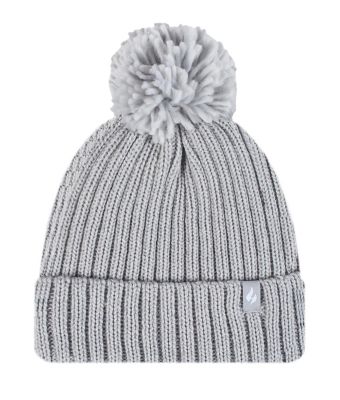
Fit has a lot to do with how well a snow hat works through a full day outside. A hat should sit securely without squeezing the forehead, leaving a deep mark, or creeping upward every time the wearer bends over. Coverage should reach the ears without dropping into the eyes, especially for chores that involve watching footing, carrying feed, or clearing a path. Stretch-knit construction can accommodate a range of head sizes, though one-size sizing does not mean every hat will feel the same on every person. Head circumference measurements and the maker’s sizing information are more helpful than appearance alone. Hair length, a ponytail, glasses, and hearing devices can also change how a hat sits. A cuffed beanie offers some flexibility in coverage because the folded edge can often be adjusted, while a trapper-style hat provides earflaps that extend below the main crown. Any fastening should feel comfortable beneath the chin and stay clear of equipment. A
pom hat adds a playful finish for everyday wear, trips into town, and time spent cheering from the sidelines. Close-fitting styles without a top accent are generally easier to pair with a jacket hood. For skiing or snowboarding, helmet compatibility matters more than appearance; any thin liner worn beneath a helmet should be permitted by the helmet manufacturer and should not change its proper fit. Thick knits and raised details can interfere with that fit. Children’s hats need the same attention to ear coverage and comfort, along with age-appropriate sizing and freedom from loose parts or long ties that could catch during play. For gifting, the recipient’s routine offers a useful starting point. Someone who spends long stretches watching outdoor sports may appreciate more insulation than someone who stays moving through barn chores, while a soft lining may matter most to a person sensitive to wool against the skin.
Construction and care help determine how a snow hat holds up to repeated wear. An even knit, neatly finished seams, and a cuff that returns to shape after stretching are useful details to consider. The inside deserves attention, too: a raised seam across the forehead or a scratchy label can become bothersome long before an outdoor task is finished. Linings should lie smoothly rather than bunching around the ears, and earflap fasteners should be easy to manage with cold fingers. A hat that feels pleasantly warm while standing still may trap too much heat during brisk walking or heavy shoveling, so intended use matters as much as thickness. Breathable materials and a fit that works with the rest of the clothing can help manage that difference. Care requirements vary by fiber and construction. Some acrylic and polyester hats allow machine washing, while wool, shaped hats, and styles with certain trims may need gentler handling. The care label is the best reference for water temperature, washing method, and drying. High heat can shrink some fibers, affect stretch, or distort a lining, and hanging a heavy, wet knit may pull it out of shape. When the label calls for it, reshaping and drying flat helps preserve the original fit. Sweat, dust, and everyday grime can build up along the inner band, particularly when the same hat goes from barn work to errands, so regular cleaning keeps it more pleasant to wear. A hat damp from snow or perspiration needs time to dry fully before being tucked into a coat pocket or storage bin. Keeping headwear away from direct heaters helps avoid heat damage. When it is time to put it away between outings, a clean, dry place protects the fabric from unnecessary moisture and snagging. Those everyday details support a comfortable fit and help a favorite snow hat stay ready for the next snowy walk, early feeding, or afternoon outside.