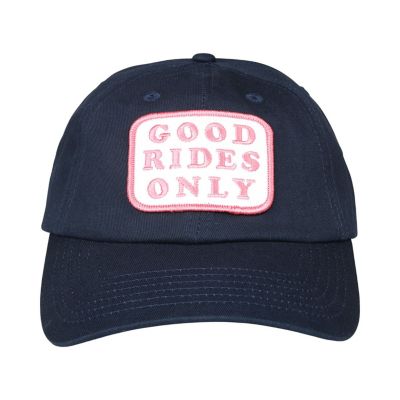
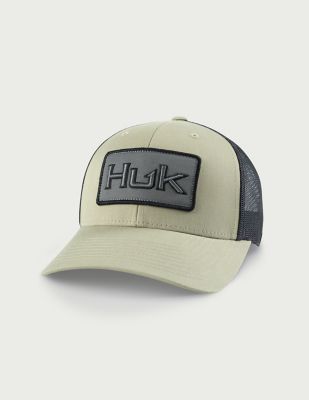
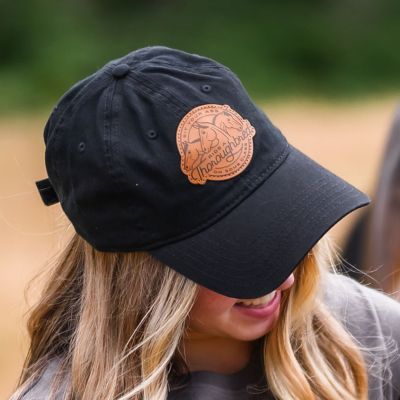
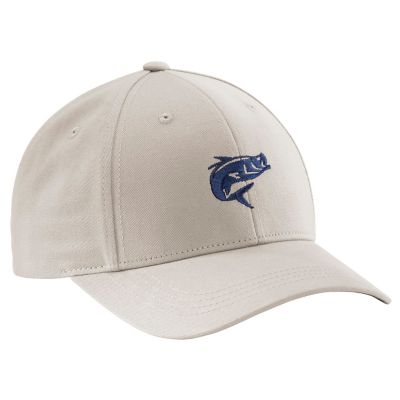
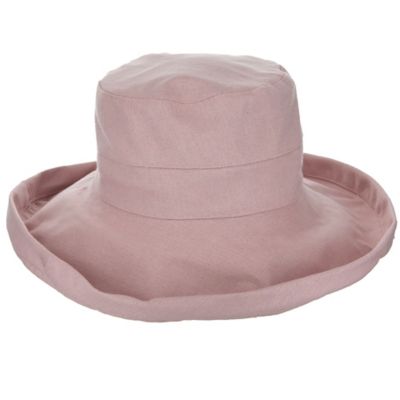
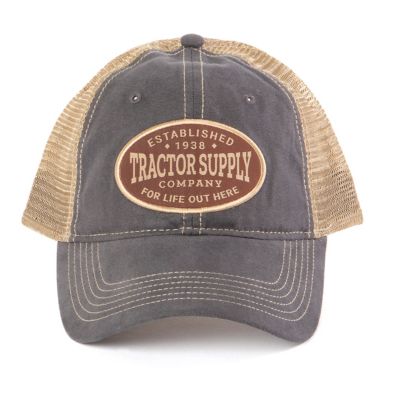
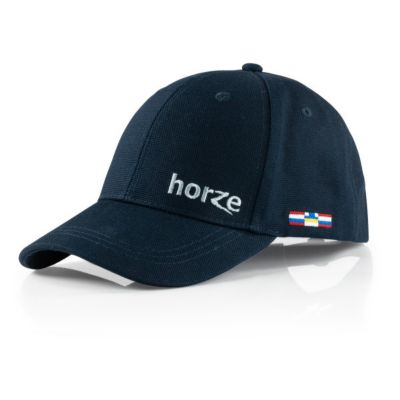
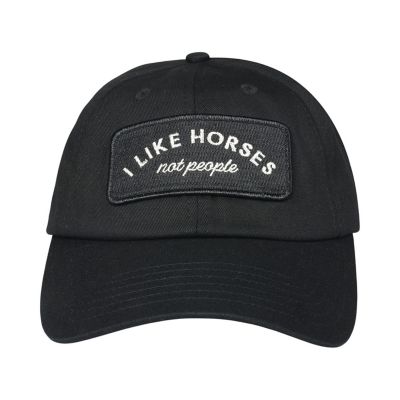
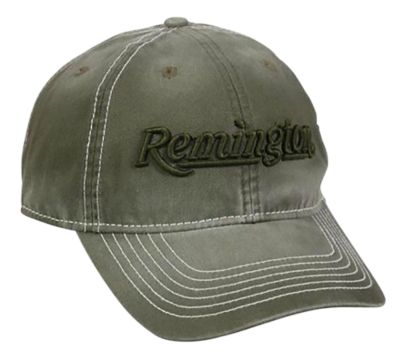
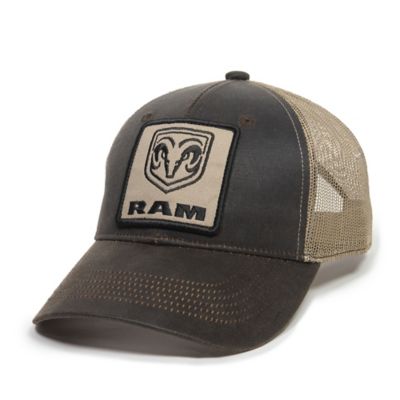
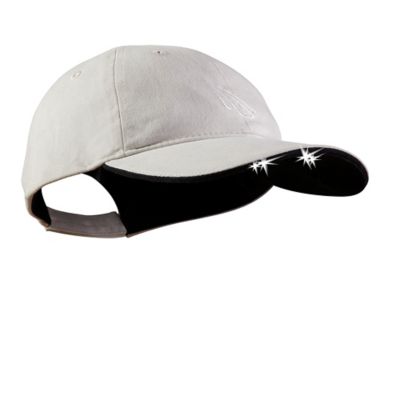
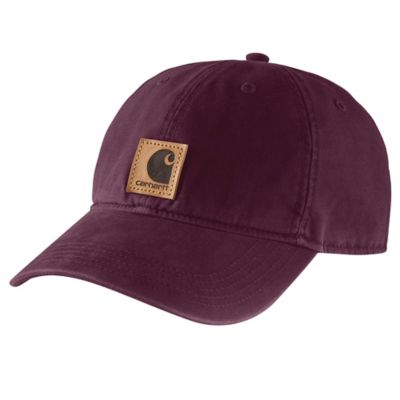
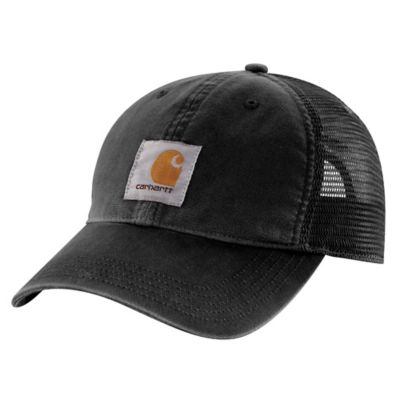
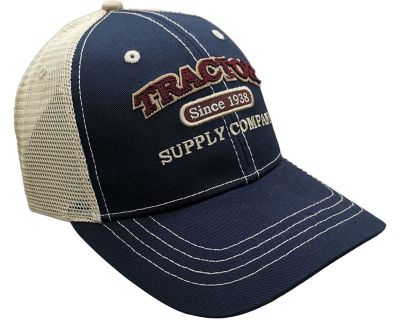
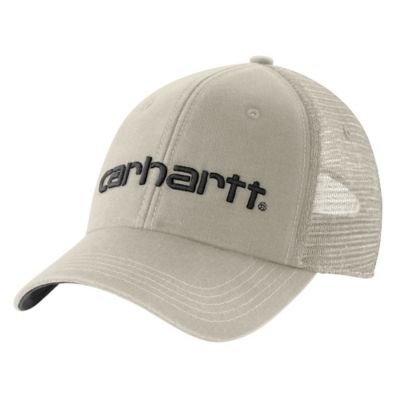
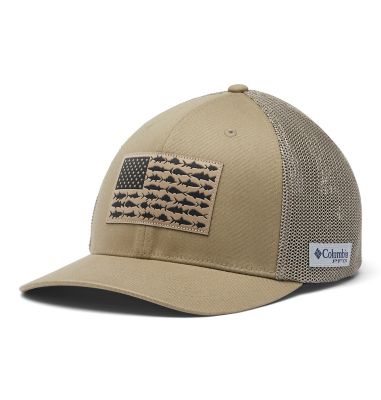
A cotton hat brings a soft feel, familiar style, and everyday practicality to everything from a trip into town to a morning spent checking fence lines. Cotton is a natural plant fiber, and hats made with it can feel comfortable against the skin while allowing air to pass through the fabric. The finished feel depends on more than the fiber alone: fabric weight, weave, lining, and construction all play a part. A lightweight cotton cap may feel easy and flexible, while a heavier cotton canvas hat has a more substantial feel and often holds its shape more firmly. Cotton twill, recognizable by its diagonal weave, is a common choice for casual caps because it balances a smooth surface with a sturdy structure. Brushed cotton has a softer surface, while washed cotton often starts out with a more relaxed feel. Those differences give cotton hats plenty of range without making them fussy. A baseball-style cap has a forward-facing bill and a familiar profile that works with jeans, work shirts, and everyday clothes. A cotton bucket hat has a brim that circles the crown, with a softer shape that can feel less rigid than a structured cap. Some crowns have reinforcement across the front panels for a taller, more defined look; others settle closer to the head. Fabric-covered ventilation eyelets, stitched panels, and interior sweatbands also affect how a hat feels over several hours of wear. Not every hat described as cotton has the same fiber content throughout. A cotton front may be paired with a mesh back, and a cotton blend may include other fibers that change stretch, drying behavior, or shape retention. Material descriptions help distinguish an all-cotton fabric from a mixed construction. For everyday wear, those details matter more than appearance alone, especially when a hat spends as much time hanging beside the back door as it does heading out for chores.
Fit makes a cotton hat feel like part of the routine rather than something that needs constant adjusting. A comfortable crown rests securely without pressing hard across the forehead, and the sweatband should sit evenly instead of leaving a tight ridge against the skin. Crown depth matters here: a shallow cap sits higher on the head, while a deeper crown extends farther down the sides. Neither shape is right for everybody, and the difference can be noticeable even when two hats carry the same size designation. Adjustable closures offer some flexibility for different head measurements and hairstyles. A fabric strap with a buckle allows small changes, while a snap closure adjusts in set increments. Fitted hats depend more closely on the stated measurement, and stretch-fit designs rely on their construction or added fibers rather than cotton alone. Cotton itself should not be expected to stretch like elastic. Size charts and head-circumference measurements give a firmer starting point than age labels or a general size description, particularly for youth headwear or a gift. The bill or brim deserves attention, too. A curved bill frames the face differently from a flatter one, and a longer bill may feel awkward against certain eyewear or when looking closely at a task. For someone who spends time leaning over a workbench, climbing in and out of a pickup, or looking down while sorting supplies, a secure fit and a manageable brim can make a real difference. Interior seams and closure hardware can also become noticeable during extended wear, especially beneath hearing protection. An everyday cotton hat is not a substitute for required protective headgear, and it should not interfere with other equipment. Beyond those practical details, shape comes down to personal preference. The familiar silhouettes gathered under
Popular Hats offer another way to consider the look that feels most natural with an everyday wardrobe.
Cotton hats tend to become familiar companions, picking up small signs of daily life along the way: a little dust from the feed room, a crease from being tucked into a tote, or a faint mark where fingers catch the bill. How well a hat holds up depends on the fabric, stitching, sweatband, closure, and care it receives. Closely woven fabric and neatly finished seams contribute to a substantial feel, but even a thick cotton hat can lose its shape if it is crushed or cleaned in a way its construction cannot handle. Care labels take priority because the crown, brim insert, embroidery, and closure may need different treatment from the cotton shell. Some hats permit machine washing, while others call for hand washing or spot cleaning. Gentle cleaning can help lift everyday soil without putting unnecessary strain on seams or bending the bill. A small amount of mild detergent and careful attention to stained areas may be enough when a full wash is not needed, provided the label allows it. Strong cleaners and vigorous scrubbing can affect color or roughen the fabric surface. Cotton may shrink with heat, so drying directions matter as much as washing directions. Reshaping a washable hat while damp and letting it air-dry, when recommended, helps preserve its intended profile. Putting it away only after it has dried fully also keeps moisture from lingering in the sweatband. Between wears, a shelf or roomy hook keeps the crown from being flattened beneath other belongings. These straightforward habits suit a hat that gets regular wear rather than one saved for special outings. A cotton hat can also make a thoughtful gift for a family member who always reaches for a cap before leaving the house, a friend who enjoys time around horses, or someone who prefers simple, practical clothing. Familiar colors, a comfortable closure, and the recipient’s preferred crown shape make the choice personal without needing to guess at a whole outfit. The best match is often the one that feels right from the first wear and fits naturally into an ordinary day.