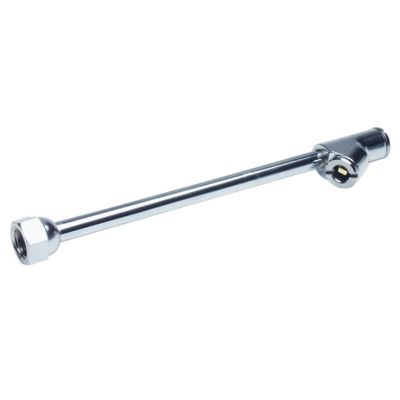
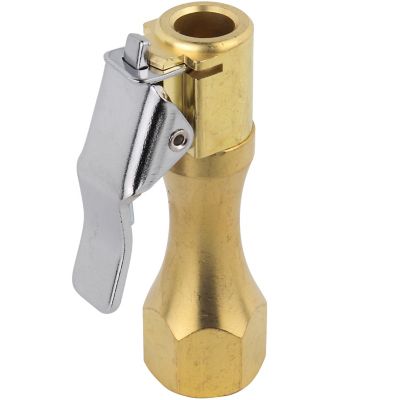
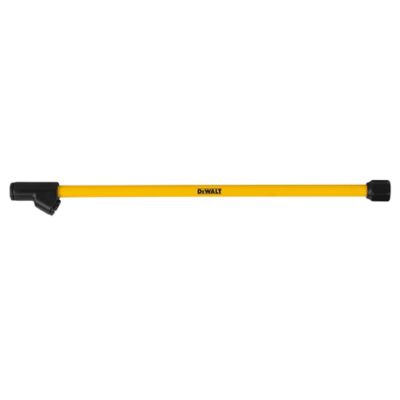
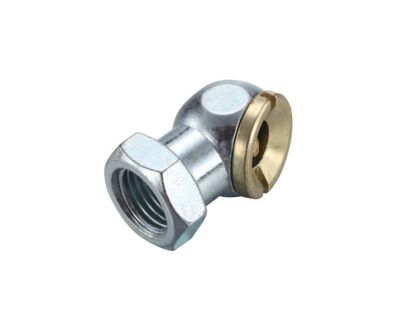
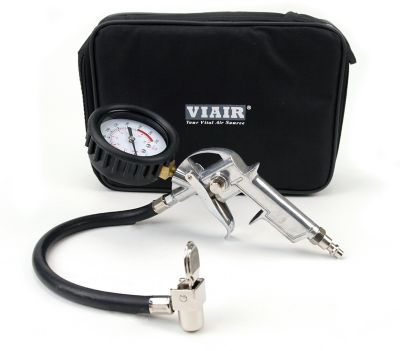
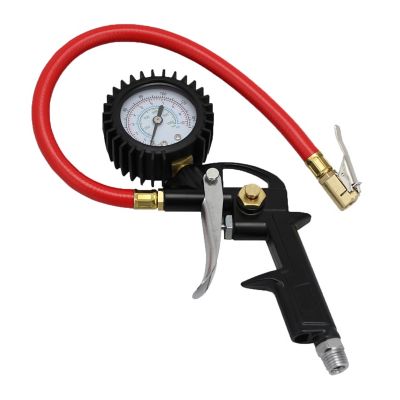
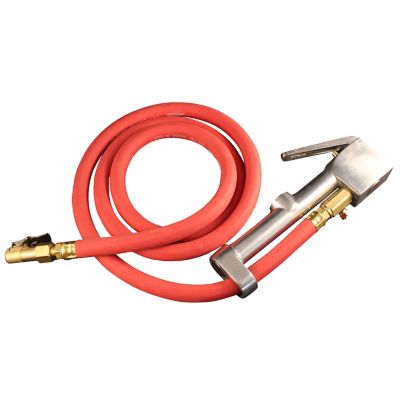
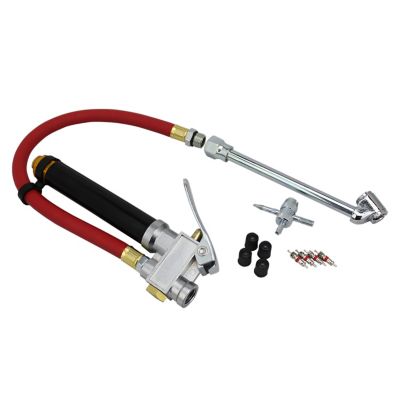
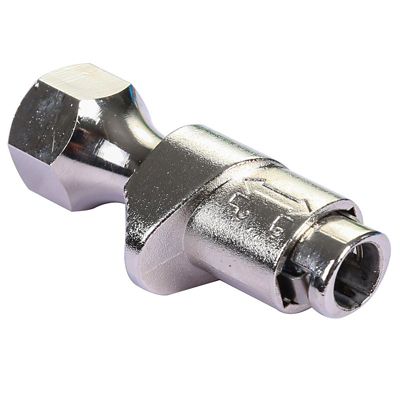
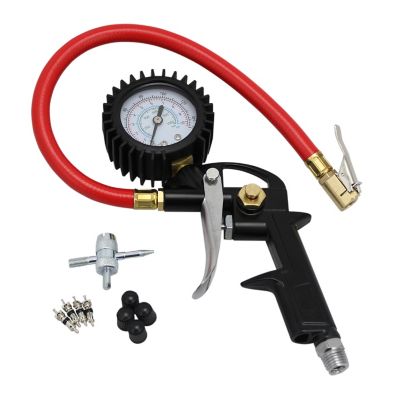
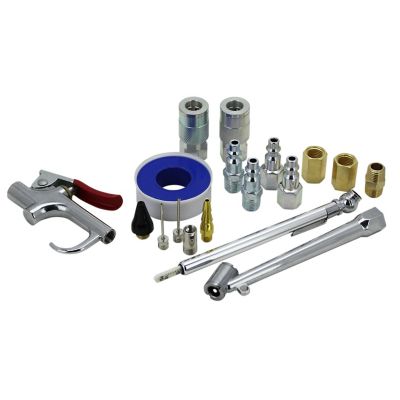
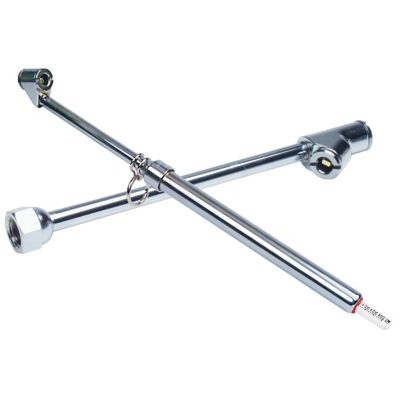
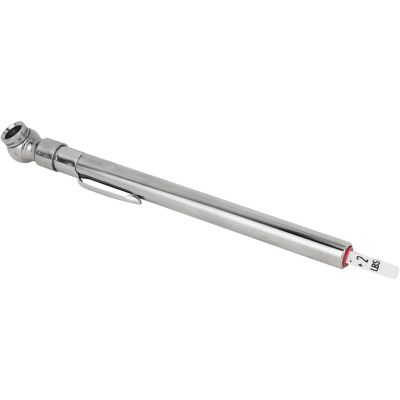
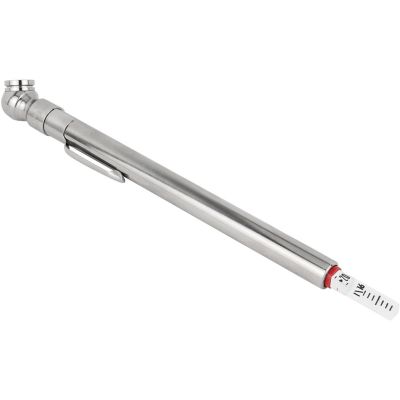
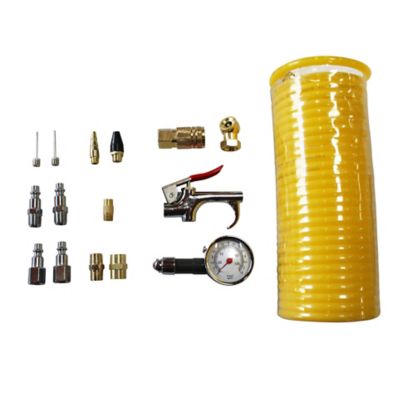
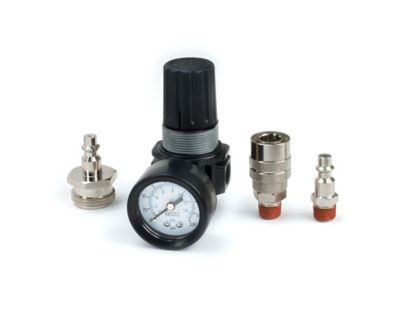
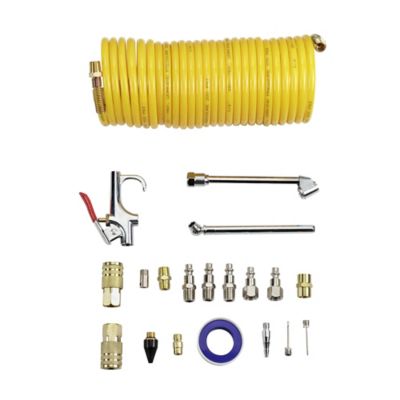
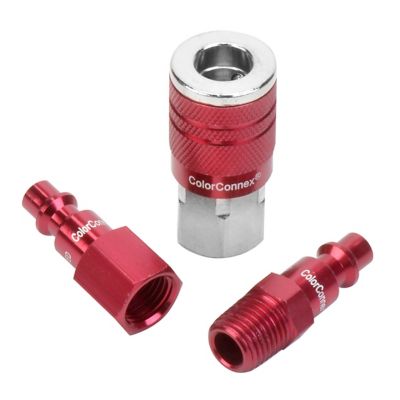
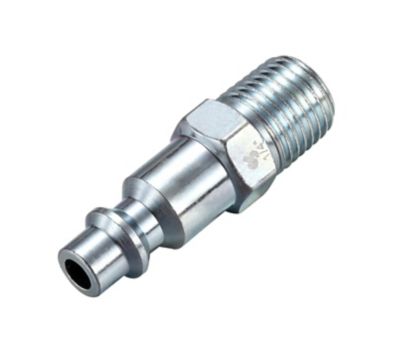
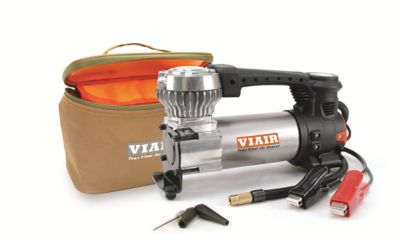
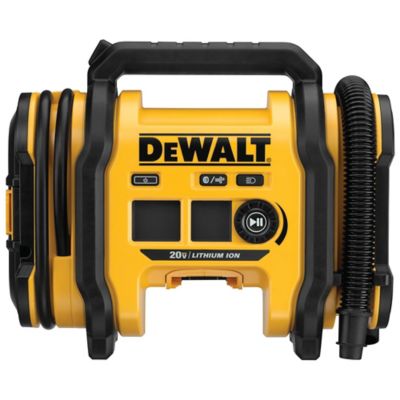
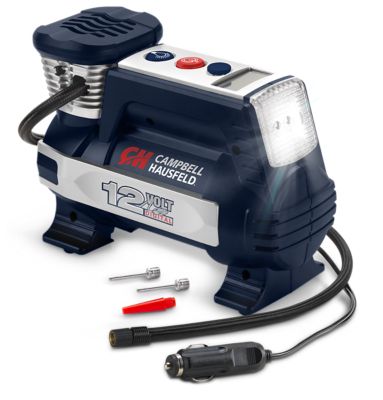
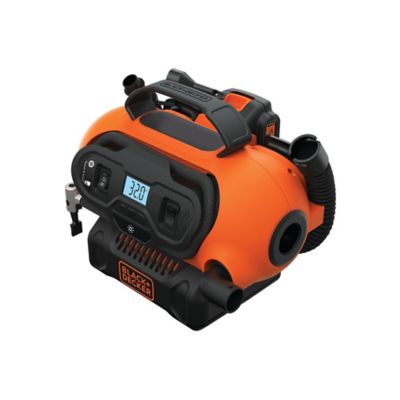
Tire air chucks connect an air hose or tire inflator to a valve stem, making a small but important connection between the air supply and the tire. Most are designed for Schrader valves, the familiar spring-loaded valves found on many passenger vehicles, pickup trucks, trailers, riding mowers and pieces of farm equipment. The chuck presses the valve core open and forms a seal so air can enter the tire; when paired with a compatible gauge or inflator, it also supports pressure checks. A chuck alone does not measure pressure or control the compressor’s output. Around a farm shop or home garage, the right connection makes a difference whether the job involves topping off a utility trailer before hauling fence posts or reaching a mower tire tucked close to its wheel hub. Two main designs serve different air systems: open-flow and closed-flow. An open-flow air chuck has an unrestricted air passage and generally belongs on an inflator or another setup that controls airflow upstream. Depending on the inflator’s design, that open passage also allows tire pressure to reach the gauge when the trigger is released. A closed-flow air chuck has an internal shutoff that holds back air until the chuck engages the tire valve, making it suited to a compatible compressed-air hose without a separate trigger valve. These designs are not automatically interchangeable, especially when a gauge needs an open air path to read tire pressure. Matching the chuck’s flow design to the equipment manufacturer’s requirements helps prevent constant air discharge or an inflator that cannot read properly. For anyone replacing a worn hose-end connector, the existing tool’s specifications matter more than whether the replacement looks similar. Tractor owners, trailer owners, home mechanics and folks keeping several vehicles ready for chores all benefit from a connection that fits their equipment and reaches the valve without a struggle. Even a simple tire top-off goes better when the chuck seats squarely rather than hissing around the stem.
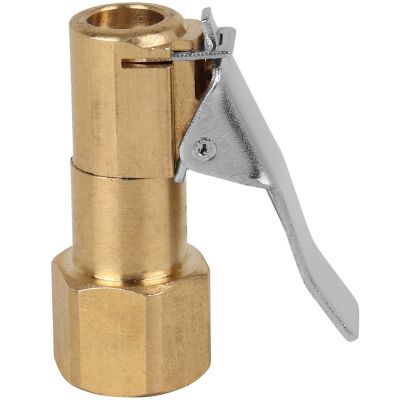
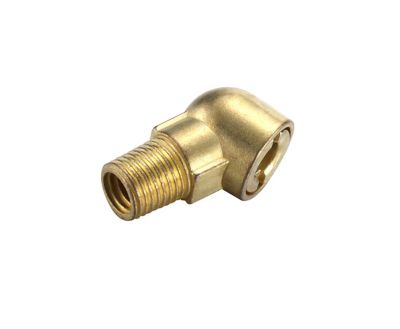
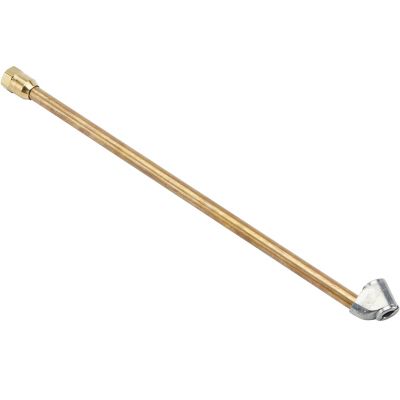
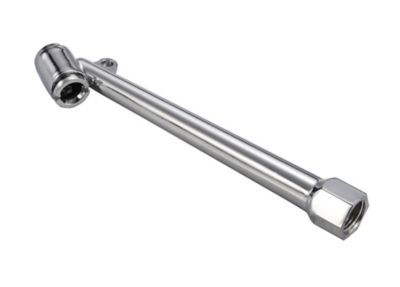
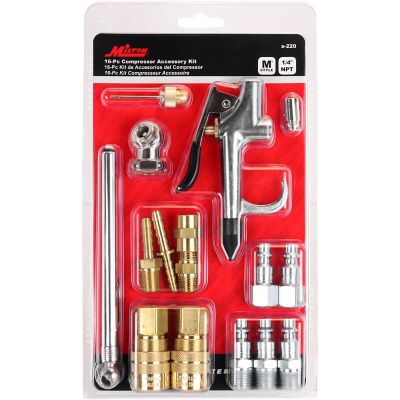
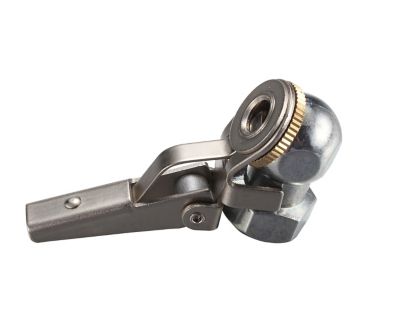
Head shape determines how easily a tire air chuck reaches its working spot. A straight chuck works well where the valve points outward and there is room to approach it directly. An angled head can make the connection easier when a wheel opening, hub or nearby component limits that approach. Dual-head air chucks provide two differently oriented contact points, often on an extended body, to help reach inward- and outward-facing valve stems on dual-wheel assemblies. That extra reach can be useful on a work truck or trailer, though head clearance and stem position still determine the fit. A long body does not guarantee access through every wheel opening, and the head needs enough room to meet the stem squarely without prying against it. Push-on chucks depend on steady hand pressure to maintain the seal, while locking and clip-on styles grip the valve stem to reduce the need to hold the head in place throughout inflation. A locking connection can leave a hand free to operate the inflator, but it does not make inflation an unattended job. Some threaded designs screw onto the valve stem, offering another attachment option where access allows room to turn the connector. The hose-side connection deserves just as much attention as the tire-side head. A common fitting size is 1/4-inch NPT, but thread size, male or female orientation and connection style vary. NPT is a nominal pipe-thread designation, not a direct measurement across the fitting. A hose coupler and a valve-stem locking mechanism also serve different purposes, even when both are described as quick-connect connections. Confirming each end’s specifications helps avoid mismatched fittings and unnecessary adapters. Schrader compatibility does not mean a chuck fits every bicycle valve; Presta valves require a suitable adapter or a different connection. For a broader setup that pairs the connection with other inflation components,
Tire Inflator Kits are worth considering alongside the requirements of the compressor, hose and tires.
Materials, seals and moving parts all influence how a tire air chuck holds up to shop work. Brass bodies are common because brass resists corrosion and machines well into threaded fittings. Steel components can provide strength in stems, levers and gripping mechanisms, while plated finishes help protect exposed metal. The body material is only part of the story: an intact sealing washer, a freely moving valve and a sound locking mechanism are just as important to everyday performance. Rubber or other elastomer seals need to suit the air system and operating conditions specified by the manufacturer. A chuck’s maximum working pressure should match the intended setup, and the assembly must stay within the rating of its lowest-rated component. The pressure rating stamped on a chuck is not the pressure a tire should receive. Vehicle placards, equipment manuals and applicable tire guidance establish the proper inflation target; a tire sidewall marking should not automatically be treated as the recommended operating pressure. That distinction matters in a shop handling both road vehicles and smaller equipment with different pressure needs. A gauge suited to the intended pressure range makes those differences easier to manage. For service life, keeping dirt out of the chuck’s opening and protecting the hose end from being dragged across gravel are worthwhile habits. Grit around a valve stem can interfere with the seal, and a chuck tossed onto a concrete floor may develop damage that is not obvious until the next connection. Persistent leakage, cracked seals, bent parts or a latch that no longer grips call for inspection and repair or replacement according to the manufacturer’s guidance. Storage on a hose hanger or in a clean tool drawer helps keep the connector out of the dirt between jobs. For a practical gift to a farm-shop regular or someone building a home garage setup, compatibility with their existing inflator matters more than extra features. The best match comes down to airflow design, valve access, fitting size and a connection that stays steady through the task.