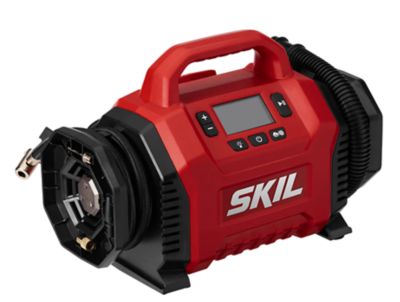
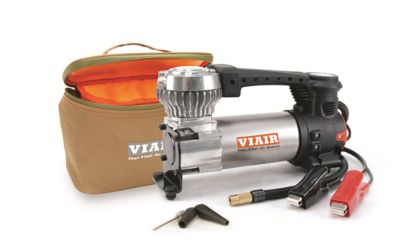
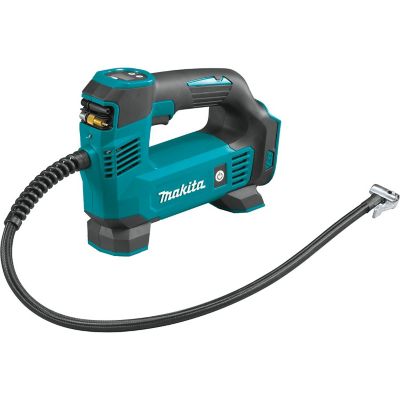
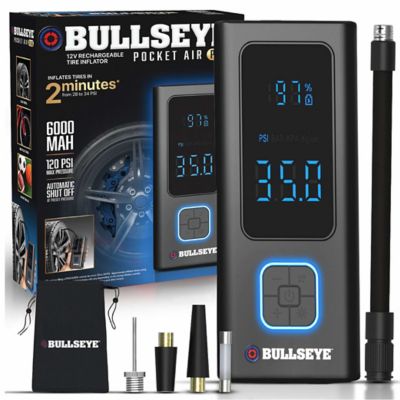
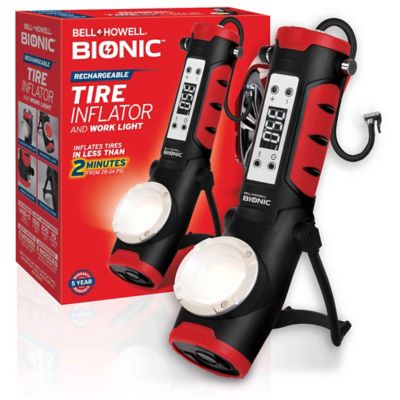
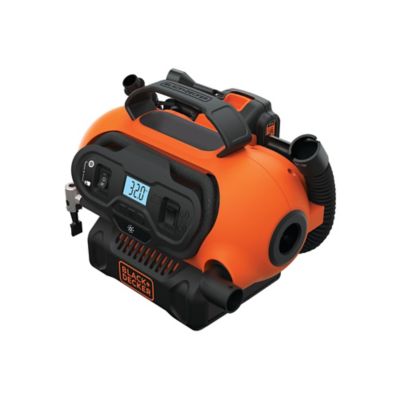
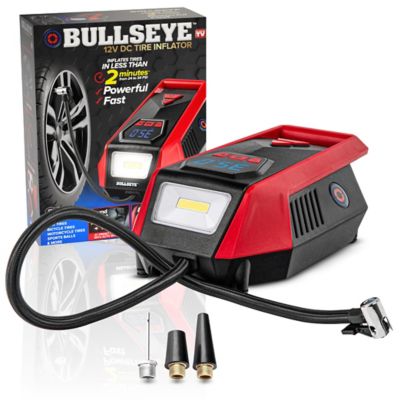
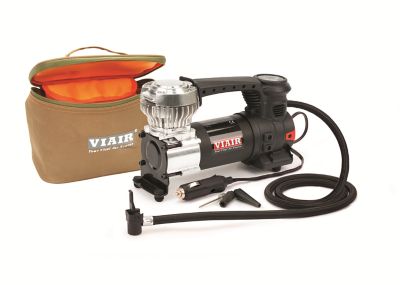
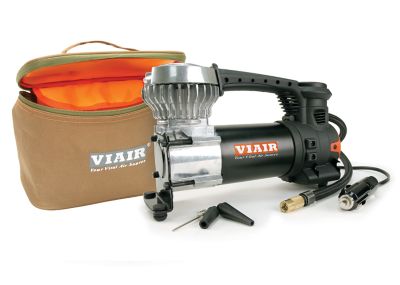
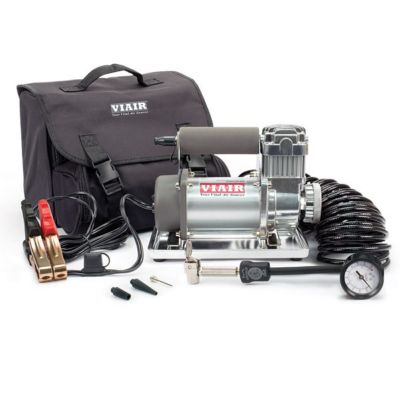
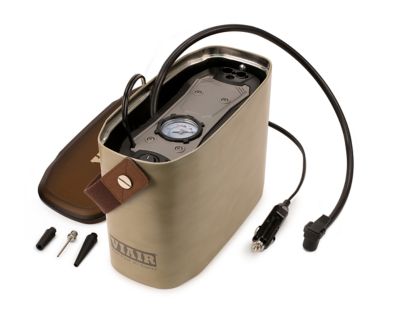
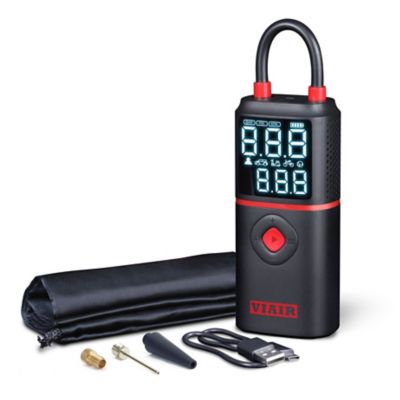
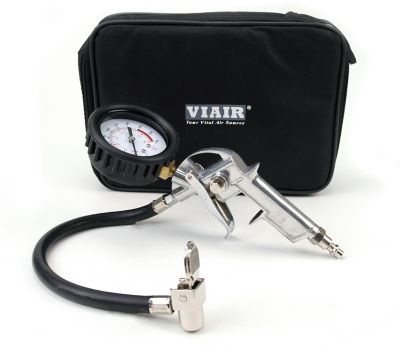
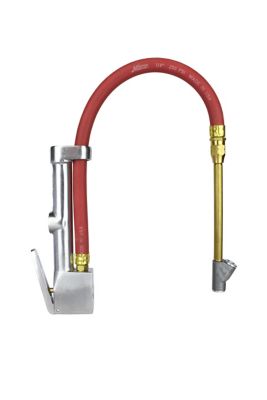
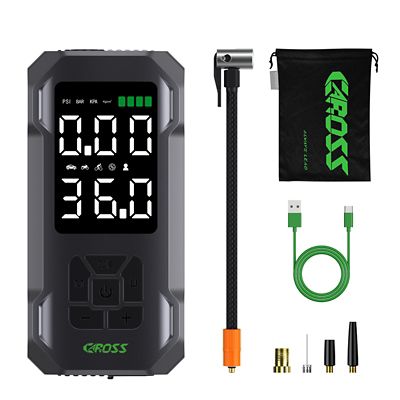
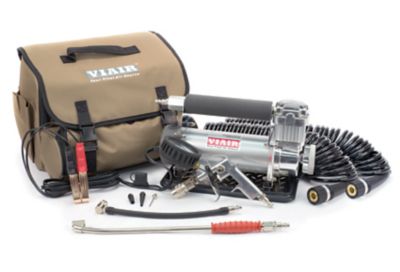
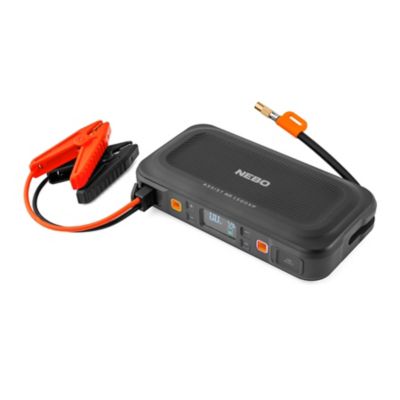
Air inflators for tires earn their place in a truck cab, garage cabinet, or farm shop by making routine tire upkeep easier to fit into a busy day. A low tire on the pickup, a utility trailer that needs attention before hauling fencing, or a wheelbarrow that has been sitting behind the shed can all call for a little extra air. The right equipment depends on more than the size of the tool. Tire volume, required pressure, power source, and distance from an outlet all help determine what makes sense for the job. Compact portable inflators suit drivers who want something easy to tuck away, while larger compressor-style options can make more sense around a shop where several tires need attention in one stretch. Cordless designs offer freedom around trailers, lawn equipment, and vehicles parked away from a building, though runtime depends on the battery and the amount of air being delivered. For equipment that accepts removable batteries, compatibility with the correct battery platform and charger matters just as much as the inflator itself. Vehicle-powered models draw from a compatible power outlet or connect to a battery, depending on their design and electrical requirements. Plug-in models fit work areas with suitable electrical service and room to reach the tires comfortably. An
air inflator with enough hose and cord length can save a lot of shuffling around, especially when a trailer is hitched or a vehicle is parked close to a wall. Reach matters at the valve stem, too: recessed valves, closely spaced spokes, and dual-wheel arrangements can require a particular chuck shape or an appropriate extension. For folks splitting their time between the driveway and the barn, portability includes practical details such as a balanced handle, onboard hose storage, and a shape that fits the space where the tool will ride. Those details help keep tire care within reach without turning a quick pressure adjustment into a search through the shop.
Pressure ratings tell only part of the story when comparing tire inflation equipment. A tool may reach a high maximum pressure yet move air slowly, which becomes noticeable when filling a larger truck or trailer tire. Airflow ratings, where provided, are most useful when considered alongside the pressure at which they are measured. Small top-offs on passenger vehicle tires place different demands on an inflator than adding substantial air to several larger tires. Large agricultural tires can require far more air volume than a compact unit is designed to supply in a practical amount of time. Duty cycle is another consideration: some inflators need rest periods between runs, while other designs support longer operating intervals within their stated limits. Matching those limits to the work helps avoid repeated interruptions halfway around a trailer. Gauge layout also affects everyday convenience. A clear digital display can be easy to read from above, while an analog dial offers a straightforward view of pressure without a separate electronic display. Preset shutoff, where included, lets an inflator stop at a selected setting, but the setting still needs to match the tire’s application. For passenger vehicles, the recommended inflation pressure generally appears on the vehicle placard or in the owner’s manual; the maximum shown on the tire sidewall is not the everyday target. Trailer, mower, and equipment tires have their own manufacturer specifications, including requirements related to load. A separate tire pressure gauge remains handy for routine checks and confirming readings. Valve connections deserve a close look as well. Threaded chucks screw onto the valve stem, while lever-lock styles clamp in place; either needs a sound seal and enough clearance to attach without straining the stem. Adapters may expand an inflator’s range to certain bicycle valves or other inflatables, but their presence does not mean every tool is suited to every tire. For bicycle tires in particular, valve type and the tool’s pressure range both matter.
Materials and construction make a difference when an inflator travels over gravel roads or shares a storage compartment with tie-down straps and work gloves. Protective housings help shield internal parts, metal components can support demanding applications, and rubber feet or cushioned bases can limit movement against a shop floor. Hoses need enough flexibility to reach awkward valve positions without sharp bends, along with a pressure rating suited to the equipment. A long hose can be handy beside a trailer, but sensible storage matters just as much; a tangled hose or pinched power cord can slow things down before the job starts. Carrying cases, cord wraps, and dedicated spaces for small adapters help keep the whole setup together. Routine care is mostly about keeping dirt out of connections, checking hoses and cords for damage, and storing the equipment in a clean, dry place according to the manufacturer’s directions. Many compressors also have ventilation needs, and tank-equipped designs may require draining and other maintenance described in their manuals. An inflator should have room to shed operating heat rather than run inside a closed bag or beneath a pile of gear. Sound level and vibration are worth considering for a tool that may run beside the driveway or inside a small shop, especially when several tires need attention. For a household with multiple vehicles, a landscaping crew moving between job sites, or a small acreage owner tending trailers and mowing equipment, the best fit is a setup sized for the regular workload rather than the biggest pressure number on the label. Tire inflators can also make practical gifts for a new driver, a weekend camper, or someone setting up a garage, provided the power source and tire requirements match their equipment. They belong alongside a pressure gauge and other basic vehicle supplies, not in place of tire inspection or repair. A tire that repeatedly loses pressure, shows visible damage, or will not hold air needs attention beyond another refill. With the right reach, connections, and operating capacity, an inflator becomes a straightforward part of keeping wheels ready for the next chore or trip.