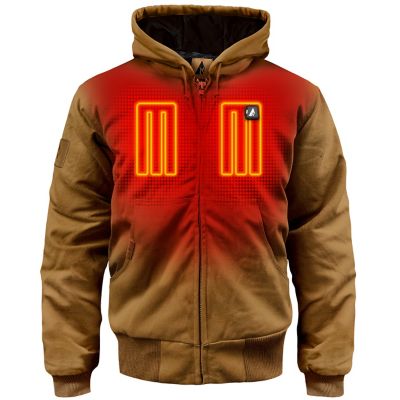
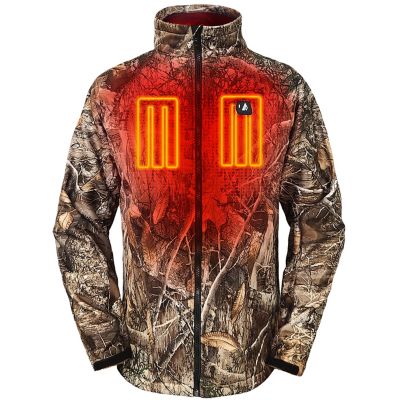
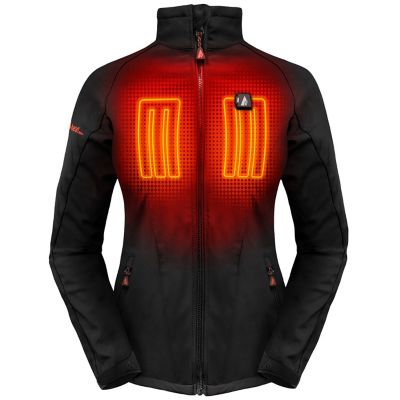
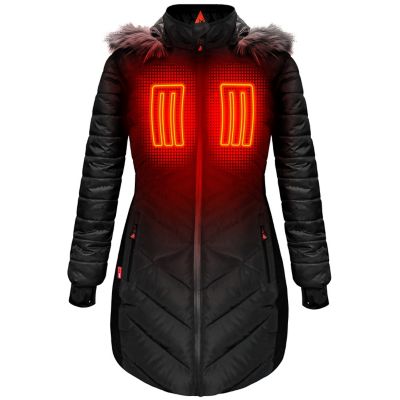
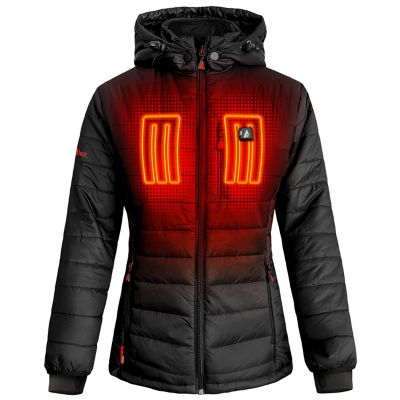
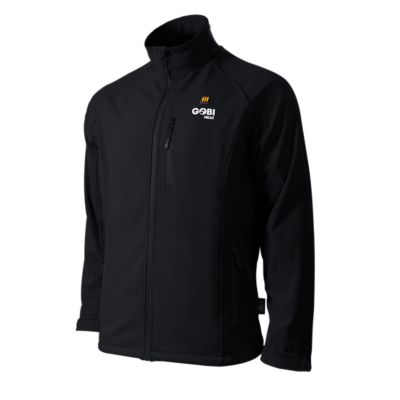
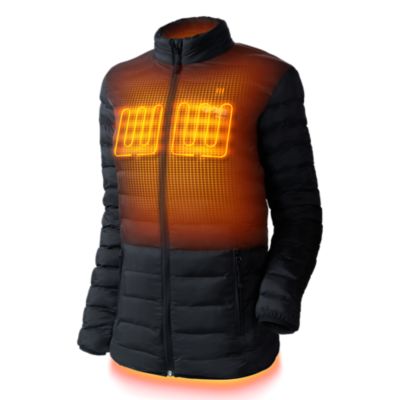
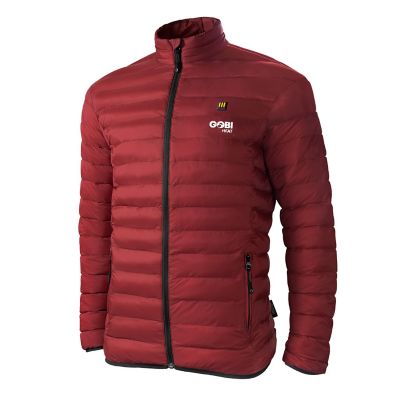
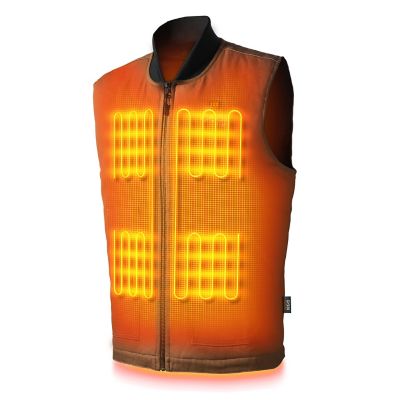
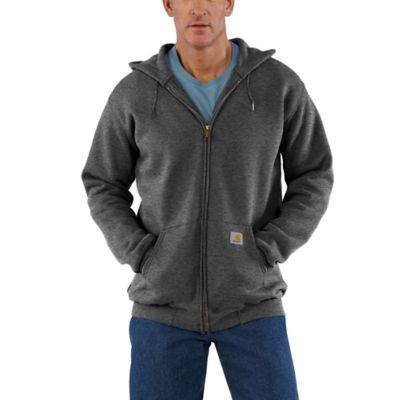
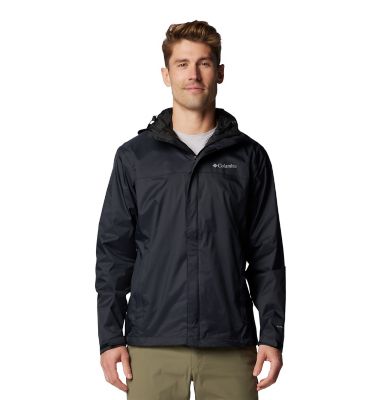
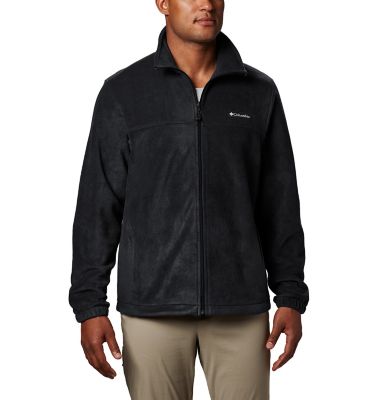
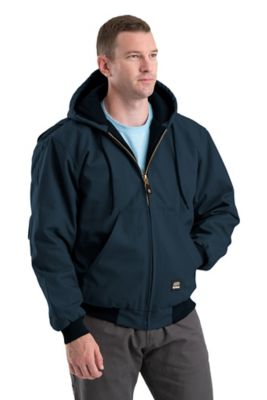
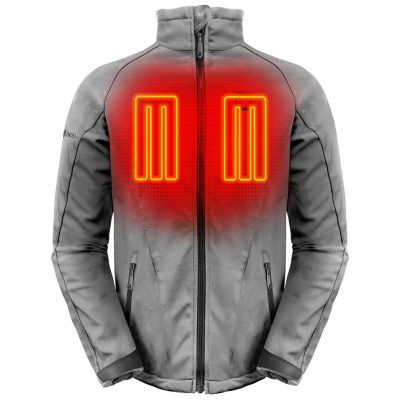
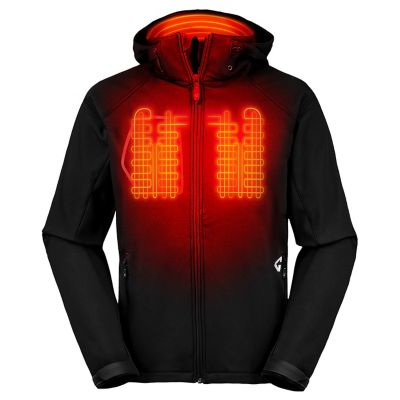
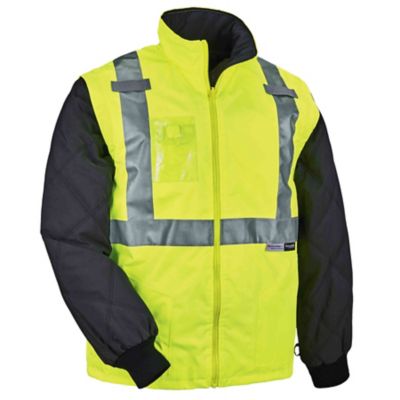
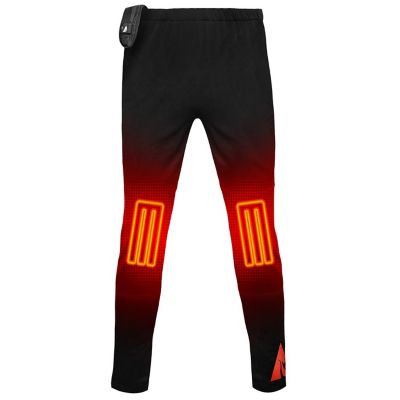
A heated work jacket combines the coverage of a work coat with battery-powered heating elements that add warmth around the body’s core. Depending on the design, those elements may sit across the chest, upper back, abdomen, or pocket areas, with adjustable settings that let the wearer change the heat as conditions shift. Many designs use flexible carbon fiber heating elements powered by a rechargeable battery carried in an inside pocket. That extra warmth can make a difference while checking fence lines, tending livestock, running equipment, or standing at an outdoor jobsite before the day gets moving. Unlike a standard insulated jacket, heated outerwear supplies warmth rather than depending entirely on trapped body heat, which can be helpful during stretches of lighter activity. It still needs to function as a good coat when the power is off: insulation, lining, shell construction, and coverage all matter when cold air settles in. Heating zones do not necessarily warm the entire garment, and a higher zone count alone does not tell the whole story. Their placement, the jacket’s fit, and how well the shell blocks wind all influence how that warmth feels. Someone moving between a chilly barn and an open pasture may appreciate adjustable heat, while a person handling steady physical work may favor lighter insulation and room to move. These jackets suit a range of outdoor routines, from farm chores and construction work to hauling firewood or watching a livestock show from cold metal bleachers. They can also make a practical gift for someone whose day regularly starts outside, provided the fit and battery requirements match that person’s needs. For shoppers comparing cuts within this category,
Men's Heated Jackets offer another place to explore heated outerwear suited to cold-weather routines. Across styles, the main appeal stays the same: warmth that can be adjusted without stopping to pull on another layer every time the wind picks up.
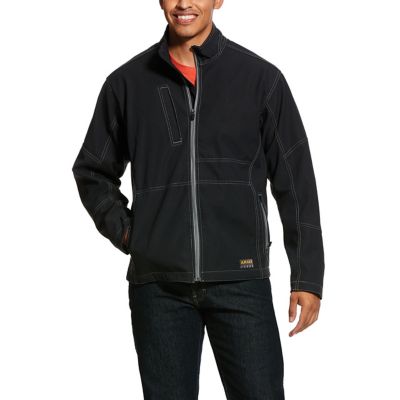
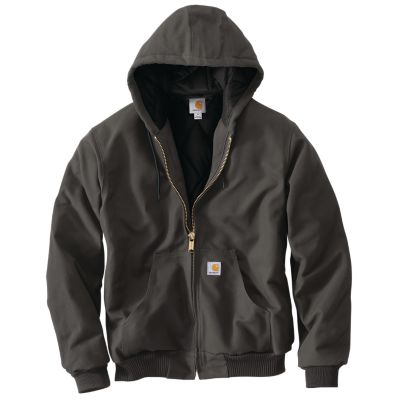
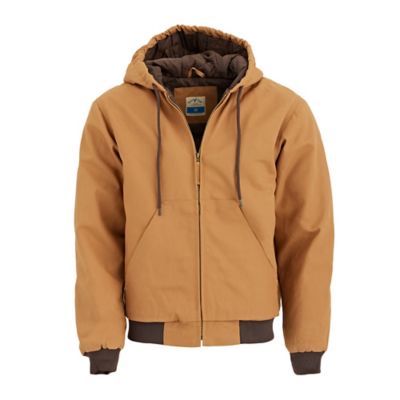
Shell materials shape how a heated work jacket handles the day’s chores. Cotton duck has a substantial feel that suits everyday contact with rough lumber, feed sacks, and barn surfaces, though fabric weight and construction vary. Polyester softshell fabrics often offer a less restrictive feel, and some include stretch for reaching overhead or bending at the waist. Ripstop fabric incorporates a reinforcing grid intended to help limit the spread of small tears, but no everyday work jacket is immune to sharp wire or exposed nails. Reinforced elbows, sturdy stitching, and well-supported pocket openings can help a coat stand up to repeated wear in high-contact areas. A water-repellent finish may shed light moisture, while waterproof protection depends on the full garment construction, including seams and closures. Wind resistance matters, too, especially on an open lot where moving air can carry warmth away quickly. Inside, fleece or synthetic insulation can add warmth when the heating system is switched off, with heavier insulation generally trading some breathability and freedom of movement for greater coverage against the cold. Fit brings all those features together. Heating panels generally work best when they sit near the body, following the maker’s fit guidance, rather than hanging loosely over large air gaps. At the same time, the jacket needs enough room for a base layer and comfortable movement through the shoulders, elbows, and back. Reaching for a gate latch, climbing into a truck, and crouching beside a water trough all put different demands on the cut. Adjustable cuffs and hems can help manage drafts, while a longer back can maintain coverage during bending. A hood offers additional shelter where appropriate, but its fit should not interfere with visibility or required head protection. Pocket placement also deserves attention: a battery pocket that feels fine while standing may press against the hip while seated. Hand pockets, secure storage, and glove-friendly zipper pulls add everyday convenience without changing the jacket’s primary job of keeping the wearer covered and comfortable.
Battery compatibility and care are just as important as fabric and fit in a heated work jacket. Some heating systems operate with designated cordless-tool batteries and an approved adapter, while others require a particular rechargeable power bank or a battery made for heated apparel. A matching connector alone does not establish compatibility; voltage, output, and manufacturer approval need to line up. Battery capacity, heat setting, heating-zone configuration, and outdoor temperature all affect runtime, so an advertised maximum should not be treated as a promise of all-day warmth on the highest setting. Lower settings generally stretch a charge further, while higher settings draw more power. For a day that alternates between driving a tractor and working on foot, accessible controls make it easier to adjust warmth as activity changes. A compact battery may feel less noticeable at the waist, while a larger compatible pack may offer more runtime at the expense of extra weight. Whether a battery and charger are included varies by jacket, making those details worth checking alongside charging requirements. Any phone-charging capability also depends on the battery system and shares its stored energy with the heating function. Once chores are done, care needs to follow the garment label and heating-system instructions rather than assumptions about ordinary workwear. Some heated jackets permit machine washing after the battery is removed and connections are secured as directed; others call for different cleaning methods. Bleach, fabric softener, dry cleaning, and dryer heat may be restricted. The jacket and electrical connections need to be fully dry before reconnecting power, and worn wiring, damaged connectors, or a swollen battery call for taking the heating system out of service. Storage matters as well, with batteries kept according to their charging and temperature instructions rather than left in a damp barn corner. For welding, electrical hazards, or work requiring flame-resistant clothing, ordinary heated outerwear is not a substitute for the specified protective gear. Matched to the work and cared for as directed, a heated work jacket adds adjustable warmth to a familiar cold-weather layer, whether the day involves long stretches at a gate or one last round through the barn.