Thermal Layers For Outdoor Halloween Events
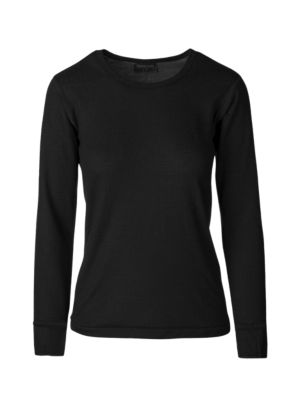
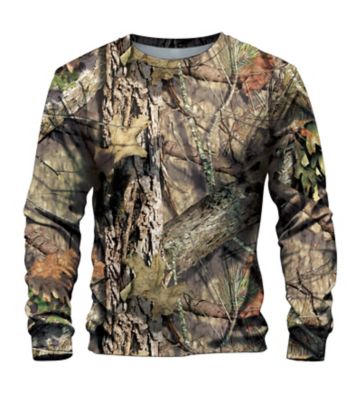
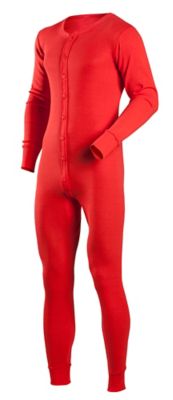
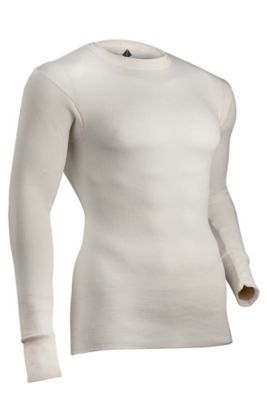
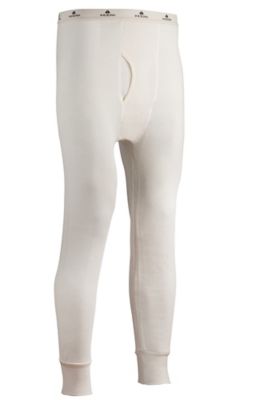
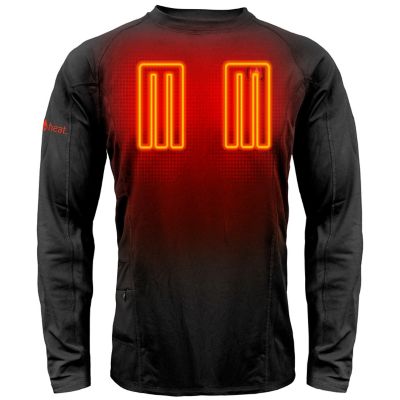
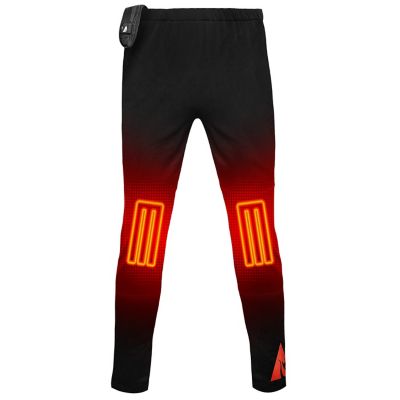
Thermal Layers For Outdoor Halloween Events are a must-have when the fall air turns crisp and you’re planning to spend the evening outside. Whether you’re taking the kids trick-or-treating, hosting a bonfire, or just enjoying spooky season under the stars, staying warm makes all the difference. Layer up so you can focus on the fun instead of the chill, and make sure your whole crew is ready for whatever autumn weather comes your way.
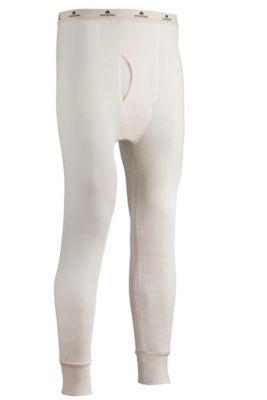
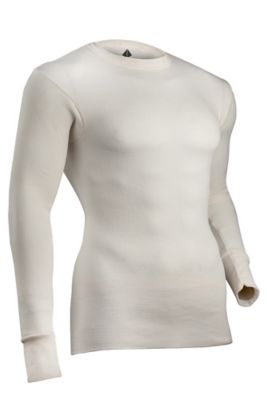
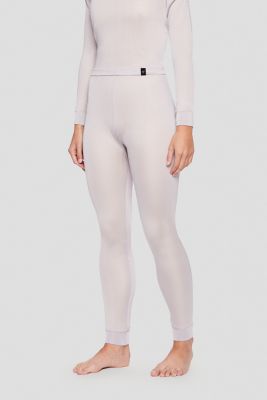
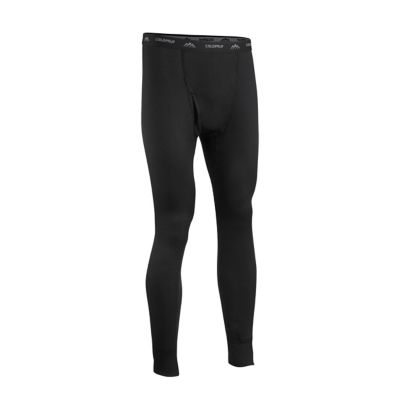
$19
.59
Sale Was $27.99 Save $8.40 (30%)
$19
.59
Sale Was $27.99 Save $8.40 (30%)

Best Of FAQ
What are thermal layers and why are they important for outdoor Halloween events?
Thermal layers are clothing items designed to retain body heat and wick moisture away from the skin. They are important for outdoor Halloween events because they help keep you warm and comfortable during chilly fall evenings, allowing you to enjoy festivities without feeling cold.
How do I choose the right material for thermal layers for outdoor activities?
When selecting thermal layers for outdoor Halloween events, look for materials like merino wool, polyester, or blends that offer both insulation and moisture-wicking properties. These fabrics help regulate your body temperature and keep you dry even if you become active or the weather changes.
Can thermal layers be worn under costumes or regular clothing?
Yes, thermal layers are designed to be lightweight and form-fitting, making them easy to wear under costumes or everyday clothes. This allows you to stay warm without interfering with your Halloween outfit.
Are there different types of thermal layers for various weather conditions?
Thermal layers come in different weights, such as lightweight, midweight, and heavyweight options. Lightweight thermals are suitable for mild temperatures, while midweight and heavyweight options provide extra warmth for colder conditions often experienced during late October.
How should I care for my thermal layers after wearing them outdoors?
To maintain the performance of your thermal layers, follow the care instructions on the label. Generally, it's best to wash them in cold water with mild detergent and avoid using fabric softeners. Air drying or tumble drying on low heat helps preserve their insulating properties.
Best Sellers
-
"Great T shirt, Comfortable, nice fit and very nice print on T"
-
"Great product. Best price out of all the other box stores"
-
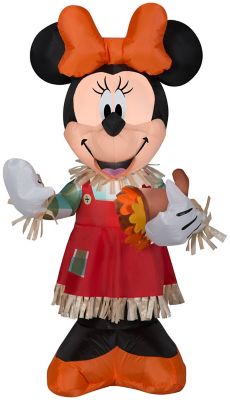
"Love it! Not very big, but very cute with Mickey and an inflatable turkey"
-
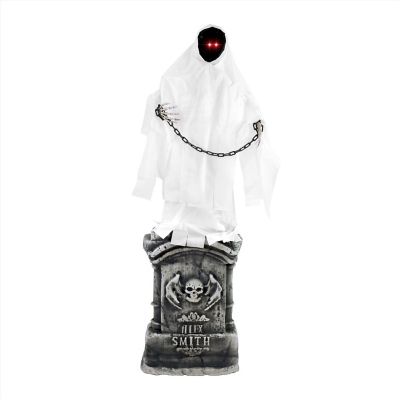
"It looked absolutely great! It was easy to assemble and was a great Halloween decoration"
-
"I love them though, super cute lights regardless"