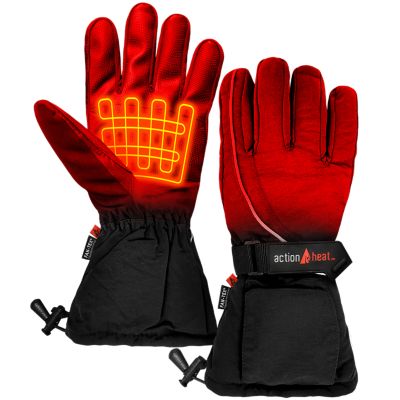
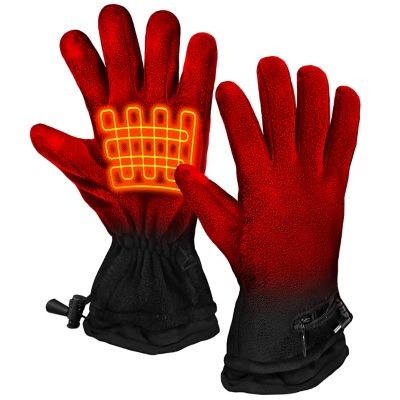
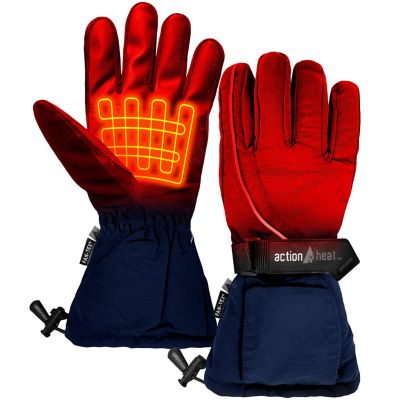
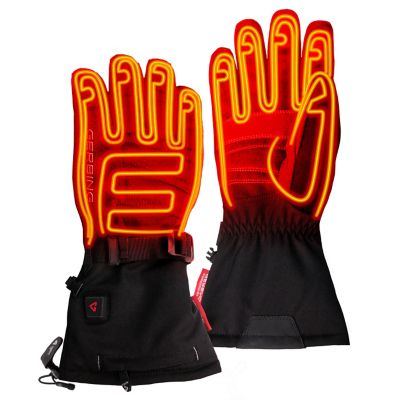
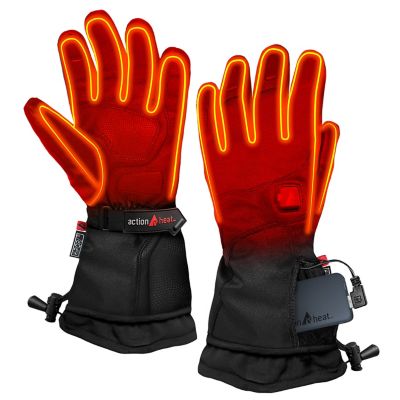
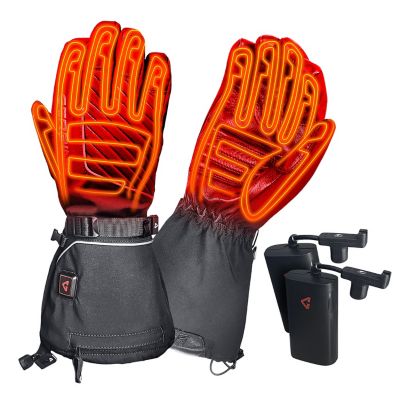
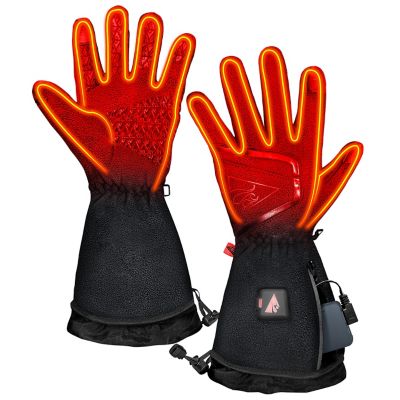
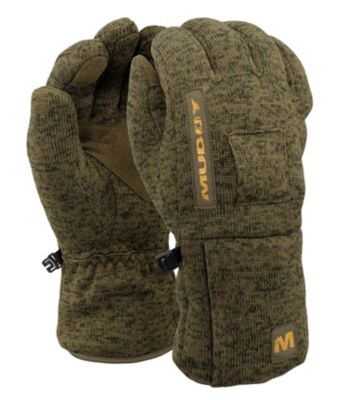
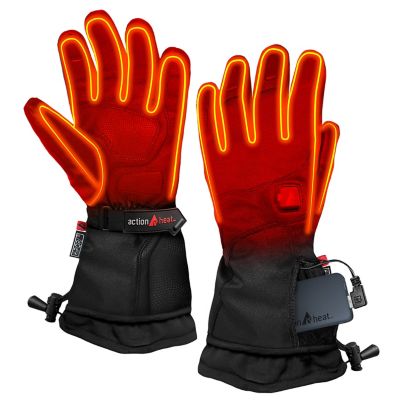
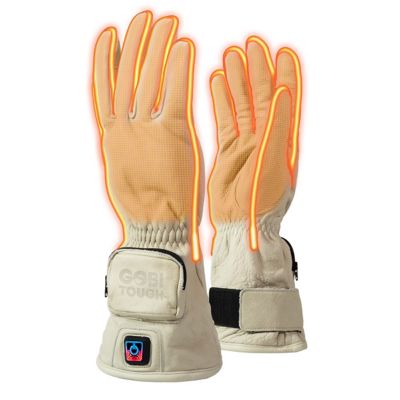
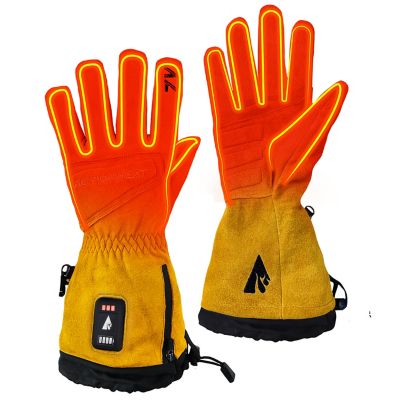
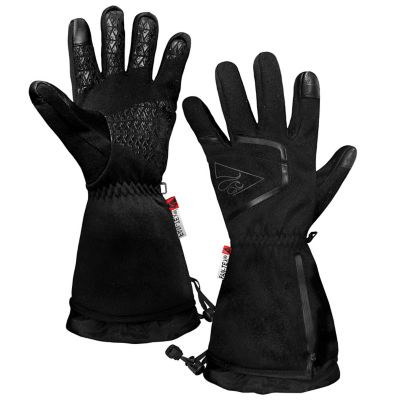
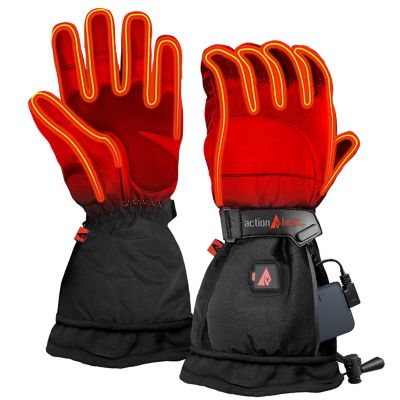
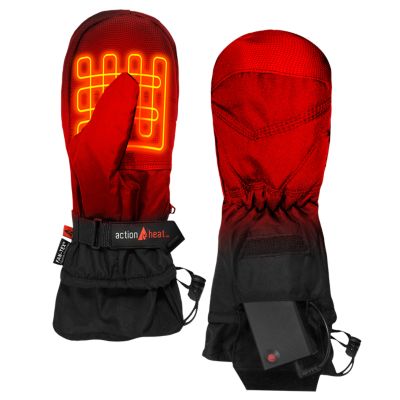
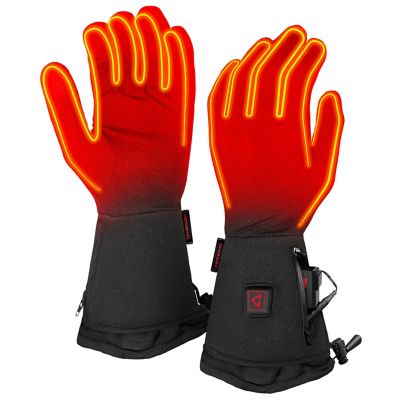
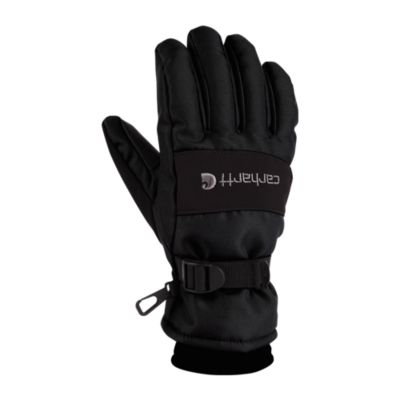
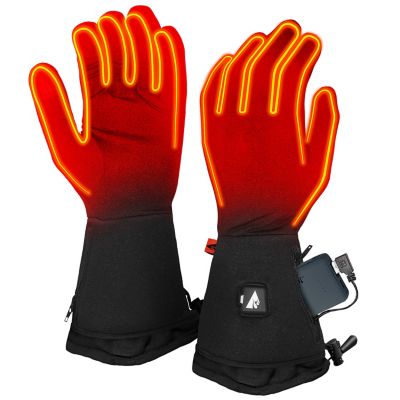
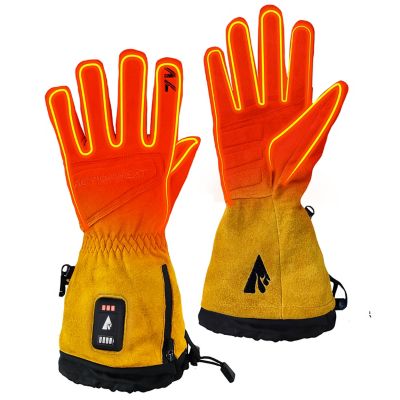
Thermal heated gloves combine insulation with a powered heating system to help keep hands warm when cold air, wind and long stretches outside make ordinary gloves feel like too little. Insulation slows heat loss, while small heating elements add warmth in designated areas of the glove. Many battery-heated gloves run on rechargeable packs tucked into pockets near the cuffs, with controls that let the wearer adjust the heat level. Coverage varies by design: some heating elements warm the backs of the hands, while others extend along the fingers and thumbs. That distinction matters when fingertips are the first thing to get cold while carrying feed buckets, walking fence lines or clearing snow from a driveway. Thermal insulation alone does not generate heat, so the power source and heating layout are worth checking alongside the lining and shell material. Battery runtime also varies with the heat setting, battery capacity, outdoor temperature and condition of the battery. A lower setting generally stretches a charge farther than a higher setting, but any stated runtime belongs to the particular glove and its testing conditions, not to heated gloves as a whole. Adjustable warmth can be handy for chores that alternate between steady movement and standing still, such as hauling bedding before waiting at a gate for livestock to come through. Controls placed where the opposite gloved hand can reach them make those changes simpler. For someone heading out before daylight or spending an afternoon on the sidelines, the balance between warmth, weight and finger movement often matters more than the highest heat setting. Heated gloves can also suit hunting, ice fishing, snowshoeing and other cold-weather activities, provided their construction fits the demands of the outing. They add another layer of comfort, but they do not replace breaks, dry clothing or protection from prolonged exposure. Hands still need attention when temperatures drop, even when the heat is switched on.
The shell, insulation and palm construction shape how thermal heated gloves feel through a full round of chores. Leather palms can provide a supple gripping surface, though leather generally needs care appropriate to its finish to prevent drying and cracking. Synthetic shells can offer lighter weight and flexibility, while reinforced areas at the palms, fingertips and thumb joints help address wear where hands repeatedly meet handles, ropes and gates. A soft fleece or brushed lining can feel comfortable against the skin, and insulation adds warmth even when battery power is off. More padding is not always the better fit for every task: a thick glove may feel welcome while riding on an open utility vehicle but make it harder to work a small zipper or clip a leash. Curved fingers and well-placed seams can make gripping feel less stiff. Water-resistant outer materials help shed light moisture, while a waterproof membrane offers a different level of protection; neither description should be assumed without checking the glove’s stated features. Snow melting on a cuff, damp rope and wet equipment handles can all put moisture protection to the test. Breathable construction helps manage moisture from within, although heavy exertion can still leave linings damp. Long cuffs can overlap jacket sleeves to help block drafts and loose snow, while shorter cuffs may tuck more easily beneath a coat. Wrist adjustments help hold the gloves in place without requiring an overly tight fit. The right size leaves room for natural finger movement without extra material bunching across the palm. Fingertips pressed hard against the ends, tight seams or a squeezed wrist can make a warm glove uncomfortable and may restrict circulation. Measuring hand circumference and length against the sizing chart is a better starting point than assuming every style fits alike. For shoppers comparing fit options,
Men's Heated Gloves offers a related category to consider, with sizing and proportions still worth checking for each design. Battery placement deserves attention, too, especially where a coat sleeve overlaps the cuff.
Everyday details often decide whether heated work gloves feel practical once the chores get going. A textured palm can help with a shovel handle or wheelbarrow grip, but no glove can guarantee traction on ice, oil or a slick surface. Touchscreen-compatible fingertips may make a quick phone check easier, though performance depends on the glove, screen and fit. Battery pockets should close securely, and charging connections should be protected as directed by the manufacturer. Charging time, battery weight and whether the power packs can be removed are useful considerations for anyone planning longer outings. Only batteries and chargers approved for the glove should be connected, and damaged wiring, swollen batteries or worn connections call for stopping operation rather than trying to finish one more chore. Heated gloves are not automatically rated for welding, electrical work, chemical handling or protection around moving machinery. Those jobs call for task-specific protection, and loose cuffs or extra fabric can create hazards near rotating equipment. Care also differs from ordinary winter gloves because heating elements, connectors and batteries need protection. Cleaning instructions may call for spot cleaning or permit a particular washing method after battery removal; machine washing should never be assumed safe. Drying directions matter just as much. Direct heat from a stove, radiator or clothes dryer can harm materials or electrical components unless the manufacturer expressly permits that method. Letting gloves dry thoroughly between outings helps keep the lining comfortable and gives seams and palm surfaces a chance to air out. Before storage, batteries need the charging level and conditions specified in their instructions rather than a guess based on other electronics. For gift giving, thermal heated gloves can be a thoughtful choice for someone who feeds animals before sunrise, spends weekends fishing through the ice or walks the dog along a windy lane. Hand measurements, preferred cuff length and the kind of work or recreation they enjoy make the choice more personal and practical. A pair matched to the wearer’s routine brings together manageable controls, a comfortable fit and warmth where it matters, without getting in the way of the job at hand.