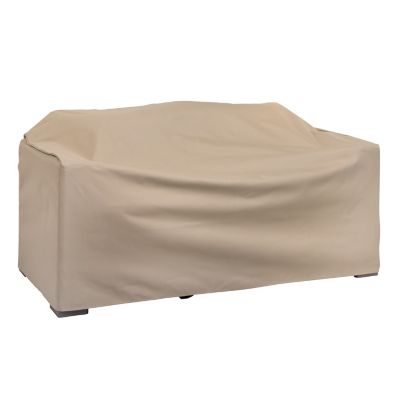
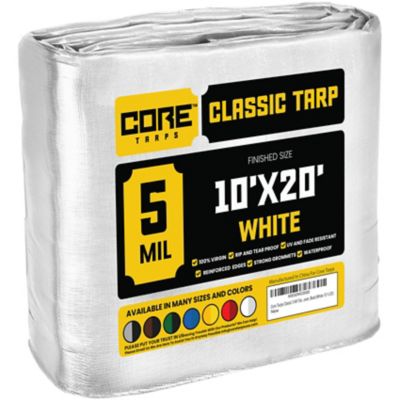
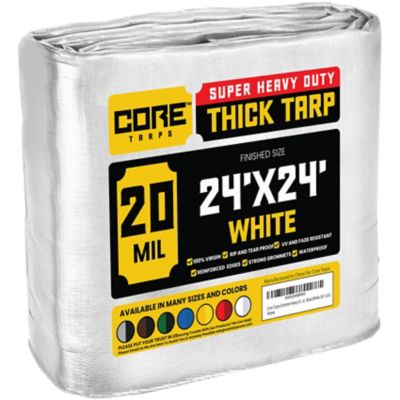
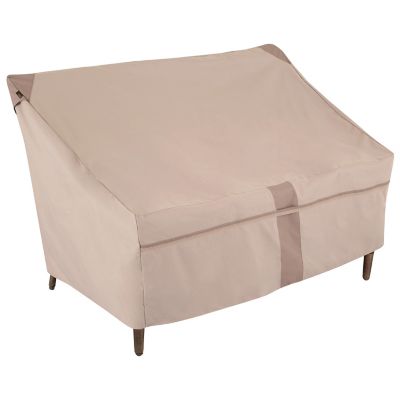
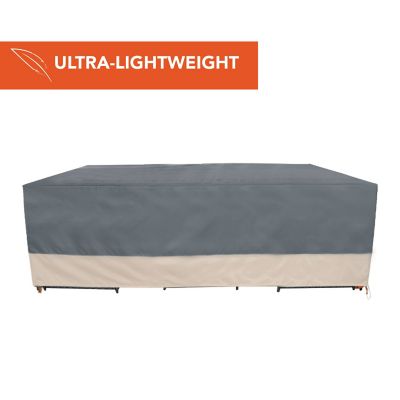
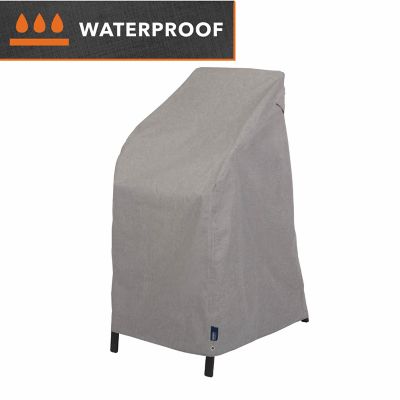
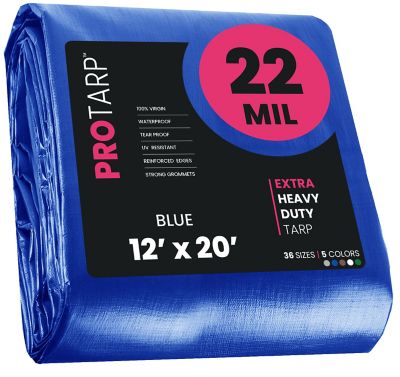
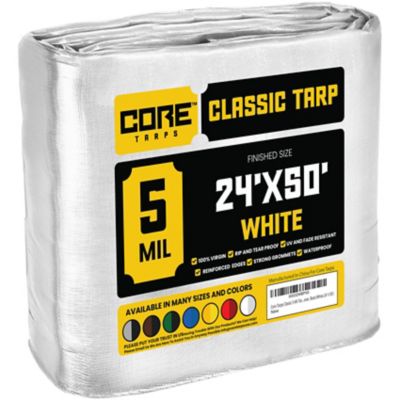
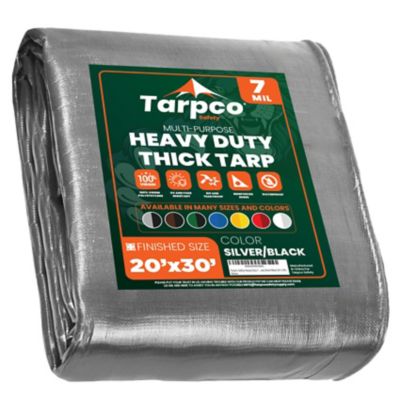
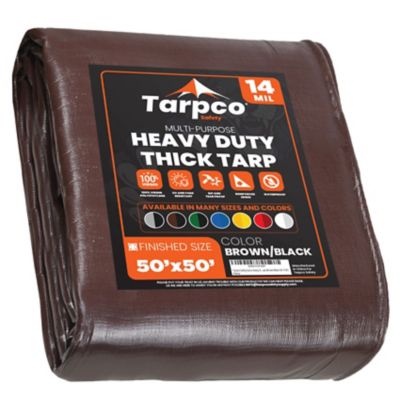
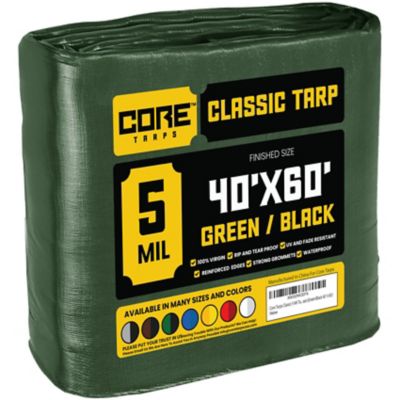
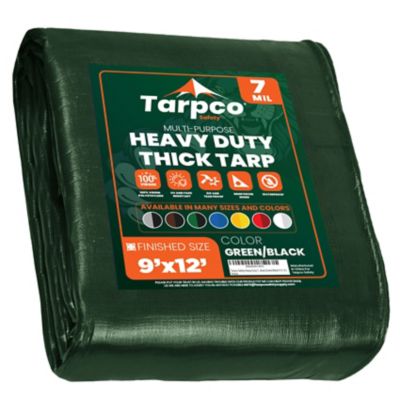
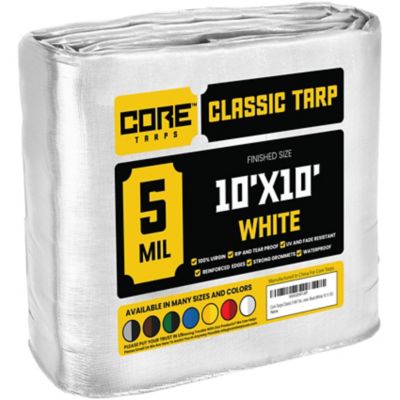
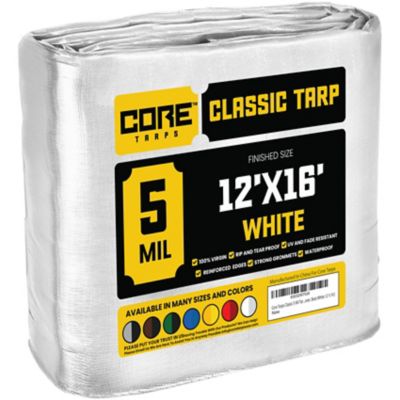
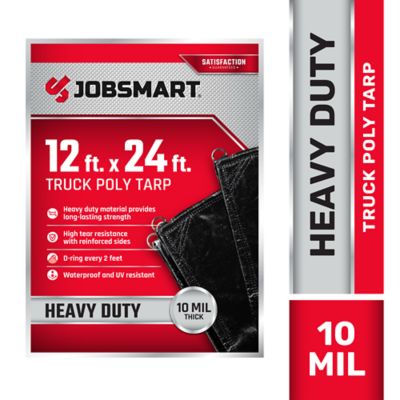
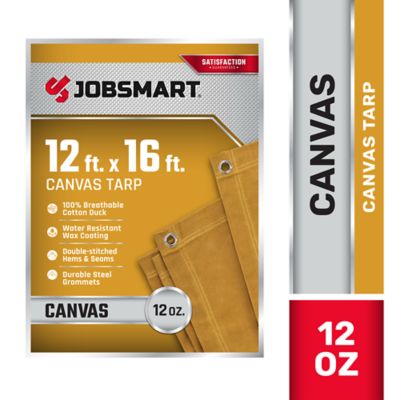
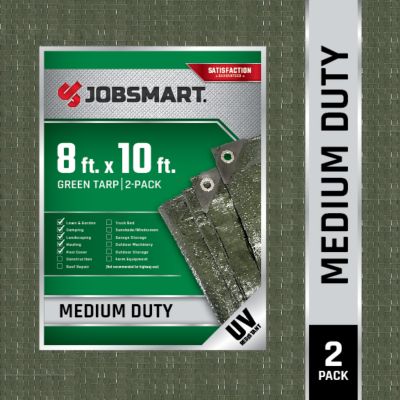
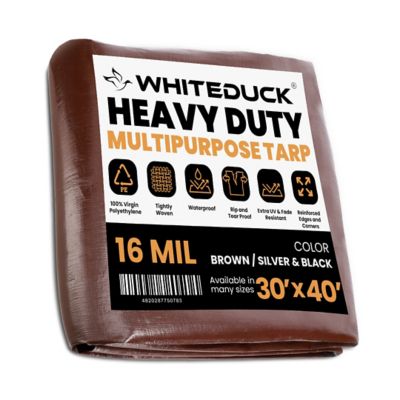
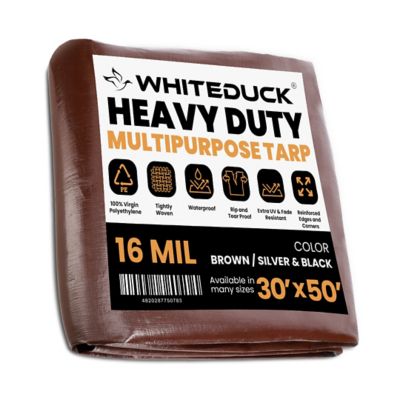
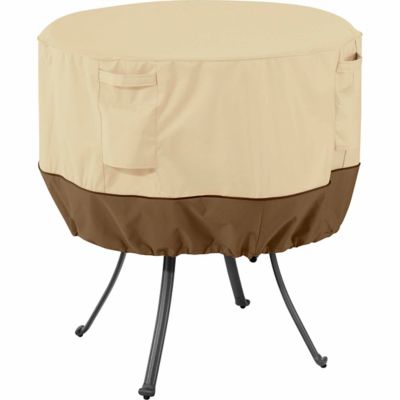
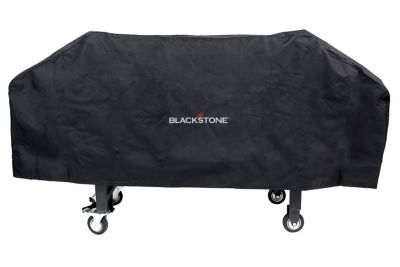
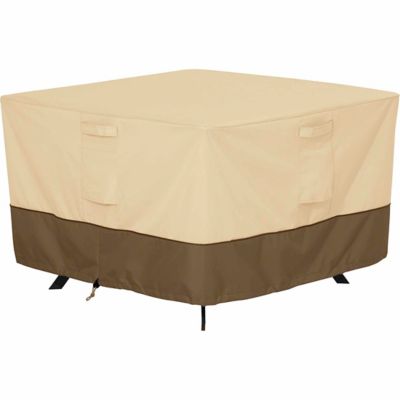
Tarp covers for patio furniture help keep outdoor seating, tables and other pieces cleaner and drier when the weather turns rough. A sturdy cover can shield furniture from rain, melting snow, morning dew, windblown dirt and falling leaves, while also helping limit sun fading during brighter stretches. They are useful for more than a wide patio set, too. A tarp-style cover may work well for a porch swing, outdoor sofa, dining table, chairs, benches, firewood-side seating or furniture stored near a barn, shed or garage. Families with a backyard gathering spot, renters with a small balcony, homesteaders protecting a covered porch and anyone who likes to leave patio furniture set up between seasons can all benefit from having the right cover close by. They also make a practical housewarming gift for someone with a new deck or a thoughtful addition to a gift for a neighbor who enjoys grilling and outdoor meals. Before choosing one, take a few measurements rather than relying on the furniture’s general description. Measure the full width from side to side, the depth from front to back and the height from the ground to the tallest point. Include chair backs, table edges and armrests in those measurements, and allow enough room for the cover to drape over the furniture without being stretched tight. A cover that is too small may leave corners exposed, while one that is much too large can collect water and flap loudly in the wind. If several pieces stay together, measure them as one group and account for the extra height created by stacked chairs or cushions.
Material and construction are just as important as size. Look for a waterproof or water-resistant outer layer that can stand up to wet weather, along with fabric made to handle outdoor exposure. UV-resistant material helps reduce fading, brittleness and cracking when furniture sits in the sun for long periods. Reinforced seams and strong hems are useful in places that take the most strain, especially around corners and fastening points. Grommets, buckles, hook-and-loop closures, drawstrings or adjustable straps can help hold a cover in place when a gust moves across the yard. A secure fit matters on open decks and rural properties where wind can travel across fields with very little to slow it down. At the same time, avoid cinching a cover so tightly that air cannot circulate beneath it. Ventilation flaps or air vents allow trapped moisture to escape and can help reduce the damp conditions that lead to mildew, musty odors and surface damage. Covers should go over clean, dry furniture whenever possible. Brush away leaves, dust and bird droppings first, and let wet surfaces dry before covering them. Soft cushions are best stored indoors or in a dry storage area during prolonged wet or freezing weather, since a flat tarp may keep rain off the top while allowing dampness to remain underneath. For furniture with a glass tabletop, inspect the cover’s inside surface for grit before putting it on, as dirt caught between the cover and glass may leave scratches when the wind shifts the fabric.
The best way to use a tarp cover is to treat it as part of a simple outdoor furniture routine rather than a set-it-and-forget-it solution. After a storm or strong wind, check that the cover is still centered, the fasteners are attached and water has not pooled in a low spot. Brush off standing leaves and snow with a soft broom, and avoid dragging heavy ice across the fabric. During stretches of dry weather, lift the cover for a while so fresh air can move around the furniture and any hidden moisture can evaporate. If the cover becomes muddy, follow its care instructions and allow it to dry completely before folding it for storage. Keep folded covers in a dry place away from sharp tools, fuel, rodents and excessive heat. Many households use one cover for everyday protection and bring it out more fully during the cooler months, while others cover furniture whenever the patio is not in use. A breathable, properly secured cover can be especially helpful in fall and winter, when damp leaves, overnight frost and changing temperatures make outdoor surfaces dirty and slippery. For a broader selection of protection ideas for outdoor seating and dining areas, visit
Garden Furniture Winter Covers. Whether the goal is to keep a favorite porch chair ready for a quiet cup of coffee, protect a dining set between family cookouts or make spring cleanup easier, choosing the right size, durable material, dependable fasteners and useful ventilation will help patio furniture stay in better shape through changing weather.