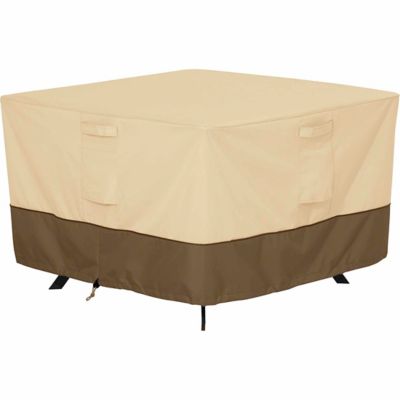
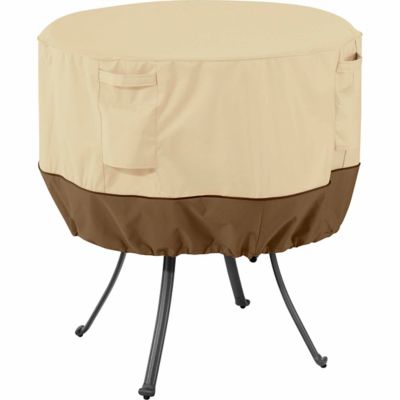
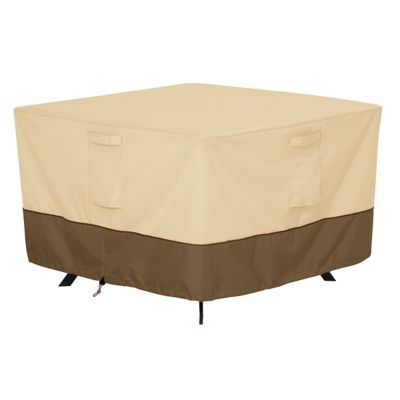
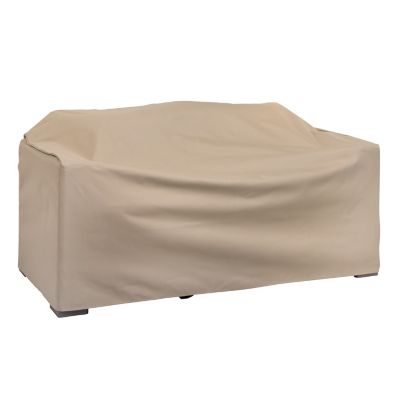
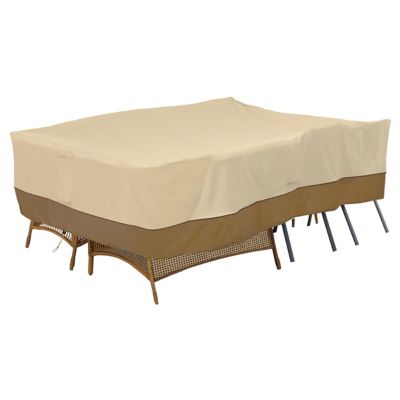
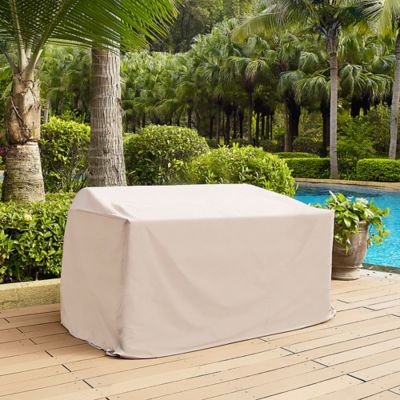
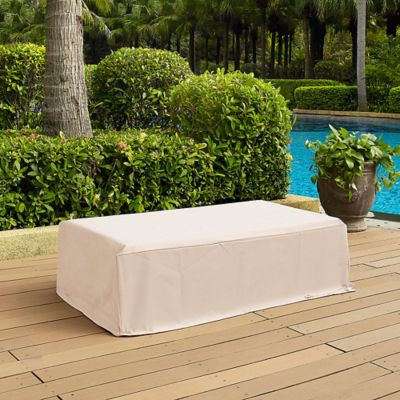
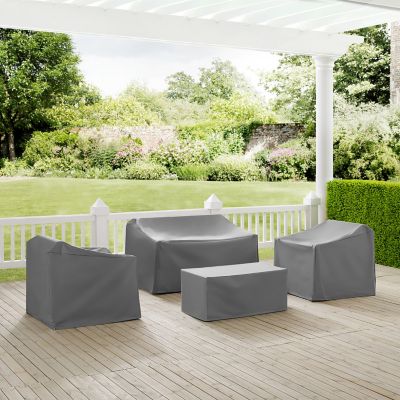
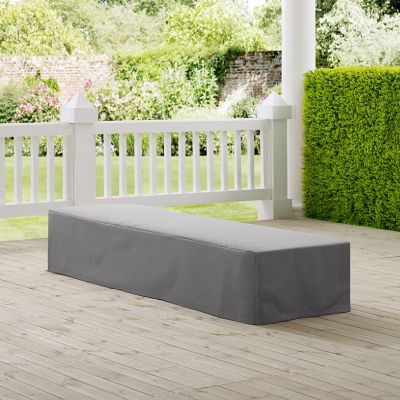
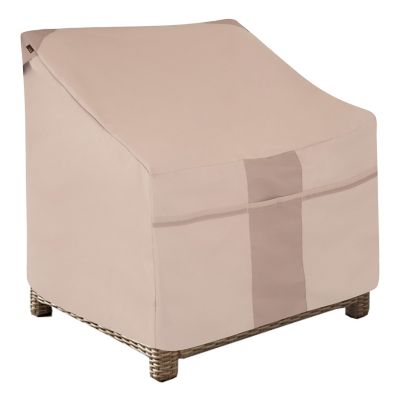
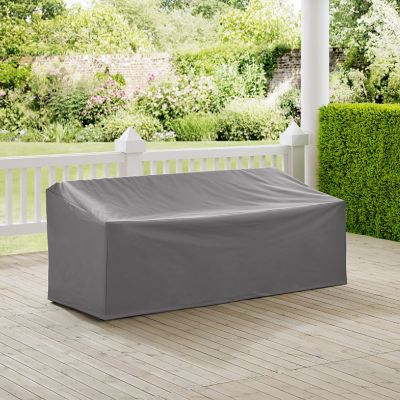
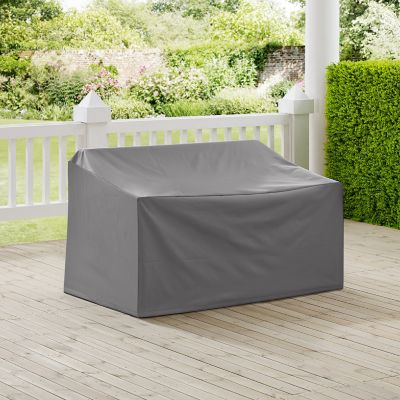
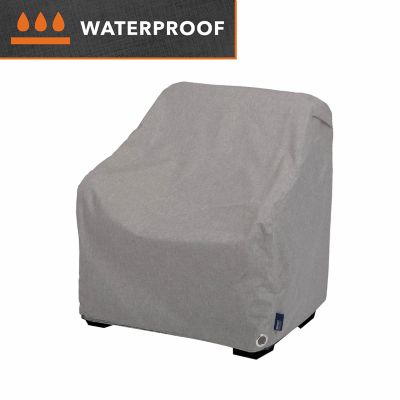
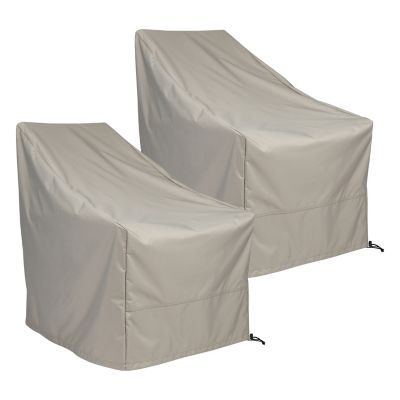
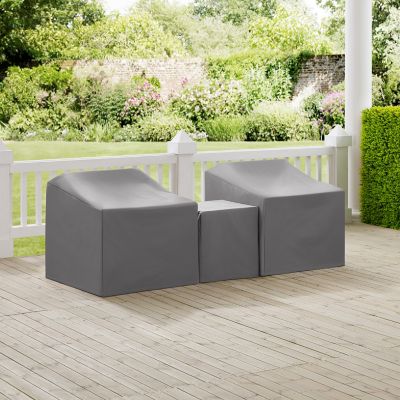
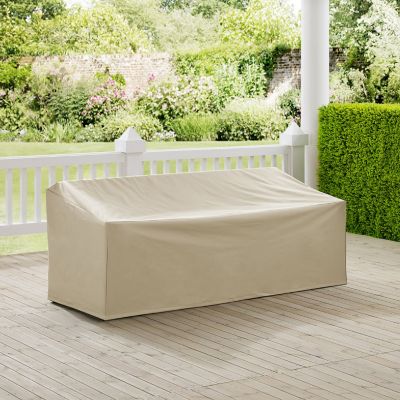
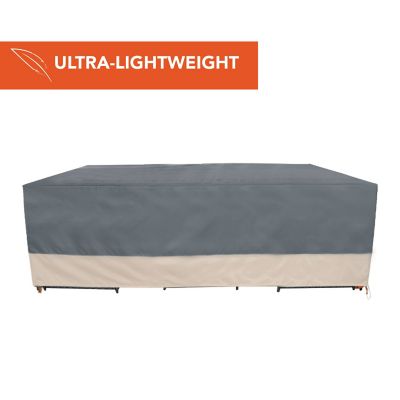
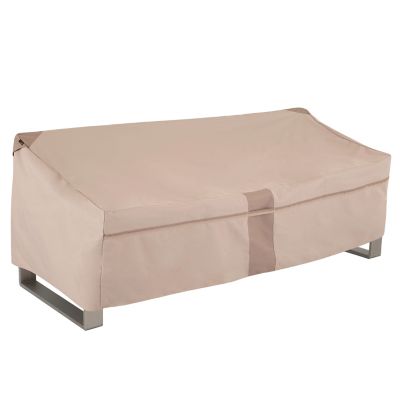
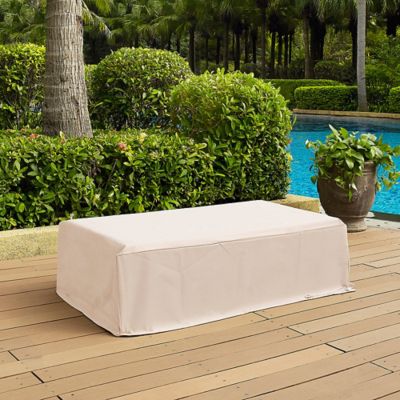
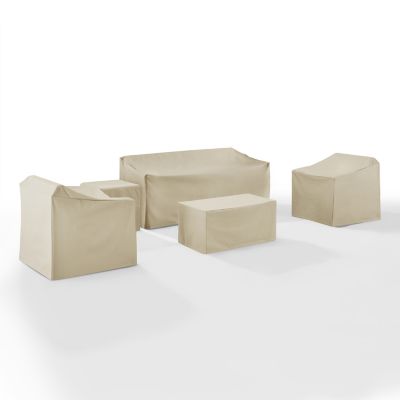
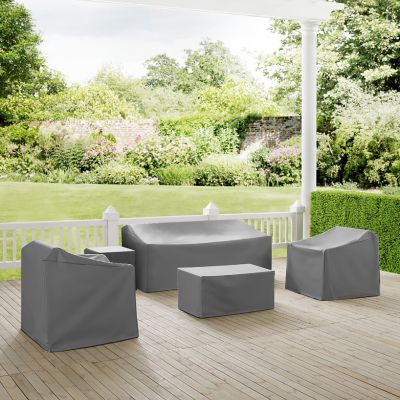
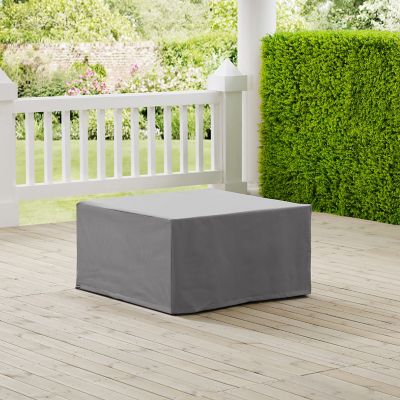
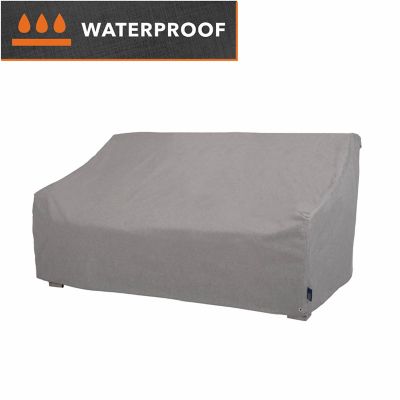
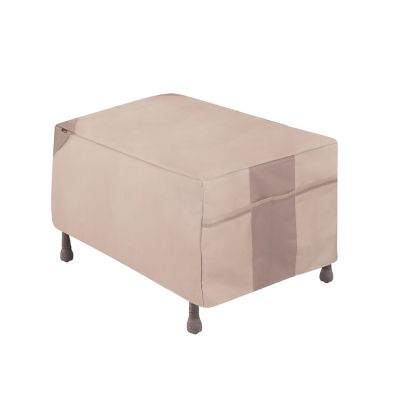
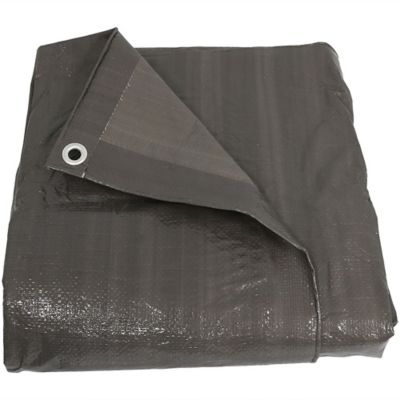
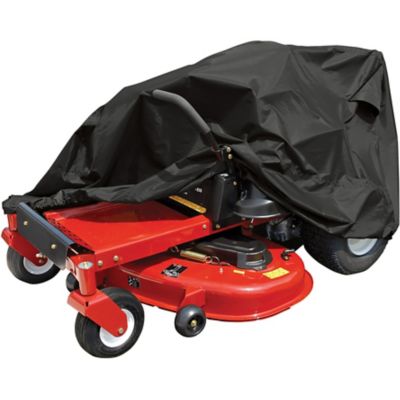
Garden furniture winter covers help keep outdoor seating and dining pieces in better shape through rain, snow, sleet, ice, wind, and the everyday grime that comes with cooler weather. A good cover can shield tables, chairs, benches, patio sofas, loungers, and other garden furniture from water and fading while cutting down on the scrubbing and drying needed when it is time to use the space again. They are useful for anyone with a porch, patio, deck, gazebo, fire pit area, or outdoor dining spot, whether you live where winter brings heavy snow or where the main concern is steady rain and damp air. Covers are also handy during late summer and fall, when sudden storms, falling leaves, muddy paws, and dusty yard work can leave furniture looking rough before the season is over. Many people use them to protect a favorite porch set that has been passed down through the family, while others keep a new patio arrangement looking tidy between gatherings. They can even make a practical gift for a homeowner, gardener, camper, or anyone who enjoys sitting outdoors but does not have room to move full-size furniture into a shed or garage. Before shopping, take a few minutes to measure each piece while it is fully assembled. Record the width from side to side, the depth from front to back, and the height from the ground to the tallest point. For a table and chair set, check whether the chairs will be pushed underneath or covered separately, and allow for details such as armrests, chair backs, umbrellas, and table legs. A cover that is slightly roomy is generally easier to put on and remove, but one that is far too large can collect water, flap in the wind, or drag across the ground. The right fit should leave enough space for the furniture shape without creating a loose sail during a blustery afternoon.
Material and construction matter when choosing garden furniture winter covers. Polyester and Oxford fabric are popular choices because they are lightweight enough to handle without a second person while still offering dependable protection when made with a waterproof PU or PVC coating. For regular seasonal use, look for sturdy fabric in the 300D to 600D range, reinforced seams, and a finish designed to resist water. Heavier material may be useful for furniture that stays outside through rough weather, especially in an open yard with little shelter from wind. Built-in air vents are another important feature. A cover needs to keep rain out while allowing some airflow, since warm, damp air trapped underneath can lead to condensation, mildew, or a musty smell. Vents placed along the sides or upper portion can help reduce that trapped moisture, though they do not replace good care and occasional airing. Secure closures are just as important as the fabric itself. Adjustable drawstrings around the bottom help cinch the cover close to the furniture, while click-close buckles, hook-and-loop straps, or leg clips can help keep it in place when the wind picks up. If your patio sits in an exposed area, choose a design with more than one adjustment point so the cover stays anchored around the base rather than lifting from the corners. Smooth, rounded furniture may need extra attention because wind can work underneath a loose edge. Covers with handles are convenient for pulling them on and off, and storage bags can help keep the folded cover clean when the furniture is in use. If you are comparing sizes, do not rely on a product name such as “sofa” or “dining set” alone; furniture dimensions vary quite a bit from one frame to the next. For a broader look at a common weather-resistant fabric choice, see
Polyester Outdoor Furniture Covers.
A cover works best as part of a simple outdoor furniture routine. Remove seat pads, back cushions, pillows, and other fabric pieces before covering the frame, then store them somewhere dry and protected from rodents and damp air. Even a heavy-duty waterproof cover cannot guarantee that cushions will stay dry, particularly when moisture gets in around an open edge or condensation forms underneath. Brush leaves, grass clippings, and loose dirt from the furniture before putting the cover on, and let wet surfaces dry when practical. Make sure sharp corners, rough hardware, or broken frame pieces are not pressing directly against the fabric, since repeated rubbing can wear through a cover over time. After strong weather, check the straps and bottom edge, clear away standing water, and give the cover a chance to air out if the furniture underneath feels damp. It is also wise to inspect the cover from time to time for tears, loose stitching, or stretched fasteners. A cover should not be treated as a permanent substitute for shelter, but it can add a valuable layer of protection and help outdoor furniture last longer. When the weather warms and the patio becomes part of daily life again, remove the cover carefully, shake off debris, and clean it according to the care instructions before folding it away. With the right measurements, durable weather-resistant fabric, breathable vents, and secure adjustments, garden furniture winter covers make it easier to protect the place where you share coffee, watch the sunset, visit with neighbors, or enjoy a quiet evening outdoors.