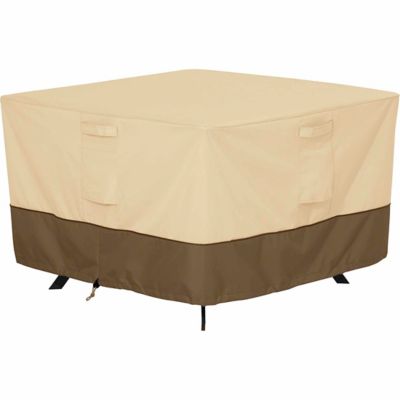
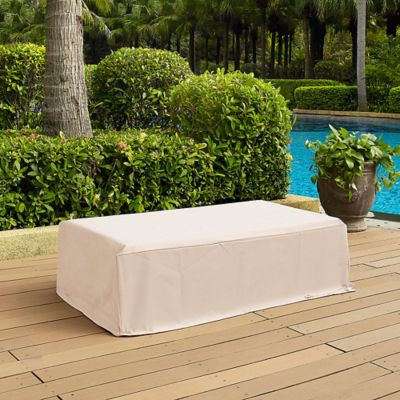
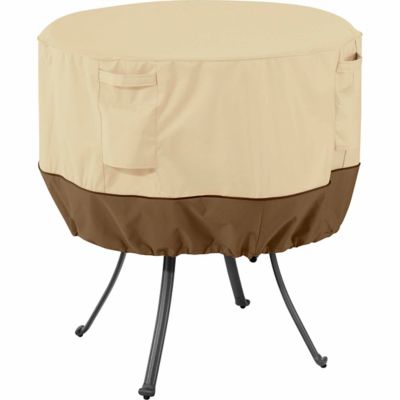
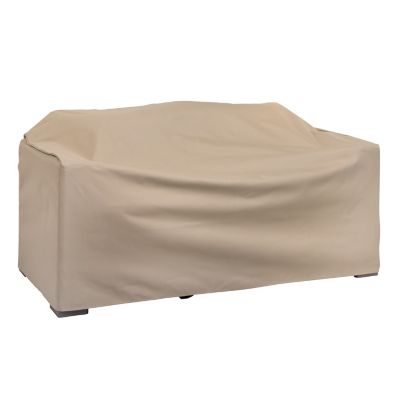
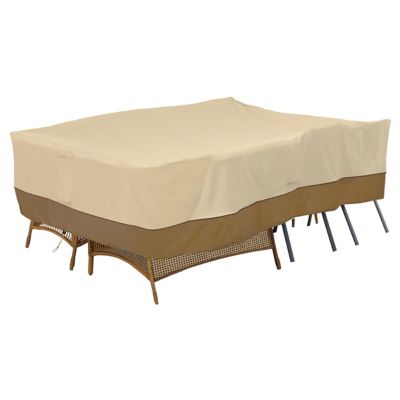
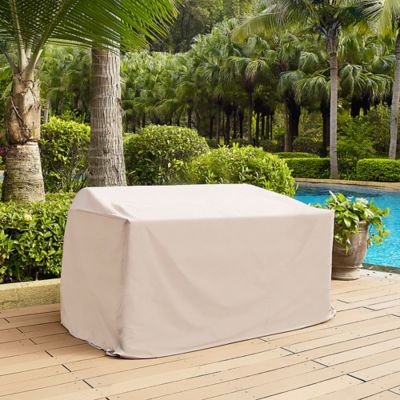
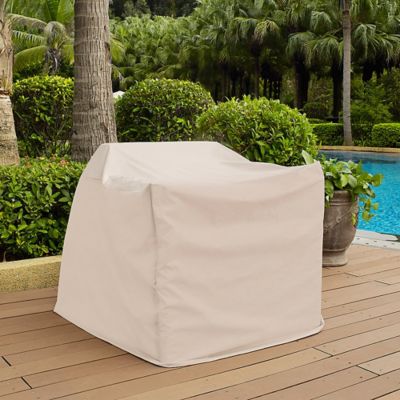
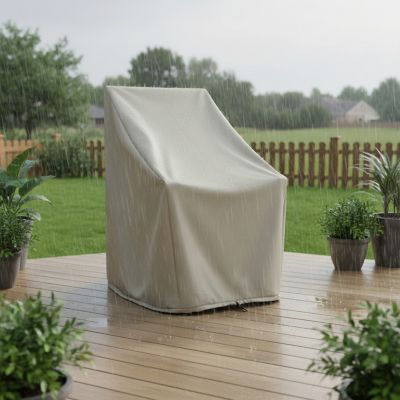
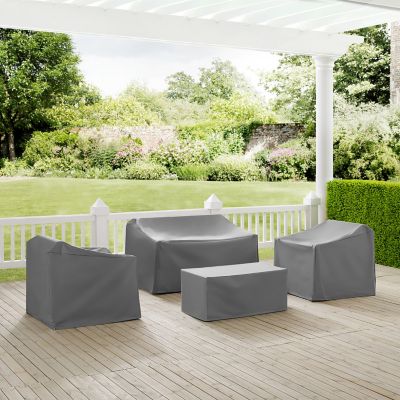
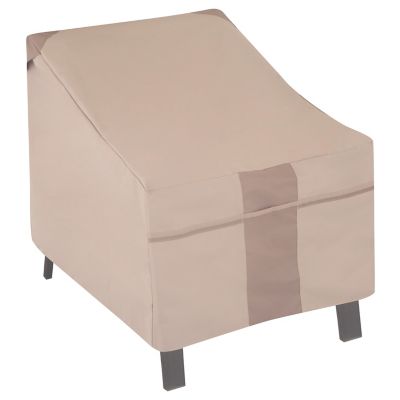
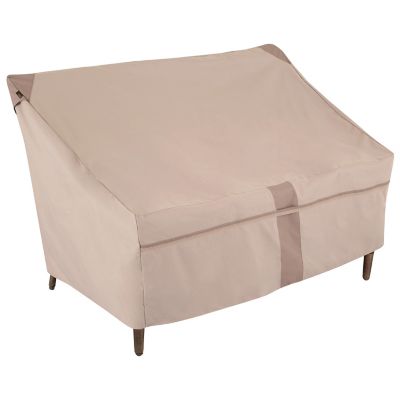
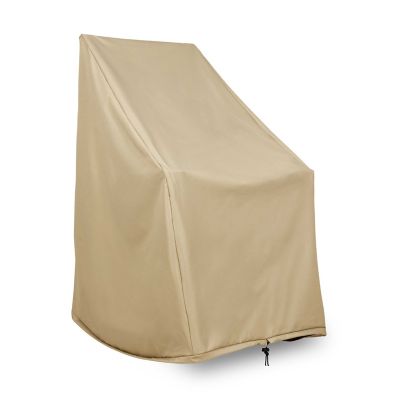
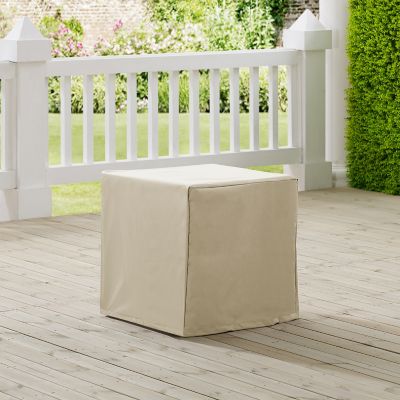
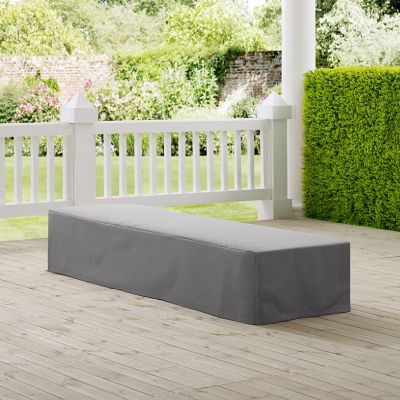
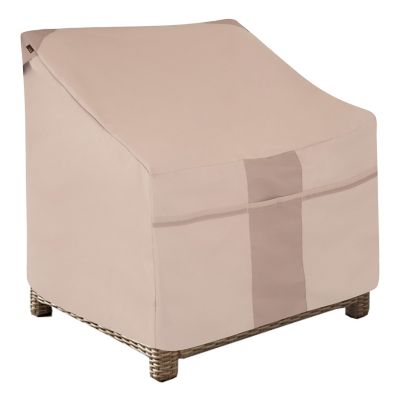
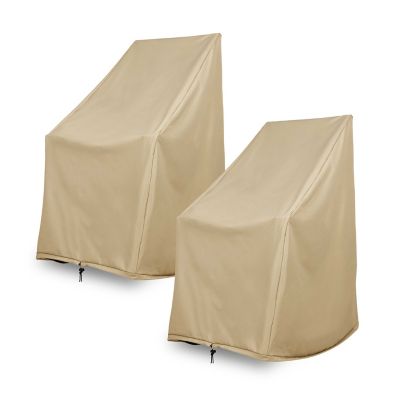
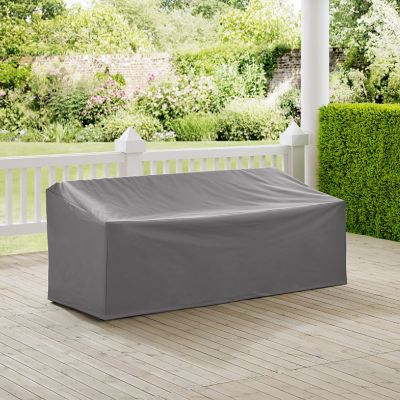
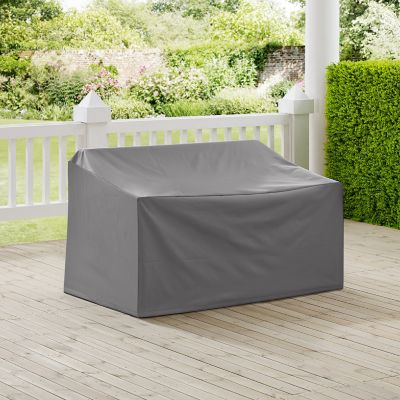
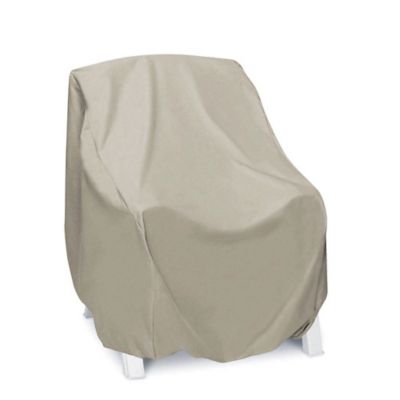
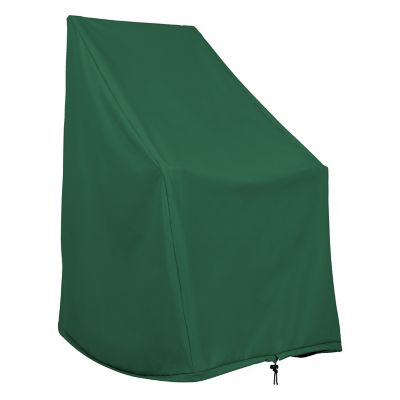
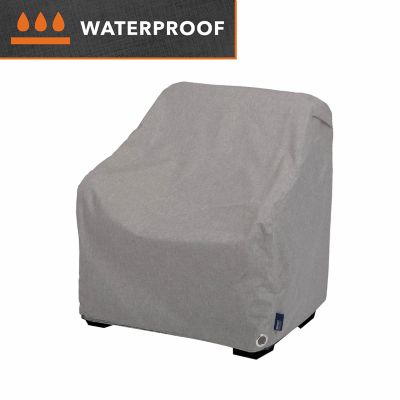
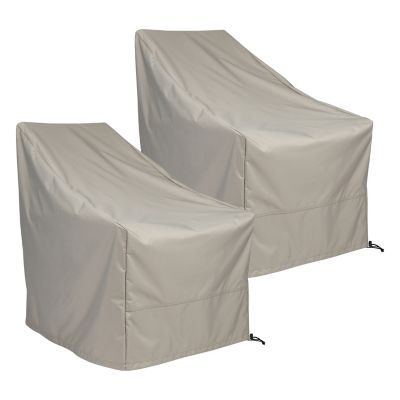
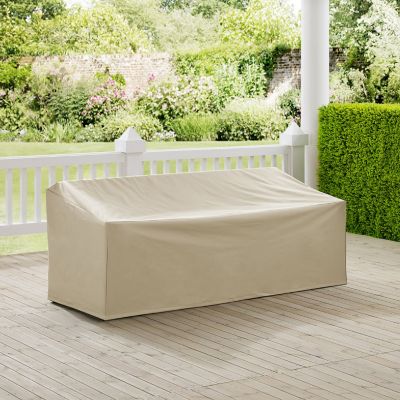
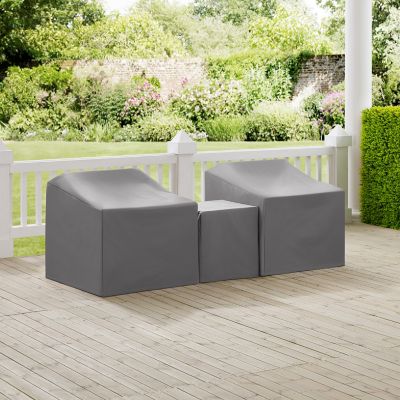
Water resistant patio furniture covers help keep outdoor seating and tables in better shape when rain, frost, blowing leaves, and damp weather move in. A good cover acts as a simple layer of protection between the weather and the furniture you count on for coffee on the porch, family cookouts, or a quiet evening by the fire pit. These covers can be used on patio sofas, loveseats, chairs, dining sets, benches, chaise lounges, ottomans, and outdoor tables, with styles made to fit both individual pieces and larger groupings. Before choosing one, measure the furniture from its widest and tallest points, including arms, backs, table edges, and any attached cushions. Leave enough room for the cover to slip on without a struggle, but avoid a loose, billowing fit that can collect water or catch the wind. A cover that is too small may pull at the seams and leave corners exposed, while one that is much too large can drag on the ground and allow moisture to work its way underneath. For irregular shapes, look for adjustable hems, drawcords, or buckle straps that help create a closer fit. It is also worth deciding whether cushions will stay on the furniture or be stored separately, since stacked cushions may add several inches to the height and change the size you need. When shopping for patio furniture covers, pay attention to the fabric’s weight and construction. Polyester and heavy oxford fabrics in the 400D to 600D range are commonly chosen for outdoor use because they offer a useful balance of strength, flexibility, and manageable weight. A polyurethane, often called PU, or polyvinyl chloride, also called PVC, coating can add water resistance and help shed rain from the surface. For dependable weather protection, inspect the seams as carefully as the fabric itself. Double-stitched or taped seams help reduce the chance of water finding its way through the places where panels meet. Reinforced corners and sturdy handles are handy when covers need to be removed, folded, or repositioned as the seasons change.
Wind protection matters just as much as water resistance, especially on open decks, hilltop properties, and porches where a sudden gust can turn a loose cover into a sail. Look for click-close buckles, adjustable straps, elastic hems, leg loops, or bottom drawcords that keep the cover anchored around the furniture. Straps that attach beneath a chair or table are especially useful because they hold the cover in place without relying only on its weight. Built-in air vents are another practical feature. Mesh vents allow some air movement beneath the cover, which can reduce condensation and help discourage mold or mildew when damp weather lingers. Even a well-made cover works best when it is used correctly. Brush away leaves, dirt, and acorns before covering the furniture, and allow wet cushions to dry whenever possible. After a stretch of rain, lift the cover on a dry day so trapped moisture can escape, then wipe the cover clean with mild soap and water according to its care instructions. Avoid covering furniture that is still warm from a heater, grill, or direct afternoon sun, and keep sharp corners, decorative hardware, and rough surfaces from rubbing against the fabric. During the cooler months, many households use covers between gatherings, saving time on cleanup and helping outdoor furniture stay ready for a mild afternoon. In areas that receive snow or extended freezing weather, brush off heavy accumulation rather than letting the weight sit for days, and consider moving removable cushions and delicate pieces into a dry storage area. For broader cold-weather planning, browse
Patio Furniture Winter Covers for additional ways to protect patio furnishings through changing conditions.
Water resistant patio furniture covers are useful for homeowners with a full outdoor dining set, renters with a small balcony arrangement, and anyone who wants to spend less time scrubbing pollen and weather grime from patio furniture. They also make a practical gift for a new homeowner, a family that enjoys hosting outside, or a friend who has recently added a fire pit, porch swing, or covered deck. Picture a wooden table sitting beneath a porch through a stretch of wet, windy weather: without protection, moisture settles into the grain, leaves collect around the legs, and the first sunny day becomes a cleaning project. With the right cover fitted snugly over the top and secured below, the table is easier to uncover and put back into service. Covers do not replace regular care, and no fabric should be treated as completely impervious under every condition, but the right size and construction can make a noticeable difference. Choose coverage based on the furniture’s actual dimensions, the amount of exposure it receives, and the weather common to your property. A shaded, sheltered porch may call for a lighter everyday cover, while furniture on an uncovered patio benefits from heavier fabric, reinforced seams, secure wind anchors, and ventilation. Taking a few minutes to compare these details helps protect your investment, keeps outdoor spaces looking tidy, and makes it easier to enjoy the patio whenever the weather gives you a comfortable opening.