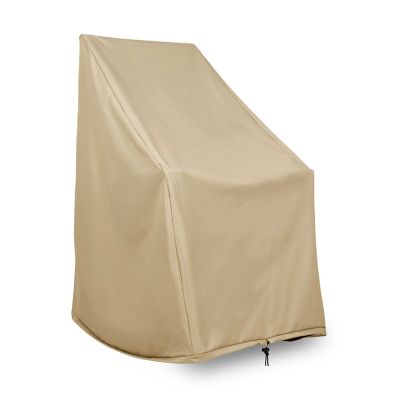
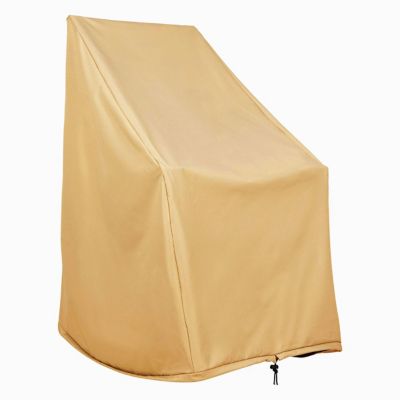
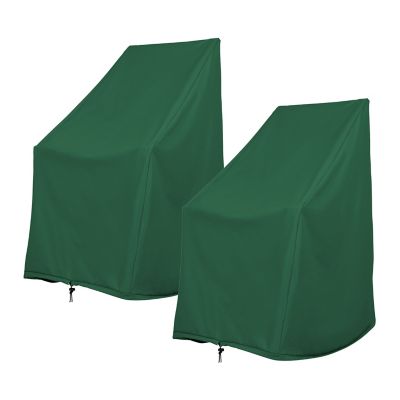
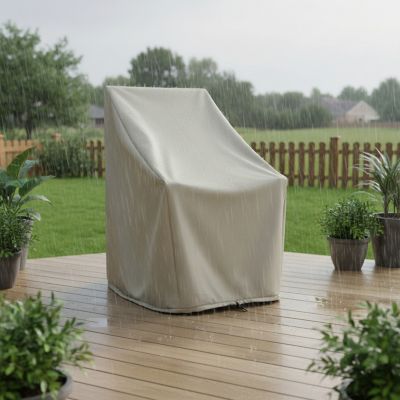
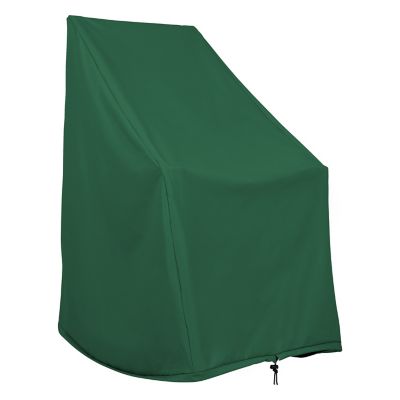
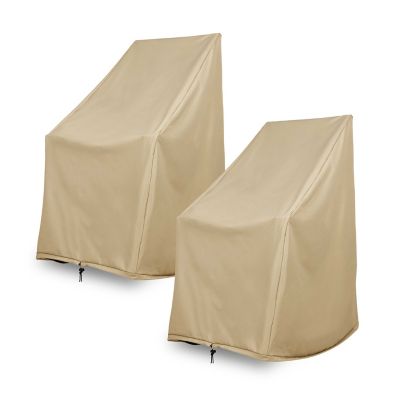
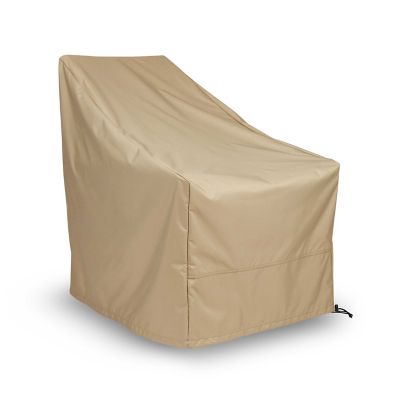
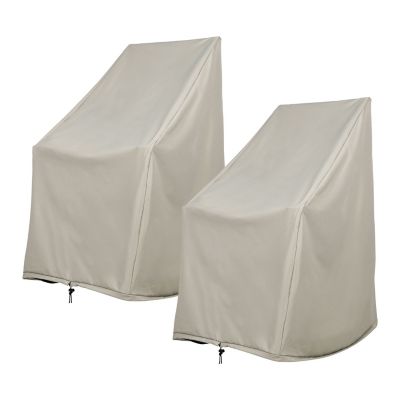
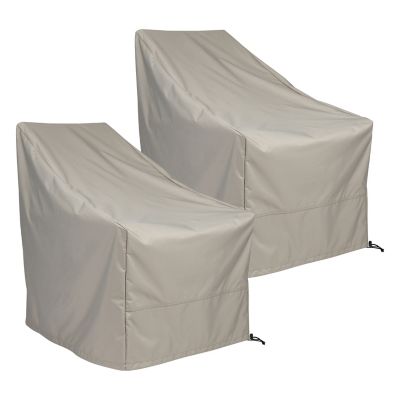
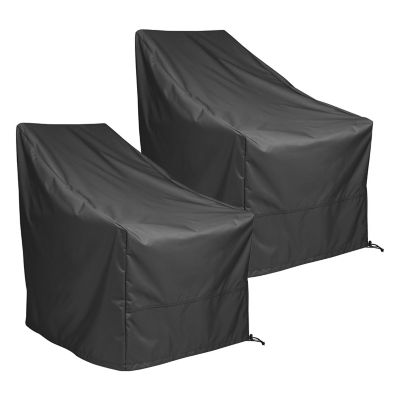
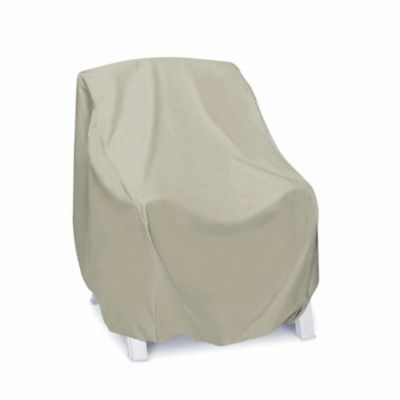
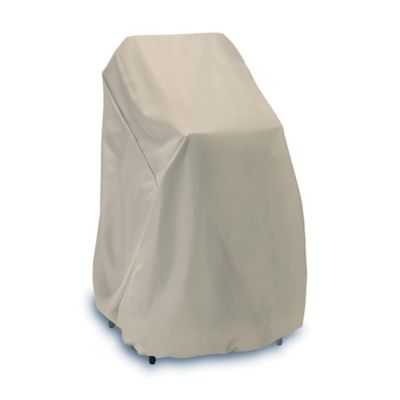
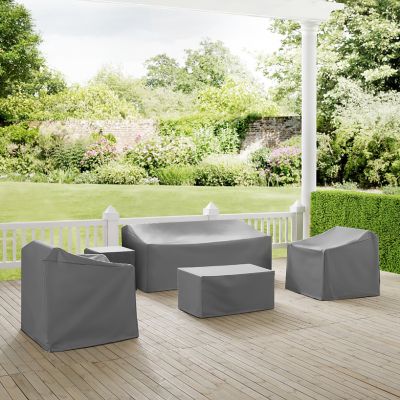
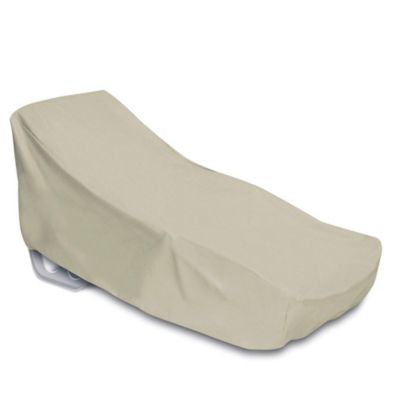
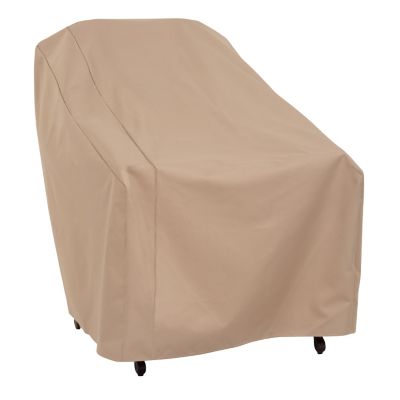
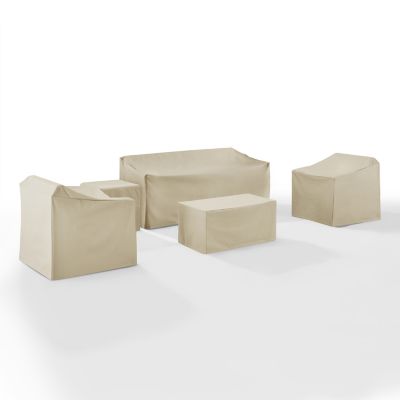
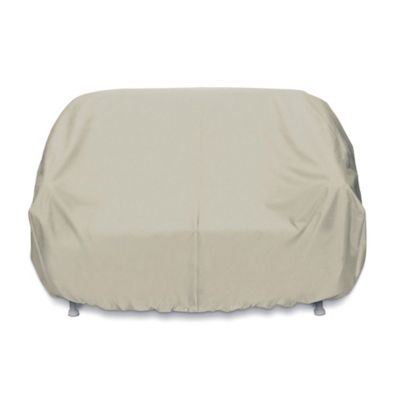
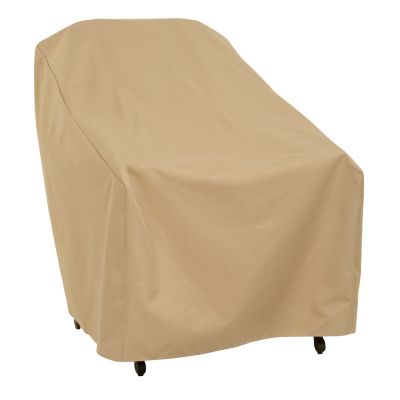
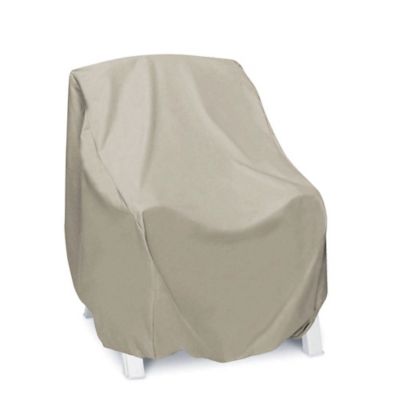
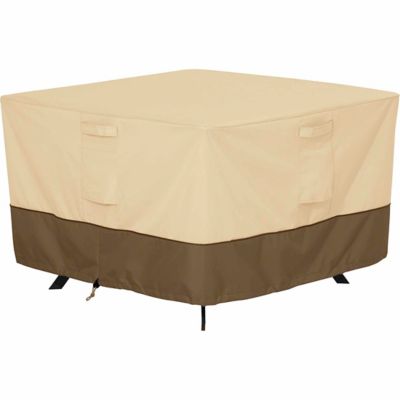
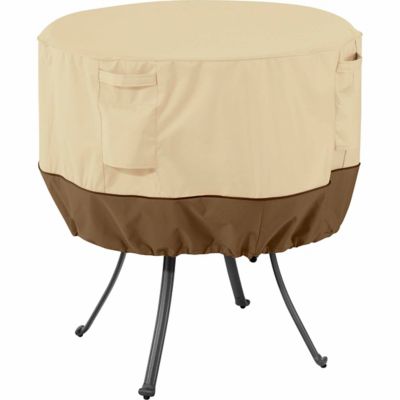
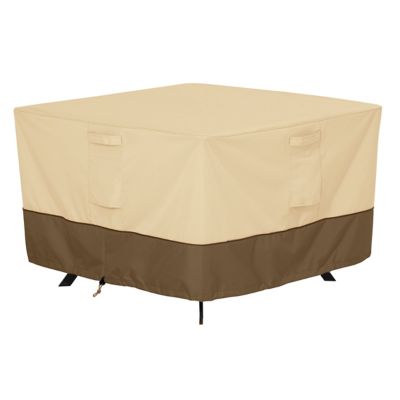
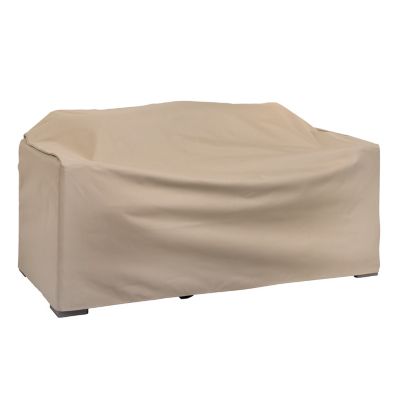
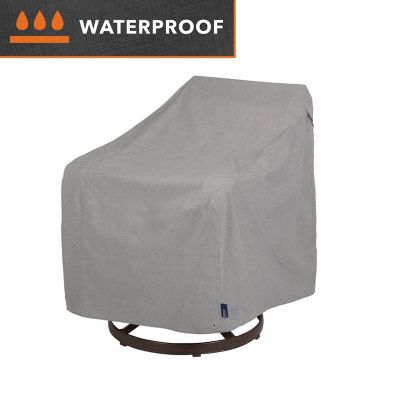
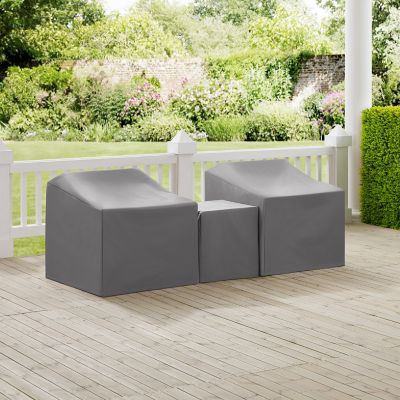
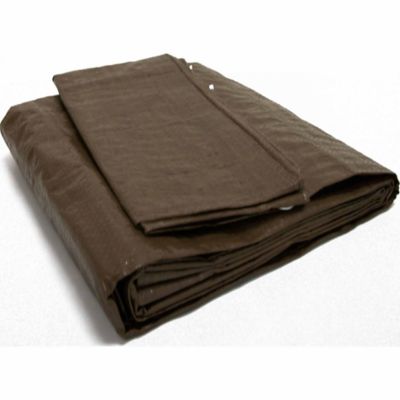
Polyester outdoor furniture covers help shield patio furniture from rain, dust, fallen leaves, bird droppings, and sunlight, with protection depending on the fabric, backing, seams, and fit. Polyester is a synthetic fiber woven into a flexible shell that can fold away between uses and stand up to everyday handling. The fabric alone does not make a cover waterproof. Water resistance often comes from a surface treatment, an inner coating, or a backing such as polyurethane or PVC. A water-repellent finish encourages droplets to bead on the surface, while a waterproof backing creates a barrier beneath the weave. Seams matter, too, since stitching creates small openings where moisture can enter unless those areas have added sealing. That distinction makes a difference for a table beside an open pasture, a seating group on an uncovered deck, or chairs that catch runoff near a porch roof. Protection from sunlight also varies. A cover described as UV resistant is intended to withstand sun exposure better than an untreated material, but the level of protection depends on its construction and stated specifications. Fabric weight and denier can offer clues about the shell, though neither tells the whole story about resistance to tearing, abrasion, or fading. Reinforced seams and extra material at stress points can help where a cover rubs against chair backs or table corners. A heavier shell may suit furniture that stays covered for extended stretches, while a lighter, more flexible cover can be easier to handle when the chairs come out for supper most evenings. Across those settings, polyester provides a practical outer layer between furniture and the mess that comes with outdoor living. It can help keep gravel-road dust off a tabletop and leaves out of a lounge seat, reducing the cleanup needed before the next gathering. Those benefits depend on matching the cover’s features to the exposure, rather than assuming every polyester cover provides the same level of protection.
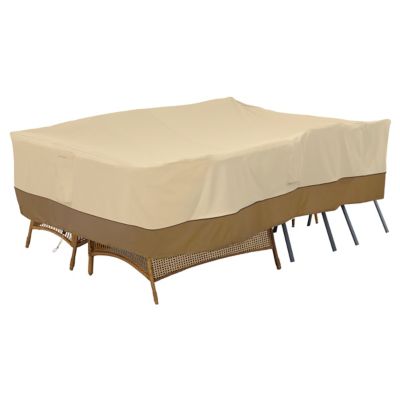
Fit has just as much to do with performance as the fabric itself. Polyester outdoor furniture covers come in shapes intended for individual chairs, loungers, benches, sofas, tables, and complete seating arrangements. The useful measurements are the furniture’s full width, depth, and height, including projecting arms, tall backs, and any other parts that extend beyond the main frame. For a cover that spans a dining arrangement, the outside edges of the chairs matter as much as the tabletop. Chairs tucked in tightly create a different footprint than chairs left pulled out, and that difference can leave fabric stretched across corners or hanging loose along the sides. A little clearance helps a cover slip on without straining seams, but too much extra fabric can flap, drag, or collect water. A cover generally works best when its lower edge stays above the ground, allowing some air movement and keeping the hem out of puddles, mud, and damp grass. Adjustable hems, buckles, and tie-down straps can help hold the lower edge in place, depending on the design. They are especially helpful on an open deck or a porch where gusts come around the corner of the house. Those fasteners should connect to suitable parts of the furniture without pulling the cover so tight that it strains at the seams. Handles can make a large cover less awkward to lift, particularly when it needs to clear several chair backs at once. Vents serve a different purpose: they allow air exchange that can reduce trapped moisture and help limit billowing. Even a waterproof shell can hold condensation underneath when damp furniture is covered or moisture cannot escape. Enough room for airflow, a secure lower edge, and a shape that sheds water all contribute to better coverage. Low spots between chairs or across a broad tabletop can become pockets for standing water, so the furniture arrangement and any manufacturer-approved support system deserve attention alongside the listed dimensions.
Everyday care helps a polyester cover keep doing its job without adding much fuss to the outdoor routine. Loose leaves, grit, and twigs are easier to brush away before they settle into folds, and fresh bird droppings are easier to address before they dry onto the surface. Cleaning requirements vary with the coating and backing, so the care label takes priority over general fabric-cleaning habits. A soft brush or cloth, mild soap, and a gentle rinse may be suitable when the manufacturer permits them. Bleach, strong cleaners, machine washing, and high heat can damage some finishes or backings, even when the outer fabric still looks fine. Both sides need time to dry before the cover is folded for storage; packing away a damp cover can leave moisture trapped between its layers. Furniture should also be dry before covering, and cushions need their own care consideration rather than an assumption that an outer cover makes every cushion suitable for long-term outdoor storage. Around a farmhouse porch, a backyard fire ring, or a covered sitting area beside the barn, removing the cover now and then offers a chance to check for moisture, dirt buildup, or rubbing at sharp edges. Covers belong well clear of hot grills, fire pits, heaters, and other heat sources, and furniture needs to cool completely before it is covered. For furniture that stays outdoors through snow and freezing rain,
Patio Furniture Winter Covers brings the focus to protection during longer stretches of exposure. A cover does not insulate furniture against freezing temperatures or make it capable of carrying heavy snow and ice. Snow loads, pooled water, and frozen fabric need careful handling according to the furniture and cover care directions. With suitable construction, a well-matched fit, and straightforward upkeep, polyester covers can help keep outdoor seating cleaner and sheltered between family meals, quiet porch visits, and weekend get-togethers.