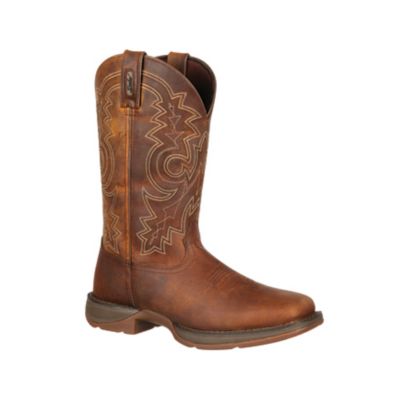
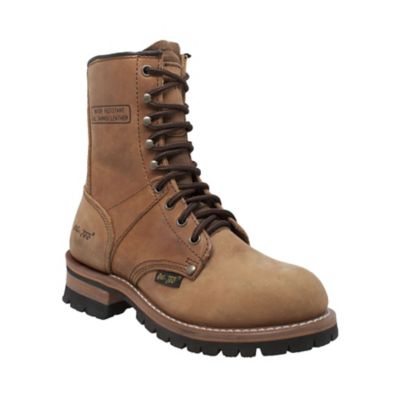
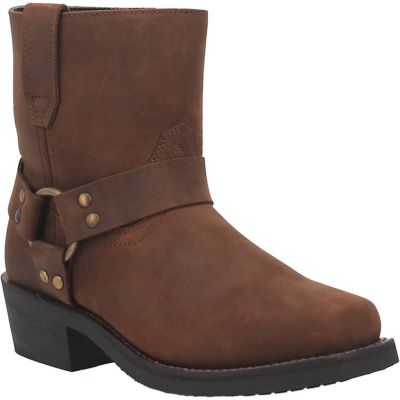
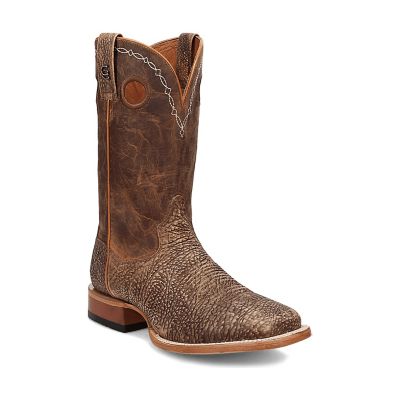
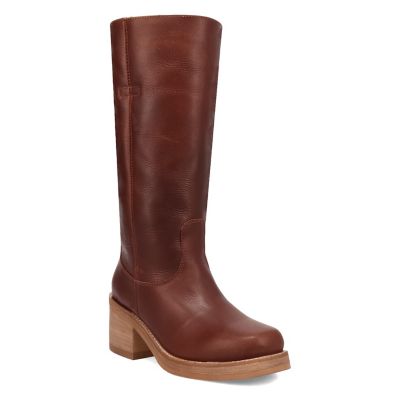
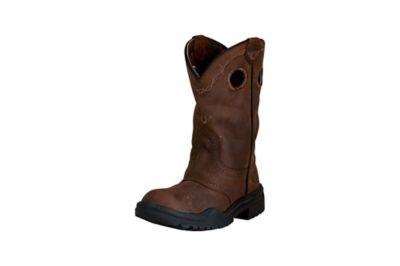
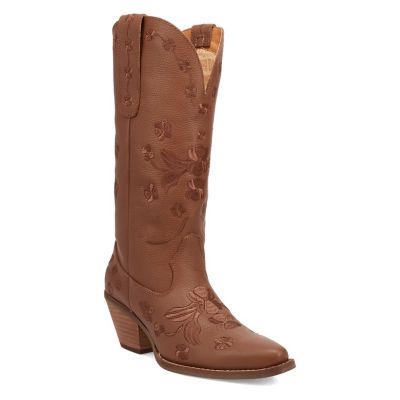
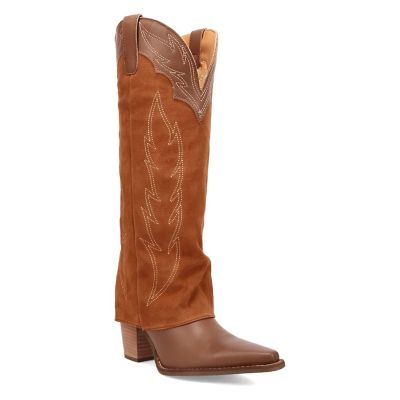
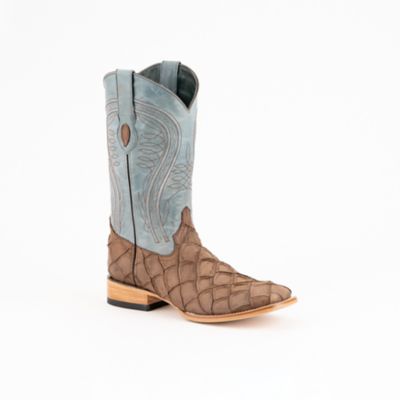
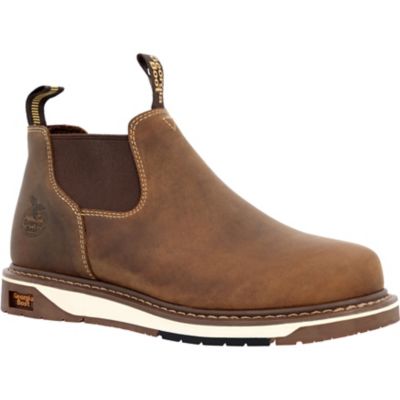
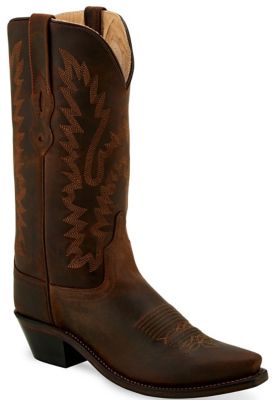
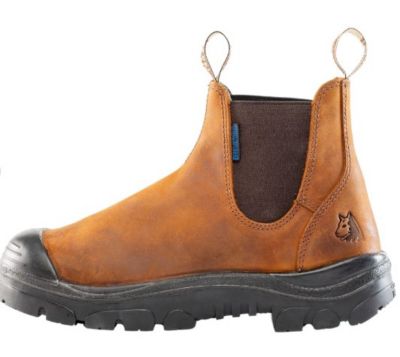
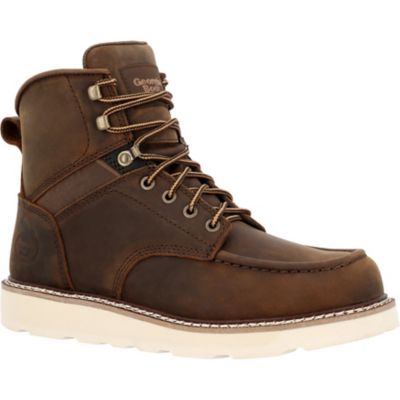
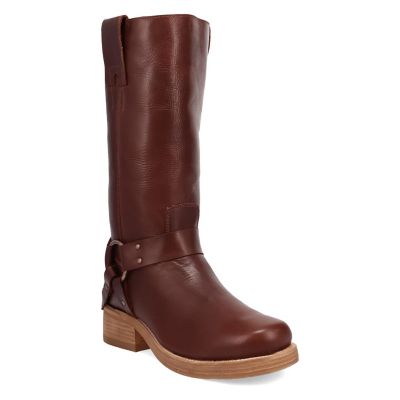
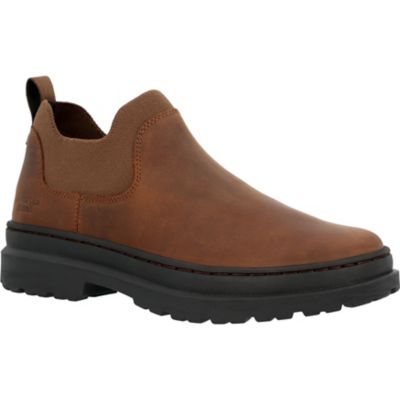
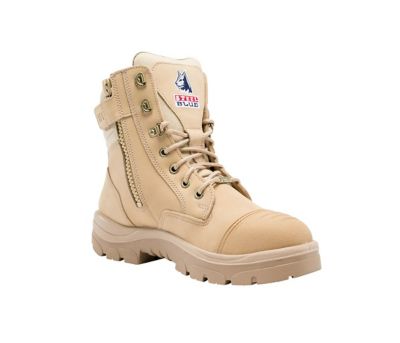
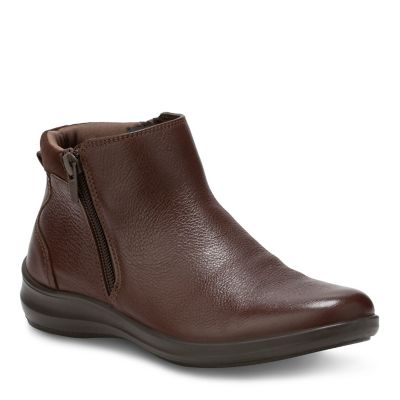
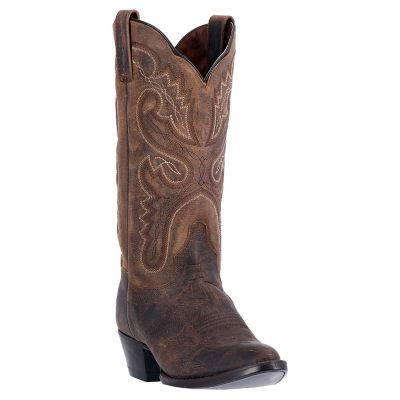
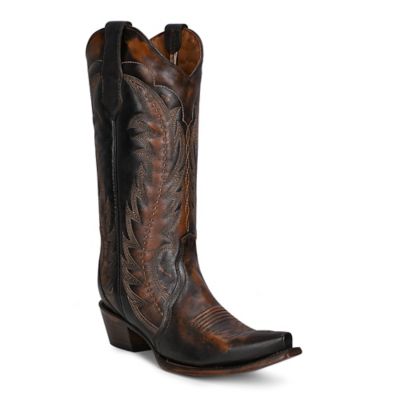
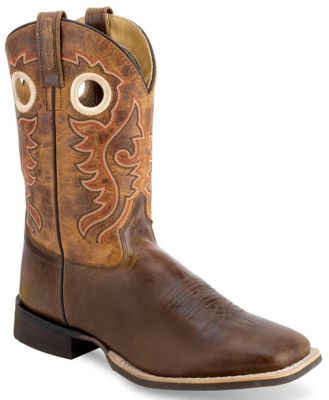
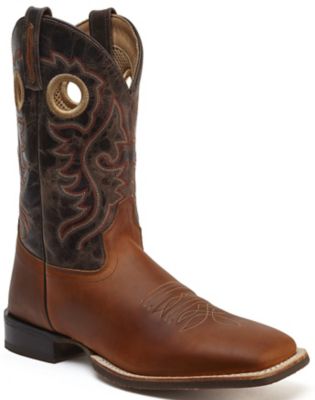
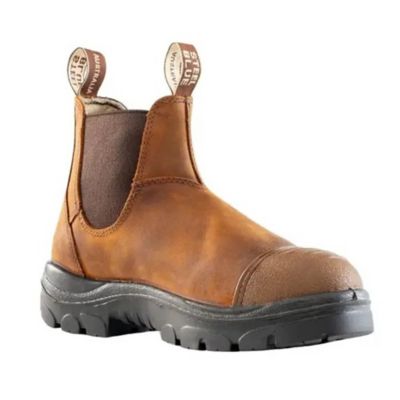
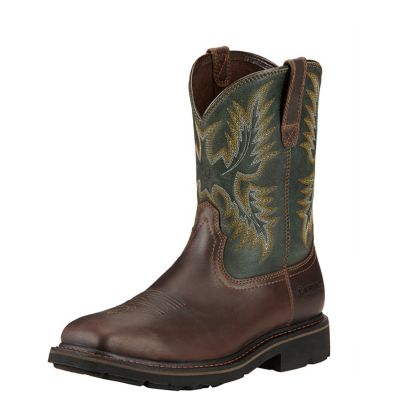
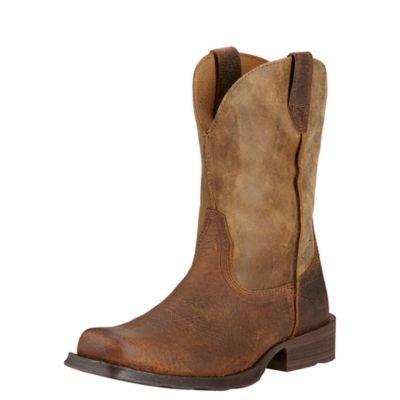
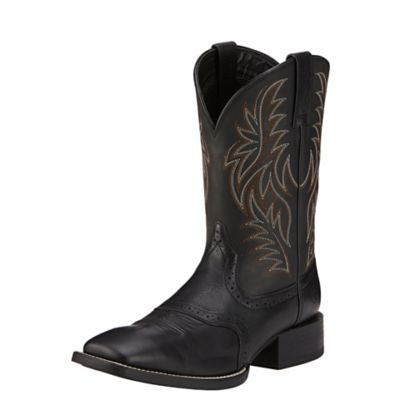
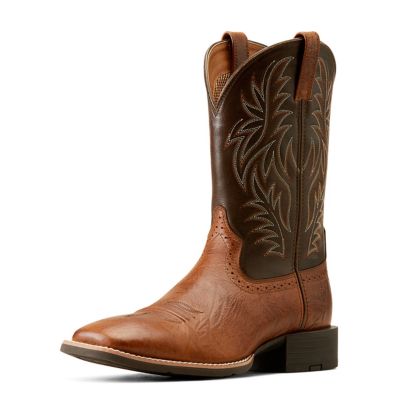
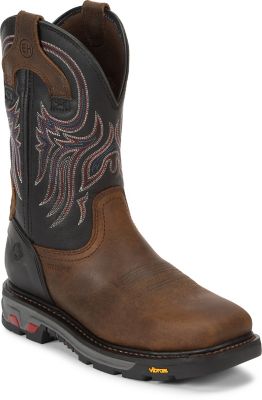
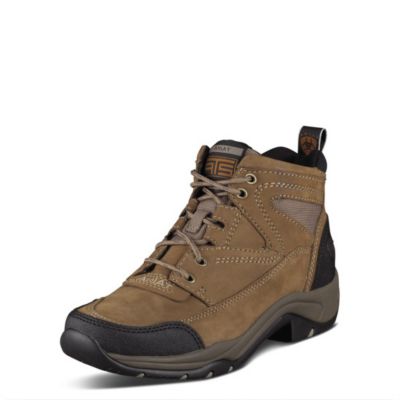
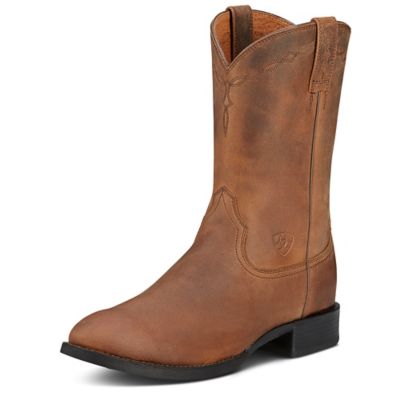
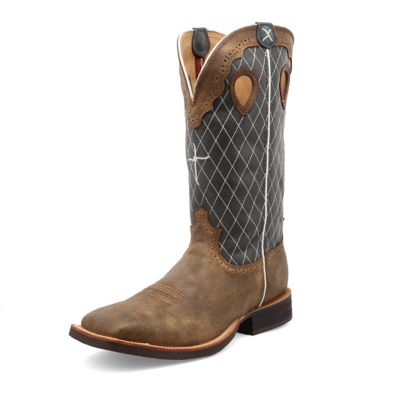
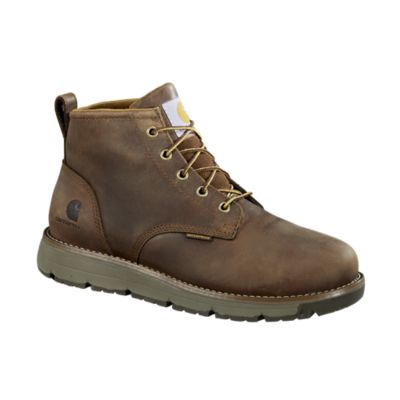
Brown leather boots have a way of earning their place by the door. They suit the everyday work that keeps a place running, from walking the fence line and checking stock to hauling firewood, feeding animals and heading into town for supplies. The brown color brings a warm, broken-in look that works with denim, canvas, flannel and workwear, while leather offers the sturdy feel many folks want in footwear made for regular use. As cooler weather settles in, a dependable pair can help round out an outfit without looking too polished for the barn or too rugged for a quick stop at the feed store. When choosing brown leather boots, start with the kind of ground and routine they will face. Smooth, oiled or distressed leather can each have a different look and feel, so think about whether the boots will spend most of their time on a dry porch, muddy pasture, gravel drive or hard shop floor. A treaded outsole can provide useful traction on slick grass, loose dirt and wet pavement, while a more flexible sole may feel better for walking, driving or spending long hours on your feet. Height matters, too. Lower-cut styles are easy to pull on with jeans and can be comfortable for daily errands, while taller boots may offer more coverage around the ankle and lower leg when working around brush, dust or damp ground. Check the shape of the toe and the room through the instep, especially if you plan to wear thicker socks during the cooler months. A boot should feel secure at the heel without pinching across the toes, and your feet should have enough space to move naturally when walking. Leather often softens with wear, but starting with a comfortable fit is still the best way to avoid sore spots. For a broader look at warm-toned footwear, browse
Brown Footwear.
Brown leather boots can be practical work companions, but they also fit plenty of off-the-job routines. They pair easily with jeans for a weekend breakfast, a drive down a gravel road or an afternoon spent working in the garage. Some people choose them for regular outdoor chores because the leather feels dependable and can develop a character all its own as it picks up the marks of daily life. Others like the classic shape for casual gatherings, family dinners or cooler-weather outings where sneakers feel too light and dress shoes feel out of place. If the boots will be worn around mud, rain or changing temperatures, look for construction and materials suited to those conditions, along with room for the socks you typically wear. Features such as a cushioned footbed, supportive insole or shock-absorbing sole can make a noticeable difference when the day involves lots of standing. Pull-on designs can be handy when you are stepping out to check a gate or carry feed, while lace-up options allow for a more adjustable fit around the ankle. Consider the clothing already in the closet as well. Rich chocolate shades tend to blend with blue jeans and khaki, while lighter brown leather can give a more relaxed, broken-in look. For a gift, brown leather boots can be a thoughtful choice for someone who spends time outdoors, works with their hands or appreciates useful gear with a timeless appearance. They may suit a new ranch hand, a farmer preparing for long days on the property, a tradesperson who needs comfortable footwear or a family member who enjoys country living. Since fit is personal, gifting is easiest when you know the recipient’s size, preferred boot height and usual sock thickness. A gift receipt or easy exchange option can also take the guesswork out of choosing the right pair.
Taking care of leather boots helps them stay comfortable and presentable through the seasons. Before wearing a new pair for a full day, break them in with shorter stretches around the house, shop or yard. This gives the leather time to flex and helps reveal any areas that need extra attention. Keep dirt from building up by brushing or wiping the boots after dusty or muddy use, and let them dry naturally if they become damp. Setting wet boots near a heater or woodstove can dry the leather too quickly and may lead to cracking, so a little patience goes a long way. Use a leather conditioner suited to the finish when the material begins to look dry, applying a small amount first in an out-of-the-way spot. Conditioner can deepen the color, so test before treating the entire boot. If the boots are used for chores, consider keeping an everyday pair near the back door and a cleaner pair for town or gatherings. Rotating footwear gives each pair time to air out and can help reduce wear from moisture and repeated use. Thick, moisture-managing socks may add comfort when walking across cold ground, while lighter socks can be more comfortable during milder stretches. Inspect the soles, stitching and heel from time to time, especially if you rely on the boots for work. Worn tread or loose stitching can affect stability and may be easier to address before a small repair becomes a bigger problem. With a sensible fit and regular care, brown leather boots can move easily from morning chores to evening plans, offering the kind of dependable style that feels right at home on the farm, around the homestead or wherever the day leads.