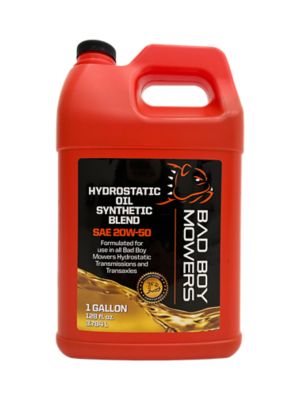
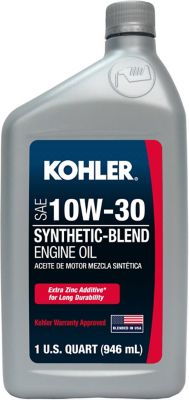
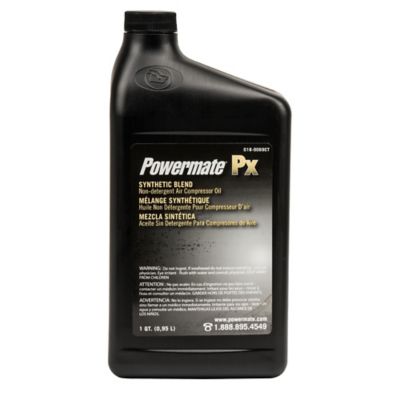
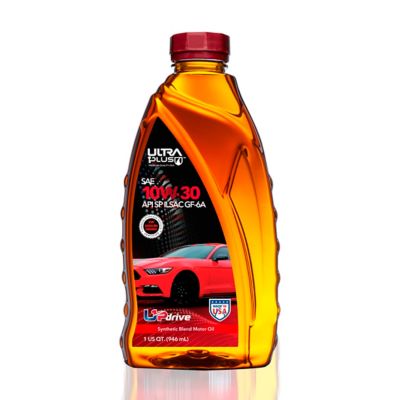
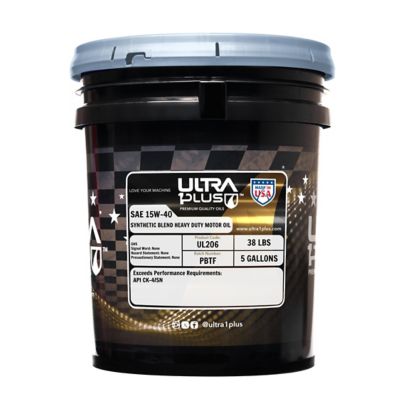
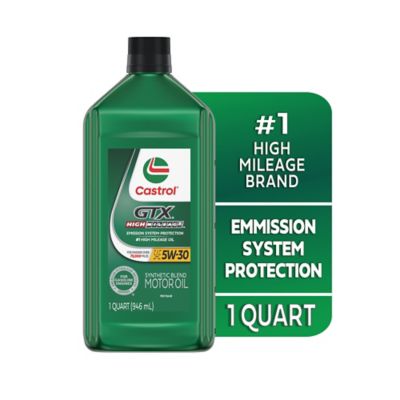
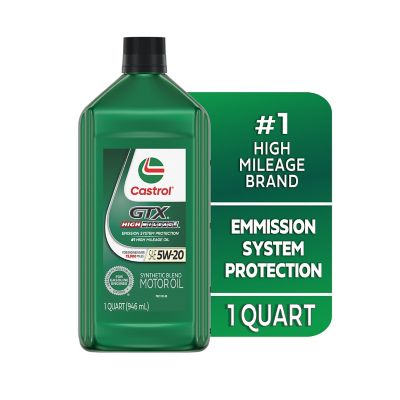
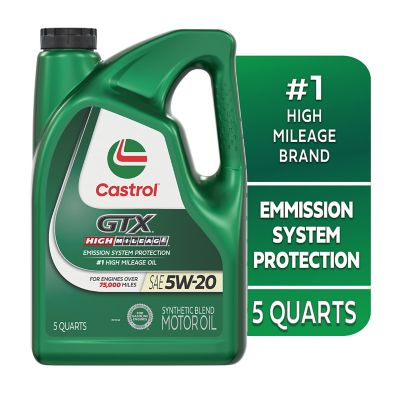
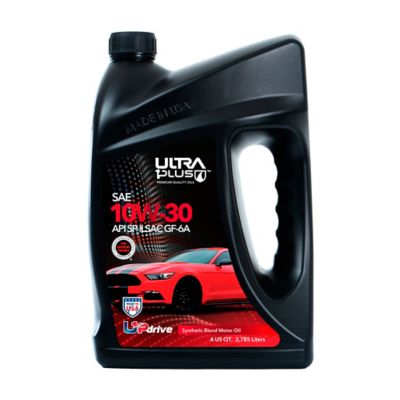
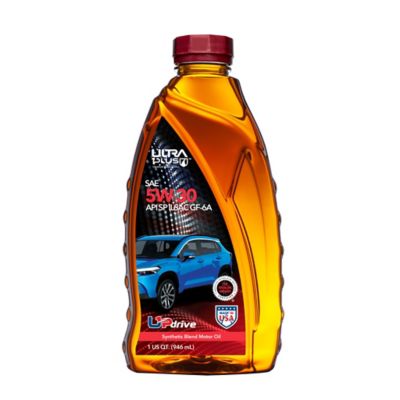
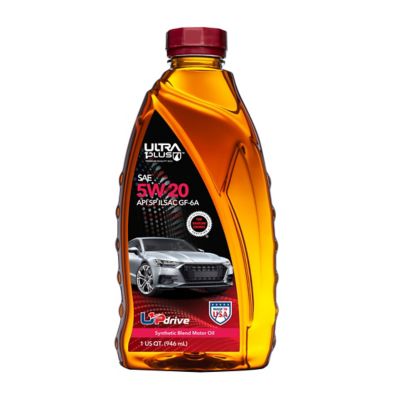
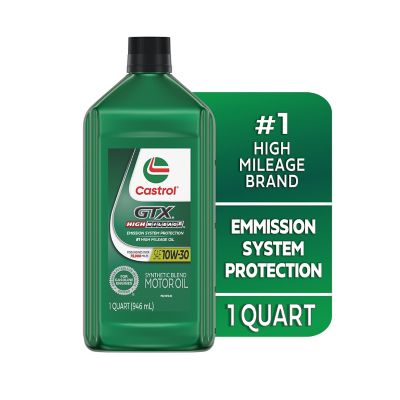
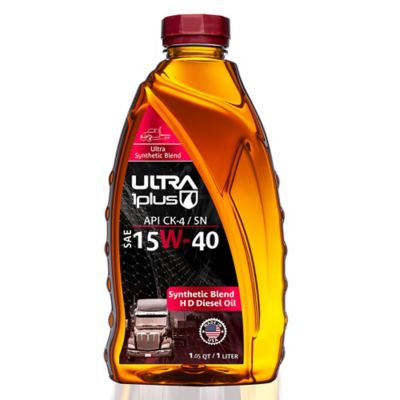
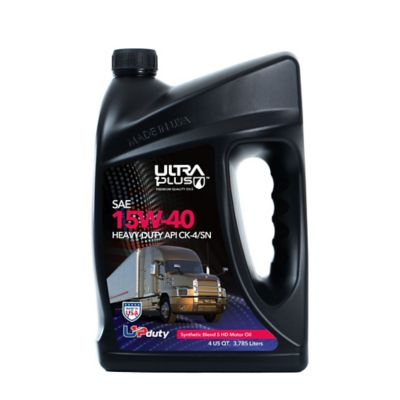
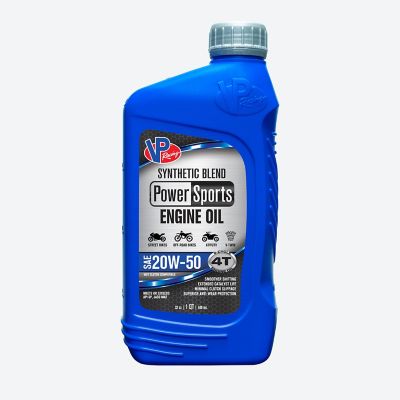
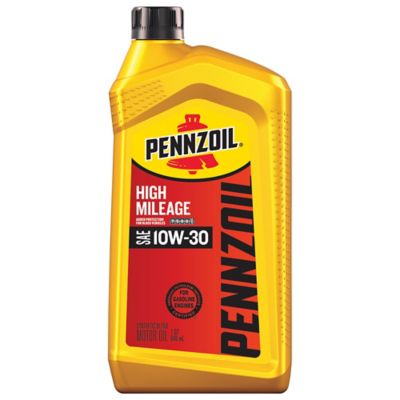
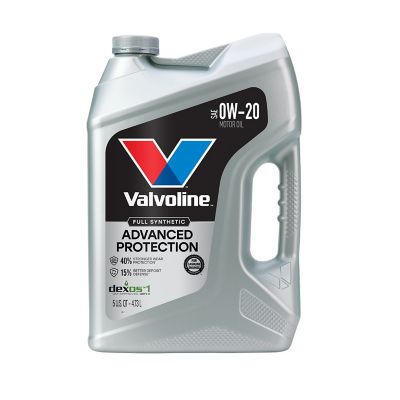
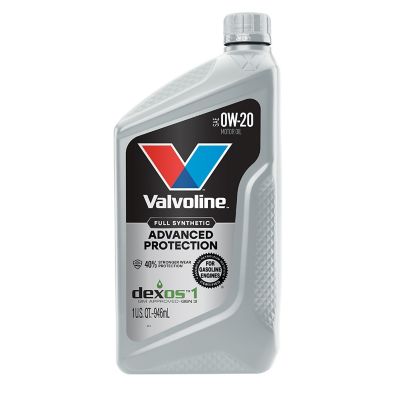
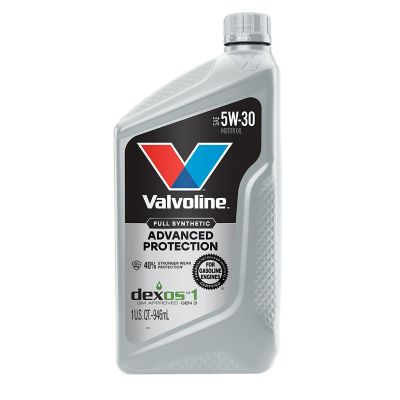
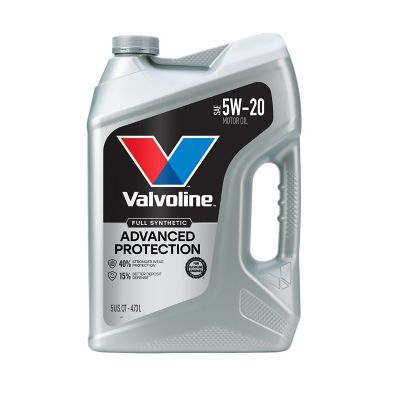
Synthetic blend oils combine conventional mineral base oils with synthetic base oils and performance additives to lubricate an engine’s moving parts. Also called semi-synthetic oils, they sit between conventional and full synthetic formulations, though the blend name alone does not establish a fixed percentage of synthetic content. Their performance depends on the complete formulation and the specifications it meets, not simply the word “synthetic” on the container. For a pickup that pulls a utility trailer, a car that handles the daily commute or a work van that spends plenty of time between job sites, the right synthetic blend motor oil can fit into regular engine maintenance when it meets the manufacturer’s requirements. Oil forms a protective film between moving surfaces, helping reduce friction and wear around bearings, pistons and other engine components. It also carries heat away from lubricated parts and helps manage contaminants that develop during operation. Detergents help control deposits, dispersants keep contaminants suspended, and other additives support wear protection, oxidation resistance and foam control. Depending on the formulation, synthetic base oils can improve resistance to breakdown and deposit formation compared with conventional formulations meeting similar requirements. Those benefits matter during ordinary driving as well as demanding work, but they do not make every blend suitable for every engine. A familiar viscosity grade on the front label is only part of the match. The engine’s required performance standard, any manufacturer approvals and the intended application matter just as much. That is especially important on a property where the family car, chore truck and powered equipment may all need different lubricants. Synthetic blend engine oil is a formulation category, not a catchall replacement for everything with an engine. Matching the oil to the machine keeps the focus where it belongs: proper lubrication for the work ahead, whether that means a trip into town, a bed full of fencing supplies or another day on the road.
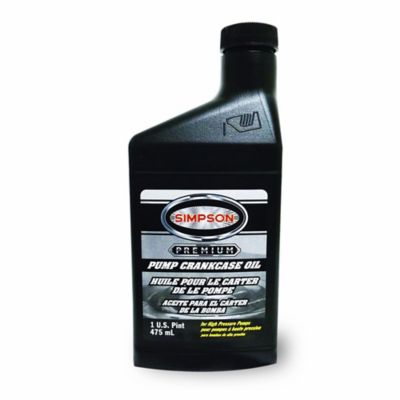
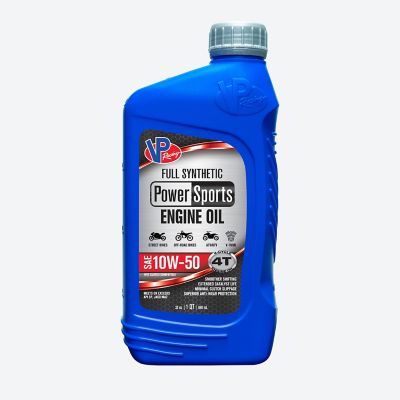
Viscosity is one of the main differences shoppers will see among synthetic blend oils. Grades such as 5W-20, 5W-30 and 10W-30 describe viscosity characteristics under standardized test conditions; they are not rankings of overall protection. In a multigrade designation, the number before the W relates to low-temperature starting and pumping performance, while the second number identifies the viscosity range at engine operating temperature. A thicker grade is not automatically better for towing, an older engine or a truck that works hard. Engines are built around particular lubrication needs, including oil passages, bearing clearances and systems that depend on oil flow and pressure. The grade specified in the owner’s manual helps keep those systems working as intended. Performance certifications and manufacturer approvals add another layer of fit, covering requirements that viscosity alone cannot describe. Gasoline and diesel engines can have different lubrication demands, and a passenger-vehicle blend should not be assumed suitable for a diesel tractor or heavy-duty truck. Likewise, motorcycles with shared engine and transmission lubrication, air-cooled equipment and two-stroke engines may require oils formulated specifically for those applications. High-mileage synthetic blend oils are another formulation category. They may include seal-conditioning additives and other features intended to address the needs of engines with accumulated wear, but mileage alone does not determine the right oil. A well-maintained engine with a long service history still needs its specified viscosity and performance level. Seal-conditioning additives are not repairs for damaged gaskets, worn components or persistent leaks.
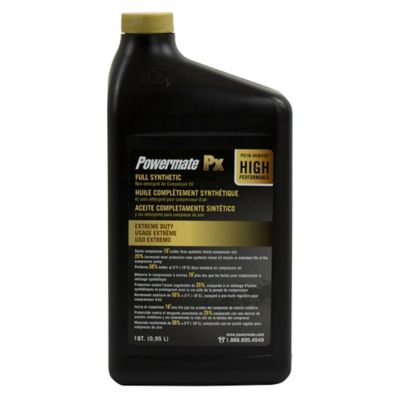
Synthetic Engine Oils provide another formulation category to consider when comparing engine requirements. Where an automaker calls for full synthetic oil, a synthetic blend should not be treated as an equivalent substitute merely because both contain synthetic base oils. For engines that permit a blend, the useful comparison is how each formulation matches the required specifications and service conditions, rather than broad promises about one oil type fitting every job.
Everyday operating habits also shape how synthetic blend motor oil fits into a maintenance routine. A truck hauling feed along dusty lanes, a service vehicle idling between stops and a car making repeated short trips may fall under a manufacturer’s severe-service schedule, even when none of those jobs feels out of the ordinary. The right oil-change interval comes from the vehicle or equipment maker’s guidance, including any applicable oil-life monitoring system; switching to a blend does not automatically extend it. Oil level matters between changes, too. An engine can consume some oil without leaving a puddle on the shop floor, so periodic checks help catch a low level before the next scheduled service. For topping off, matching the specified viscosity and performance requirements remains important, and topping off does not replace a complete oil and filter change. Container size is another practical consideration, especially when servicing several vehicles with different crankcase capacities. The stated refill capacity, including the filter when applicable, helps determine the amount needed, while the dipstick or manufacturer’s specified level-check procedure confirms the final fill. Too much oil can cause problems just as too little can, so an extra splash is not added protection. Clear container labels also make it easier to keep different grades straight on a garage shelf and avoid mixing up engine oil with hydraulic fluid, transmission fluid or other lubricants. Between service jobs, tightly closed containers kept upright in a clean, dry place help keep dirt and moisture out. Clean funnels and dispensing equipment matter for the same reason: grit belongs outside the engine, not in fresh oil. After a change, drained oil belongs in a suitable closed container for delivery to an appropriate collection or recycling location, separate from coolant, fuel and solvents. With the proper specifications, sensible handling and a maintenance schedule matched to the job, synthetic blend oils can support the engines that keep daily driving and property work moving.