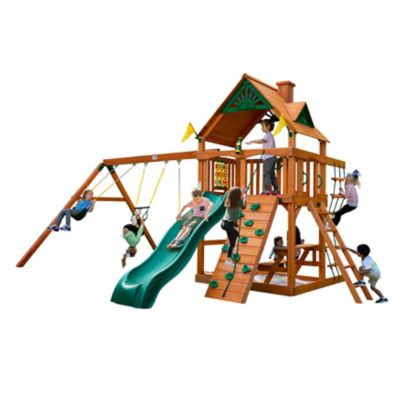
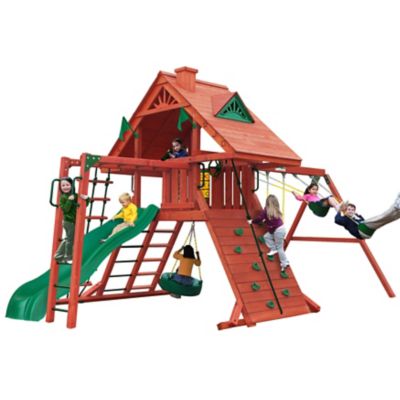
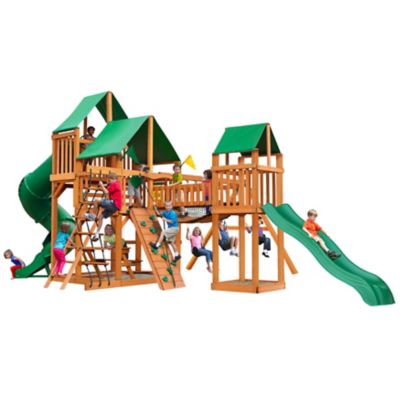
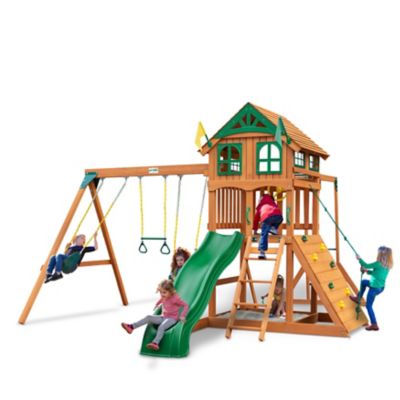
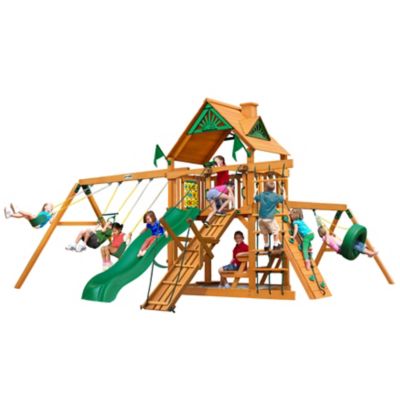
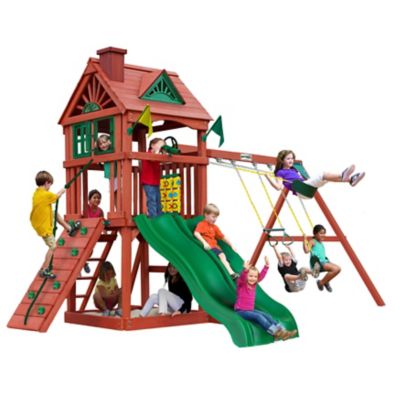
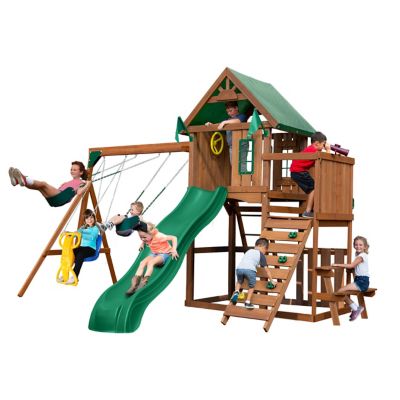
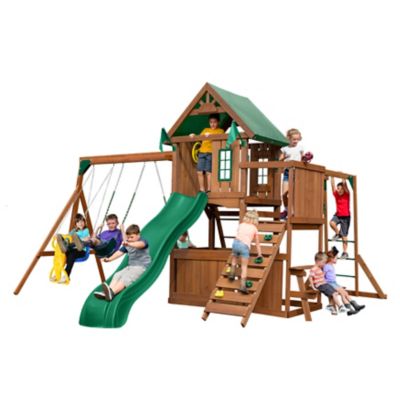
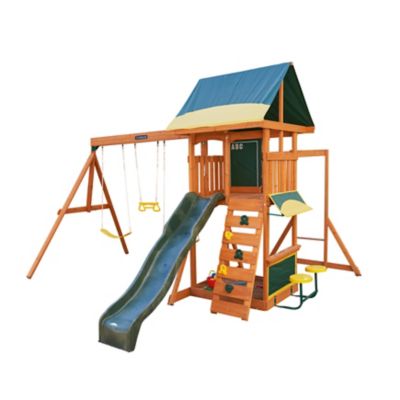
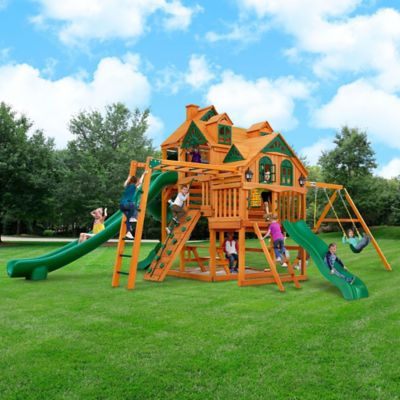
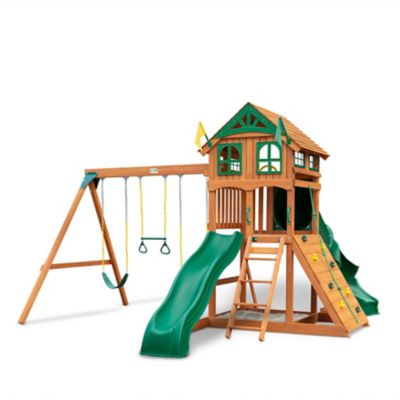
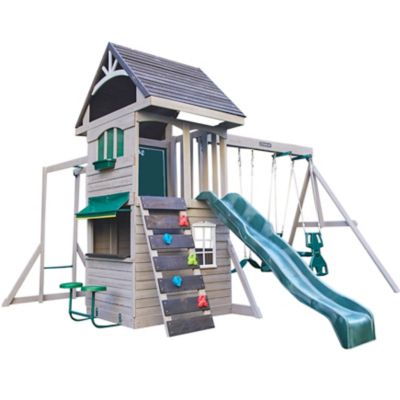
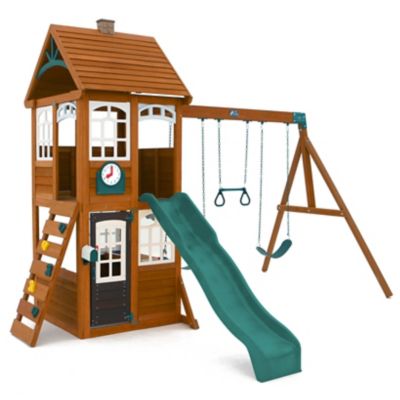
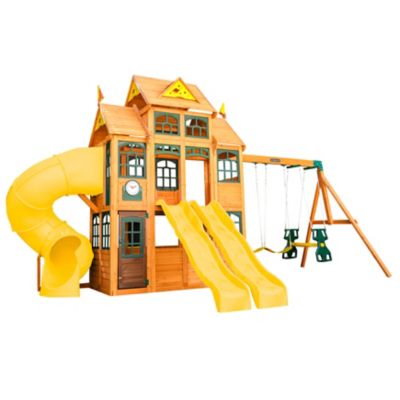
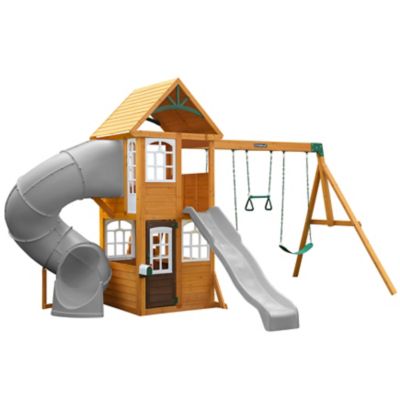
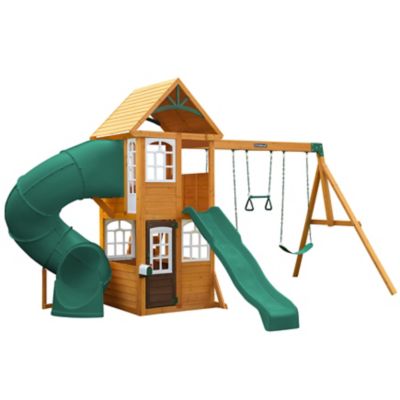
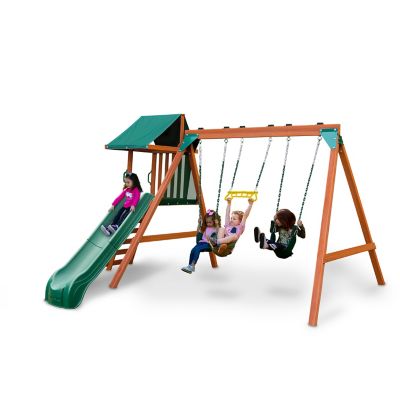
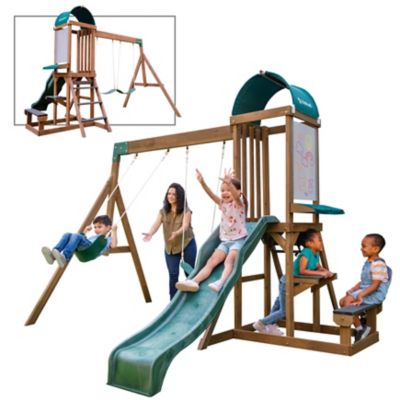
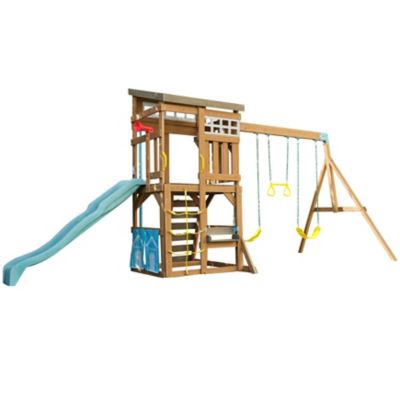
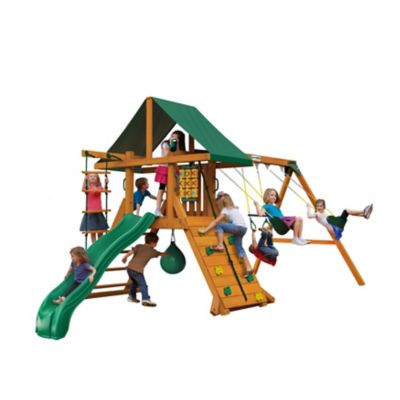
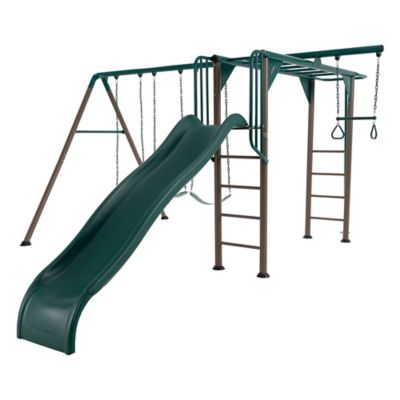
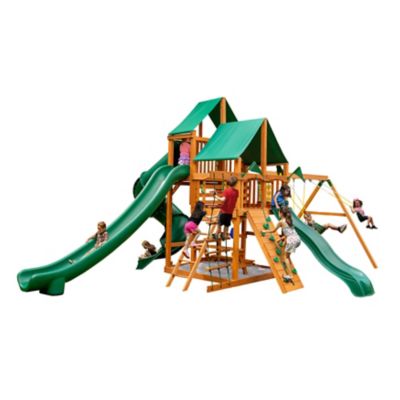
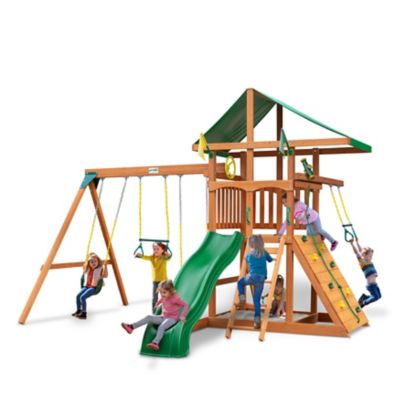
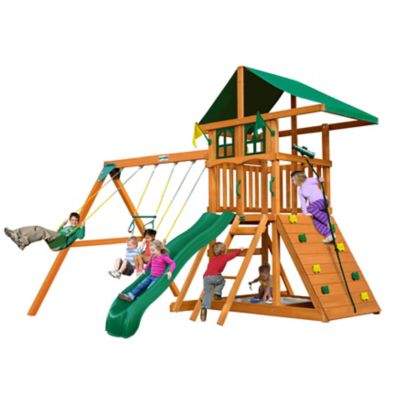
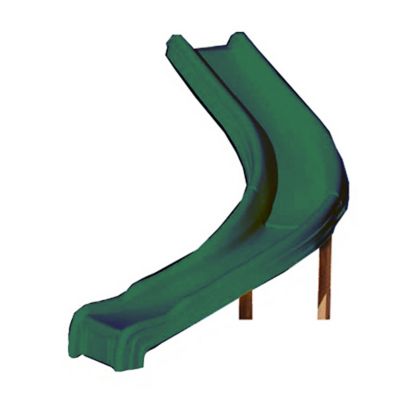
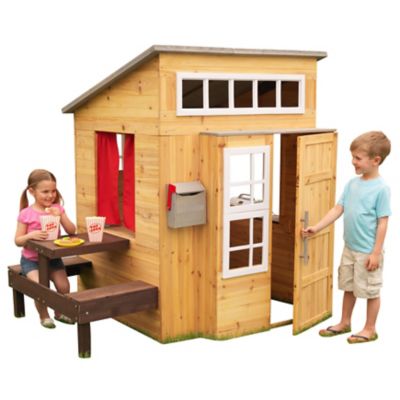
A wooden swing and slide set brings several kinds of play into one backyard space, from the steady back-and-forth of a swing to a climb up the ladder and a quick trip down the slide. For families with children who enjoy different activities, that combination gives everyone more ways to join in without needing separate structures scattered across the yard. Wood frames have a substantial look that fits comfortably beside a garden, fence line or open lawn, while the layout can range from a simple swing beam and raised platform to a larger play tower with several activity areas. Cedar is a common material because it contains natural compounds that help resist decay, though it still needs inspection and care. Other sets may feature lumber treated for its intended outdoor application. The wood species, treatment information and manufacturer’s maintenance requirements all matter more than appearance alone. Metal brackets, structural fasteners and swing hangers help connect the frame, while molded plastic slides provide a smooth riding surface when properly assembled and maintained. Straight slides offer a direct ride, wave slides add changes in slope, and curved or enclosed designs bring a different feel to the play area. Slide height, platform access and the child’s abilities should work together rather than making the tallest tower the automatic choice. Open decks make it easier to see children playing, while roofed towers and clubhouse-style spaces can become pretend lookout stations, little shops or places to pause between turns. Belt swings, climbing walls and overhead activities offer different challenges, so the most useful combination depends on how the children actually like to play. Families comparing these layouts can also explore
Playsets With Slide for a broader look at structures built around climbing and sliding. A simpler layout can be just as engaging as a feature-packed one when its activities suit the children and leave enough room for comfortable movement.
The space a wooden swing set needs includes much more than the area beneath its posts. Product dimensions describe the structure, while the required play area also accounts for moving swings, slide exits and clearance from nearby obstacles. A set that fits between the shed and the fence on paper may still leave too little room for safe play. Stationary play equipment commonly needs at least 6 feet of clear use space around it, and swings need additional clearance in their direction of travel. For back-and-forth swings, front and rear use zones commonly extend at least twice the height of the suspension point above the ground; the manufacturer’s layout requirements should determine the final placement. A level location, proper anchoring and space away from driveways, livestock areas, branches and overhead lines are important parts of that fit. On a larger property, keeping the play area within easy sight of the house or a nearby seating spot can make supervision more practical. Bigger yards still benefit from thoughtful placement rather than putting the set in an out-of-the-way corner. The surface underneath matters, too: grass and packed dirt alone do not provide adequate protection from falls, and concrete or asphalt does not belong beneath backyard play equipment. Playground surfacing needs to match the equipment’s fall height and installation requirements, with enough coverage to include the full use zone. Beyond yard measurements, the intended age range, weight limits and permitted number of children help determine whether a layout suits the household. A lower platform and straightforward ladder may better match a beginning climber, while older children may enjoy more demanding climbing features when those activities fall within the set’s ratings. A toddler seat does not automatically make a structure suitable for toddlers; both the seat and the playset must permit that arrangement. Clear routes between the ladder, swings and slide exit also help keep one child’s activity from crossing another child’s path.
Construction details and upkeep make a real difference in how a wooden swing and slide set serves a family over time. Precut lumber and labeled hardware can make assembly easier to organize, but a full structure may still involve heavy components, several stages of construction and more than one adult. Ground preparation, anchoring and the manufacturer’s assembly sequence are part of the finished setup, not details to leave until children are ready to climb. Access around the installation area matters for carrying long boards and positioning large sections without crowding nearby fences or plantings. Once assembled, the set benefits from regular checks of bolts, swing hangers, chains, seats, handholds and slide connections. Wood naturally changes as it settles and ages, and small surface checks can occur; deeper splits, loose joints, splinters or signs of decay call for attention according to the manufacturer’s directions. Any recommended sealant or protective finish should be suitable for the lumber and children’s play equipment. Cleaning methods should also suit both the wood and plastic components, without leaving residue on climbing or sliding surfaces. Replacement parts and added accessories need to match the original structure’s specifications, including attachment points and load limits. Extra ropes, cords or improvised attachments can introduce entanglement hazards and do not belong on the playset. For grandparents choosing a birthday gift, or parents setting up a shared backyard play space, the practical details count as much as the first excited climb. The children’s ages, available supervision, installation space and expected maintenance all help shape a sensible choice. Siblings may appreciate separate swing positions, while frequent playmates can make several distinct activity areas especially useful, provided the set’s occupancy limits allow them. There is plenty of fun in a wooden playset that gets the basics right: a comfortable swing, a climb that suits the child and a clear slide landing, all arranged where the family can keep an eye on the action.