Swine vitamins and supplements help round out a feeding program when a pig’s regular ration does not supply enough of a particular nutrient for its age, size, or stage of production. Their place in the feed room depends on the whole diet, not just what goes into the trough at one feeding. A grain-based ration may need a carefully balanced vitamin and mineral premix, while a complete swine feed may already provide the nutrients a healthy pig needs. Adding more on top of a complete ration is not automatically better, especially with nutrients that can build up in the body. Vitamins A, D, E, and K support functions that include vision, bone development, antioxidant protection, and normal blood clotting. B vitamins, including riboflavin, niacin, and B12, help with energy metabolism and other everyday body processes. Minerals matter alongside vitamins: calcium and phosphorus support the skeleton, while iron, zinc, copper, and selenium have roles in blood formation, growth, and normal body function. The balance between those nutrients matters just as much as their presence. Swine-specific formulas account for needs that can differ from those of cattle, horses, or other barnyard animals, making the animal designation on the label an important part of the fit. For a family raising a few feeder pigs, a youth livestock exhibitor, or a farm managing breeding animals, the most suitable supplement matches a defined need rather than a general promise of faster gains. Labels that spell out the intended life stage, nutrient concentrations, feeding rate, and method of delivery make it easier to compare formats against the existing ration. A veterinarian or swine nutritionist can help determine whether a suspected shortfall calls for a supplement, a feed adjustment, or a closer look at health and management. Good nutrition still starts with suitable feed and plenty of clean drinking water, whether pigs are rooting around an outdoor lot or eating from a feeder under cover.
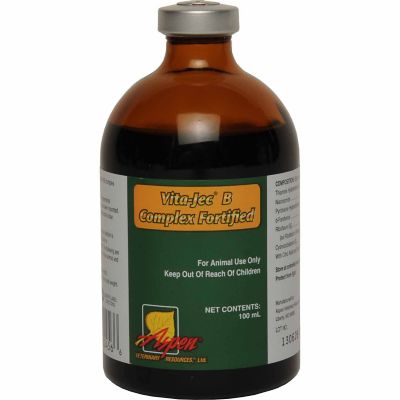
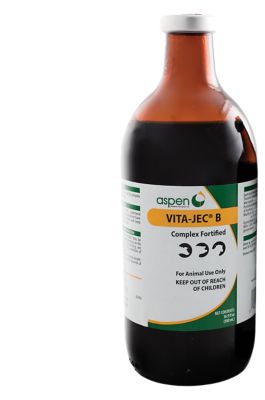
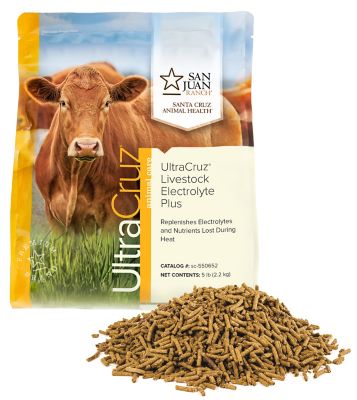
Different stages of a pig’s life bring different reasons to consider nutritional support. Young piglets have limited iron reserves, and sow’s milk generally does not provide enough iron to meet their rapid growth needs. Iron supplementation therefore has a specific place in piglet care, with oral and injectable formats requiring attention to their labeled age, dose, and administration directions. Injectable supplements also bring handling and sanitation requirements that make veterinary guidance especially valuable; they are not interchangeable with feed additives simply because they contain the same nutrient. Around weaning, changes in feed, surroundings, and social groups can put pressure on feed and water intake. Electrolyte supplements provide salts that support fluid balance, and some formulas also contain an energy source. Their role is nutritional support, not a replacement for veterinary attention when a pig has diarrhea, refuses water, or shows signs of illness. Water-soluble options need the correct dilution, fresh preparation as directed, and a delivery setup that keeps drinking water appealing and accessible. Growing and finishing pigs have changing nutritional demands as body weight increases, while gestating and nursing sows need rations matched to reproduction, body condition, and milk production. High-fat or high-protein supplements may serve a targeted purpose when extra energy or protein is appropriate, but the overall ration still needs to stay balanced. For show pigs, nutritional goals often include steady growth and suitable body condition leading into an exhibition. Supplements cannot change an animal’s underlying structure or take the place of sound feeding, exercise, and daily care. Alongside nutrition,
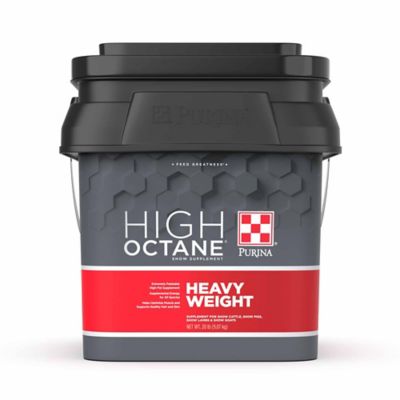
Show Swine Supplies can be part of getting a pig ready for handling, grooming, and time away from the home pen. Youth exhibitors and the adults helping at chore time benefit from a feeding routine that everyone can follow consistently. Measured portions and a written record of what each pig receives help keep a busy household from doubling a serving or overlooking a change in appetite. Any show program also needs to account for exhibition rules and label restrictions, including withdrawal directions when applicable.
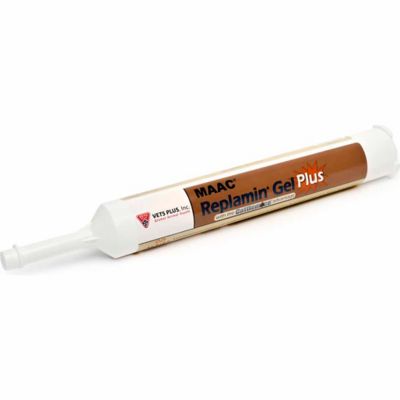
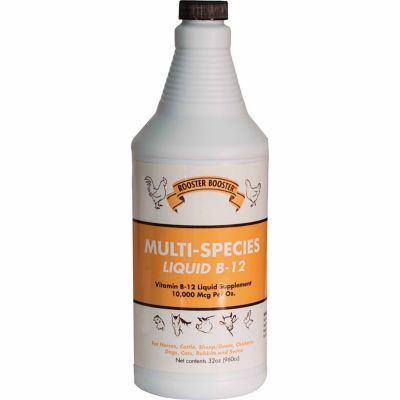
Format makes a practical difference when swine supplements become part of everyday chores. Powdered premixes are generally meant for thorough incorporation into a specified amount of feed, rather than a loose sprinkle over whatever happens to be in the pan. Concentrated formulas demand particular care because a small measuring mistake can change the nutrient level substantially. Base mixes and premixes can also differ in what they contain and how much belongs in a ration, so those names should not be treated as interchangeable. Top-dress supplements offer a way to add a measured portion to an individual pig’s meal when the label allows it, which can suit animals fed separately. Pelleted or granular formats may be easier to handle in some feeding setups, while liquids and soluble powders have their own measuring, mixing, and equipment requirements. A group pen adds another consideration: the bold pig at the feeder may take more than its share, so adding a supplement to shared feed does not guarantee that every animal receives an equal amount. Flavor, texture, and the way a supplement blends into familiar feed can influence acceptance, particularly with pigs already hesitant about a ration change. Packaging and storage matter, too. A bag that closes securely or a tightly sealed container helps protect the contents from moisture, pests, and feed-room dust. Vitamins can lose potency with poor storage, and damp powders may clump and become harder to measure or distribute evenly. A dry storage spot that stays within the label’s temperature limits is a better fit than a corner exposed to rain, direct sun, or freezing conditions that the formula cannot tolerate. During cooler weather, water lines and troughs still need attention because a water-delivered supplement is only useful if pigs can drink freely. Clean scoops, readable labels, and clear separation from other livestock feeds keep the routine straightforward. With the right match between formula, life stage, and feeding setup, swine vitamins and supplements can support a purposeful nutrition program without making daily chores needlessly complicated.