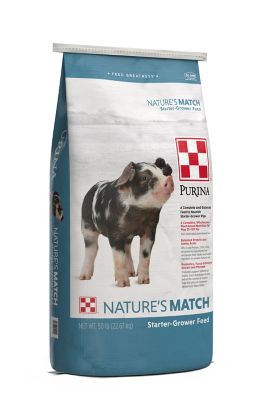
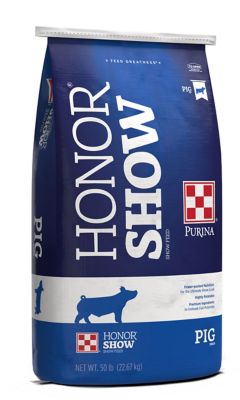
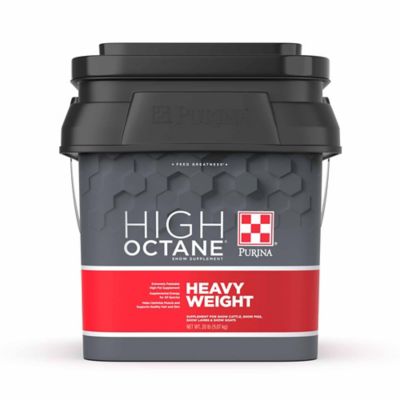
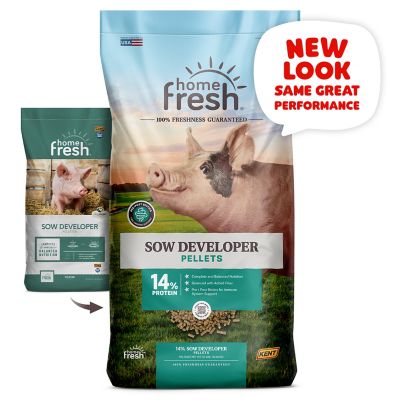
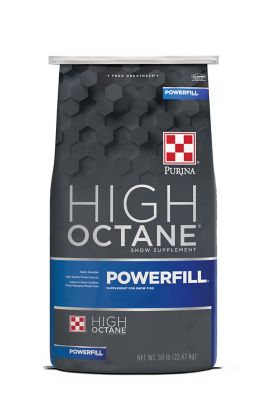
Show pig feed is formulated to support the growth, muscle development, and body condition of pigs being raised for livestock exhibitions. For families working on a 4-H project, FFA members preparing for a county fair, and exhibitors heading to a junior livestock show, the right ration helps build a steady feeding program from the growing stage through show preparation. These feeds can supply protein, energy, vitamins, and minerals, but their intended weight ranges and feeding directions matter more than the word “show” on the bag. A younger pig building its frame has different nutritional needs than a heavier pig approaching its target show weight. Starter, grower, and finisher designations help distinguish those stages, though the feed tag provides the details for each formula. A complete show pig feed is designed to serve as the main ration when fed according to its directions, while a concentrate requires other ingredients in specified proportions to make a balanced diet. That distinction matters when comparing feed types: adding grain to a complete ration can dilute the nutrients supplied in each pound. Intended use also includes the pig’s size, appetite, health, and rate of gain. Two pigs sharing a barn may need different feeding plans, even when they started at similar weights. One may grow quickly and carry more cover, while another stays lean and needs support for steady growth. Genetics influence frame, muscling, and overall appearance, so feed supports the animal’s development rather than guaranteeing a particular look in the ring. Regular weights and hands-on checks of body condition give a clearer picture than appearance alone. A pig that looks bigger after a meal has not necessarily added muscle or lasting body weight. Matching the ration to the animal’s stage and keeping realistic growth goals helps make feed selection more purposeful, whether the project involves one pig in a backyard pen or several animals in a show barn. The aim is sound growth and appropriate condition, with enough time to make sensible adjustments before weigh-in.
The feed tag is the best starting point for comparing show pig nutrition. Crude protein describes the overall protein concentration, while amino acids such as lysine help determine how well that protein can support growth. Lysine is especially important for muscle development in growing pigs, and a higher crude protein percentage does not automatically make a feed the better match. Energy intake must also support growth; protein alone cannot make up for a ration that supplies too little energy or for a pig that is not eating enough. Crude fat provides one clue about energy concentration, but the full formula and feeding rate matter too. Fiber contributes to the ration’s overall makeup, and changing fiber levels can affect energy density, gut fill, and manure consistency. Calcium and phosphorus support skeletal development, while the vitamin and trace mineral package helps meet everyday nutritional needs. The guaranteed analysis lists several of these nutrients, and the ingredient statement offers another view of the formula. Grain ingredients can supply energy, protein ingredients can contribute amino acids, and added fats can increase energy concentration. Comparing ingredients alongside the analysis and directions is more useful than judging a ration by one ingredient alone. Feed form is another practical consideration. Pellets bring the ingredients together in each bite and can reduce sorting, while meal feeds have a ground texture that calls for attention to feeder adjustment and waste. Pellet size and texture should suit the pig’s feeding stage and ability to eat comfortably. A ration that works well on paper still needs to fit the animal’s appetite and the feeding setup in the pen. For a pig nearing its target weight, changes meant to manage gain deserve input from an experienced swine nutritionist, veterinarian, or extension professional. Sharp feed cuts can interfere with nutrient intake, and withholding water is not an appropriate weight-management practice. A suitable plan balances the intended rate of gain with continued nourishment, rather than chasing a scale number at the expense of the pig’s health.
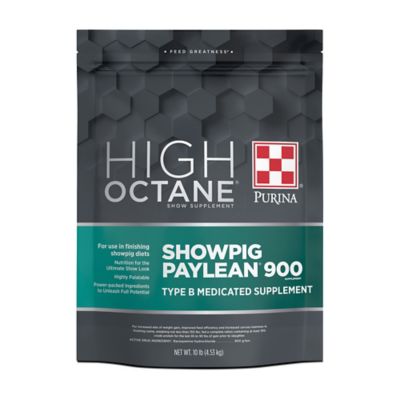
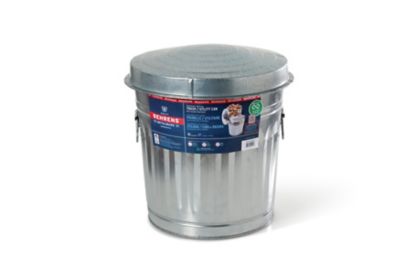
Day-to-day handling helps a show pig feeding program stay consistent. Feed belongs in a dry storage area, protected from pests and kept in a clean, covered container when transferred out of the bag. Keeping the original tag makes it easier to check feeding directions, identify the formula, and review any storage recommendations. Rotating bags so the oldest feed is fed first helps keep the ration fresh, and feed with mold, an unusual smell, or signs of contamination should stay out of the feeder. Clean troughs and sensible feeder settings help limit waste and make changes in appetite easier to spot. A pig that normally cleans up its portion but suddenly leaves feed behind may need a closer look at its water supply, comfort, or health rather than an immediate switch to another ration. Fresh drinking water should remain accessible, with waterers checked for flow and positioned so the pig can drink comfortably. Consistent access to water supports normal feed intake and digestion. When a ration changes, a gradual transition following label directions or professional advice gives the pig time to adjust. Measuring feed by weight, rather than relying on an uneven scoop, makes portions easier to compare from day to day. Simple records of body weight, feed intake, and changes in condition can reveal whether a program is supporting the intended progress. Families with more than one person handling chores benefit from a clear feeding routine, so a pig does not receive an extra meal simply because someone else thought it had been missed. Additional nutritional support also needs to fit the complete diet. The options grouped under
Swine Vitamins & Supplements can be considered alongside the main ration, but adding several fortified products may overlap nutrients already supplied by the feed. Label directions and professional input help keep those additions purposeful. With the right feeding stage, a balanced formula, careful storage, and steady barn chores, show pig feed becomes part of a practical program built around the animal in the pen and the project ahead.