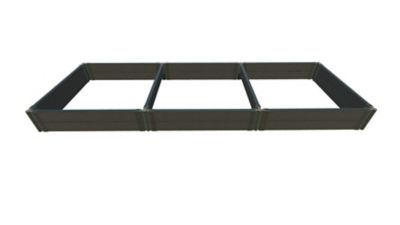
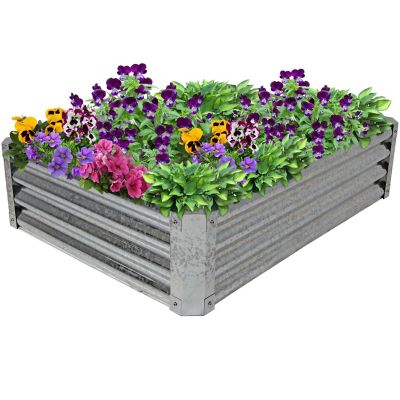
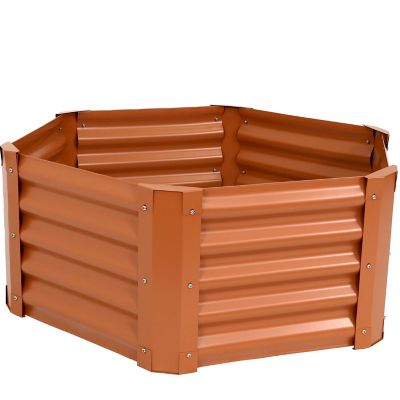
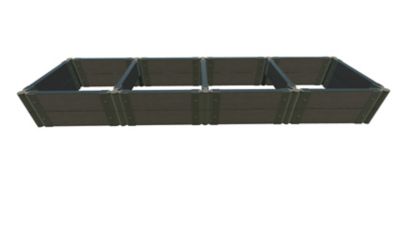
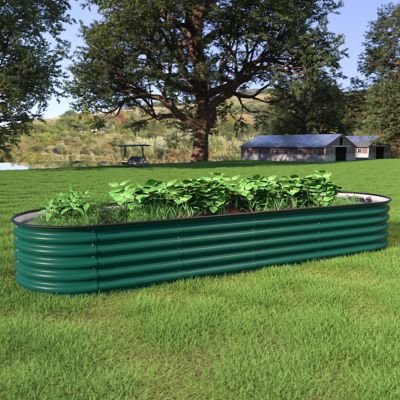
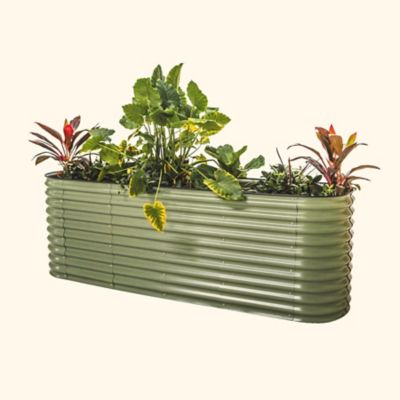
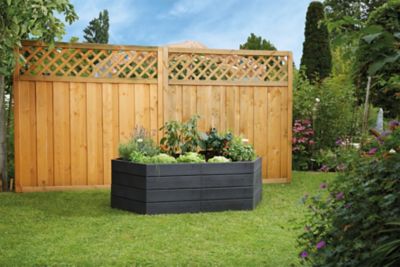
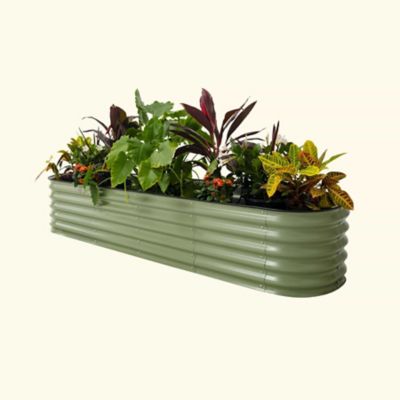
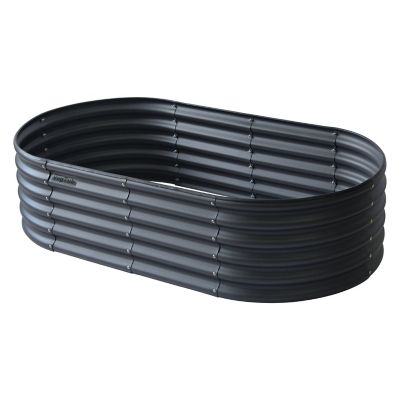
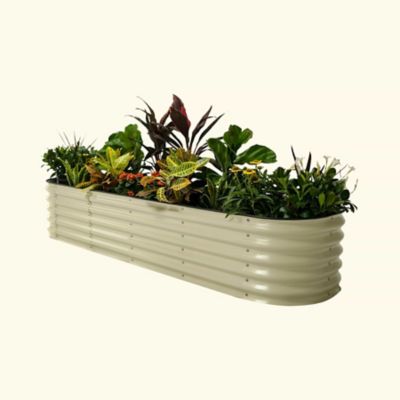
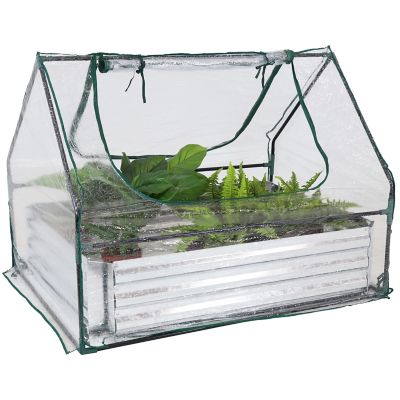
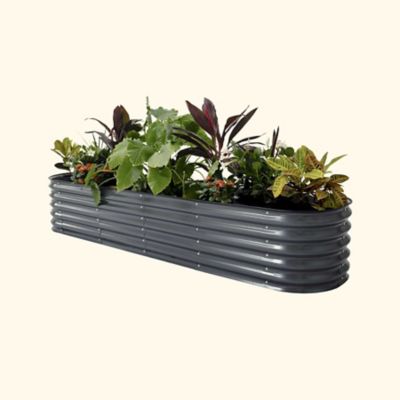
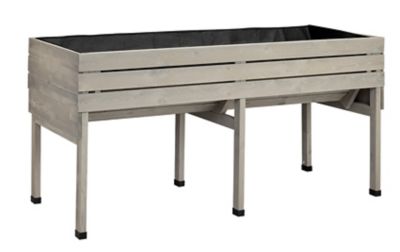
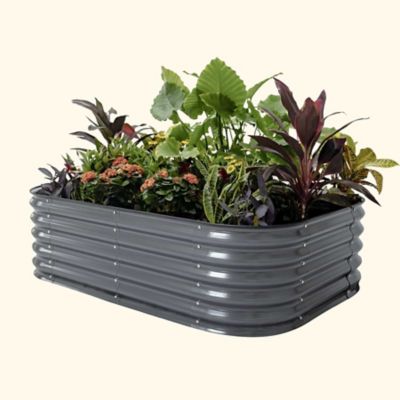
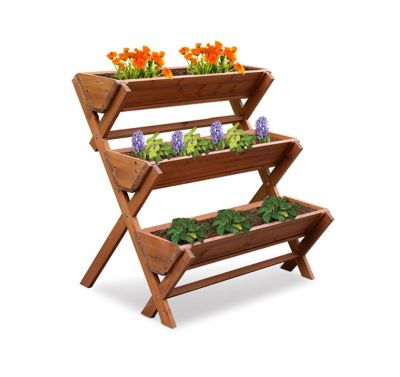
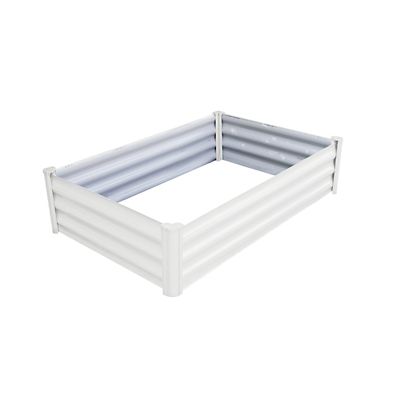
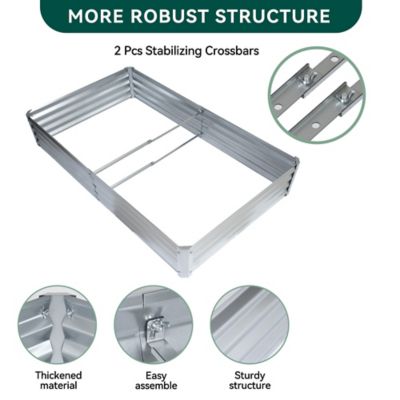
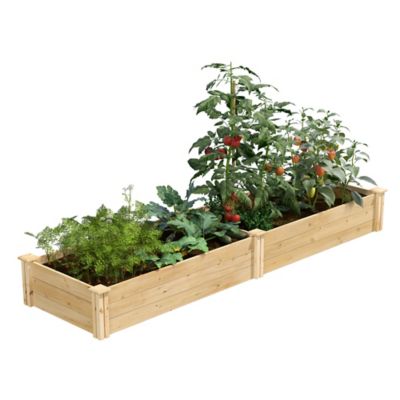
Supplies for raised garden beds bring together the frame, growing medium, watering equipment, and everyday tools that keep a planting space working well. Whether the goal is a few kitchen herbs beside the porch or several beds of vegetables behind the barn, the right combination starts with the space and what will grow there. Bed frames come in wood, metal, and other materials, each with different considerations for assembly, upkeep, and placement. Cedar and redwood offer natural resistance to decay, while galvanized steel provides firm sides without taking up much planting room. Fabric beds offer a lightweight alternative, though they need a level surface and support from the soil inside. For wood frames, board thickness, corner connections, and replacement hardware matter as much as the overall dimensions. For metal frames, protected edges, a sound finish, and compatible fasteners deserve a close look. A practical rectangular footprint, such as the layouts found among
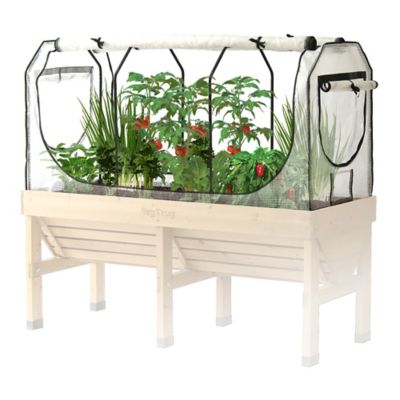
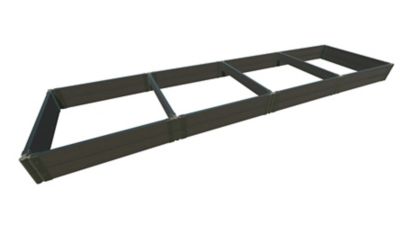
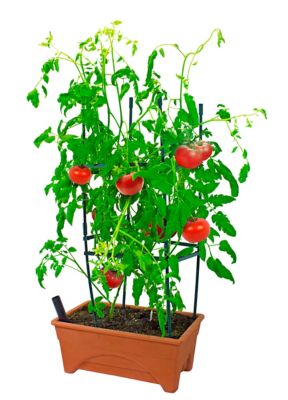
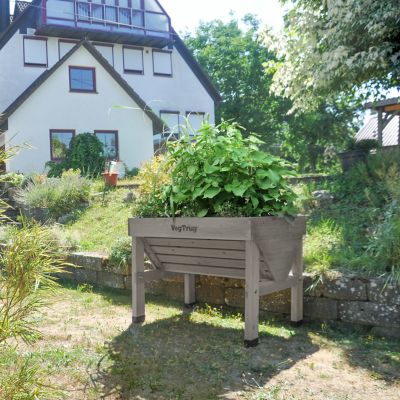
4 x 8 raised garden beds, can accommodate rows of greens, herbs along an edge, or vegetables paired with upright supports. Width affects how comfortably someone can reach the middle without stepping on the soil, and beds against a fence generally need to be narrower than beds accessible from both sides. Height matters, too: a taller frame can reduce bending, but a tall open-bottom bed is not the same as an elevated planter with a bottom and legs. Root space, soil weight, and drainage all affect which supplies fit each style. On a porch or other raised surface, the load capacity beneath a filled planter is an important consideration. Around ground-level beds, enough room for a wheelbarrow, kneeling pad, or mobility aid makes regular tending less of a squeeze. Matching the footprint, working height, and access space gives gardeners a setup that fits the yard rather than making every task a reach across the lettuce.
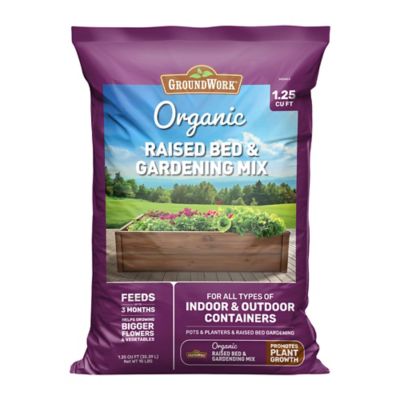
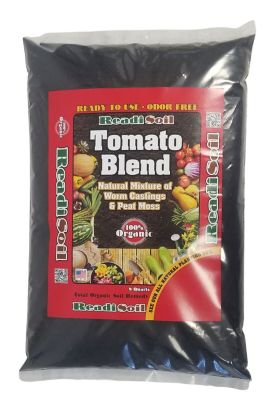
Soil and amendments make up much of what goes inside a raised bed, and their purpose goes beyond simply filling the frame. A suitable growing medium balances moisture retention, drainage, and room for roots to spread. Soil blends labeled for raised beds often combine mineral soil with compost and other ingredients that support that balance; mixes intended for containers may be more appropriate for elevated planters with enclosed bottoms. Plain garden soil can become dense in a confined planting space, while compost generally works as part of a blend rather than the entire fill. Ingredient lists help shoppers compare the roles of compost, coir, perlite, and other components without assuming that every bag serves the same purpose. Compost adds organic matter, coir helps hold moisture, and perlite creates air space. The amount needed depends on the inside measurements and intended fill depth, not just the outside size of the frame. A bed measuring 4 feet by 8 feet inside, with a 12-inch fill depth, holds about 32 cubic feet of growing medium before settling. Deeper beds require more material, although an open bottom may allow roots to reach suitable soil underneath. Existing ground conditions matter when considering liners and barriers. Hardware cloth beneath an open-bottom frame can help keep burrowing animals out, while a solid, nonporous liner across the bottom can interfere with drainage. Soil testing supplies and fertilizers round out the growing medium choices. A soil test can identify pH and nutrient needs, making it easier to match an amendment to the bed instead of adding something it does not need. Fertilizer labels distinguish feeding rates and intended crops, and more is not necessarily better. Vegetables grown for leaves, fruiting plants, and herbs can have different needs. Mulch adds another useful layer by limiting exposed soil and helping retain moisture, with a little open space around plant stems.
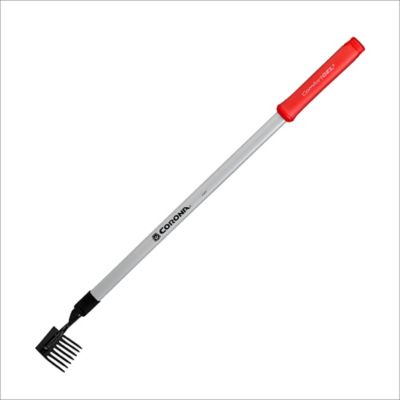
Watering supplies, plant supports, and hand tools handle the work above the soil line. Drip tubing and soaker hoses deliver water near the roots, while watering cans and hose wands suit smaller beds or plantings that need individual attention. The best fit depends on the bed layout, distance to the water source, and whether the gardener prefers hands-on watering or a timer-controlled setup. Tubing diameter, connector style, operating pressure, and filter requirements need to work together; a fitting that looks close may still leak or fail to connect. A shutoff valve near the bed can save trips back to the spigot, and hose guides help keep a dragged hose from flattening tender plants along the corners. Stakes, cages, and trellises provide support for climbing or heavy-bearing plants, with height, opening size, and anchoring strength matched to the crop. A trellis at one end of a bed can carry climbing beans, while sturdy cages keep sprawling growth from covering a nearby row. Support hardware also needs to suit the frame without damaging its edges or coating. For close work, hand trowels, cultivators, pruning tools, and gloves offer control between plants where a long-handled tool may feel clumsy. Handle shape and weight make a difference during repeated planting or weeding, especially for gardeners with limited grip strength. Kneeling pads and garden seats can make low beds easier to tend, and plant labels keep similar-looking seedlings straight. Care supplies have a place here as well: a brush for clearing soil from tools, replacement connectors for irrigation lines, and matching fasteners for frame repairs help keep the setup in working order. Removing soil from metal tools, letting fabric components dry before storage, and checking frame connections support a longer service life. For a first raised bed or an established vegetable patch, supplies that fit together make the everyday jobs simpler, from reaching a loose fitting to picking supper without stepping into the planting space.