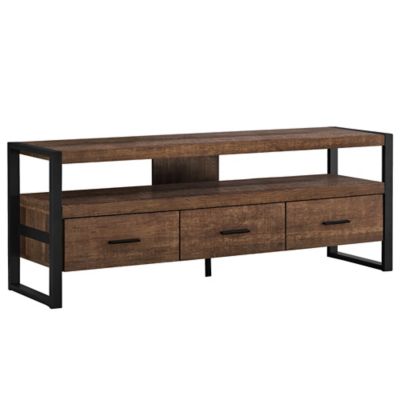
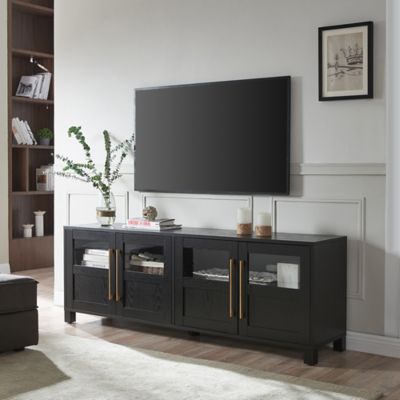
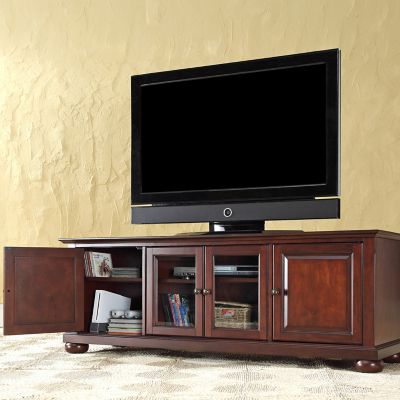
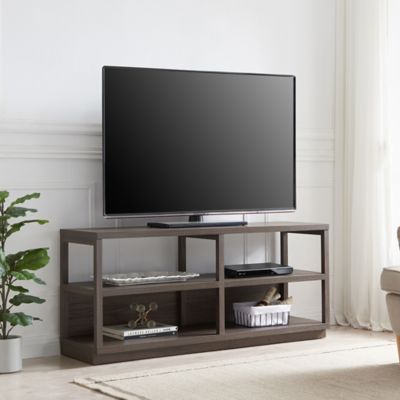
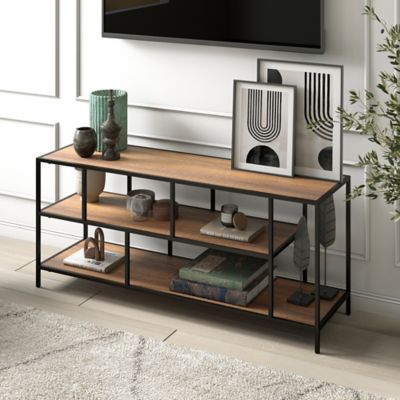
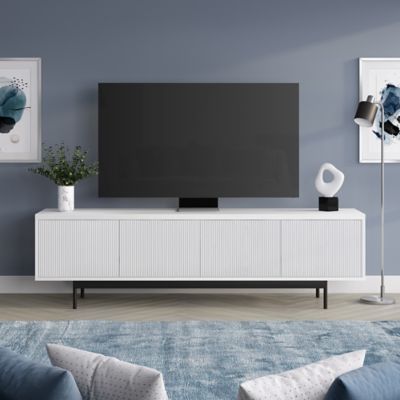
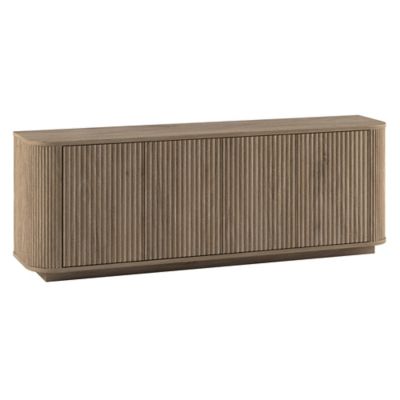
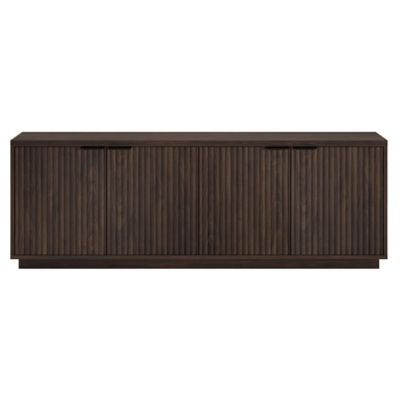
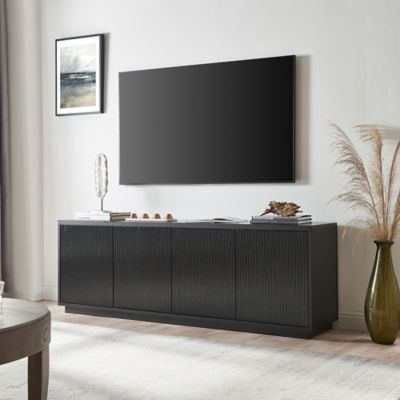
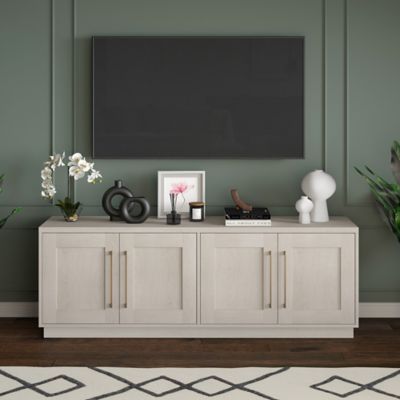
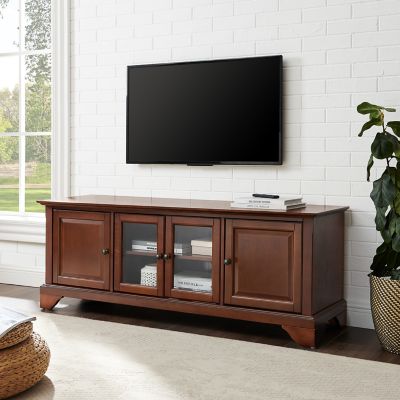
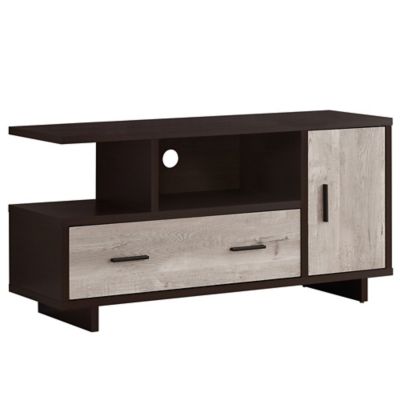
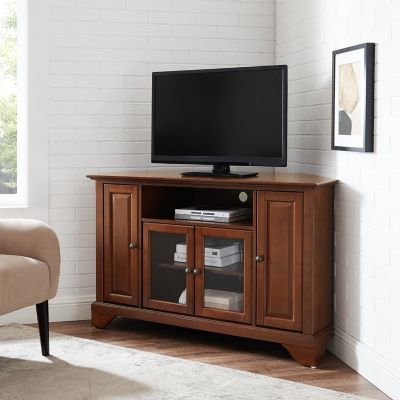
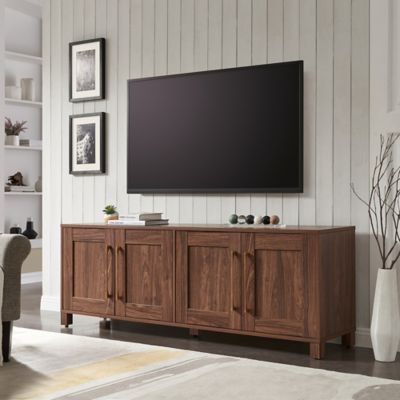
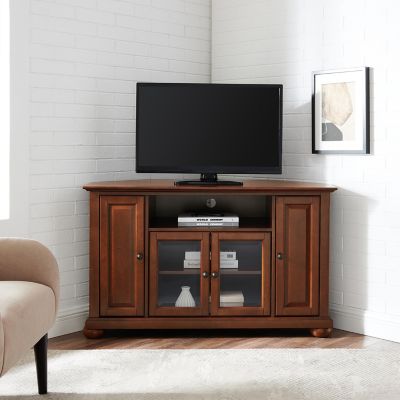
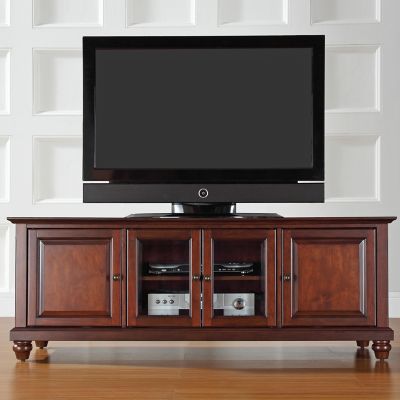
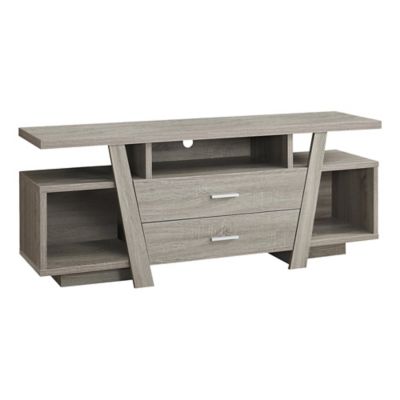
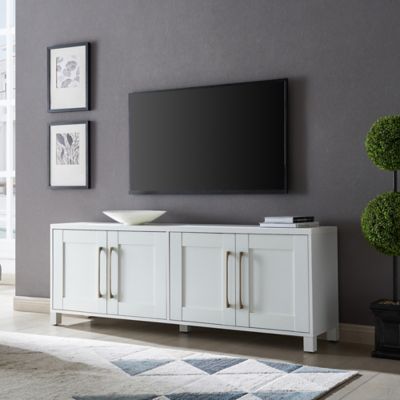
Sturdy TV stands give your screen a solid place to sit while keeping the everyday clutter of a living room under control. Whether the television is in a farmhouse family room, a cabin gathering space, or a den just off the kitchen, the stand has a job beyond looking good: it needs to support the television’s weight, fit its base, and stay steady through ordinary household activity. Strong construction can take several forms, including solid wood cabinets, reinforced metal frames, and substantial engineered wood panels with well-supported joints. Material alone does not tell the whole story. Frame design, fasteners, shelf thickness, and the placement of support legs all affect how a stand handles its load. The most important starting point is the manufacturer’s stated weight capacity for the top surface, rather than the recommended screen size alone. A television’s advertised size measures the screen diagonally; it does not tell you how far apart its feet sit or how deep its base extends. Comparing those measurements with the stand’s usable top width and depth helps ensure that every part of the television base rests fully on the surface. Allow room for any equipment that will share that space, too, while staying within the applicable load limit. For a wider console, a center support leg or another form of reinforcement beneath the long span can help limit sagging when properly installed. These details matter in a room where folks settle in after chores, kids spread out on the rug, and a ballgame plays while supper finishes. During the cooler months, when more evenings move indoors, a well-proportioned TV stand helps make that gathering spot feel settled without taking over the room. A broad cabinet can visually balance a large screen, while a narrower stand may suit a bedroom or smaller sitting area, provided its dimensions and capacity match the television.
Storage layout makes a big difference in how a sturdy TV stand fits daily life. Open shelves keep streaming equipment, game consoles, and frequently reached-for accessories close at hand, with fewer doors between a remote and a device that needs a clear signal. Enclosed cabinets tuck away spare cords, controllers, and the stack of movies that still gets pulled out on a quiet evening. A mix of open and closed storage often suits a busy household: equipment stays accessible, while smaller odds and ends have somewhere to go. Adjustable shelves add flexibility, but each shelf has its own load limit, separate from the capacity of the top. A receiver or other heavy component needs adequate support as well as the ventilation clearance its manufacturer specifies. Cable openings are another practical detail worth noticing. Openings placed near the equipment make it easier to route power and signal cords without pinching them against a wall or leaving loops across the floor. Leave enough access to reach plugs without having to wrestle a loaded cabinet away from the wall. Stand height also changes the feel of the room. From a favorite recliner or the middle of the couch, the screen should sit at a comfortable viewing height that does not leave you craning your neck; the television’s own base adds to the final height. Depth deserves just as much attention, especially in an older home with narrow walkways or a living room that doubles as the route to the back door. Measure the cabinet with doors and drawers open, not only closed, so storage remains easy to reach. Wood tones can bring warmth beside a worn leather chair, while metal framing can fit naturally with simple furnishings and exposed beams. Smooth surfaces and accessible shelf spaces make dusting less of a chore. The best fit comes from balancing the look you like with the space, equipment, and storage your household actually needs.
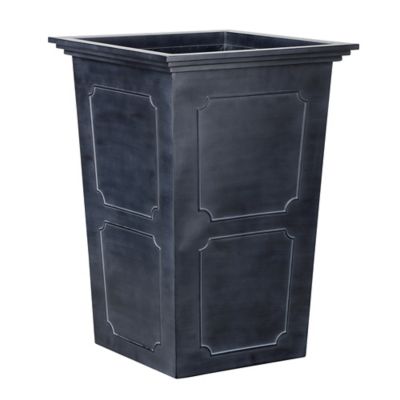
Placement and assembly are just as important as the stand’s construction. A heavy cabinet is not automatically tip-resistant, and even a substantial frame needs a level footing. Follow the assembly directions, install every specified brace and support, and check that adjustable feet make firm contact with the floor. On an uneven floor, leveling features can help remove wobble, but they cannot make up for damaged parts or an overloaded surface. Secure the television and furniture as their manufacturers direct, using appropriate anti-tip hardware and wall attachment methods, particularly in homes with children or pets. Keep tempting objects off the television and avoid arranging shelves in a way that invites climbing. For stands with an integrated television mount, compatibility includes the screen’s mounting-hole pattern, the supported weight, and any stated size limits. Rolling TV stands bring a different kind of flexibility to multipurpose rooms, but caster ratings, locking mechanisms, and the maker’s rules for moving a mounted screen deserve close attention. Stationary cabinets often make more sense when the television has a permanent spot and storage is a priority. Either style can serve someone furnishing a first home, setting up a guest room, or replacing a console that no longer fits a larger screen. As a housewarming or family gift, a TV stand is most useful when the recipient’s room measurements, television specifications, and preferred finish are known ahead of time. Think about delivery access as well: doorways, tight turns, stairs, and the weight of the assembled furniture can all affect getting it into place. Leave some breathing room around the finished setup rather than filling every inch of the top. If a plant belongs beside the entertainment area, a separate support keeps watering away from electronics;
Heavy Duty Plant Stands offer another place to look for a support suited to the planter’s size and weight. With the television properly supported, cords tucked clear, and everyday gear within reach, the room is ready for an evening movie or a little time off your feet.