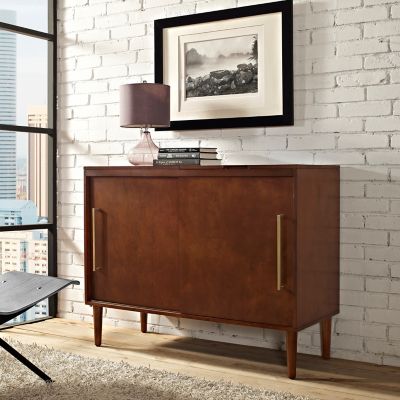
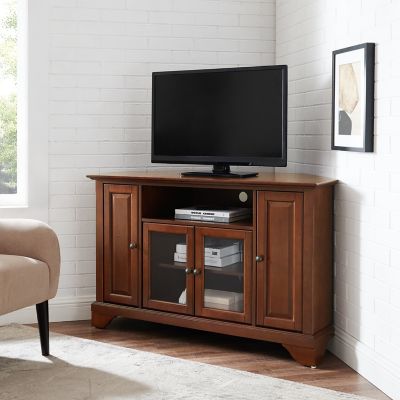
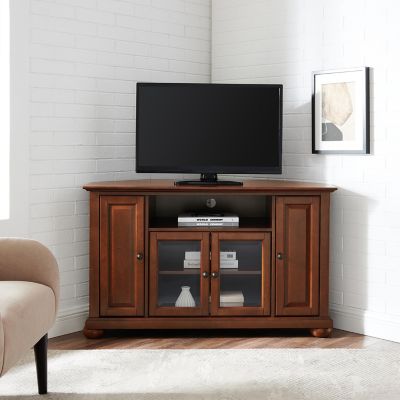
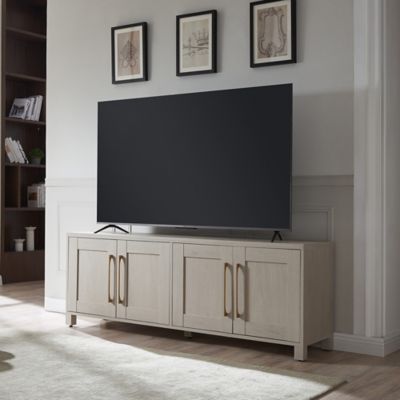
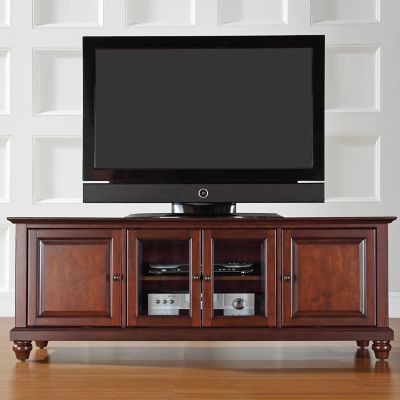
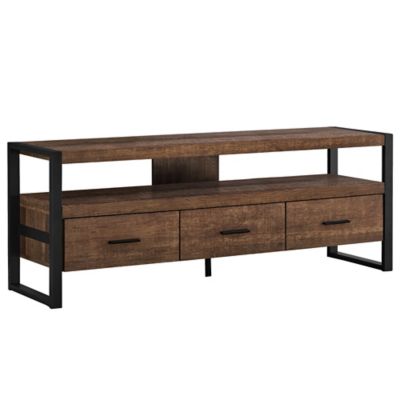
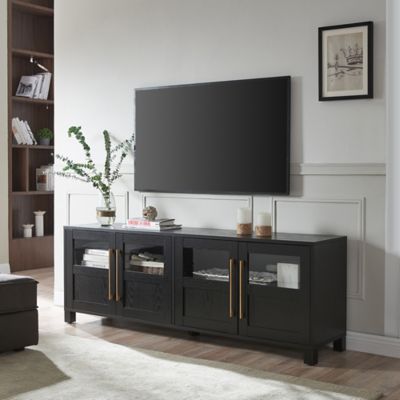
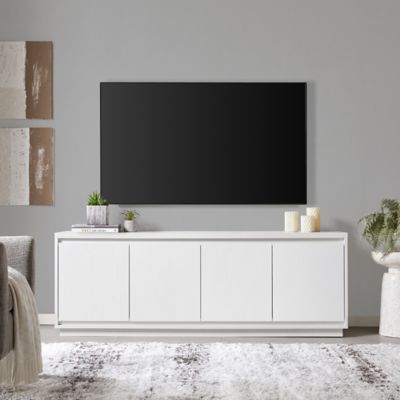
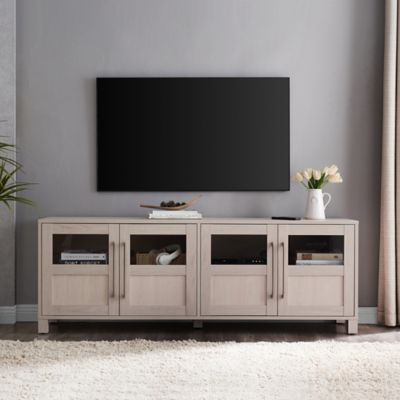
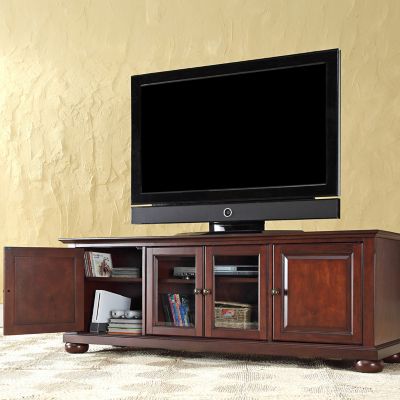
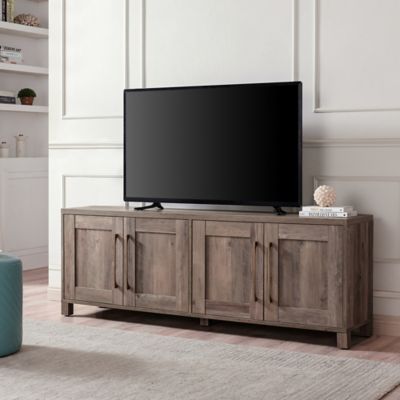
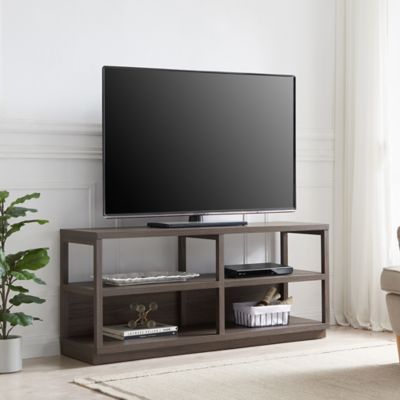
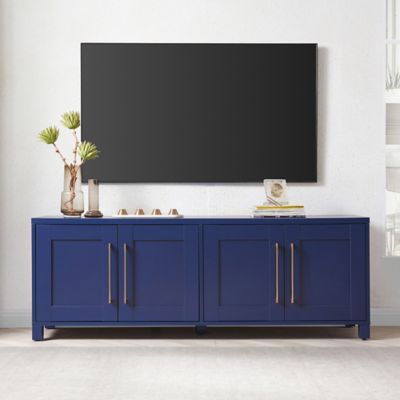
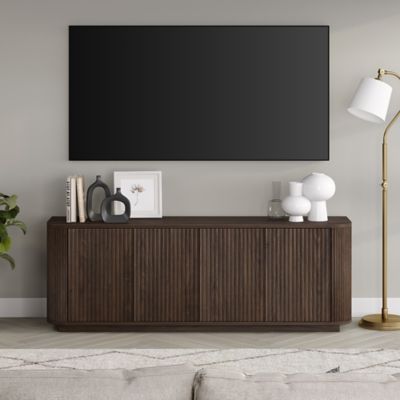
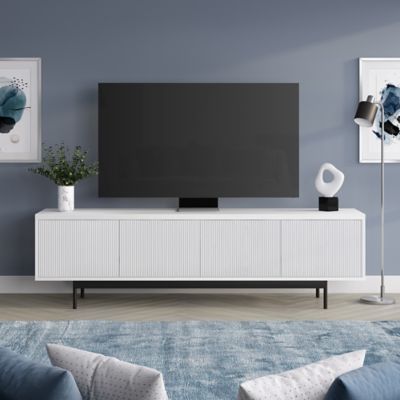
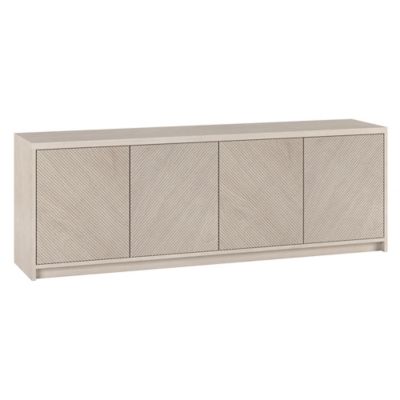
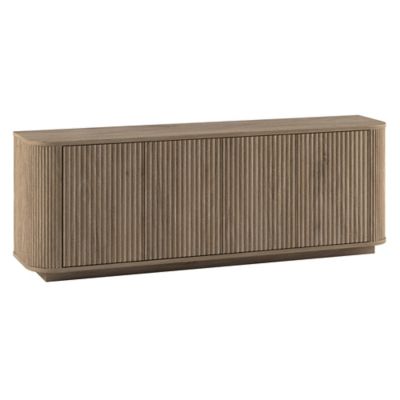
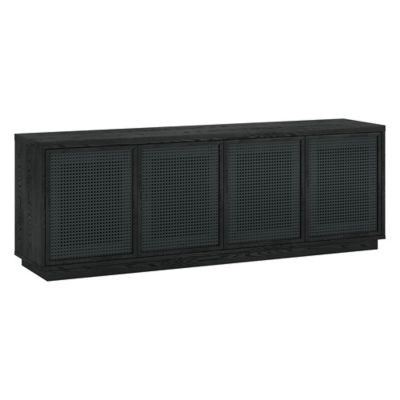
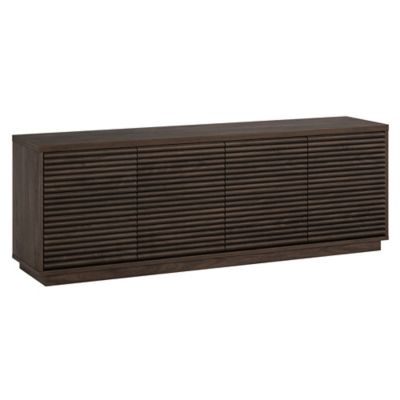
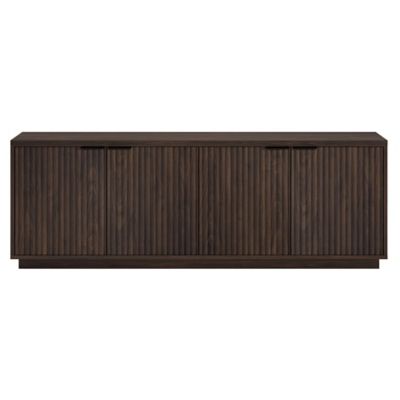
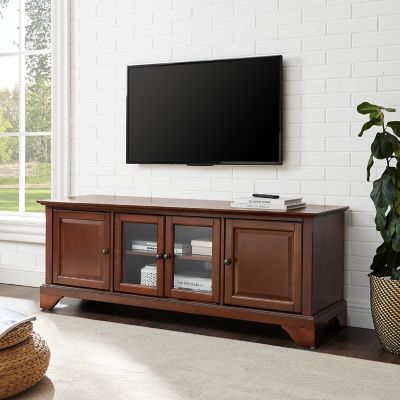
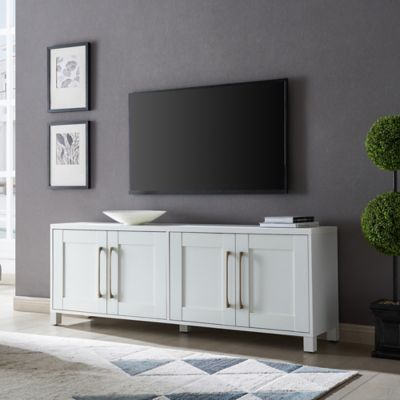
Wooden TV stands bring a grounded, comfortable feel to a room while giving the television and its gear a place to land. In a farmhouse living room, a compact apartment, or a den off the kitchen, wood fits easily alongside familiar furnishings such as a leather recliner, a woven rug, or a well-loved couch. The grain, finish, and shape all influence how the stand settles into that space. Lighter wood tones can keep a small room from feeling crowded, while deeper brown finishes give a larger wall some visual weight. Painted surfaces offer another way to tie the stand to nearby bookcases, trim, or cabinets without matching every piece exactly. Simple fronts and straight legs tend to blend into the room, while paneled doors, visible hardware, and thicker tops make the stand more of a focal point. Construction matters just as much as appearance. Solid wood brings natural grain variation, and it can expand or contract with changes in indoor humidity. Wood veneer places a thin layer of real wood over a supporting core, while engineered wood offers another construction approach that may carry a wood-look surface or painted finish. Each calls for care suited to its surface, and the construction details help explain how a stand will handle everyday life. Sturdy joints, properly supported shelves, and a base that sits level all contribute to lasting service. A wood-and-metal frame can bring a more workshop-inspired look, while an enclosed wooden base creates a furniture-like presence. Neither approach has to turn the living room into a showroom. The right wooden TV stand feels at home beside everyday belongings, with enough space for the equipment that matters and a finish that works with the rest of the room. A thoughtfully sized stand can make an otherwise awkward wall feel settled, whether the television is the center of family movie night or simply part of a comfortable spot to unwind.
Fit starts with the television, but it extends well beyond the screen. A TV’s advertised size describes its diagonal measurement, not the width of its cabinet or the distance between its feet. The stand’s stated television-size range, weight capacity, and usable top dimensions are the practical details that determine whether the pairing makes sense. Wide-set feet need full support, and a center pedestal still needs enough depth to rest securely. A larger screen can also look out of balance on a narrow base, even when its weight falls within the listed limit. For rooms built around a broad screen,
oversized TV stands offer another direction to consider, with proportions better suited to a substantial entertainment setup. Room layout deserves the same attention as television measurements. A shallow stand may leave more walking space between the couch and the screen, while a deeper cabinet can accommodate larger components without crowded wiring. Doorways, floor vents, and nearby furniture can limit where a stand fits, particularly in a living room that also serves as the main route through the house. Cabinet doors and drawers need clearance to open without bumping a coffee table or blocking a passage. Height affects comfort, too. A screen positioned near seated eye level generally makes viewing easier than one perched far above the couch, though the final arrangement depends on the television and seating. When the TV is wall-mounted, a wooden stand beneath it can still hold components and help the wall feel balanced. Baseboards and outlet locations may keep a cabinet from sitting flush, so a little space behind it can be useful for plugs and cables. A level, stable position and anti-tip restraints installed according to the furniture and television manufacturers’ directions are especially important in homes with children or pets. Drawers, shelves, and cabinet tops should never become climbing steps.
Storage is where a wooden TV stand earns its place day after day. Open shelves keep a streaming device, game console, or receiver within easy reach, while enclosed compartments help tuck away controllers, extra cords, and movie cases. A mix of both can suit a busy household: the equipment stays accessible, and the small loose pieces have somewhere to go before company arrives. Shelf measurements deserve a close look because a component needs space around it, not just enough room to squeeze inside. Electronics can give off heat, and their ventilation requirements still apply when they sit behind a cabinet door. Rear openings can help route cables, but they do not replace the airflow specified by the equipment manufacturer. Adjustable shelves offer flexibility when the setup changes, and shelf weight limits matter for heavier receivers or stacks of books. A soundbar needs a clear position that does not block the television’s remote sensor or cover the bottom of the screen. Even a small detail, such as leaving an accessible path to the power strip, can save frustration when a device needs to be unplugged. Everyday care helps preserve the stand’s appearance and structure. A soft cloth removes dust without rough scrubbing, and spills are best wiped up promptly rather than left to settle along seams or beneath equipment. Cleaning products should match the finish and follow the furniture maker’s recommendations; excess water and harsh cleaners can damage wood surfaces and protective coatings. Felt pads beneath suitable accessories can limit scratches, while lifting equipment instead of dragging it helps protect the top. Hinges, drawer slides, and fasteners may need occasional attention as directed by the manufacturer. For someone furnishing a first home or setting up a family gathering space, a wooden TV stand can also make a practical housewarming gift when room measurements and personal taste are known. The best fit brings together comfortable viewing, sensible storage, and a look that belongs in the home.