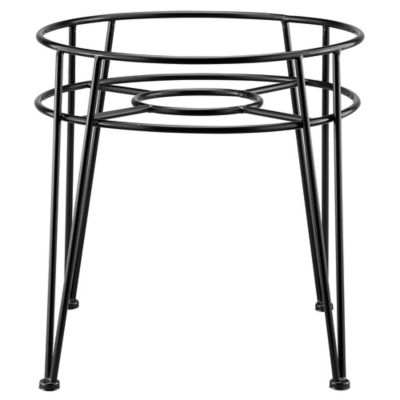
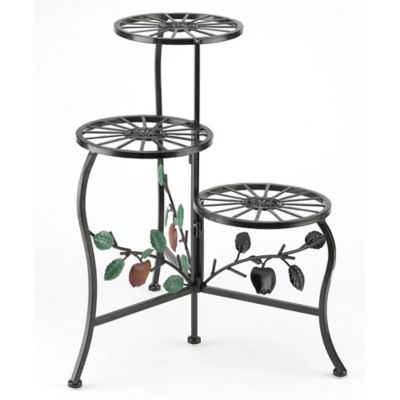
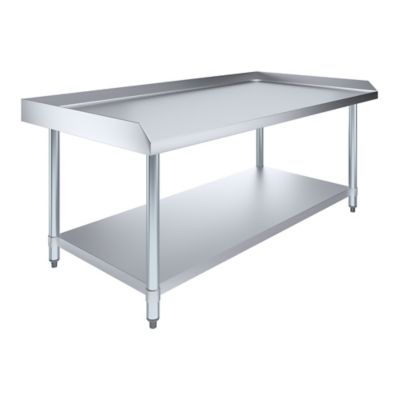
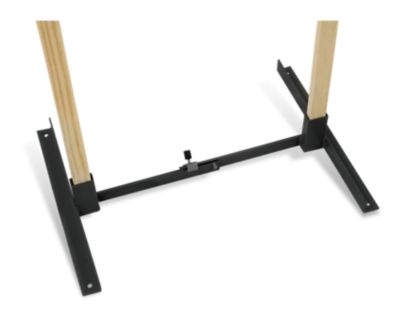
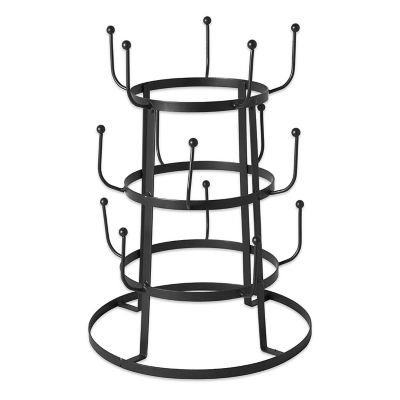
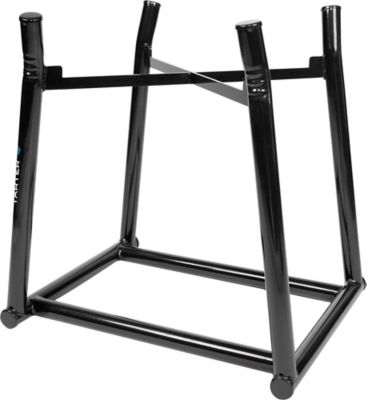
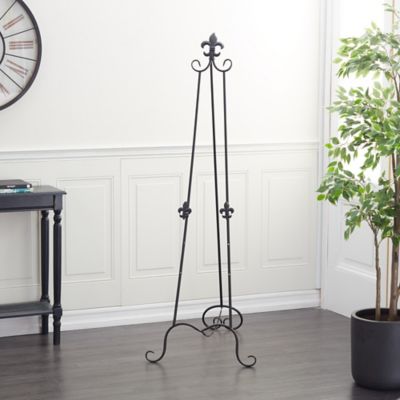
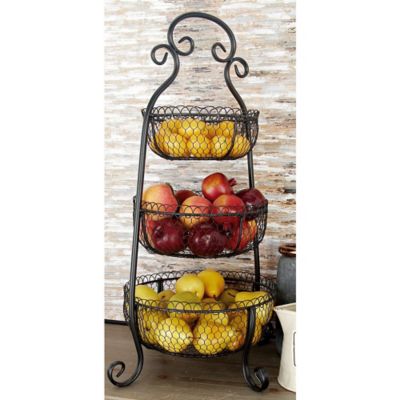
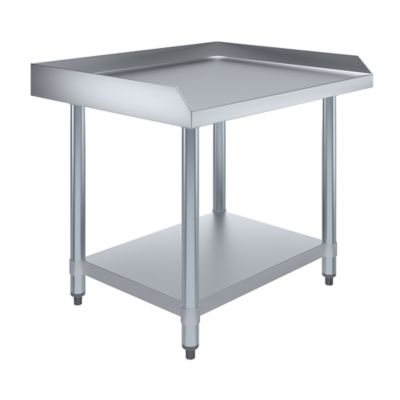
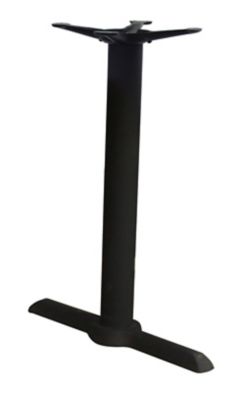
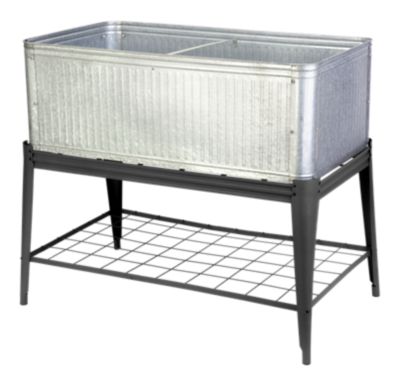
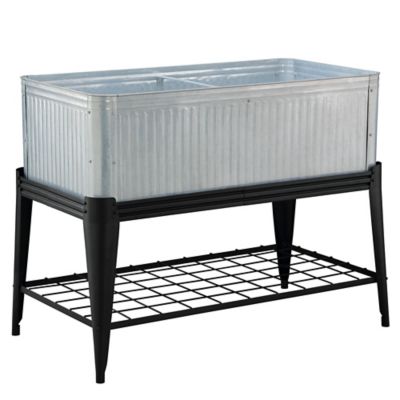
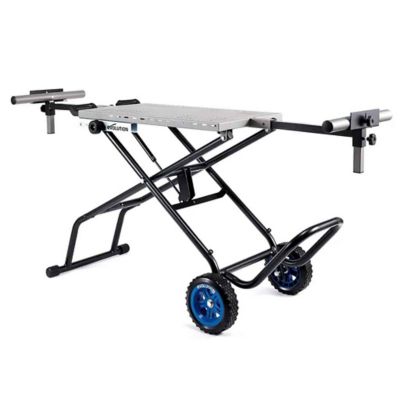
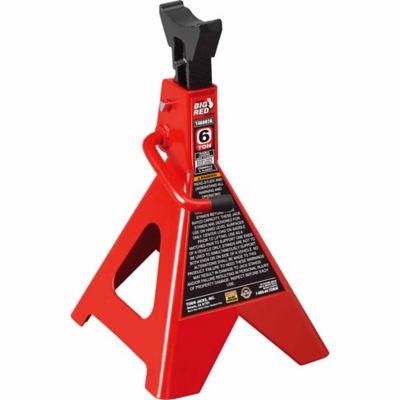
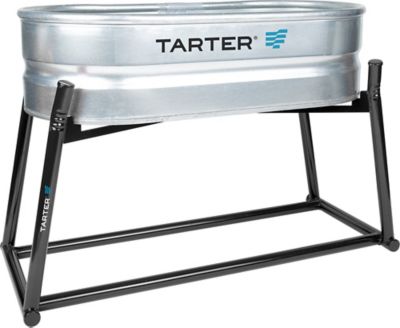
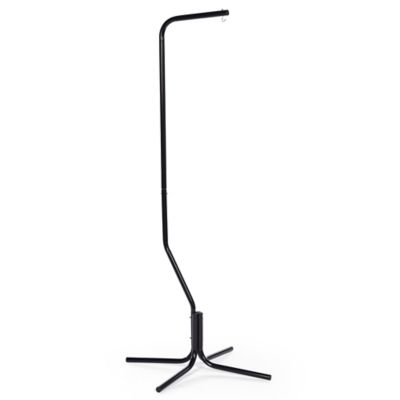
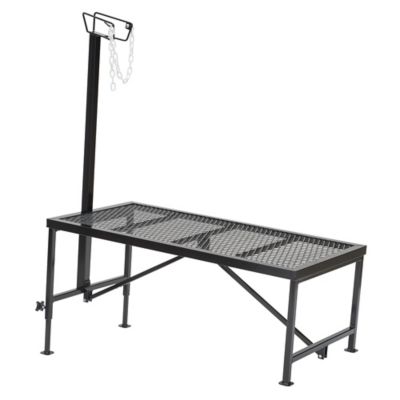
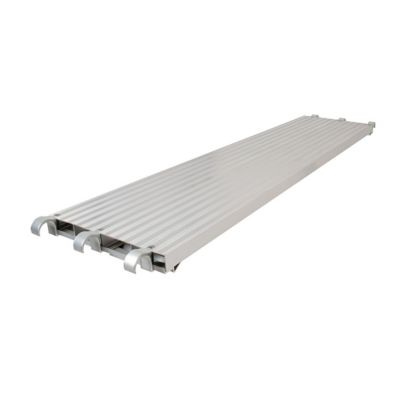
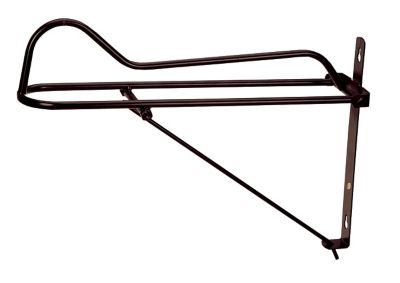
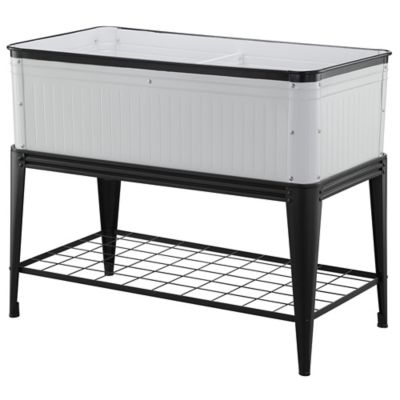
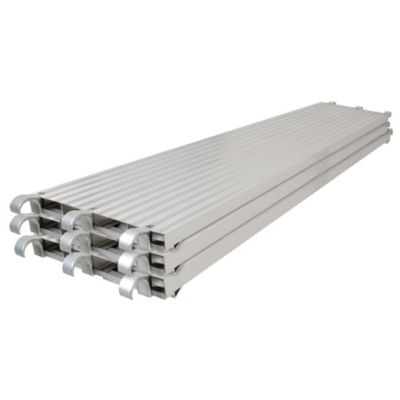
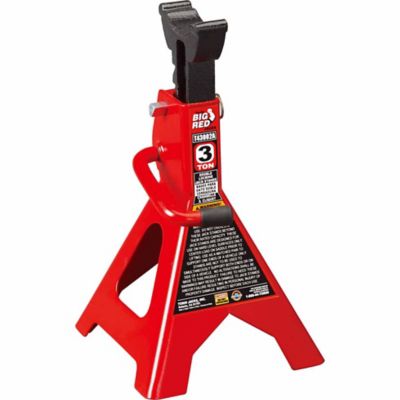
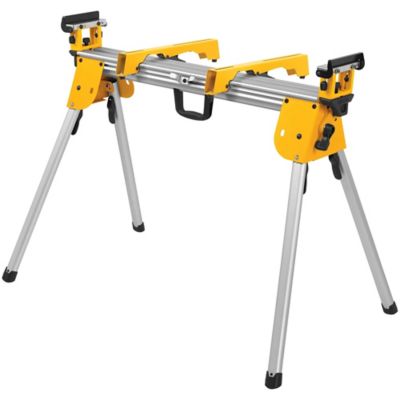
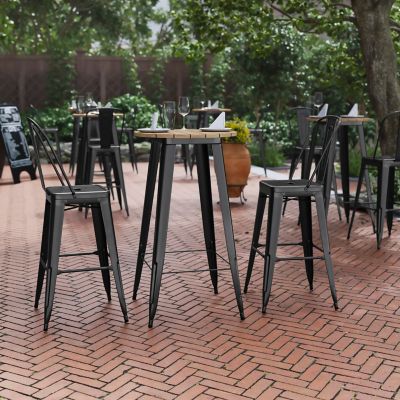
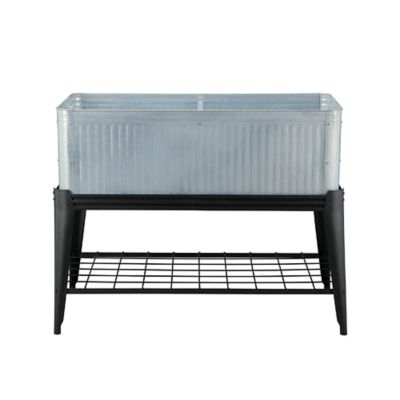
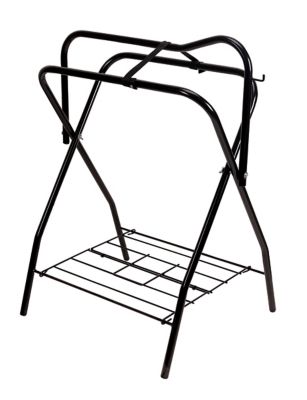
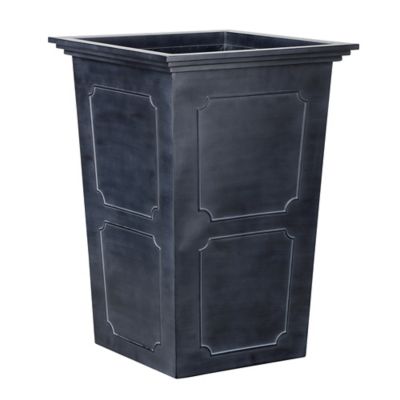
Metal stands give you a simple way to lift, hold, organize, or display items without taking up more floor space than needed. Depending on the job, a stand may be made from steel, iron, or aluminum and may include one shelf, several levels, a broad platform, or an open frame that keeps items easy to reach. Plant stands can bring potted greenery up from the floor and help arrange a porch, sunroom, entryway, or kitchen corner. A work stand can provide a steady place for tools, equipment, materials, or other heavy items. Shelving and display racks can help sort supplies in a mudroom, garage, shop, barn office, or retail space. Metal frames also work well for electronics and other equipment that need air moving around them instead of sitting directly on a tabletop. When choosing a stand, start with the item it needs to support, then consider the stand’s height, width, depth, shelf spacing, and maximum load rating. Small plant risers may support around 20 pounds, while larger utility frames can hold 130 pounds or more, though the stated limit varies by design. Keep the full load in mind, including the pot, soil, water, tools, or equipment. A stand should sit flat on the floor, and heavier items belong on lower shelves whenever possible. That placement helps keep the center of gravity low, especially in a busy work area, on a porch where wind may be a concern, or anywhere children and pets may pass by. For a simple way to compare one popular style, browse
Round Metal Plant Stands for options that can help raise pots while keeping a smaller footprint.
The finish matters just as much as the shape. Powder-coated metal can help protect the frame from everyday scuffs and moisture, while galvanized metal is often a practical choice for damp settings and outdoor spaces. Even with a moisture-resistant finish, check the care instructions and avoid leaving a stand in standing water for long stretches. Water that collects under a planter, near a porch step, or on a concrete floor can eventually affect metal parts, especially where the finish has been scratched. For indoor use, rubber or plastic feet can help protect hardwood, laminate, tile, and painted floors from marks. They also help keep the frame from sliding when you set down a pot or reach for a tool. If the stand needs to move between rooms, a model with caster wheels can make the job easier; locking casters are especially helpful when you want the stand to stay put after it is in place. Measure doorways, stair landings, shelves, and the space around the intended location before ordering. A narrow frame may fit neatly beside a workbench, while a wider multi-level stand may be better suited to an open wall or covered porch. Leave enough room to water plants, load shelves, open drawers, or walk safely around the stand. For outdoor placement, think about sun exposure, rain, wind, and the surface beneath it. For a barn, garage, or shop, look for a frame with enough clearance for boots, boxes, tools, or equipment and enough strength for the intended load. A stand that looks right but cannot handle the weight will not serve the job well, so always follow the listed capacity and assembly directions.
Metal stands can be useful for homeowners, gardeners, renters, shop owners, farmers, makers, and anyone trying to bring order to a crowded space. A gardener may use one to move tender potted plants closer to a bright window during cooler weather, then shift them to a covered porch as conditions change. In a mudroom, a raised shelf can keep boots, feed supplies, or everyday gear off the floor. In a workshop, an open frame can keep tools or equipment within reach while leaving room below for a tote or bucket. Multi-level storage can make use of vertical space in a small laundry area, garden shed, office, or utility room. Stands also make practical gifts for someone settling into a new home, caring for houseplants, setting up a workshop, or getting an outdoor sitting area ready for the cooler months. Before giving one, consider the recipient’s available space, preferred material, and the kind of load they are likely to place on it. A compact frame suits a narrow apartment or entryway, while a wider stand may fit better in a garage or covered outdoor area. Assembly can range from a few simple fasteners to a more involved setup, so check what tools and hardware are included. Once assembled, tighten every connection, place the stand on a level surface, and inspect it from time to time for loose parts, chipped coating, bent sections, or rust spots. With the right size, finish, footing, and weight rating, a metal stand can make daily chores smoother and help keep plants, supplies, tools, and equipment right where they belong through changing seasons.