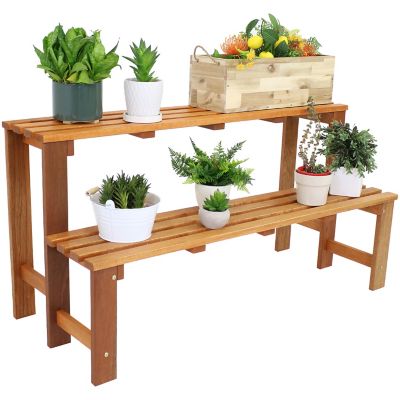
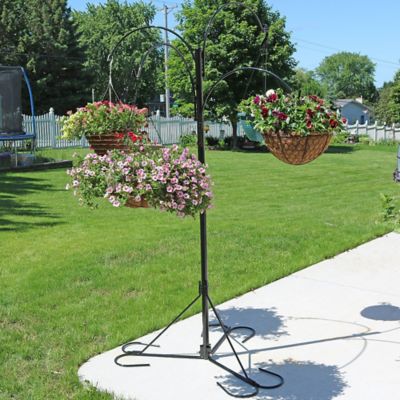
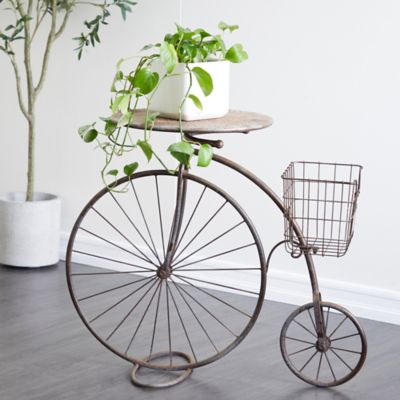
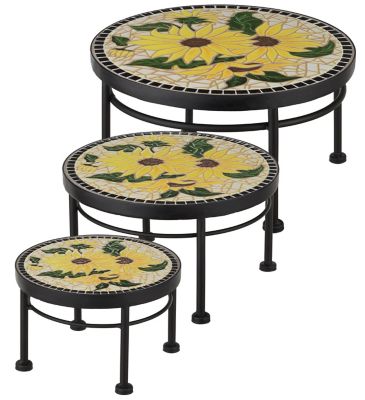
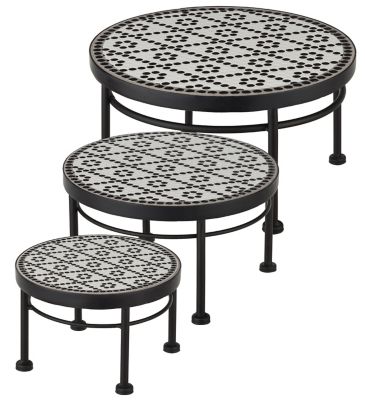
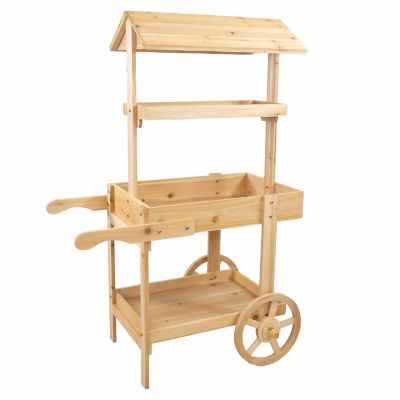
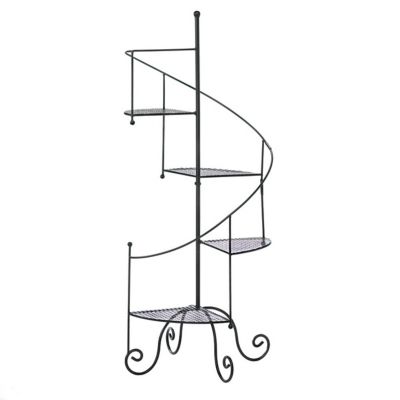
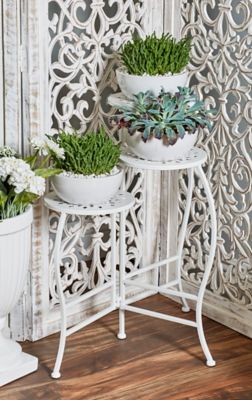
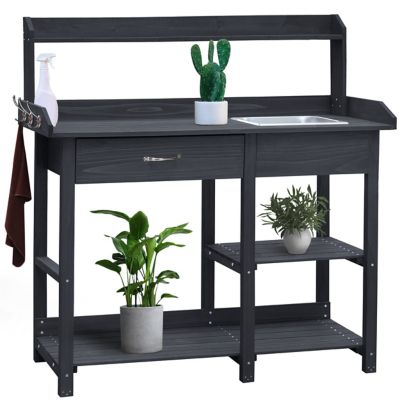
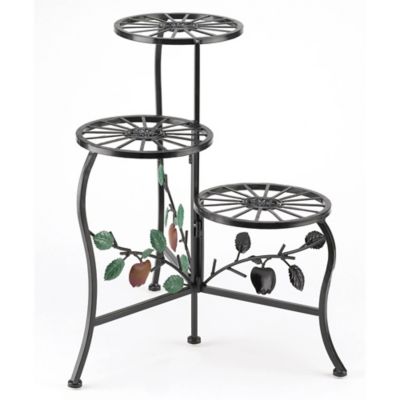
Heavy-duty plant stands give large pots a firm place to sit while lifting greenery off the floor, porch or patio. Their job is straightforward: support the combined weight of the container, plant, soil and water without wobbling or letting the pot hang over an undersized platform. Steel, solid iron and substantial wood construction are common choices, with low single-pot stands, tiered racks and wheeled plant caddies serving different spaces. Carbon steel frames can provide strong support through welded joints, bracing and well-spaced legs, while iron designs often bring extra weight to the base. Wood offers a different look, with strength depending on the lumber, joints and overall construction rather than thickness alone. No material tells the whole story, though. The stated weight capacity, platform dimensions and intended placement matter more than a frame that simply looks stout. A large ceramic planter filled with damp soil can weigh considerably more than the empty pot suggests, so the full planted weight is the useful number when comparing support limits. For multi-tier plant stands, both the rating for each shelf and the total rating deserve attention; a rack’s overall capacity does not mean one shelf can carry that entire load. Wide feet and cross-bracing can help steady a frame, but they do not replace a level, solid surface. A pot’s base also needs proper contact with the supporting platform, especially when the stand has open bars instead of a solid shelf. Narrow pot feet, deeply curved bottoms and small drainage saucers may not sit securely across widely spaced rails. For someone tending a substantial houseplant beside the living room window or keeping several planted containers together near the back door, those details make the difference between a stand that merely fits the space and one that suits the load. Heavy-duty construction is about the whole setup working together, from the floor beneath the legs to the filled pot resting on top.
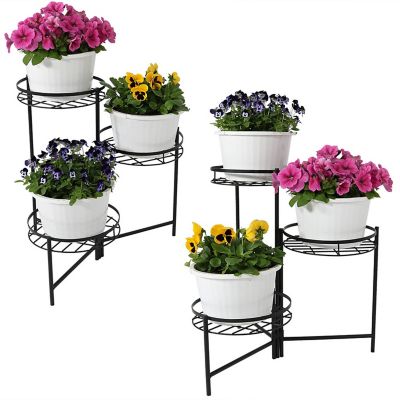
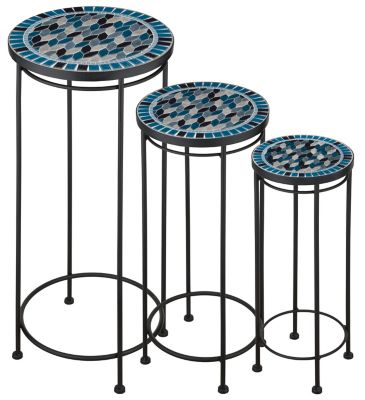
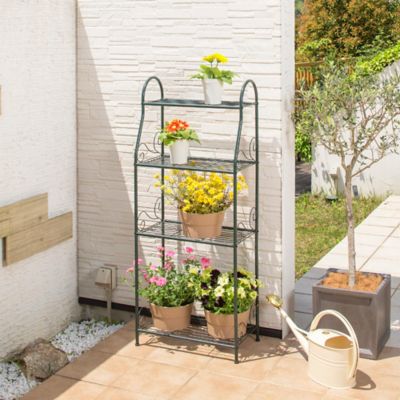
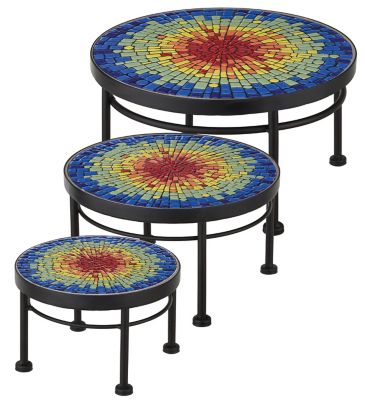
Size and shape influence how naturally a plant stand fits into everyday life around the house. A low platform can lift a broad planter just enough for easier cleaning underneath, while a taller stand brings smaller foliage closer to eye level. Height also changes balance: a tall plant with a narrow pot needs particular attention to the stand’s footprint and the plant’s center of gravity. Low, wide support generally makes more sense for a top-heavy planting than a tall, narrow pedestal. Tiered plant stands gather several containers into one footprint, making them handy for a sunroom, an enclosed porch or a roomy kitchen corner. Shelf spacing needs to account for more than pot height, since leaves, upright stems and room for a watering can all take up space. A crowded rack may hold every container yet leave little room to tend them without bumping neighboring plants. Heavier pots belong on lower levels, within each shelf’s stated limit, and an uneven arrangement can affect balance even when the total load stays below the maximum rating. For circular containers,
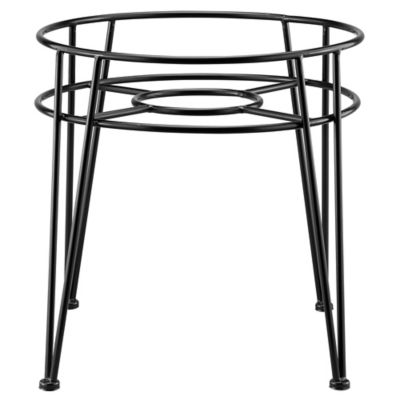
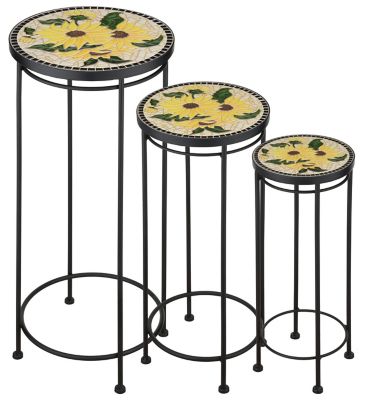
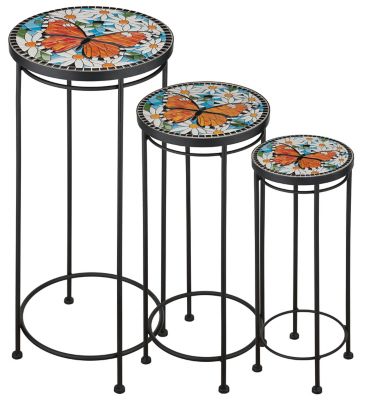
Round Metal Plant Stands provide a shape-focused option to consider alongside the pot’s base diameter and weight. The support surface should match the part of the pot that actually rests on it, not just the wider rim at the top. Adjustable-width stands offer flexibility across different container sizes, provided the chosen setting falls within the stated dimensions and all connections are secured as directed. Placement matters just as much as measurements. A stand beside a favorite chair should leave walking room, and one near a doorway should stay clear of the door’s swing. Homes with children or pets benefit from arrangements that keep heavy containers away from busy paths and tempting climbing spots. Where a tall rack calls for an anchoring system, that hardware and the mounting surface are part of the setup, not an afterthought. The result is a planting area that feels settled into the room rather than squeezed into whatever corner remains.
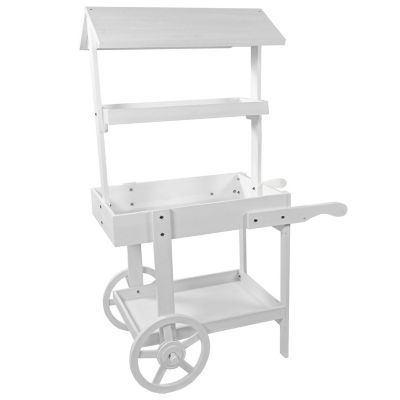
Rolling plant stands and plant dollies serve a different need: moving a hefty container without lifting its full weight each time the floor needs cleaning or the planting area needs rearranging. Their usefulness depends on the entire assembly, including the platform, caster attachments, wheels and stated load limit. Wheel diameter and tread material affect how a loaded caddy travels across a surface; grout lines, deck-board gaps, rugs and raised thresholds can interrupt that movement. A route that looks clear at a glance may still have a lip that catches a small caster. Locking wheels help hold a caddy in position on a level surface, but a wheeled base is not a substitute for secure placement and should not sit where it could roll toward steps. Stationary stands have their own floor-contact considerations. Broad feet or suitable protective pads can help limit marks on finished flooring, while a catch tray or properly sized saucer helps contain drainage water. Raising a planter does not make the area beneath it waterproof, and standing water can affect both the stand and the surface below. Care is usually simple when it matches the material and finish. Metal frames benefit from prompt cleanup of soil and fertilizer residue, along with attention to scratches, loose fasteners and signs of corrosion. Powder-coated metal still needs its finish kept intact; scraped areas can expose the underlying metal to moisture. Wood stands need a finish suited to their intended location, and water should not remain trapped against joints or beneath a saucer. Cleaning methods should follow the maker’s directions rather than relying on harsh cleaners that may damage a coating. For outdoor placement, an indoor-only finish is not a good match, even if the frame has enough weight capacity. These practical details matter for anyone managing large containers, from a gardener with a full porch to someone keeping one well-grown plant in a small home. A stand can also make a thoughtful gift for a plant grower when the pot measurements, planted weight and available space are known, giving a familiar planting a better-fitting place to sit.