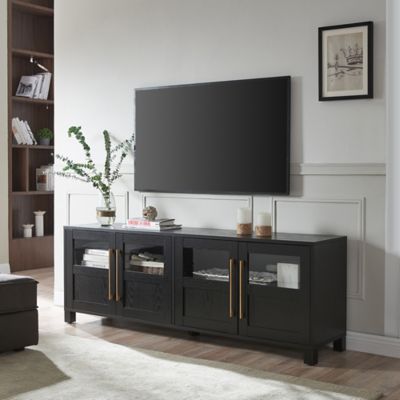
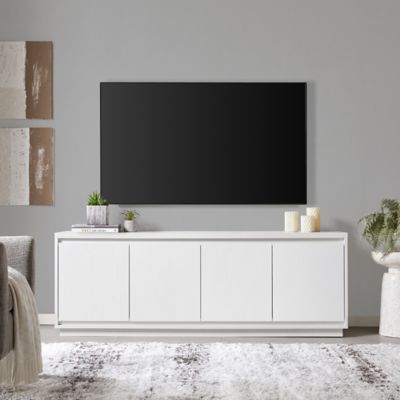
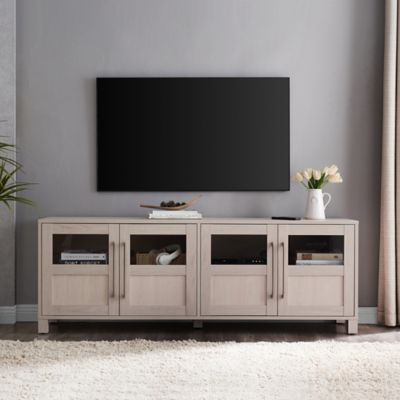
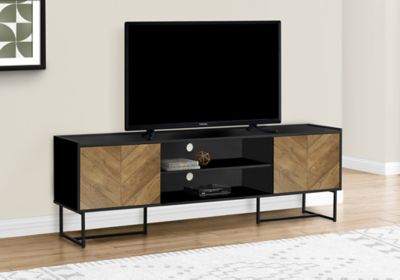
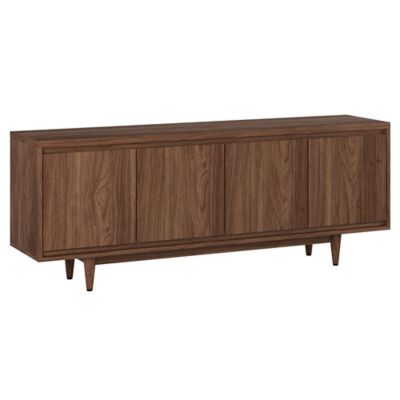
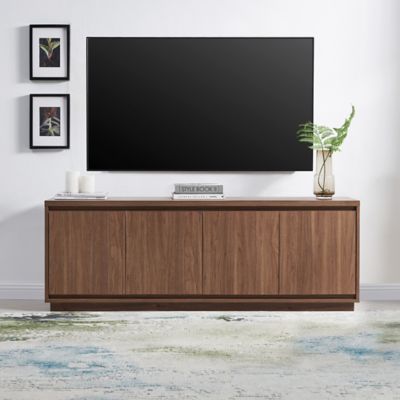
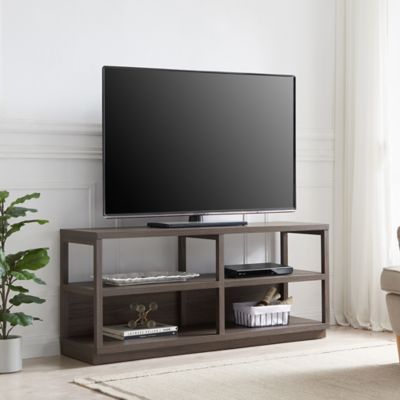
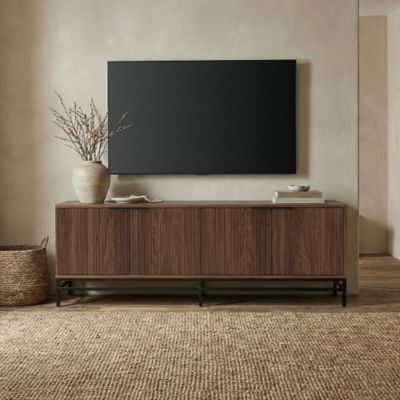
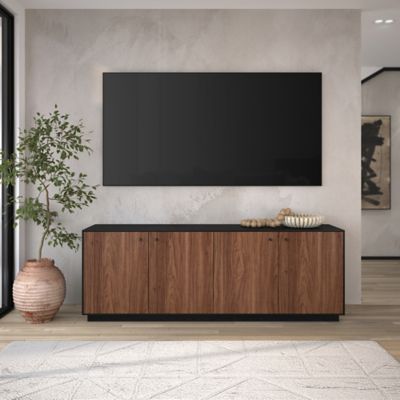
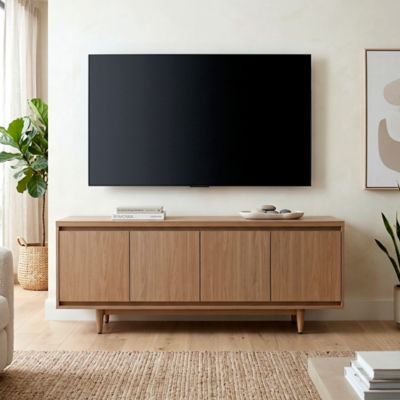
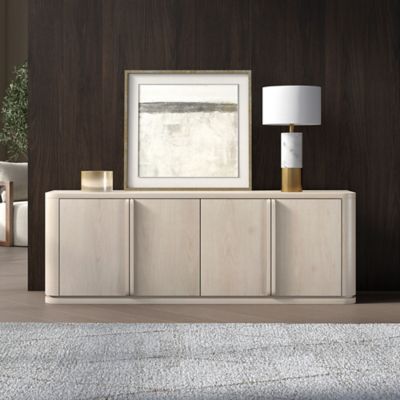
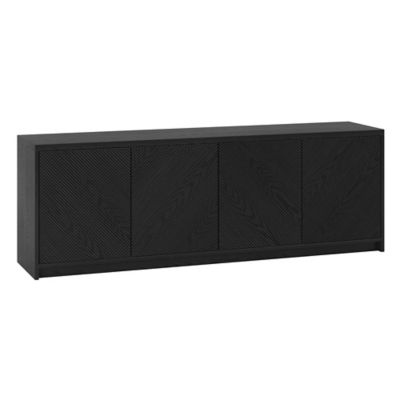
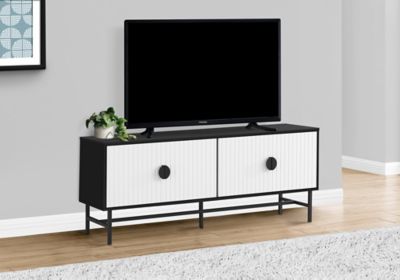
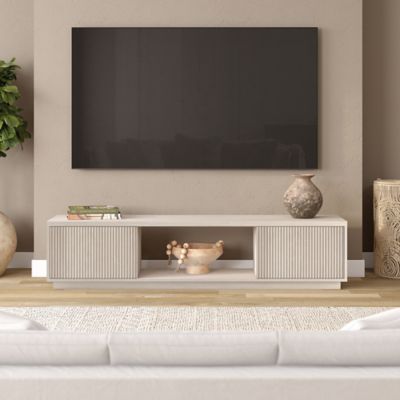
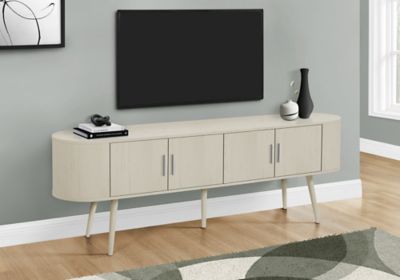
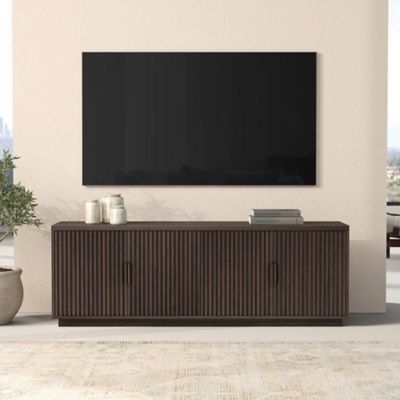
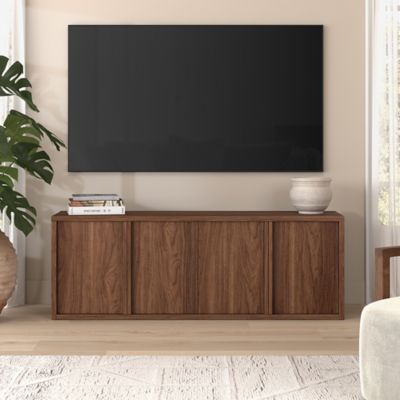
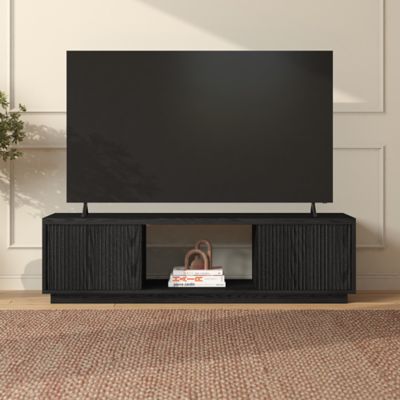
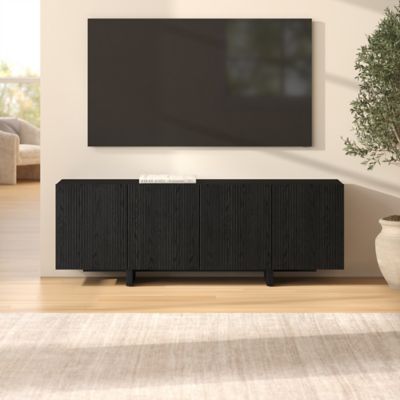
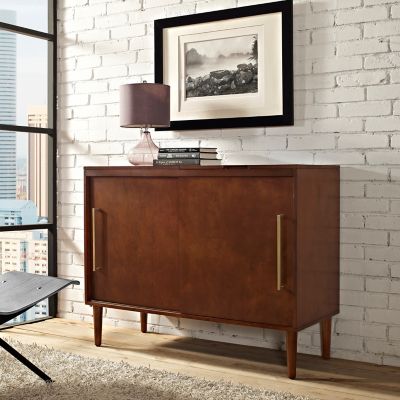
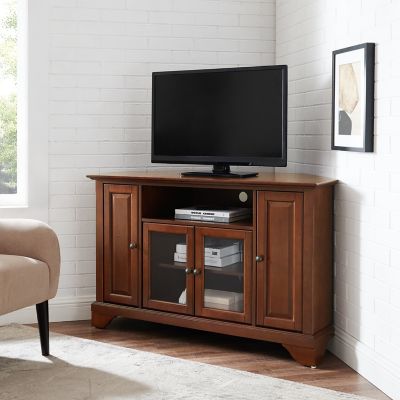
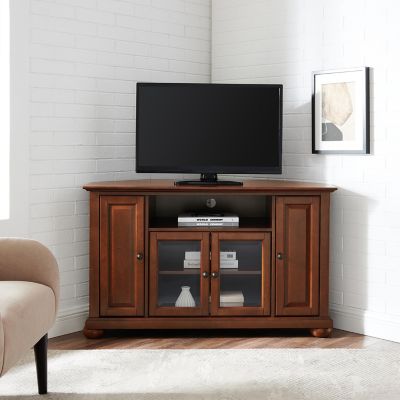
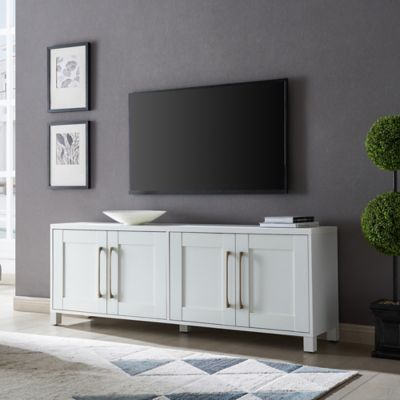
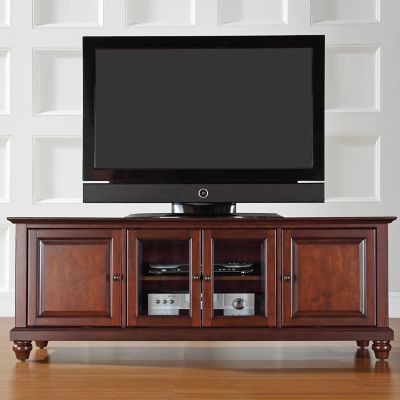
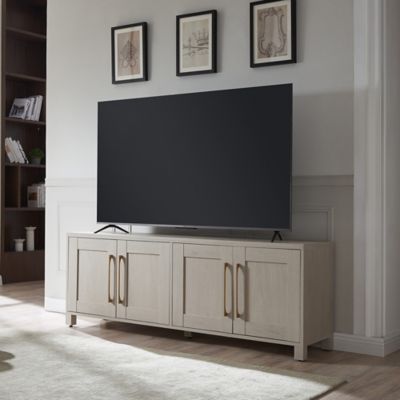
Contemporary TV stands bring clean lines, practical storage, and a settled look to the spot where everyone gathers to watch a movie, catch the game, or unwind after a long day. Their shapes tend to be straightforward: wide rectangular tops, simple cabinet fronts, open shelves, and legs or bases that keep the furniture from looking too heavy. Wood tones add warmth, while metal frames, glass panels, and stone or marble-look surfaces can give the same basic shape a sharper edge. Mixed materials are a big part of the style, but the overall effect stays uncluttered rather than busy. That makes a contemporary TV stand an easy fit in a farmhouse living room, a small apartment, or a den with a well-worn couch and room for the whole family. A natural wood finish can sit comfortably beside leather seating, while a darker cabinet can help a television blend into the room instead of dominating it. The right proportions matter just as much as the finish. A television’s advertised screen size is a diagonal measurement, so it does not tell the whole story about how much tabletop space the set needs. The cabinet’s width and depth need to accommodate the television’s actual dimensions, support arrangement, and weight within the furniture manufacturer’s limits. Sets with widely spaced feet need enough room beneath both feet, while a center-mounted base needs a stable surface that fully supports its footprint. A stand wider than the television often gives the arrangement a more balanced appearance, provided the room has space for it. Height affects comfort, too. A screen positioned near seated eye level generally feels more natural than one that sends everyone looking upward. In a room where the couch sits low or the television faces several chairs, the stand’s height helps establish a comfortable viewing position without making the furniture feel oversized.
Storage is where a contemporary TV stand can make everyday life a little easier. Open shelves keep streaming equipment, game consoles, and a soundbar within reach, while doors and drawers give remotes, controllers, instruction booklets, and other small belongings somewhere to land. A mix of open and enclosed sections works well in a busy family room, especially when several people share the television and its accessories. Adjustable shelves can make room for equipment of different heights, but interior measurements matter more than the cabinet’s outside dimensions. A receiver may need extra clearance around it, and a game console needs the orientation and airflow specified by its manufacturer. A cabinet that looks roomy from the front can still be too shallow once plugs and cords extend from the back of a device. Cable openings help route power cords and connection cables toward outlets without leaving a tangle draped across the furniture. Their location matters: an opening behind each equipment section can be more practical than one opening far from the devices. An open back or ventilated panel can also support airflow, though the equipment manufacturer’s clearance requirements still apply. Soundbar placement deserves some room in the plan, since a tall speaker can cover the bottom of the screen or interfere with a remote sensor. Doors bring another consideration: some remote controls need a clear path to their devices, so an enclosed compartment may affect operation. Around the furniture, leave enough space for cabinet doors, drawers, nearby walkways, and access to wall outlets. In homes with children or pets, secure the television and furniture according to the manufacturers’ directions, using the specified restraints and suitable wall fasteners. Keep heavier equipment low where the furniture design allows, and avoid loading shelves beyond their stated limits. These details help the entertainment area function as part of the room, rather than becoming an obstacle between the couch, the doorway, and the rest of daily life.
Materials influence the weight, upkeep, and everyday wear of contemporary TV stands. Solid wood brings visible grain and natural variation, and its finish helps determine how well it handles small spills and scuffs. Engineered wood can provide a smooth, consistent surface beneath veneer, laminate, or another finish; careful handling around edges and fasteners helps protect those areas during assembly and moves. Metal frames offer a crisp outline, while the finish on the metal affects how it should be cleaned and protected from scratches. Tempered glass shelves or doors create a lighter appearance, but they still need gentle handling and strict attention to weight limits. Genuine marble and other natural stone surfaces have different care needs than marble-look finishes, so the material description matters before a cleaning product touches the top. For routine care, a soft cloth and the manufacturer’s recommended cleaning method are a sensible starting point. Wipe spills promptly, keep moisture away from seams, and skip abrasive pads that can scratch a finish. Lifting equipment rather than sliding it across the top helps prevent marks, and furniture pads beneath suitable accessories can add another layer of protection without blocking ventilation. A stand’s long-term performance also depends on sound assembly, level placement, and hardware checks as directed by its instructions. Wide cabinets may take two adults to move safely, especially through narrow doorways or around tight corners. For a larger setup with more space for media equipment and household storage,
Entertainment Center TV Stands offer a related furniture style to consider alongside lower-profile consoles. A TV stand can also be a practical housewarming gift for someone setting up a first home, as long as room measurements and television requirements are settled ahead of time. Whether the space is a shared family room or a quiet corner for evening viewing, the most useful contemporary design brings together comfortable proportions, manageable upkeep, and a place for the things that belong around the screen.