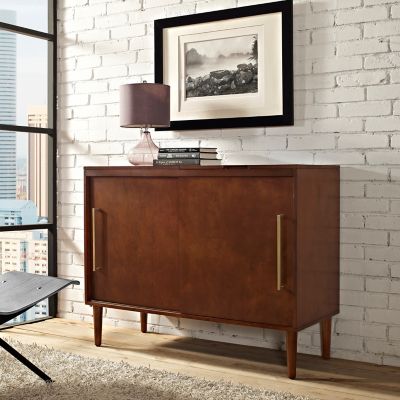
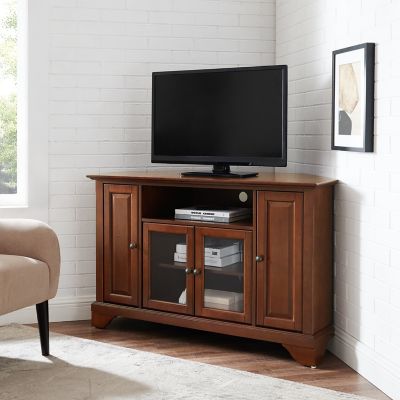
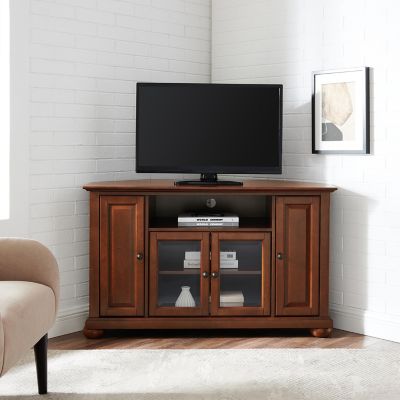
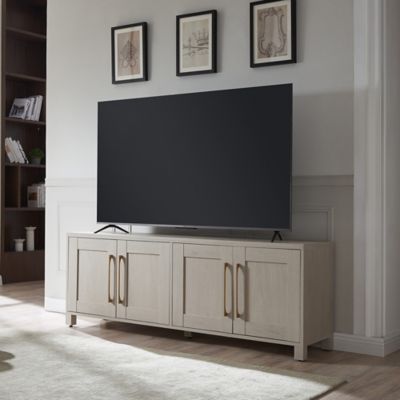
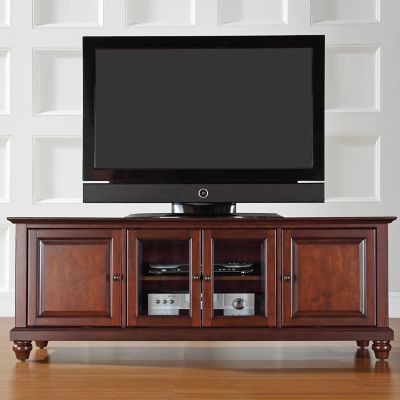
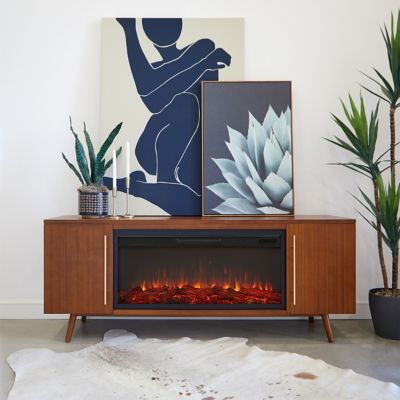
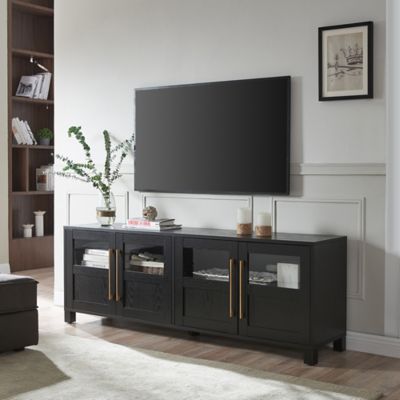
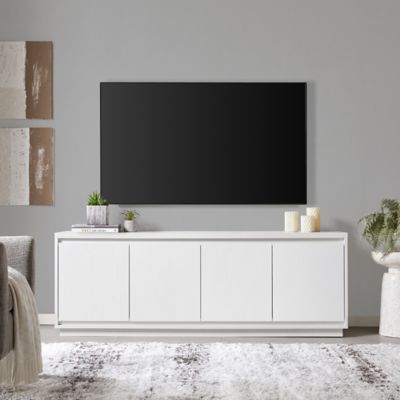
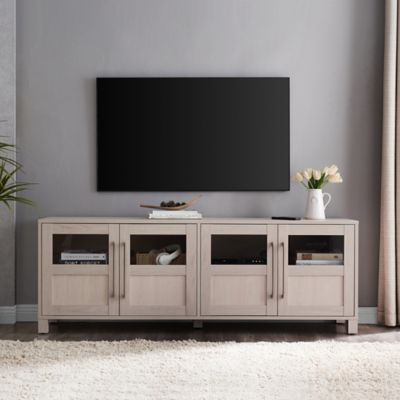
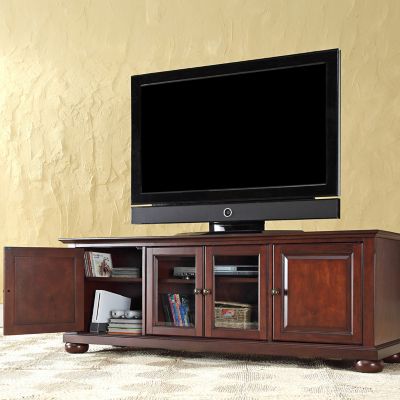
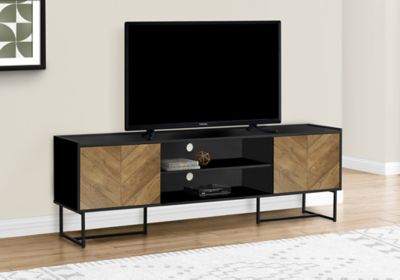
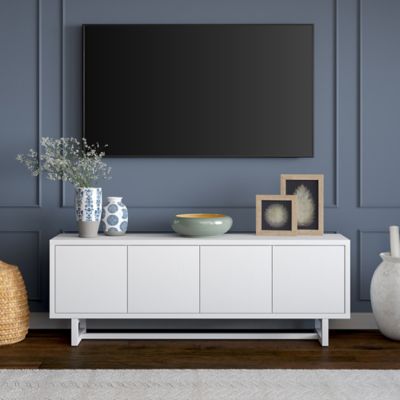
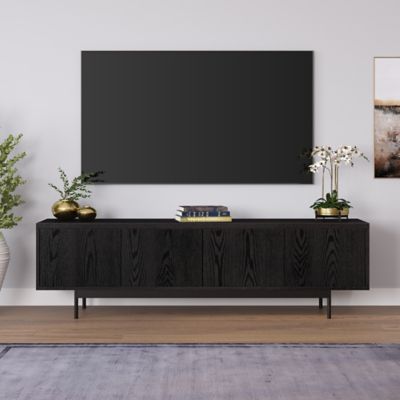
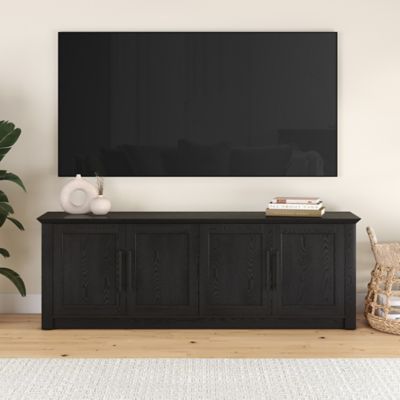
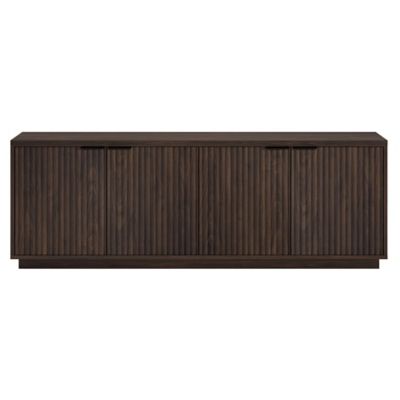
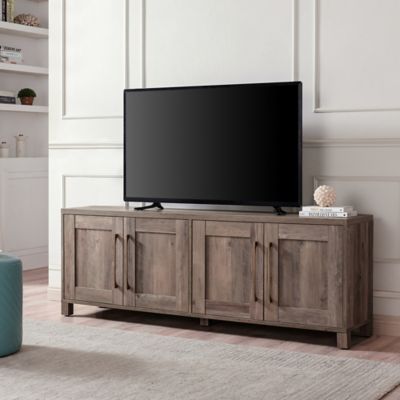
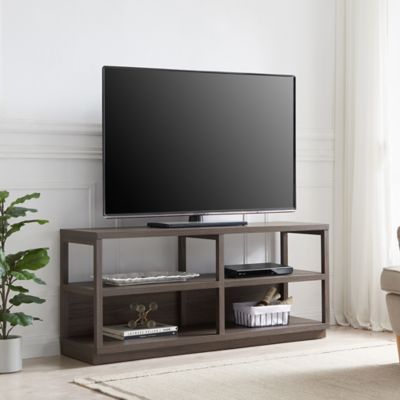
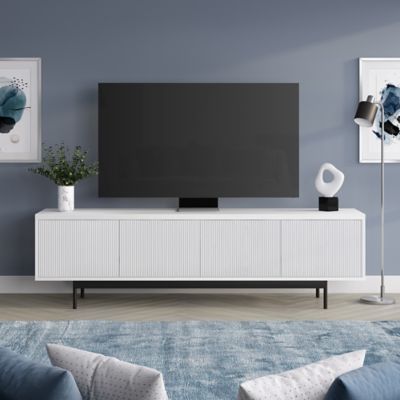
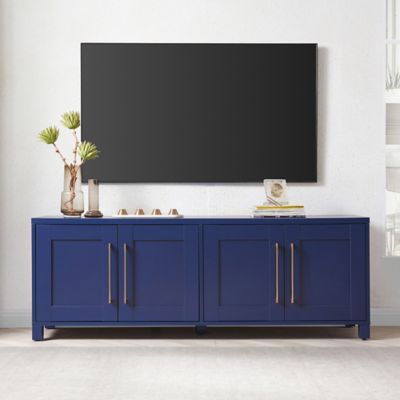
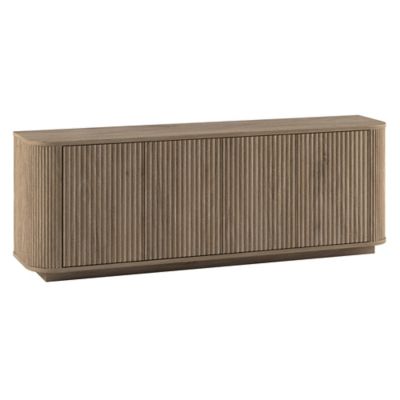
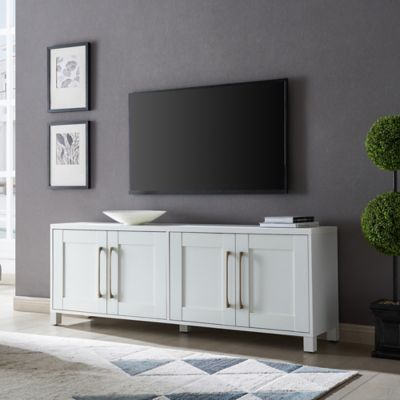
Entertainment center TV stands give your television a place to sit while bringing media equipment, movies, games, and everyday living room essentials into one spot. A TV stand is generally a lower console with a top for the screen and storage underneath, while an entertainment center may include taller cabinets, side shelving, or a larger arrangement around the television. Both can help anchor a room, whether that means a small den for catching the ballgame or a family gathering space where movie night shares room with board games and visiting company. The right fit starts with the television’s actual width, the spacing of its feet or pedestal, and its weight. Screen sizes are measured diagonally, so the number on the television does not tell you how wide the furniture needs to be. The entire base should rest securely on the top, with the stand’s stated weight capacity meeting the equipment’s requirements. A little space on either side can also keep the arrangement from looking crowded. For a bigger screen or a broad wall,
oversized TV stands can provide a wider foundation and more room to organize the equipment below. Depth matters just as much as width, especially when a receiver, gaming console, or television base extends farther back than expected. Room layout plays a part, too: cabinet doors need clearance to open, and walkways should stay clear between the stand, coffee table, and seating. A low console can keep the screen comfortable to watch from a couch, while a taller cabinet changes the viewing angle and offers a different balance of storage and floor space. With a wall-mounted television, the furniture below still needs to work with the screen’s position, nearby outlets, and the equipment it will hold. Leaving room for a soundbar without blocking the screen or the television’s remote sensor helps the whole setup work together.
Materials and construction influence how entertainment center TV stands look, feel, and hold up to everyday activity. Solid wood brings visible grain and a substantial feel, with natural variations that suit a farmhouse living room, a country home, or a den with well-loved furniture. Engineered wood can provide a consistent surface and a range of finishes, while wood-look laminates offer another way to bring warm tones into a room. Metal frames and hardware can add a more straightforward, workmanlike look, and glass doors can keep components visible without leaving every shelf open. Each material has its own care needs, so the finish and the manufacturer’s cleaning directions matter as much as the appearance. Construction details deserve attention alongside the outside finish. Shelf supports, cabinet joints, hinges, drawer slides, and the base all affect how the furniture handles its intended load. An adjustable shelf can make room for a taller component, but each shelf still has its own weight limit. A broad cabinet also needs proper support across its span rather than depending only on the ends. In a busy household, a finish that is easy to wipe down and hardware that is comfortable to grip can make daily use simpler. Closed cabinets help hide the jumble of game cases, charging cords, and spare remotes, while open shelving puts frequently reached equipment within easy reach. A mix of the two can suit a room that needs to look pulled together without making everything a chore to find. Lighter finishes can soften the look of a large cabinet, darker tones can give a screen wall more visual weight, and visible wood grain can sit comfortably alongside leather seating, woven rugs, or painted furniture. Matching every piece is not necessary; repeating a wood tone, metal finish, or simple cabinet shape can help the room feel settled without making it look like a showroom.
The storage inside a media console often determines how well it fits daily life. A household with several gaming systems needs a different arrangement from someone with a television, a small streaming device, and a stack of favorite movies. Equipment dimensions should include connected plugs and cables, not just the component itself, since a deep plug can make an otherwise roomy shelf feel tight. Rear cable openings help route cords toward outlets, while accessible backs make it easier to change connections without wrestling the whole cabinet away from the wall. Electronics also need ventilation according to their instructions; a closed compartment is not the right home for every receiver or game system. Open shelves can help with access and airflow, but ventilation clearances still matter. Glass-front cabinets may allow some infrared remotes to work through the door, although equipment and glass treatments vary. Drawers are handy for controllers, batteries, and charging leads, and lower cabinets can hold larger game boxes or media collections. For families, keeping tempting controls and loose cords out of reach can help, but storage does not replace proper furniture and television anchoring. Tip restraints should be installed according to the applicable instructions, and children should never climb shelves or pull on open drawers. Care is usually easier when there is enough space to reach behind components and dust the shelves. A soft cloth, prompt attention to spills, and cleaning methods suited to the finish help protect surfaces; abrasive cleaners or too much moisture can damage some materials. Lifting equipment rather than dragging it across the top also helps prevent scratches. Whether furnishing a first home, making a den more useful, or giving a shared living room a better place for everything, entertainment center TV stands work best when screen support, storage, and room layout come together. The result is a comfortable spot to settle in after chores, follow a game, or enjoy a movie without a tangle of cords taking center stage.