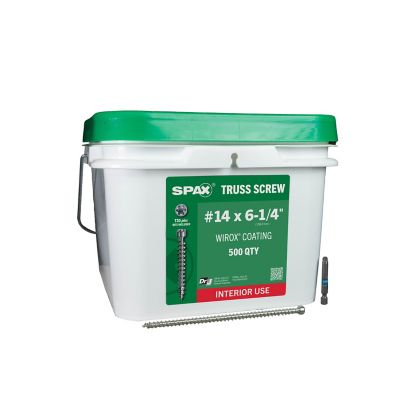
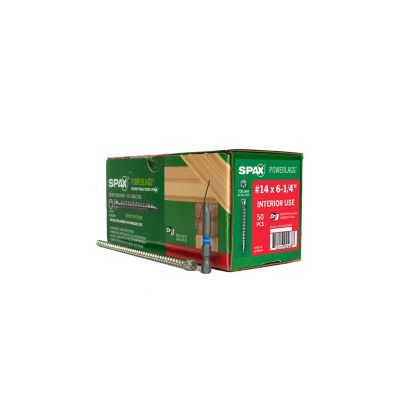
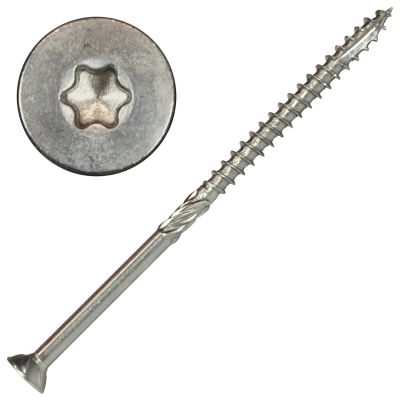
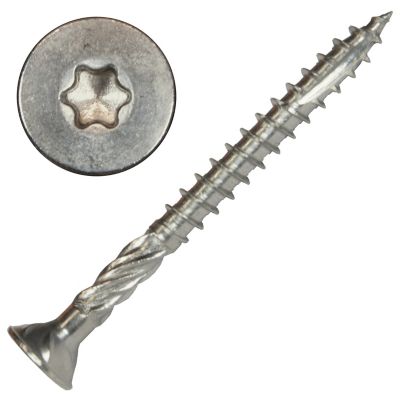
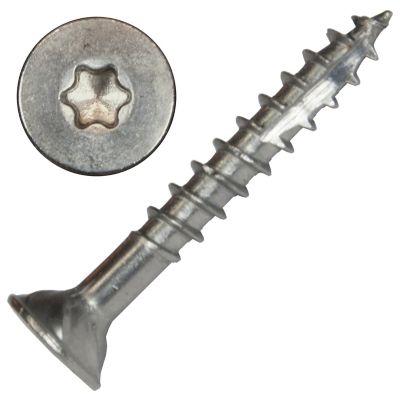
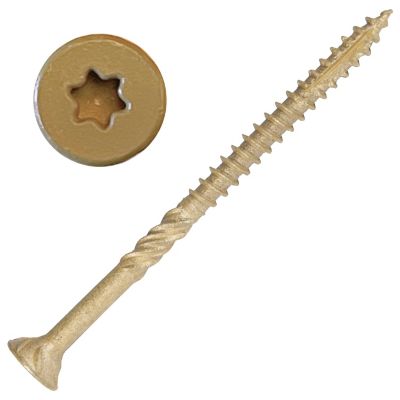
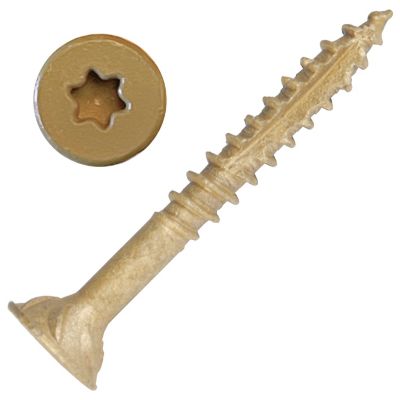
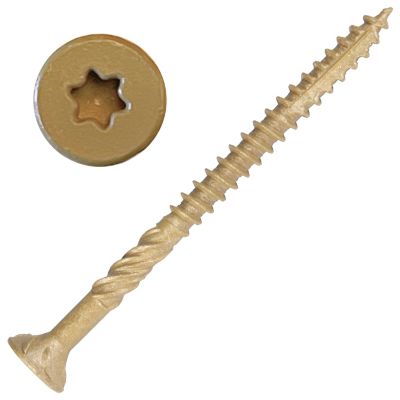
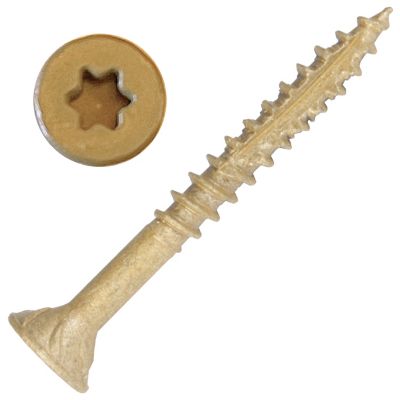
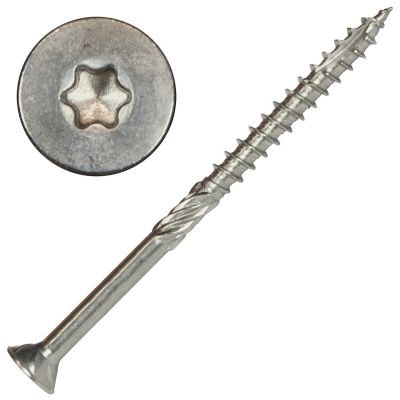
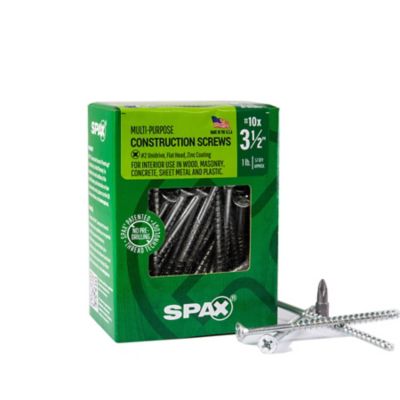
Structural screws for framing are engineered fasteners designed to connect wood framing members in load-bearing assemblies when the screw, lumber, and connection match the manufacturer’s published requirements. They’re built for jobs where holding a board in place is only part of the story: the connection also has to carry the loads shown in the building plans. Some structural framing screws can replace specified framing nails or traditional lag screws, but that substitution depends on an approved fastening schedule, not matching length alone. General-purpose wood screws and drywall screws aren’t interchangeable with rated structural fasteners. For a carpenter framing a workshop, a contractor building an agricultural structure, or a property owner tackling an approved outbuilding project, that distinction matters. Published load tables help explain what a particular fastener can handle in a defined connection. Lateral capacity relates to forces acting across the connection, while withdrawal capacity concerns resistance to pulling out of the wood. Those values depend on more than the screw itself, including lumber species, wood thickness, installation angle, and how far the threads penetrate the receiving member. A screw that feels tight under the driver isn’t proof that a connection meets its design requirements. Product documentation may include evaluation reports addressing applications under the International Residential Code or International Building Code, but approval applies only within the report’s stated conditions. Stud-to-plate joints, built-up framing members, and certain roof connections can call for different screw designs and layouts. Even two connections made with the same size lumber may need different fasteners because the loads travel through them differently. Structural screw selection starts with the connection shown on the plans, followed by the required diameter, length, head style, and installation pattern. That keeps the focus on how the framing works together rather than simply choosing the longest or thickest screw that fits in the tool belt.
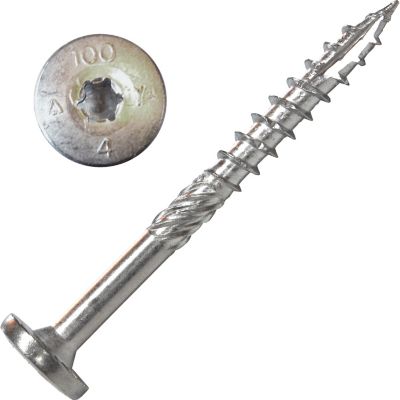
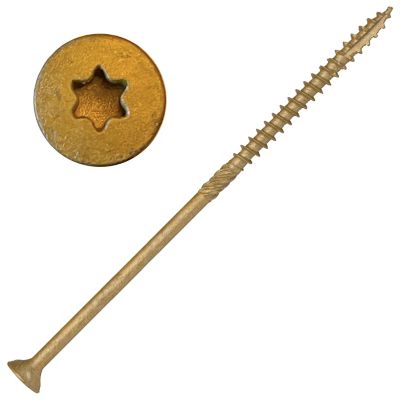
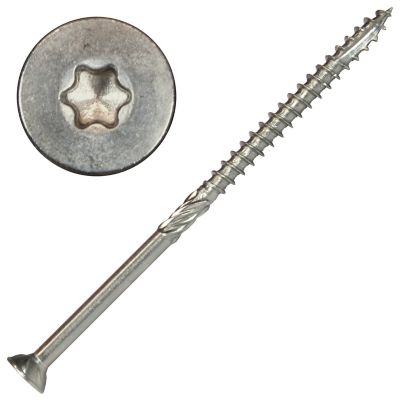
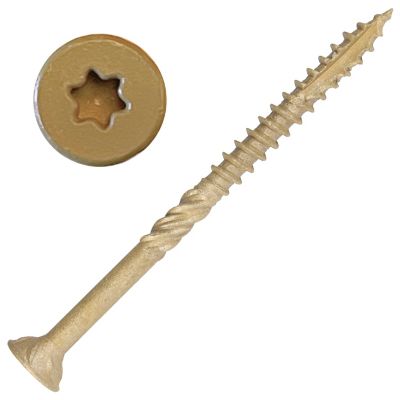
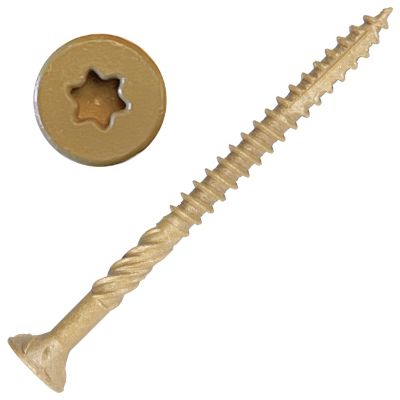
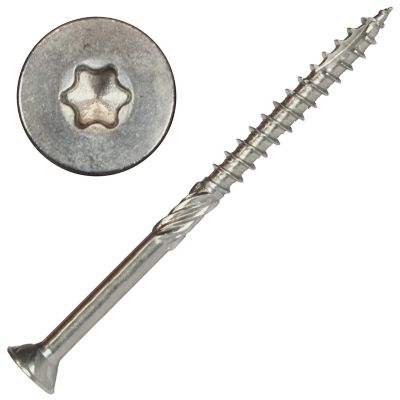
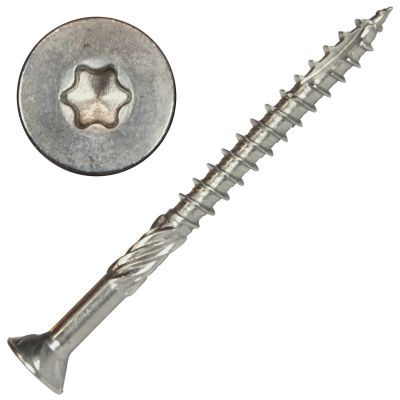
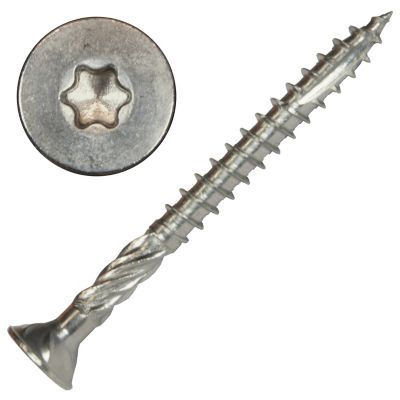
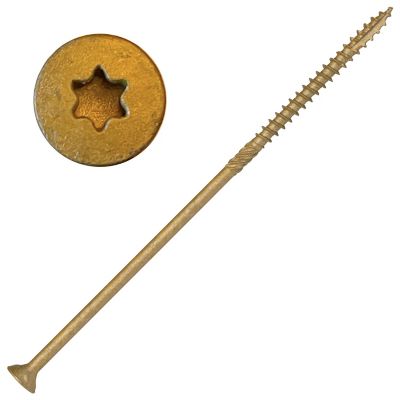
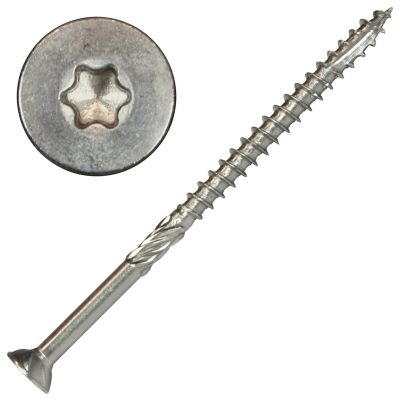
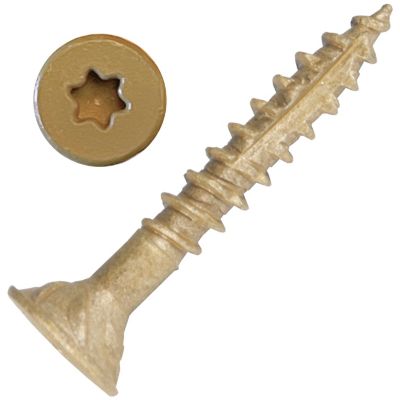
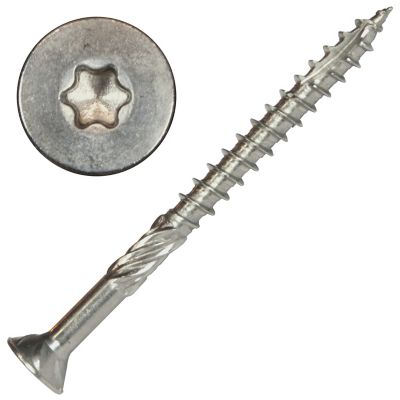
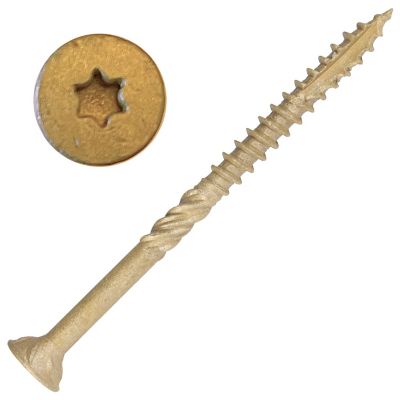
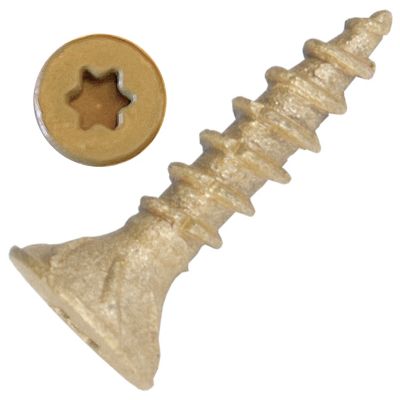
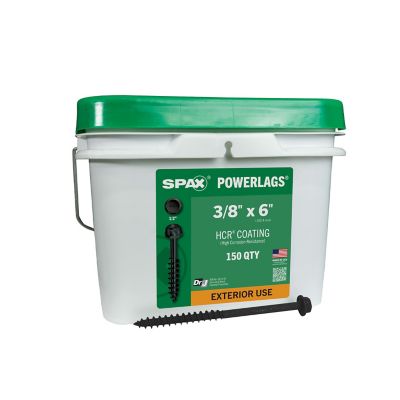
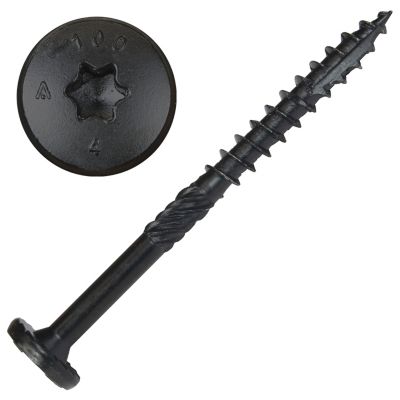
Materials and screw geometry help narrow the choices for each job. Many structural framing screws are made from heat-treated steel, with protective finishes intended for particular environments. Corrosion resistance matters where wood-treatment chemicals, persistent dampness, or contact with other metals could affect the fastener. A coating’s color alone doesn’t establish compatibility with pressure-treated lumber, and a finish suited to an enclosed wall cavity may not be appropriate for an exposed connection. Stainless steel options may suit certain applications, though their alloy, published strength, and compatibility with surrounding hardware still matter. Length needs the same attention. The screw must pass through the attached member and provide the specified penetration into sound receiving wood; its full length doesn’t automatically count as effective embedment. Diameter affects load capacity as well as spacing and edge-distance requirements, so a larger screw isn’t always a straightforward upgrade. Head shape also changes how the fastener bears against the lumber. Washer-style heads provide a broader bearing surface, while certain flat-head designs are intended to sit flush under their stated installation conditions. The specified seating depth matters because sinking a head too far can damage wood fibers and change the connection’s performance. Thread layout is another practical difference. Partially threaded designs can help draw mating members together when the smooth shank spans the outer piece, while fully threaded designs serve other engineered connection requirements. Neither design makes severely bowed, split, or poorly fitted lumber suitable for a structural joint. Star-drive and hex-head configurations provide different tool interfaces, and the matching bit or socket helps maintain firm engagement during installation. Cutting points and thread features on some structural wood screws can reduce the need for pilot holes, but “no predrilling” isn’t a rule for every species, member thickness, or edge location. Dense lumber and connections near board ends may still have specific pilot-hole requirements. These details are especially noticeable when fastening a narrow framing edge, working in a corner, or bringing two properly fitted members together without burying the head.
On a framing job, access and layout can matter just as much as the fastener’s dimensions. A long screw may fit the lumber but leave too little room for a driver between adjacent members. An angled connection may require a particular installation tool or guide, along with a prescribed entry point. Screw spacing, distance from board ends, and clearance from edges help limit splitting and keep the connection within its published design assumptions. Adding extra screws at random isn’t a substitute for that layout and can crowd an already narrow fastening area. Metal joist hangers, framing angles, and other connectors bring another requirement: they need the fasteners expressly permitted for that connector. A structural wood screw isn’t automatically a connector screw, even when it passes through the hole. For projects involving a ledger or similar deck connection,
deck construction lag screws are another fastening category to compare against the applicable plans and local requirements. Traditional lag screws and structural screws can have different pilot-hole, washer, penetration, and spacing requirements, so neither is a blanket replacement for the other. Good fastener care is straightforward but worth attention around a busy shop or jobsite. Keeping screws dry, protecting their finishes from unnecessary damage, and retaining package labels helps preserve both their condition and identification. Separate containers make it easier to distinguish similar-looking lengths, diameters, and coating types before they reach the framing. Screws with damaged heads, bent shanks, or substantial corrosion don’t belong in a load-bearing connection. Installation equipment matters, too: the correct drive accessory and controlled seating help prevent stripped recesses and overdriven heads. A powerful impact driver can move work along, but tool torque alone doesn’t establish the finished connection’s capacity. For repairs, the condition of the existing wood deserves attention before fastening begins; additional screws won’t restore missing or deteriorated framing. Matching the fastener to sound lumber, the intended load path, and the specified connection gives a barn addition, shop wall, or other framing assembly the fastening details it needs.