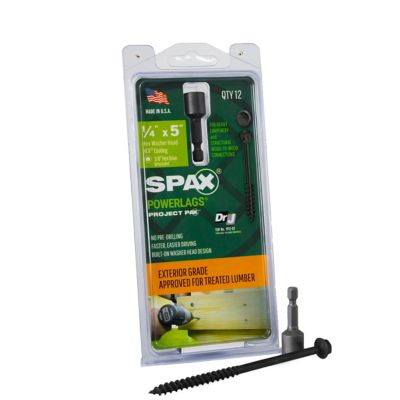
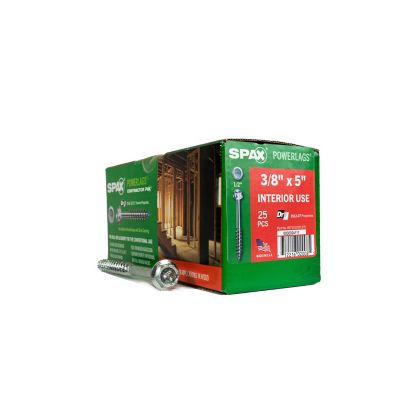
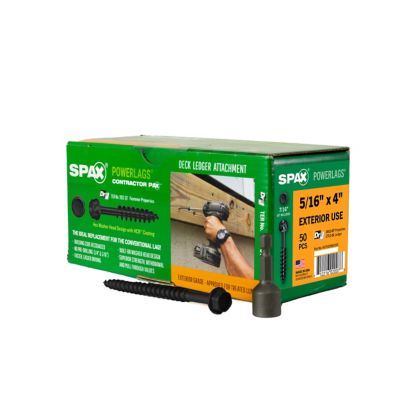
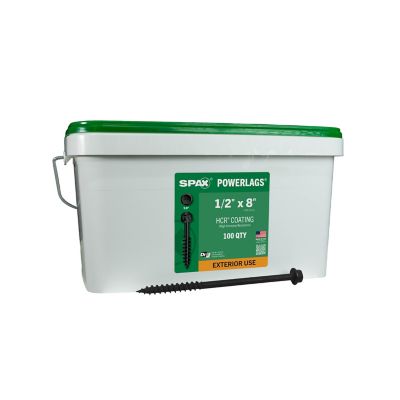
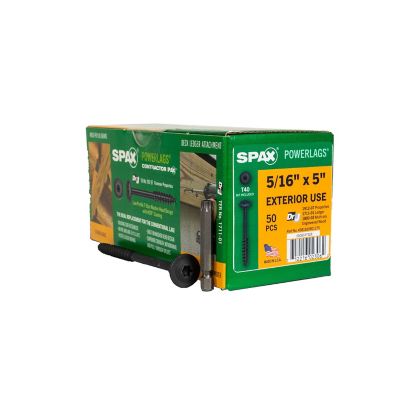
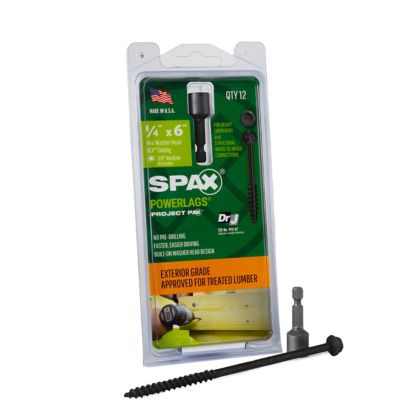
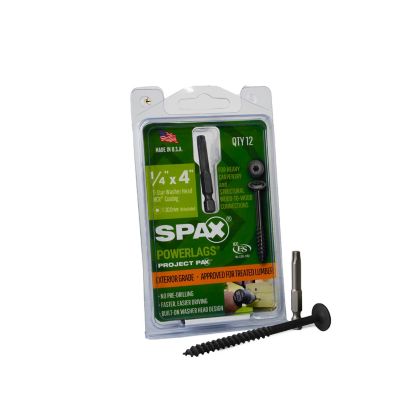
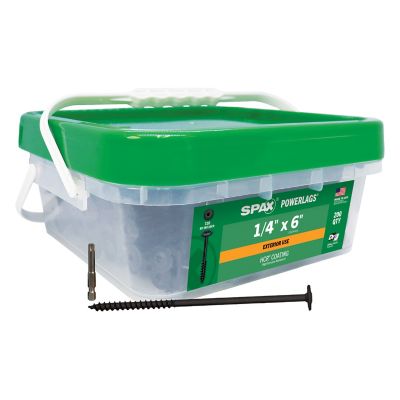
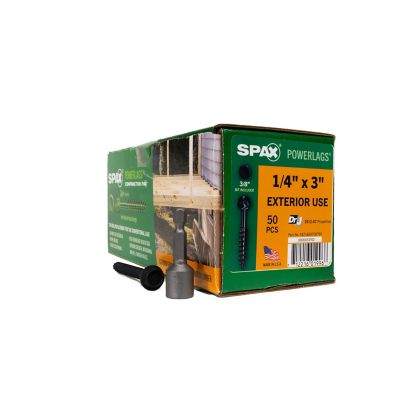
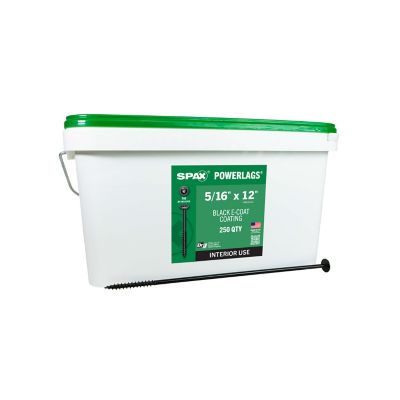
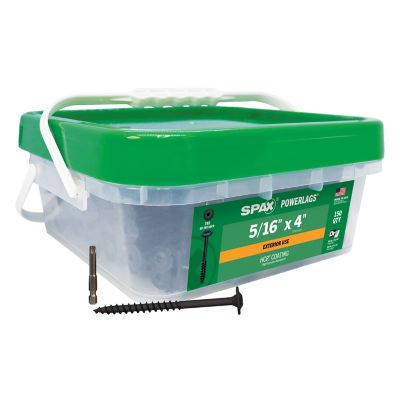
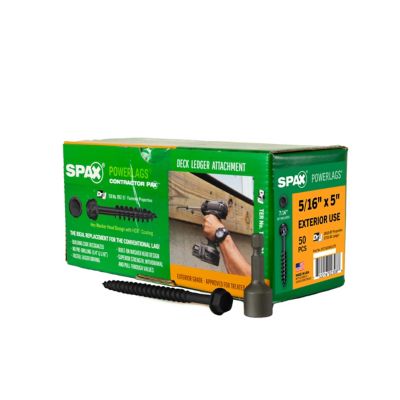
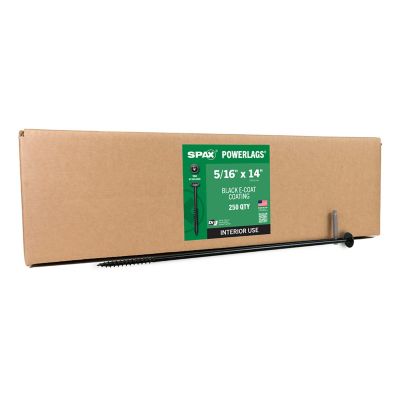
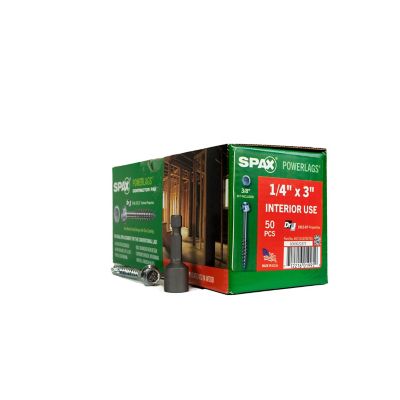
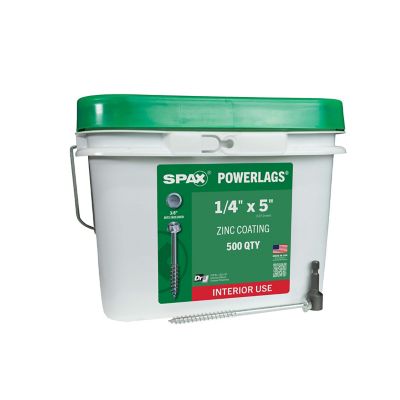
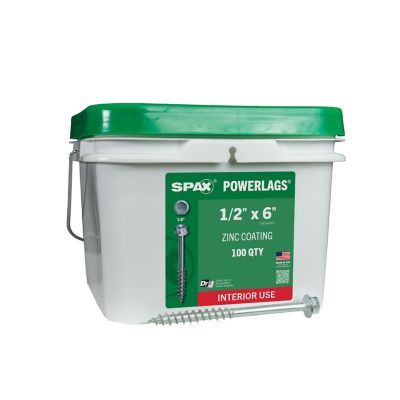
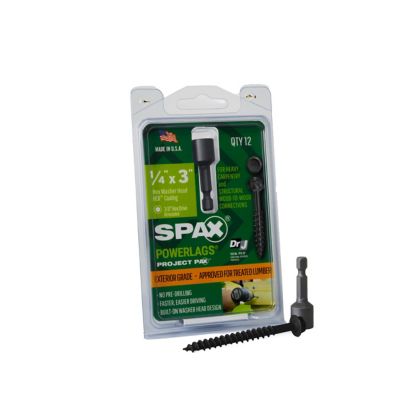
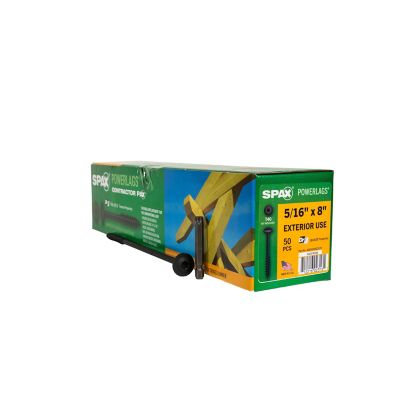
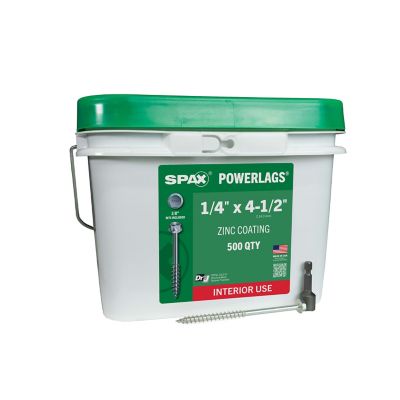
Deck construction lag screws are heavy-duty fasteners used when a deck connection needs more holding power than a regular wood screw can provide. With their thick shanks, deep threads and sturdy hex heads, lag screws are commonly used to secure ledger boards to a house rim joist, join heavy framing members, attach beams to posts and reinforce other load-bearing connections. They are a practical choice for deck builders, remodelers, farmers, landlords and do-it-yourself homeowners working on everything from a small back step to a wide platform built for cookouts, lawn chairs and muddy work boots. A good lag screw helps pull two pieces of lumber tightly together and resist the push, pull and shifting that outdoor structures experience over time. When choosing fasteners for a deck project, match the screw’s diameter and length to the connection, the lumber thickness and the load it must carry. Common structural connections may call for larger diameters, but the right size is determined by the project plans, local building requirements and the recommendations for the specific connection. A screw that is too short may not reach far enough into the supporting member, while one that is too long can protrude, interfere with wiring or plumbing, or create a hazard. It also helps to account for the thickness of any washer and the board being fastened before deciding on overall length. For many exterior projects, corrosion resistance is just as important as strength. Decks are exposed to rain, damp soil, sprinklers, snow and condensation, and the chemicals in treated lumber can be hard on unprotected steel. Look for lag screws with an exterior-rated coating, such as hot-dip galvanizing or an appropriate corrosion-resistant finish, and choose stainless steel when the setting or project specifications call for it. Fasteners intended for outdoor use help reduce rust staining, weakening and premature failure, especially around deck posts, stairs and ledger areas where moisture can linger.
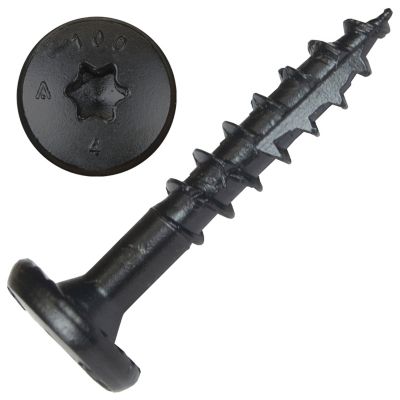
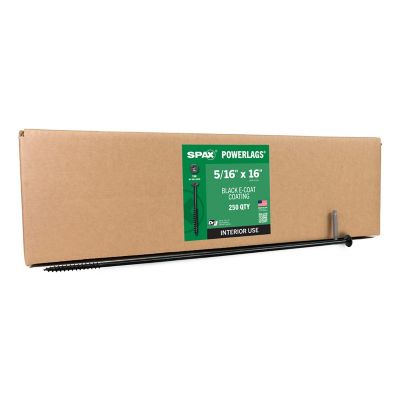
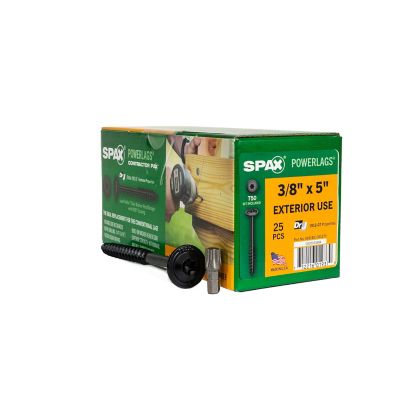
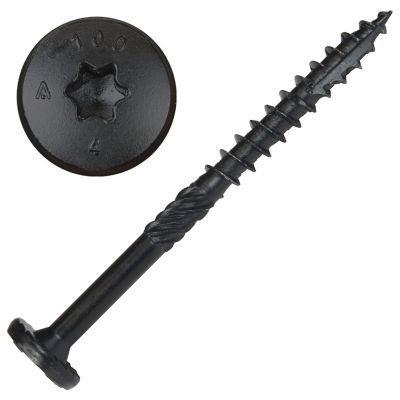
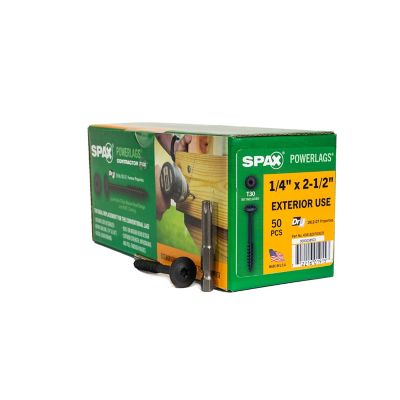
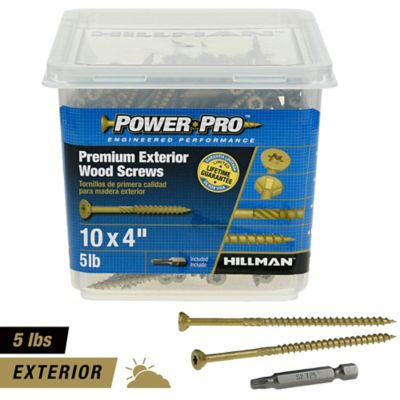
Traditional hex-head lag screws usually call for careful pre-drilling before installation. A clearance hole through the outer board allows the screw to draw the pieces together, while a properly sized pilot hole in the receiving wood helps prevent splitting and makes it easier to drive the fastener straight. The hole size and depth depend on the screw diameter, thread design and species of wood, so follow the fastener instructions and project plans instead of relying on a one-size-fits-all approach. A socket wrench, ratchet or impact driver with the correct socket can help seat hex-head lags, but too much torque can strip the head, crush the wood or snap the fastener. Drive the screw snugly without burying the head so deeply that water collects around it or the washer loses a solid bearing surface. Washers are often used beneath hex heads to spread pressure across the lumber and help keep the head from pulling into softer wood. Before fastening, inspect boards for cracks, knots and warped edges, and keep the connection properly aligned so the lag is not forced at an angle. For ledger installations and other critical structural connections, flashing, spacing, washers and fastening patterns matter as much as the screw itself. Local codes may specify fastener size, spacing, edge distance and approved materials, particularly where a deck attaches to a home. A building department, qualified contractor or experienced inspector can help confirm requirements for your area. Some builders also use modern structural wood screws with specialized drive heads and thread designs in place of traditional lag screws. Those fasteners may install faster and can be convenient for certain framing jobs, but they are not automatically interchangeable. Always verify that an alternative is rated for the intended structural connection and installed according to its instructions. For projects using pressure-treated boards, compatible exterior fasteners are essential; related options can be found with these
Pressure Treated Lumber Screws.
These fasteners make a useful addition to a farm or home workshop because deck repairs rarely happen on a perfectly dry, wide-open workbench. A loose stair rail, a shifting landing or a weathered section of framing may need attention while the rest of the household is getting ready for a gathering, or while cooler weather makes outdoor repairs more comfortable. Keeping several sizes of exterior-rated lag screws, washers, drill bits and the right socket on hand can save a trip to town when a board needs to be secured before the next stretch of wet weather. They are also a thoughtful, practical gift for a new homeowner, a handy family member, a contractor or anyone taking on a porch, dock, ramp, fence gate or deck project. When selecting a package, consider whether the recipient works mostly with pressure-treated lumber, cedar, hardwood or standard framing lumber, and whether the job calls for a traditional hex head or another approved structural fastener style. Count matters, too: a small repair may need only a handful, while a full deck frame can use many fasteners across ledgers, beams, joists and posts. It is wise to keep fasteners sorted by diameter, length and finish so the right one is easy to find when the toolbox is dusty and the daylight is fading. Quality lag screws do more than hold boards in place; they help create the solid feel people notice when a deck stays steady underfoot, a set of steps does not sway and a railing remains firm through changing weather. Use them as part of a complete, code-conscious construction plan, inspect outdoor connections periodically and replace any fastener showing significant rust, damage or loss of holding power. With the right size, exterior protection and installation method, deck construction lag screws can support dependable connections for everyday outdoor living and the hard work that goes into building it.