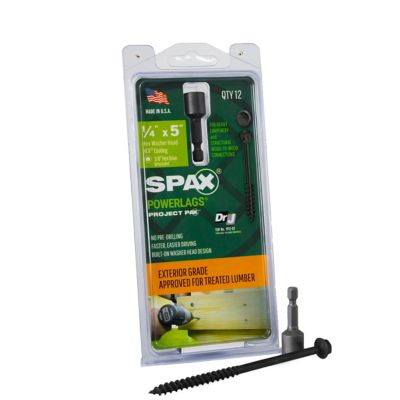
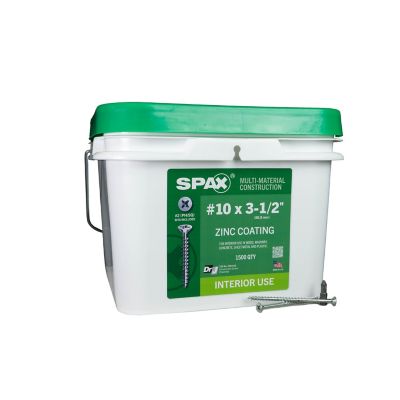
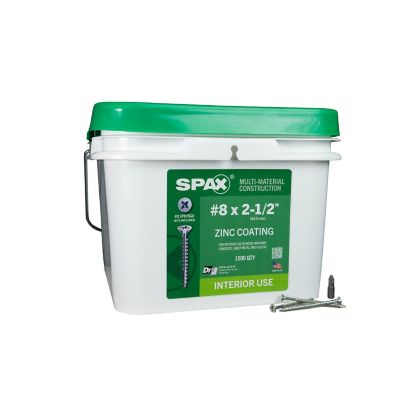
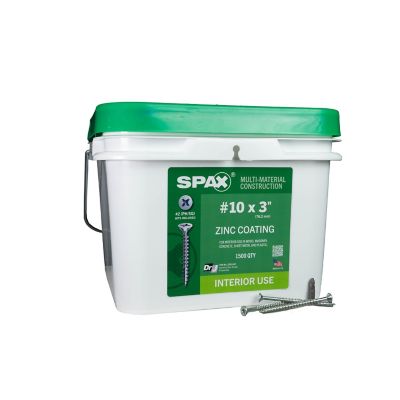
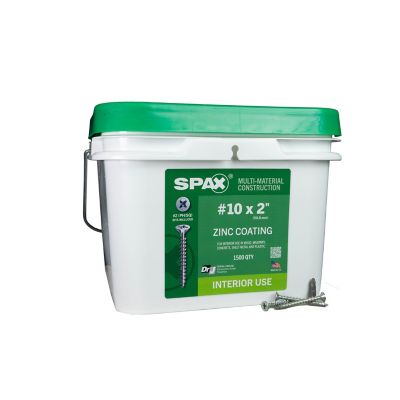
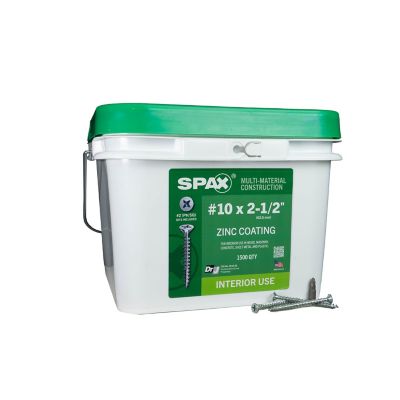
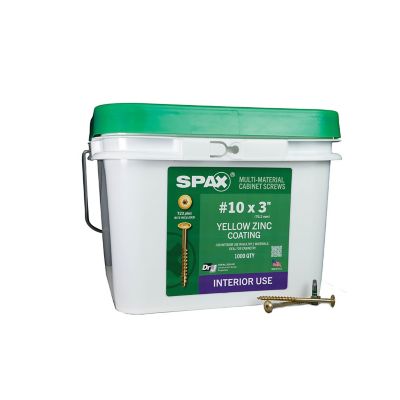
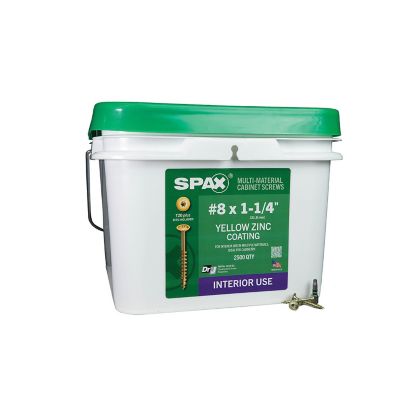
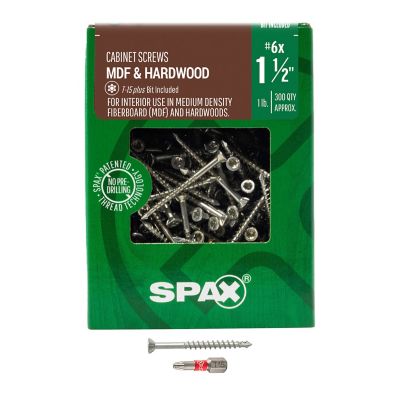
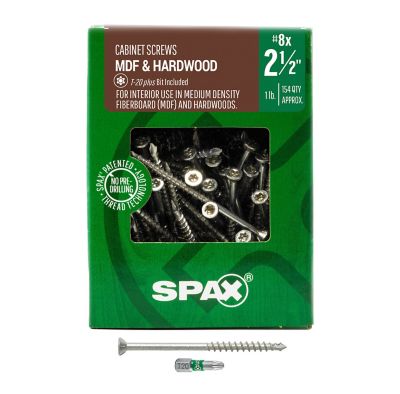
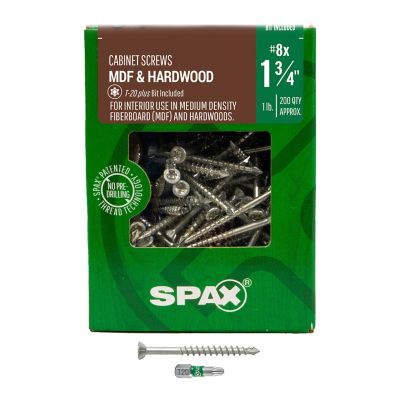
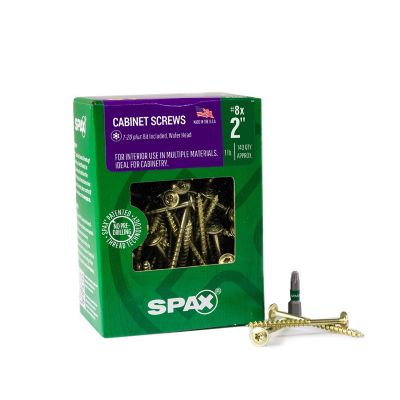
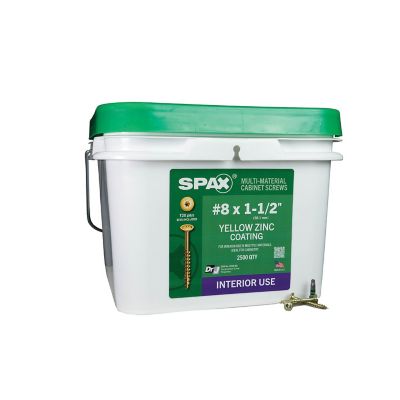
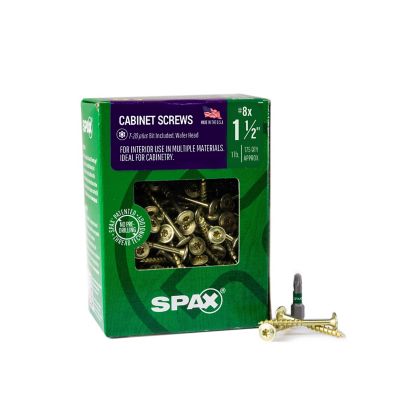
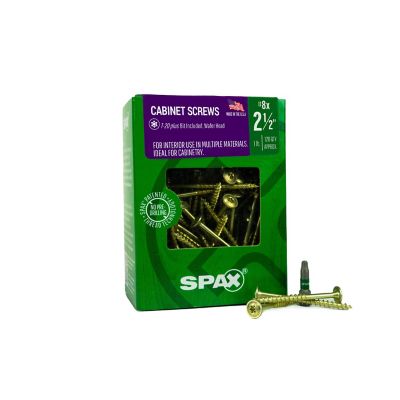
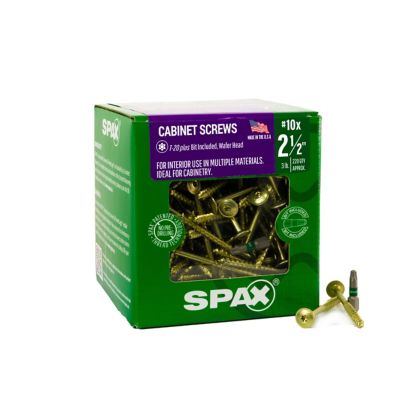
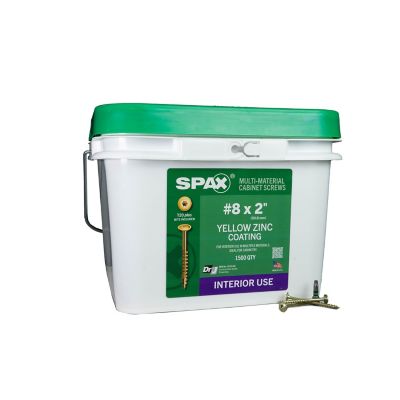
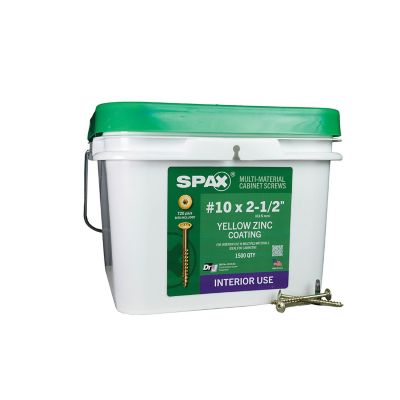
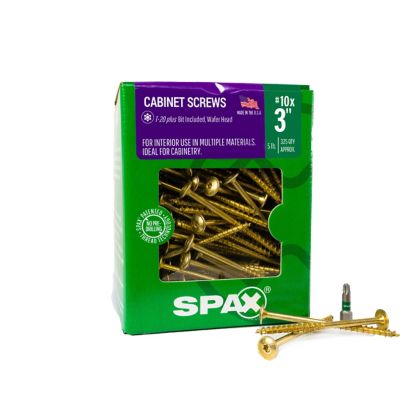
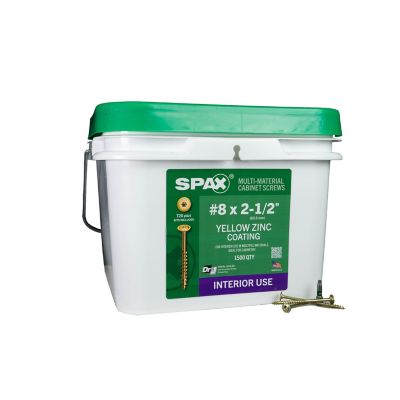
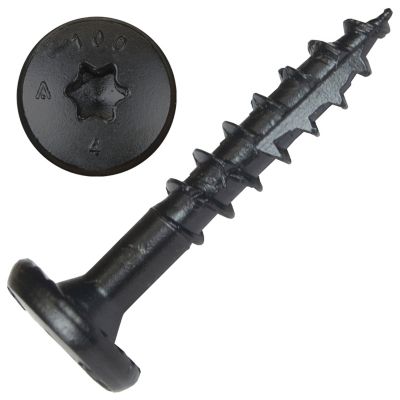
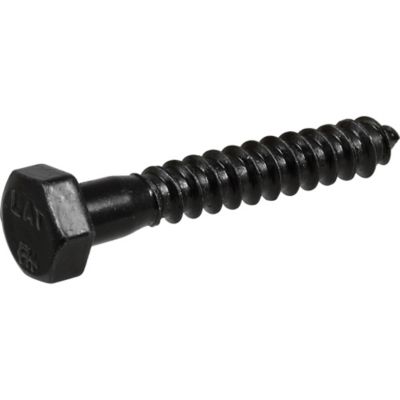
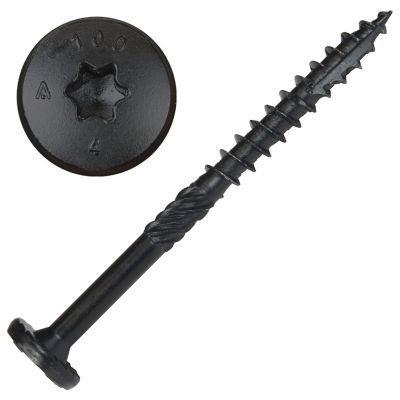
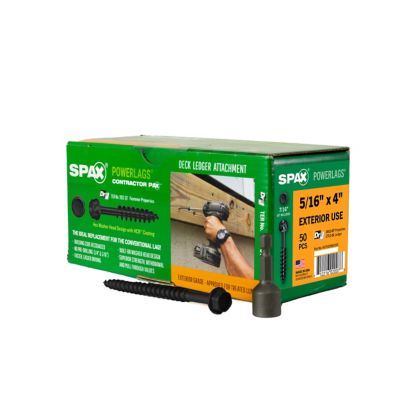
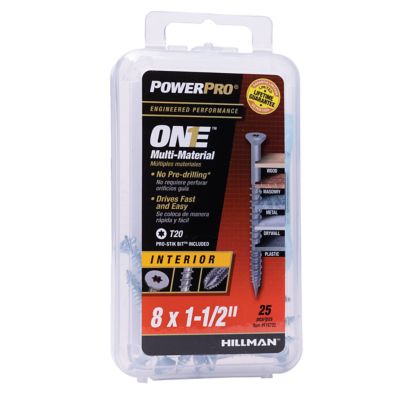
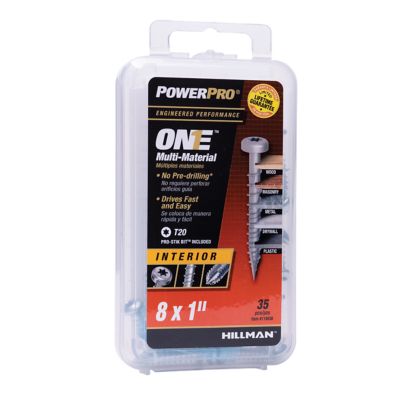
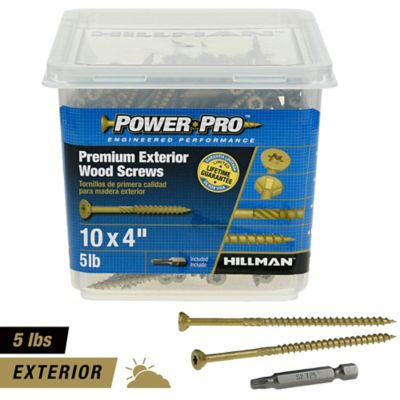
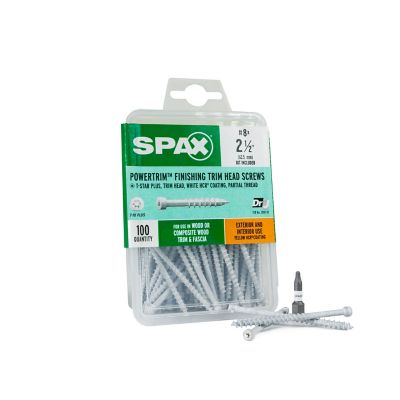
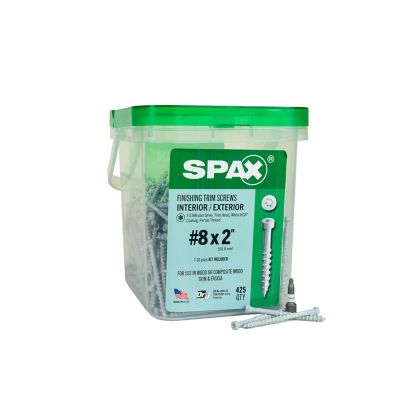
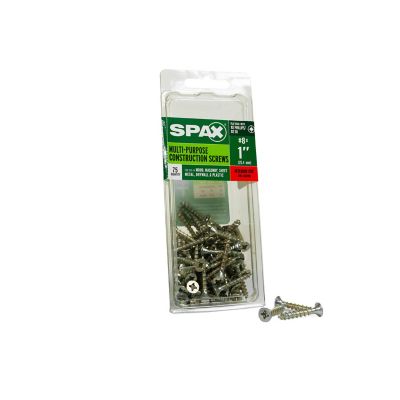
Heavy-duty cabinet screws are wood fasteners designed for fastening cabinet mounting rails or other approved attachment points to suitable framing. They commonly feature a broad washer-style head, a recessed drive and threads that grip wood. Many cabinet-mounting applications call for #8 or #10 screws, and 2-1/2 inches is a common length, but neither measurement is a one-size-fits-all answer. The right size depends on the cabinet construction, wall assembly, framing material and cabinet manufacturer’s installation requirements. A kitchen wall cabinet filled with dinner plates puts different demands on its connections than a small organizer holding shop rags. In either setting, the attachment needs to support the cabinet and its contents through the designated mounting points, not merely through a thin back panel. The wide head on a cabinet screw spreads clamping pressure across more surface area than a small countersunk head, helping limit pull-through at the mounting rail. That bearing surface is an important part of the fastener’s purpose, especially where a cabinet’s attachment rail carries the load into the wall framing. Heavy-duty cabinet screws belong in projects ranging from farmhouse kitchen installations to laundry room storage and workshop cabinet runs, wherever the cabinet and supporting structure call for this type of connection. Carpenters, remodelers, property owners and folks fitting out a farm office all have reason to pay attention to these small but important details. The term heavy-duty alone does not establish a load rating, and screw diameter by itself does not tell the whole story. Holding strength also depends on thread engagement, wood condition, fastener spacing and the strength of the cabinet itself. Drywall is a wall covering, not a substitute for framing support. For cabinets holding dishes, hardware or everyday supplies, a properly matched mounting screw is one part of a complete attachment system that also includes sound framing and a cabinet built for the intended load. That distinction matters just as much in a tidy pantry as it does beside a busy workbench.
Head shape, drive style and thread design help explain the differences among cabinet screws. Washer heads and wafer-style heads generally provide a broad bearing surface, though their dimensions and profiles vary. A low-profile head can leave less projection inside the cabinet while still bearing against the mounting rail. Flat countersunk heads serve a different purpose and should not be treated as interchangeable with washer heads unless the cabinet’s mounting design permits them. Star-drive recesses provide several contact surfaces for the matching bit and can help reduce bit slippage during driving. Phillips and square-drive configurations have their own bit requirements, so a snug match between recess and driver matters more than grabbing whichever bit happens to be in the drill. Some wood screws have a Type 17 cutting point, recognizable by a cutting flute near the tip, that helps cut wood fibers as the screw enters. This feature can reduce the need for a pilot hole in certain softwoods, but it does not eliminate every reason to drill one. Hardwood rails, narrow attachment areas and connections near an edge may still need pilot holes to limit splitting and control placement. Thread patterns also vary, with designs intended for different wood connections; screw selection should follow the stated application rather than appearance alone. Steel is a common base material, often paired with a protective finish. Coating descriptions matter because protection from corrosion differs by finish, and a screw intended for dry indoor cabinetry may not suit a damp utility space or contact with treated lumber. Stainless steel can offer corrosion resistance, but it is not automatically a strength-equivalent replacement for another screw. Manufacturer specifications remain the better basis for comparison. Length also needs a closer look than the package measurement alone: the cabinet rail, shims and wall covering all take up part of the screw’s reach before it enters framing. Sufficient embedment must be balanced with the possibility of concealed wiring or plumbing. Simply choosing a longer screw does not make a connection safer or stronger in every wall.
Fit becomes especially important when a cabinet run crosses an uneven wall or includes several boxes that need to sit flush. Shims can support the space behind mounting points so tightening the fasteners does not twist the cabinet or draw its back toward a hollow spot. A broad screw head should sit firmly against its intended bearing surface without crushing the surrounding material. More driving force is not always better; stripped wood threads, a buried head or a cracked rail can weaken the very connection the screw is meant to secure. Wall-mounting screws also have a different job from fasteners that join neighboring cabinet face frames or attach hinges and drawer hardware. Those connections may require different lengths, head styles and pilot-hole dimensions to keep the finished surfaces aligned without breaking through. Wood-stud cabinet screws are not a direct substitute for fastening systems specified for steel studs, concrete or masonry. In those assemblies, the wall material and cabinet requirements determine the appropriate anchors or fasteners. The same attention to purpose applies elsewhere around the property:
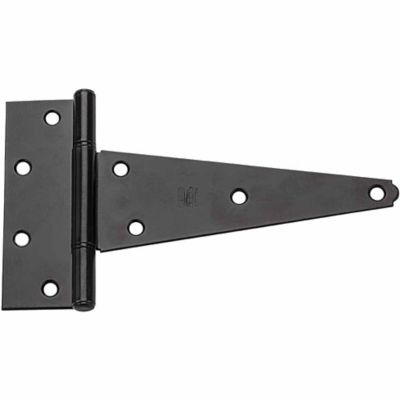
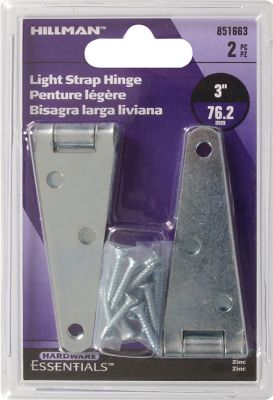
Heavy Duty Door Hinges serve door-hanging projects, where hardware selection and attachment requirements differ from cabinet mounting. For cabinet screws, long service starts with the right connection and continues with simple attention to condition. Fasteners awaiting a project benefit from dry storage in labeled containers that keep lengths, diameters and finishes separate. A handful of look-alike screws in a coffee can can make it hard to confirm what belongs in a load-bearing cabinet connection. After installation, a widening gap at the wall, movement in the cabinet or visible corrosion deserves attention rather than another turn of the driver. Loose connections can point to damaged wood, missed framing or excess weight, not just an untightened screw. Whether the finished cabinet holds canning jars in the kitchen or small tools in the shop, matching the screw to the mounting rail, supporting structure and expected load helps keep the storage working as intended. The best fit comes from those practical details, not from the biggest head or longest shank.