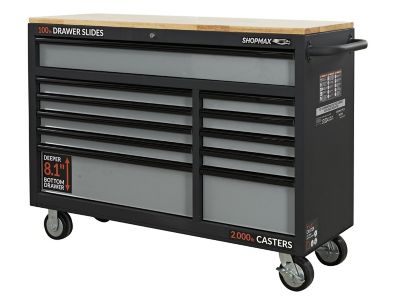
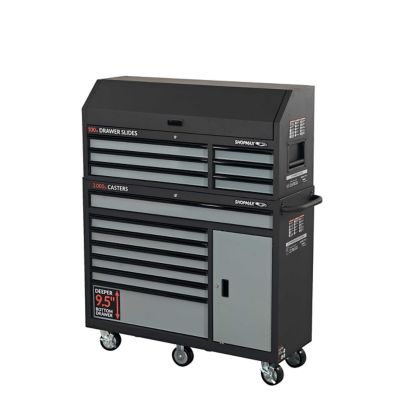
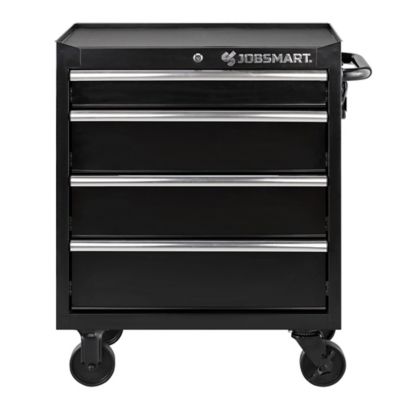
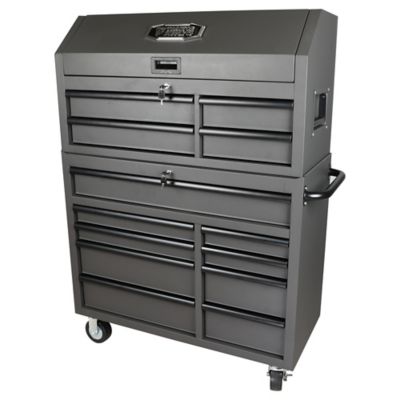
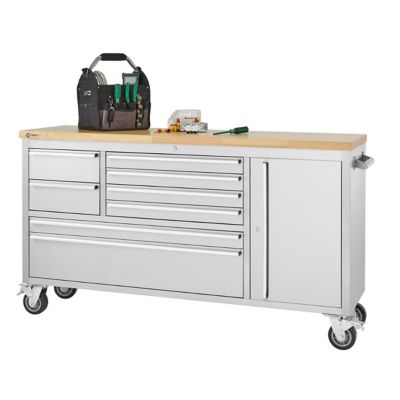
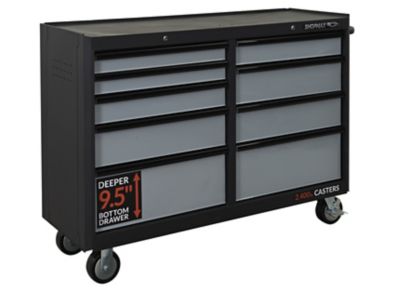
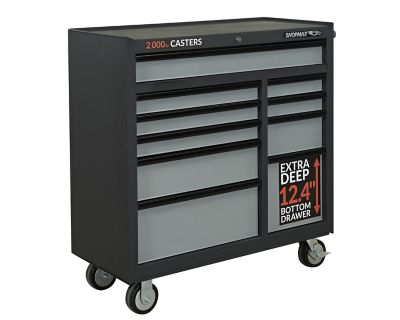
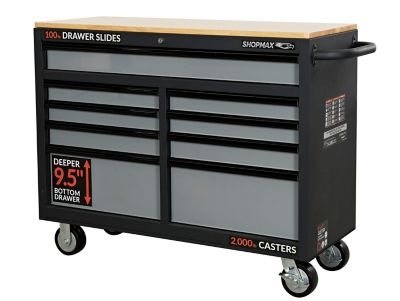
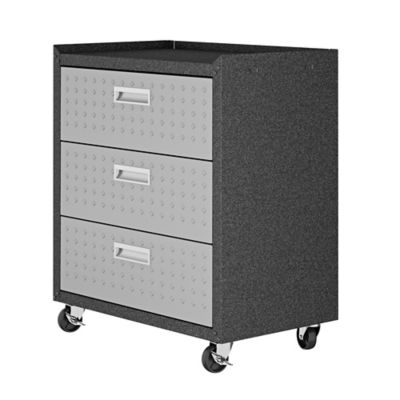
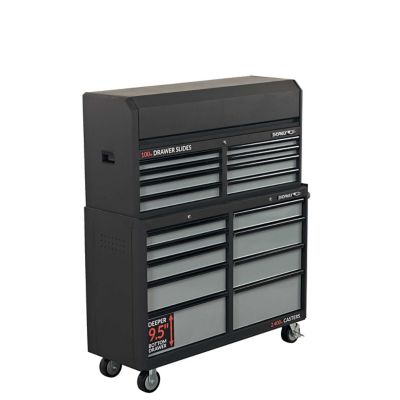
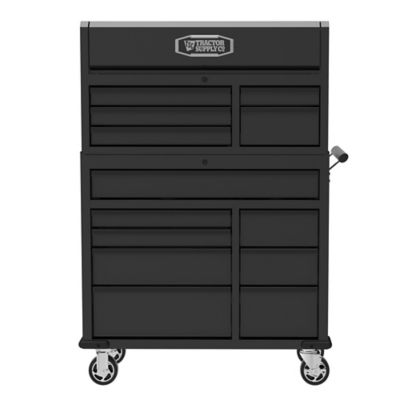
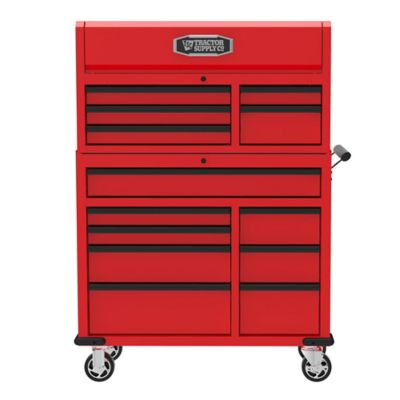
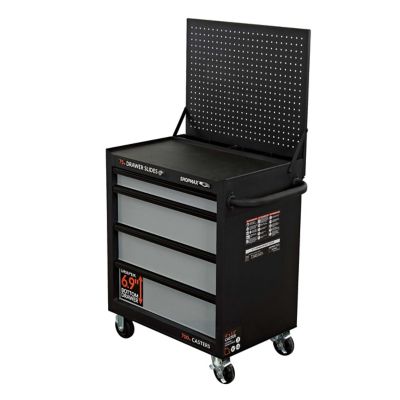
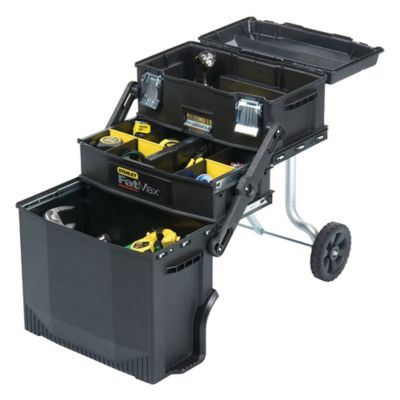
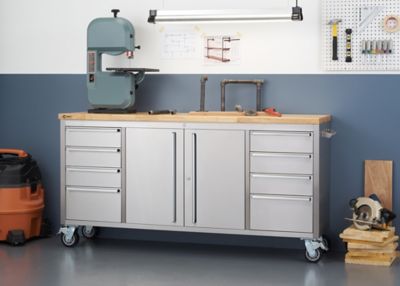
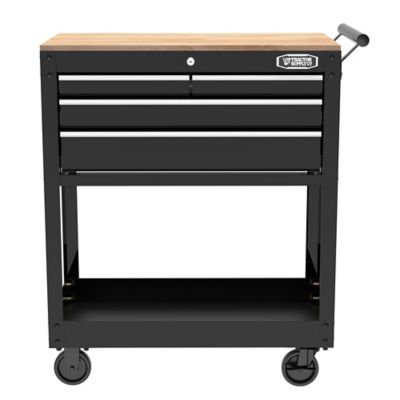
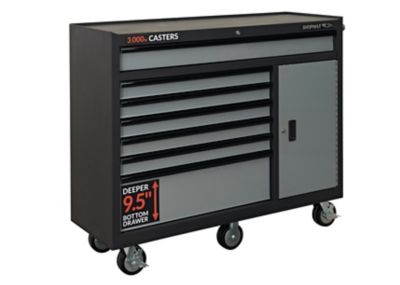
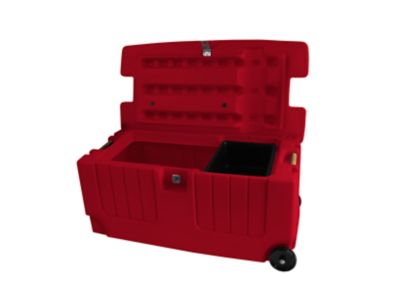
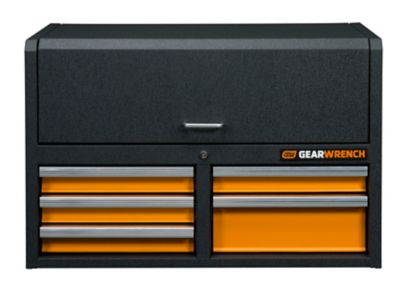
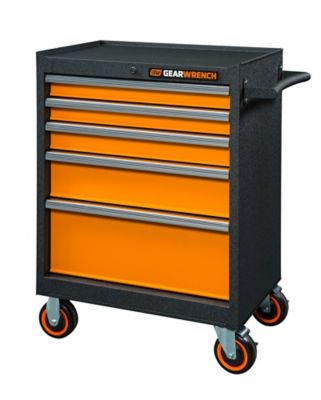
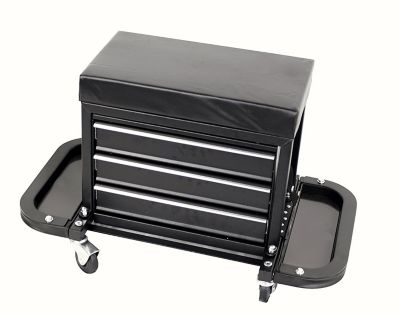
A tool chest with wheels is a rolling storage cabinet that keeps hand tools, sockets, hardware, and other shop essentials organized while letting them move together around a workspace. Often called a rolling tool cabinet, it combines drawers or compartments with a wheeled base, bringing tools closer to the job instead of sending you back across the garage for another wrench. That makes good sense when a mower needs attention beside the workbench or a tractor attachment takes up the middle of the shop. For mechanics, farmers, woodworkers, and folks who handle their own household repairs, having a place for each tool helps keep the work moving. Shallow drawers give small pieces room to lie flat, making socket sizes and wrench markings easier to spot. Deeper drawers accommodate larger tools, while open compartments can provide space for cases and equipment that won't fit neatly in a narrow tray. Drawer count tells only part of the story: usable interior dimensions, drawer depth, and weight limits determine how well a chest fits the tools going into it. A collection of pliers and screwdrivers has different storage needs than a lineup of heavy impact tools and large sockets. Full-extension drawers, where included, bring the back of the storage space within reach, so fewer pieces disappear behind the front row. Liners and dividers can help keep tools from sliding together when the cabinet rolls, though their fit and care requirements vary by material. Some chest configurations pair a lower rolling cabinet with a separate top box, creating additional storage without taking up more floor space. That arrangement raises the overall height, which matters under shelving or beside a window. A chest can also make a practical gift for someone setting up a first garage or getting serious about equipment maintenance, especially when its layout suits the work they already enjoy. The right fit is less about filling every drawer and more about keeping everyday tools close, visible, and ready for the next repair.
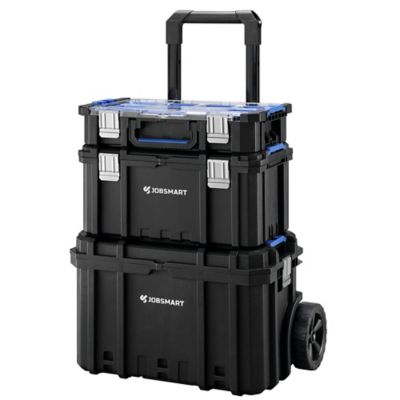
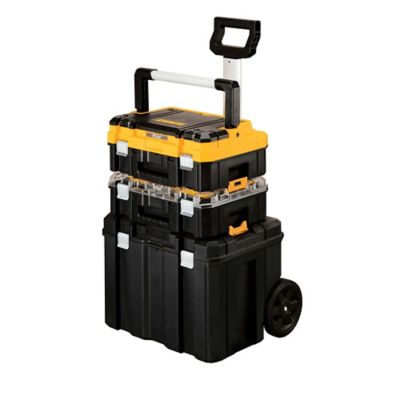
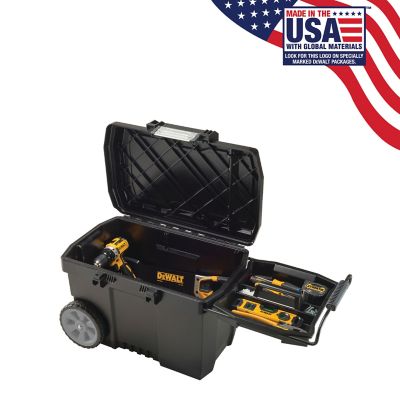
Materials and construction make a difference in how a rolling tool chest handles life in a working shop. Steel is a common choice because it supports substantial tool loads and stands up to regular contact with equipment, though overall strength depends on the cabinet design, metal thickness, joints, and drawer construction. A painted or powder-coated finish helps protect the metal surface, but scratches, damp conditions, and chemical spills still deserve attention. Molded plastic storage systems can offer a lighter option for smaller tool collections and jobs that call for frequent movement; their load limits and intended environment remain important considerations. Across materials, drawer ratings and total cabinet capacity are separate measurements. A chest's overall capacity doesn't mean that the same weight can go into any single drawer, and the top surface may have its own rating. Smooth-running drawer slides help when a drawer holds a full row of sockets, while secure drawer retention helps keep drawers closed during movement. Locking systems can restrict access to tools when the cabinet isn't in service, but a drawer lock isn't a substitute for caster brakes or proper loading. Wheels carry the combined weight of the cabinet and its contents, making caster construction, mounting points, and load ratings just as important as the drawers above them. Swivel casters help with turning in tighter spaces, while fixed casters, where fitted, help the cabinet track along a straighter path. Brake designs vary: some stop the wheel from rolling, while others also limit swiveling. Wheel diameter and tread material influence how a chest moves over concrete joints and other small surface changes, but a rolling shop cabinet isn't automatically suited to gravel, mud, or rough barn floors. A side handle gives a designated place to control movement without pulling on drawer handles. Details like these matter most after the chest is loaded, when maneuvering around a truck tire or between workstations takes more planning than moving an empty cabinet.
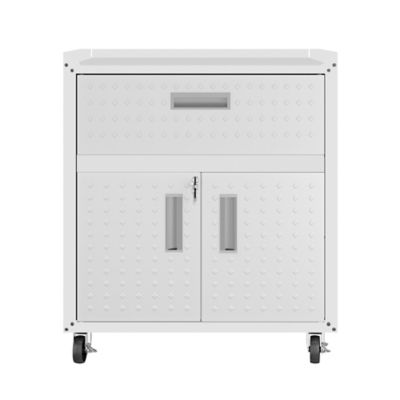
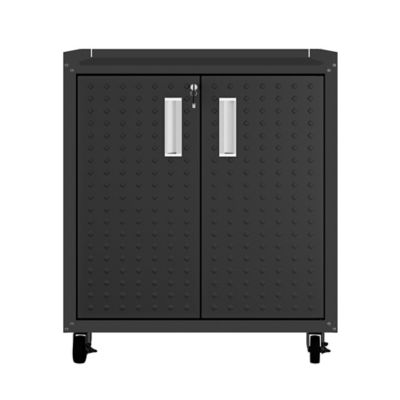
Fit goes beyond the cabinet's width. A tool chest with wheels needs room for its handle, fully opened drawers, and a clear path through the workspace. In a small garage, parking space beside the workbench may look sufficient until a deep drawer opens toward the vehicle. In a farm shop, door thresholds, floor slopes, and crowded corners can determine whether a cabinet belongs near one station or can travel safely between several. Worktop height also matters when the chest includes a surface intended for light tasks, whether that's laying out fasteners or sorting parts during a repair. Not every cabinet top is designed for hammering, mounting a vise, or carrying a second chest, so those uses depend on the manufacturer's specifications. For storage needs that lean toward larger compartments rather than rows of shallow drawers,
Metal Cabinets With Wheels offer another category worth considering alongside drawer-based tool storage. Whatever the layout, heavier tools belong low in the cabinet to help maintain stability, and drawers should stay closed while it moves. Opening one drawer at a time and setting the caster brakes before reaching for tools helps reduce movement and tipping risks; any built-in safety features should be operated as directed. Routine care is straightforward but worthwhile. Wiping away moisture, dirt, and spills helps protect finishes, while cleaning drawer liners keeps grit from collecting beneath tools. Casters benefit from checks for tangled debris, loose mounting hardware, and signs of wear. Drawer slides and locks need maintenance according to their instructions rather than a blanket application of oil that might attract dust. During the cooler months, condensation can collect as shop temperatures change, making dry tool storage and attention to damp surfaces especially helpful. With a sensible layout and regular care, a rolling tool chest gives everyday repairs a steady home base, from sharpening-season preparations to tightening a loose bracket before the next round of chores.