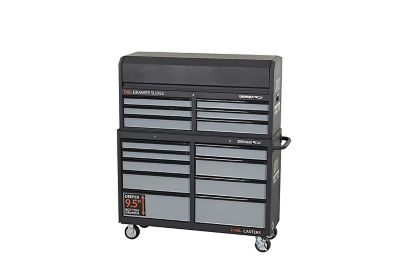
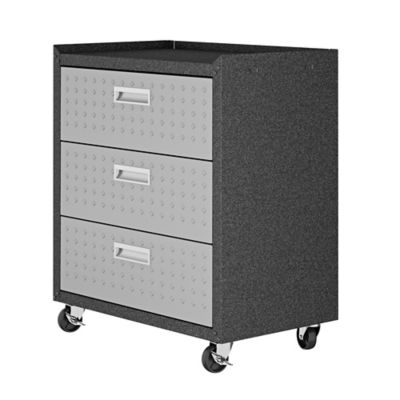
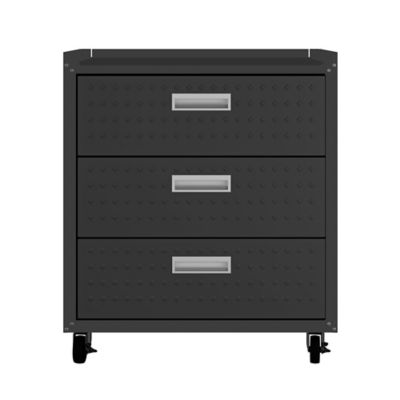
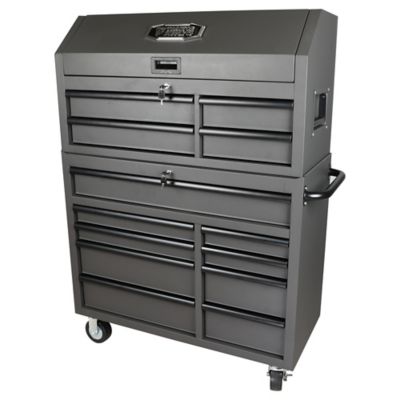
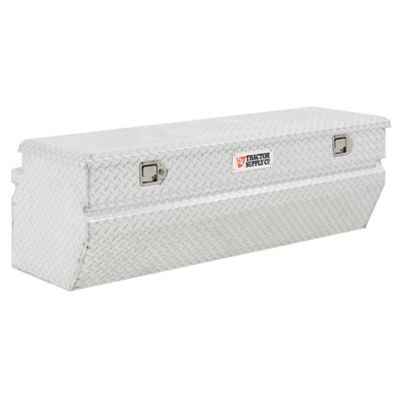
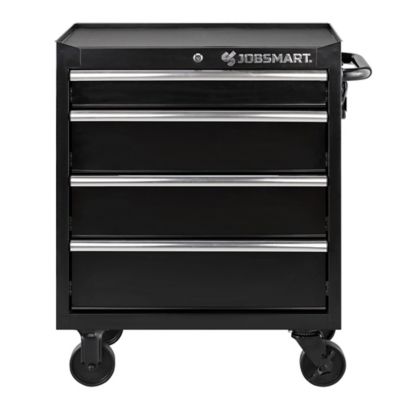
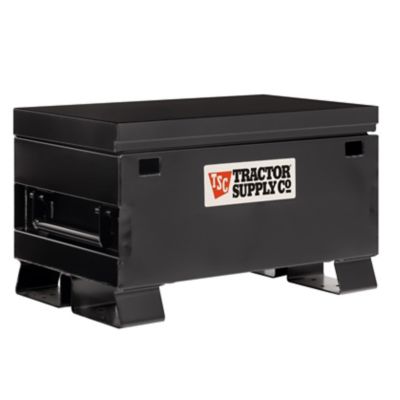
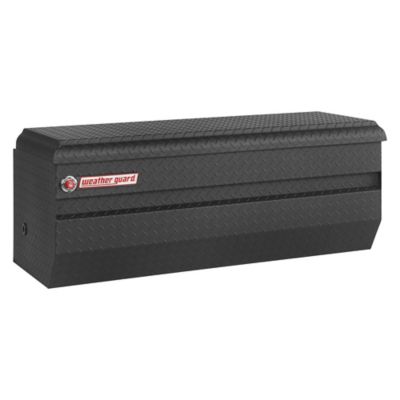
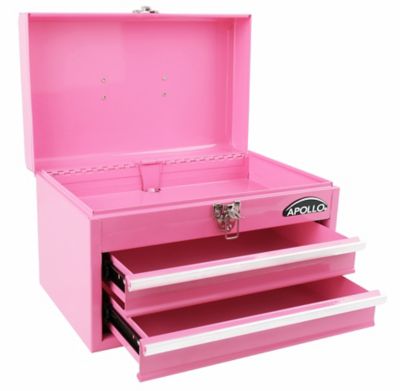
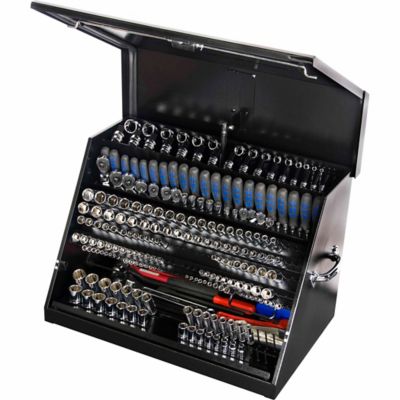
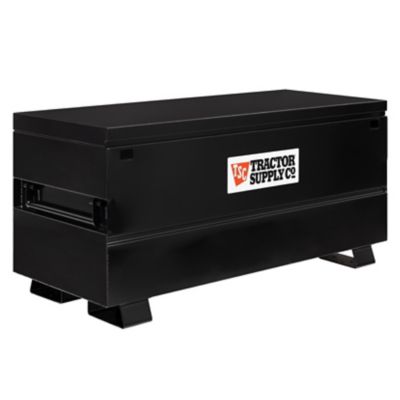
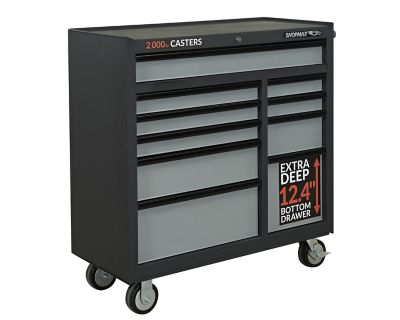
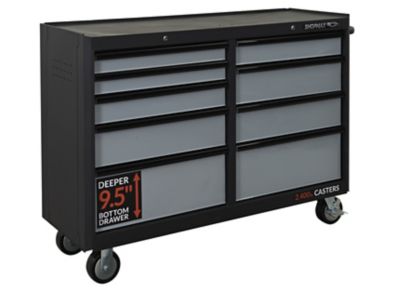
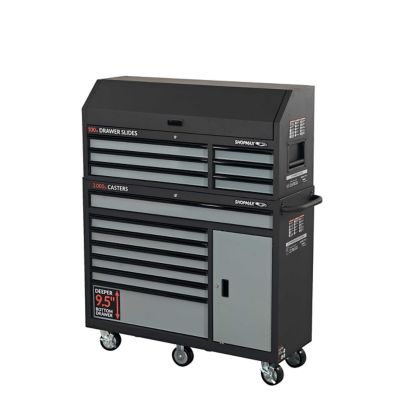
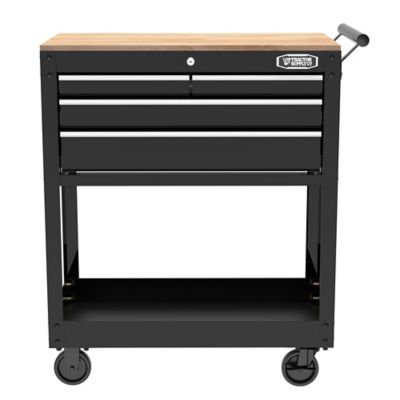
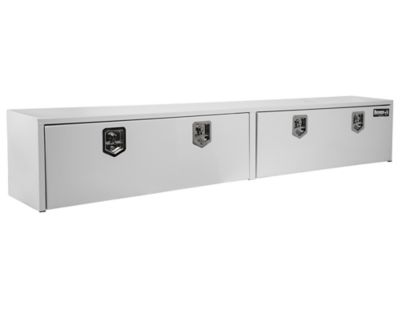
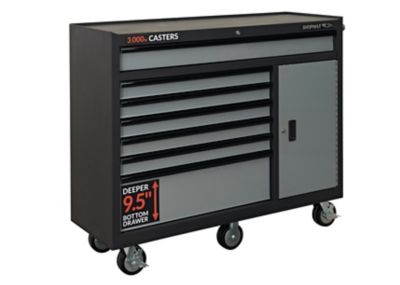
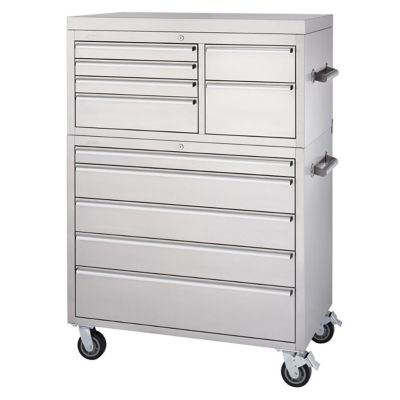
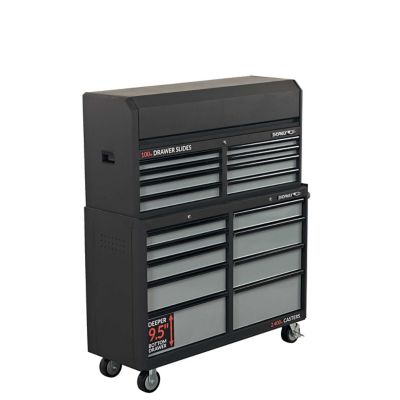
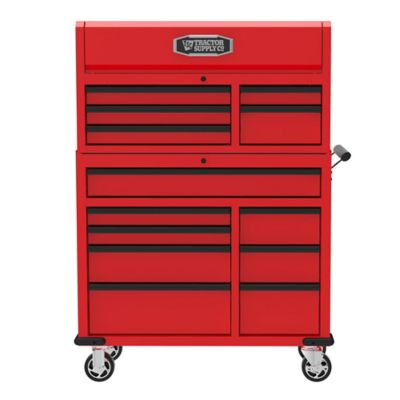
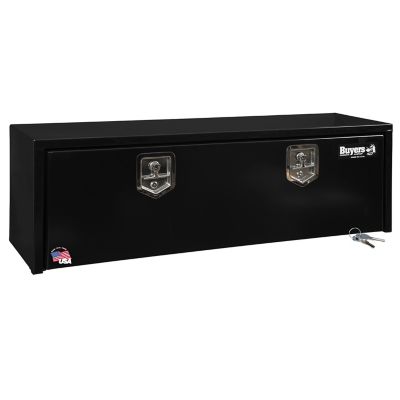
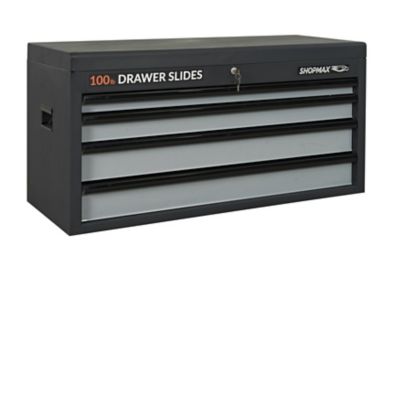
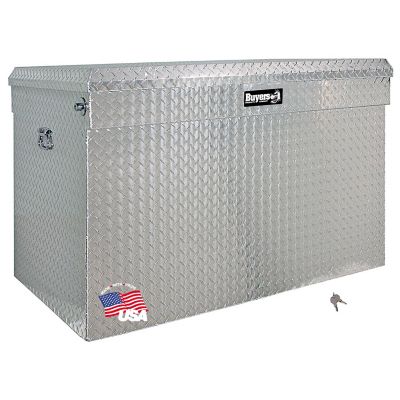
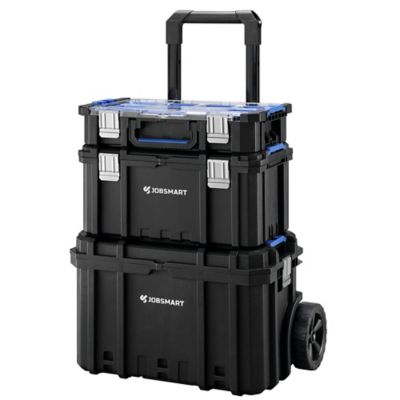
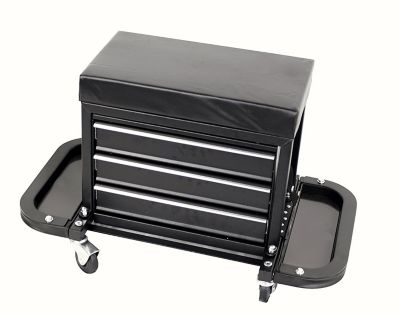
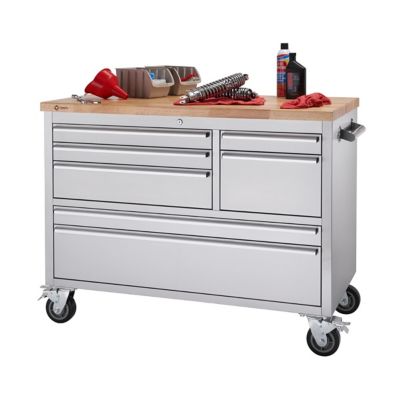
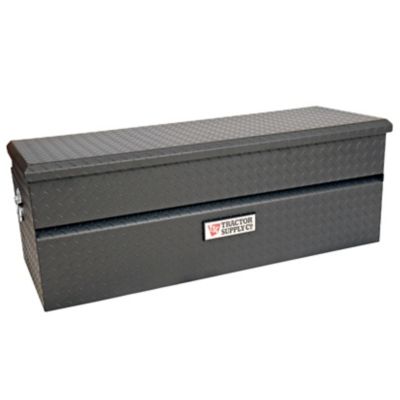
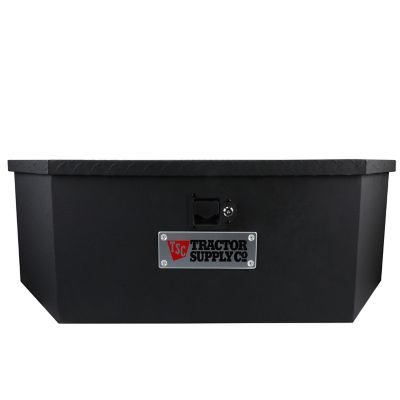
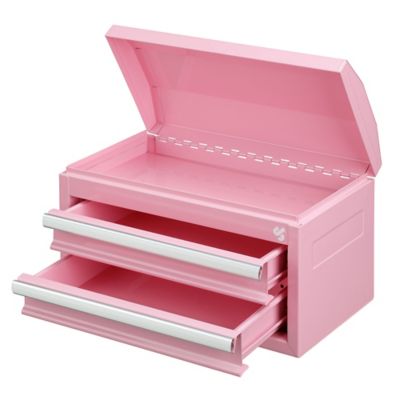
Steel tool chests bring order to the garage, shop, barn, or work truck without asking you to baby your storage. Built from formed steel, they give hand tools and smaller equipment a solid place to land after a long day of repairs, maintenance, or building. A well-organized chest can keep sockets from rolling under a workbench, make it easier to find the right wrench when a gate hinge needs attention, and help protect tools from dust, moisture, bumps, and everyday shop wear. They fit a wide range of routines, from weekend projects and home improvement to farm maintenance, automotive work, carpentry, and professional trades. Some folks use a steel tool chest as the main storage center in a busy workshop, while others keep a smaller chest on a bench for the tools they reach for most. When comparing steel tool chests, start with the space you have available and the kind of work you do. Measure the open area beneath a workbench or along a garage wall, and remember to leave room for drawers to open fully. Compact chests work well in tighter spaces, apartment garages, utility rooms, and small sheds. Larger chests and rolling cabinets offer more room for a growing collection, especially when you keep everything from pliers and screwdrivers to power-tool accessories, fasteners, measuring tools, and spare parts close at hand. A top chest can sit on a work surface or pair with a matching cabinet, while a rolling setup can move across a concrete floor as the job changes from the workbench to the tractor, mower, or pickup. If you need to carry a smaller assortment from one spot to another, you can also browse
Mobile Tool Boxes for storage made with portability in mind.
Steel thickness is another detail worth checking, particularly if your tools see hard use. Gauge numbers can be a little backward at first glance: a lower gauge generally means thicker steel. Standard-duty chests commonly use thinner steel suited to household repairs and lighter shop work, while heavier-gauge construction offers added resistance to dents, twisting, and the daily knocks that come with a working garage or farm shop. Thicker steel can be a good fit for mechanics, contractors, serious DIYers, and anyone who expects a chest to hold up through years of regular use. Drawer construction matters just as much as the outside shell. Look for drawers that open evenly, close securely, and have enough depth for the tools you plan to store. Ball-bearing drawer slides are especially useful because they help drawers glide smoothly when loaded with wrenches, sockets, and other weighty tools. A drawer that sticks under load can turn a simple repair into a frustrating chore, while smooth slides make it easier to pull out what you need with one hand. Full-width drawers are handy for longer tools, and smaller shallow drawers can keep bits, blades, tape measures, and hardware sorted instead of mixed together in a coffee can. Liners or padded drawer bottoms help reduce rattling and keep tools from sliding when drawers are opened. Casters are worth a close look on rolling cabinets. Locking casters help keep the chest planted while you work, then let you move it when you need a better angle or more room around a project. Sturdy handles and reinforced corners can make a difference when the chest is being repositioned on a rough shop floor. For valuable tools or a shared workspace, a built-in keyed lock adds another layer of security when you step away, close up the garage, or leave the shop unattended. A locking system will not replace good habits, but it can help keep drawers closed and discourage casual access.
A steel tool chest can be a practical gift for a new homeowner, a student learning a trade, a family member setting up a first garage, or the handy person who already has tools scattered across three different shelves. It is the kind of gift that becomes more useful over time, especially as a tool collection grows. Someone working on an older truck may appreciate deep drawers for sockets and extensions, while a gardener or small-acreage owner might use a compact chest for fence tools, pruning equipment, fasteners, and repair supplies. A steel chest also makes a thoughtful choice for a young adult moving into a first home because it creates a dependable place to build and maintain a basic tool collection. During the cooler months, when outdoor chores may slow down in some areas, a clean, organized chest can make indoor projects and shop maintenance more enjoyable. It is easier to service equipment, sharpen tools, sort hardware, or repair a loose cabinet hinge when the right tool is not buried beneath a pile of mismatched parts. In warmer weather, the same chest can roll near a trailer, mower, livestock equipment, or vehicle for jobs that need to be handled outside. To get the best use from your storage, group tools by task or type, keep frequently used items in the top drawers, and leave heavier tools in lower drawers to help keep the unit stable. Avoid overloading a drawer beyond its rated capacity, and keep the chest on a level surface whenever possible. Wipe away dirt, spilled oil, and moisture before closing it up, particularly in an unheated shed or barn where condensation can become a problem. With sensible care, steel tool chests can help turn a cluttered work area into a dependable setup where every wrench, driver, and socket has a place. Whether you are outfitting a professional shop, improving a home garage, or giving a useful gift to someone who likes to fix things themselves, the right chest makes everyday work feel more manageable and keeps your equipment ready for the next job.