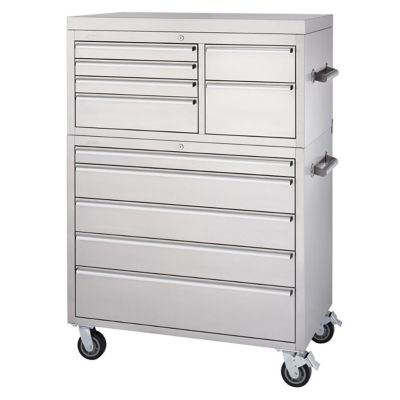
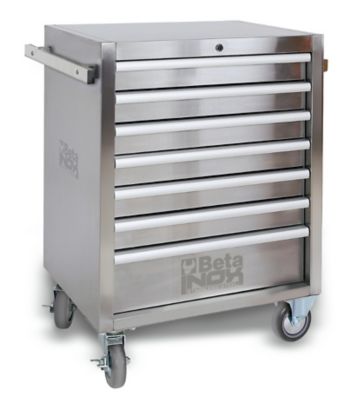
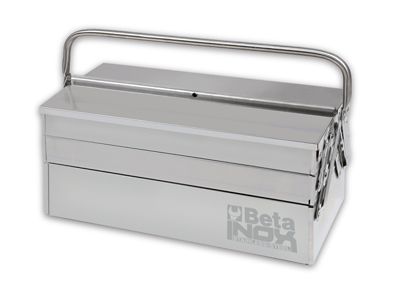
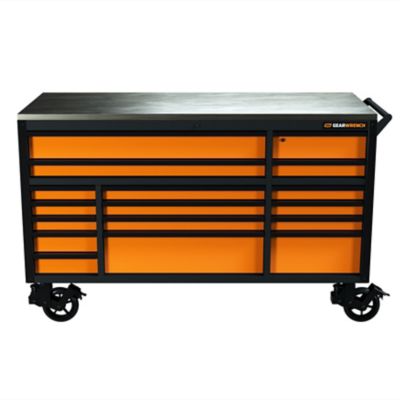
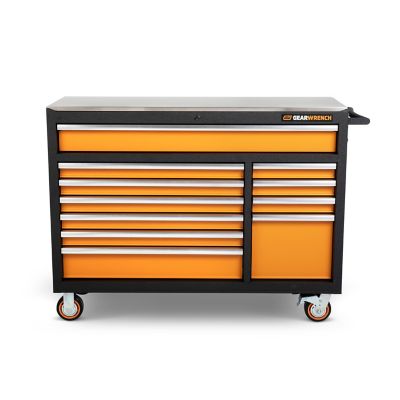
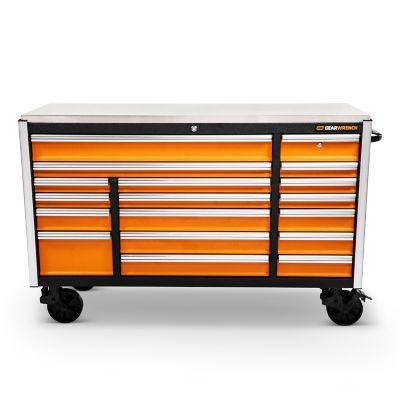
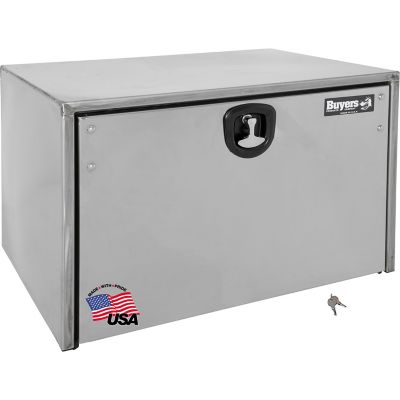
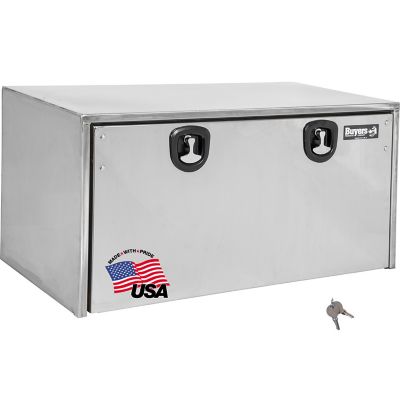
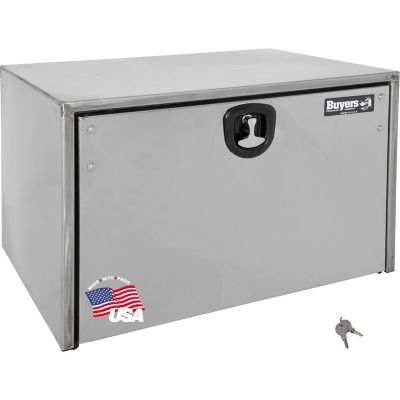
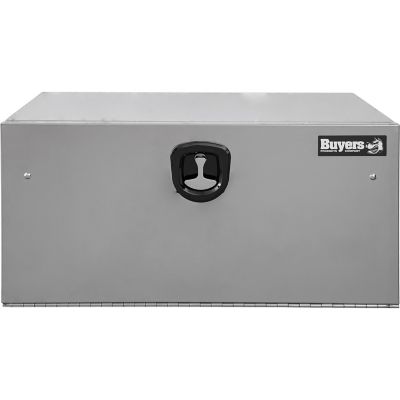
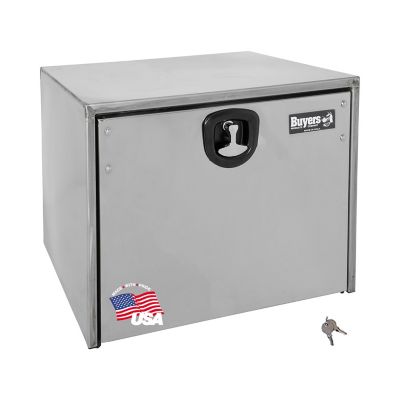
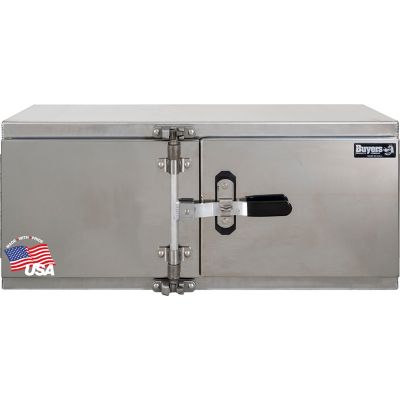
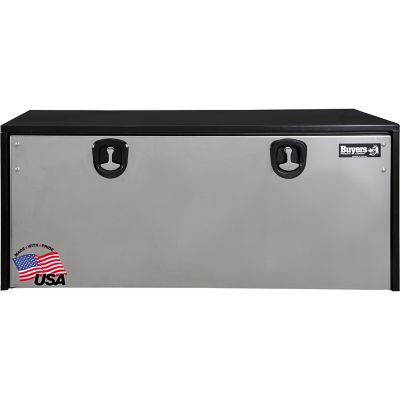
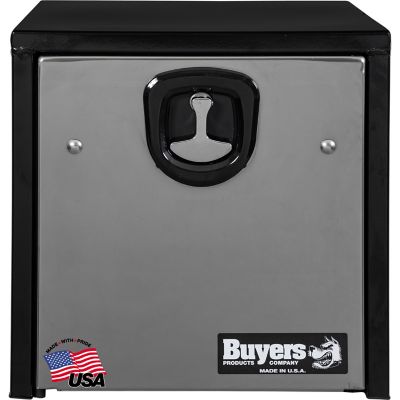
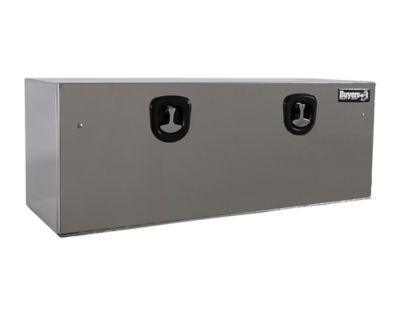
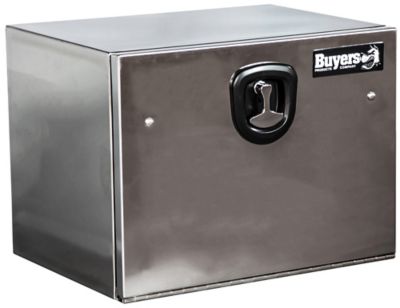
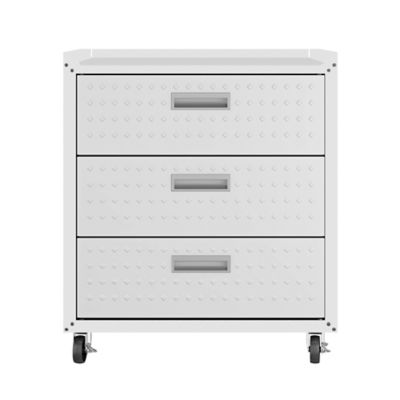
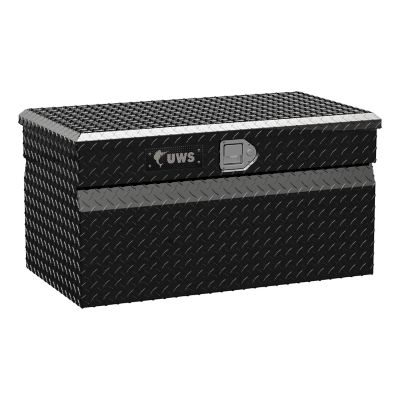
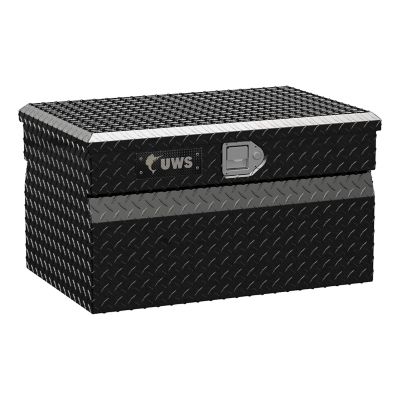
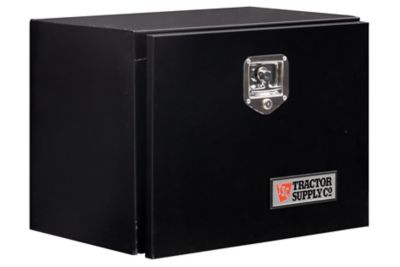
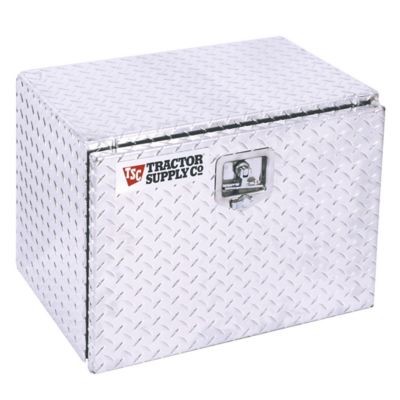
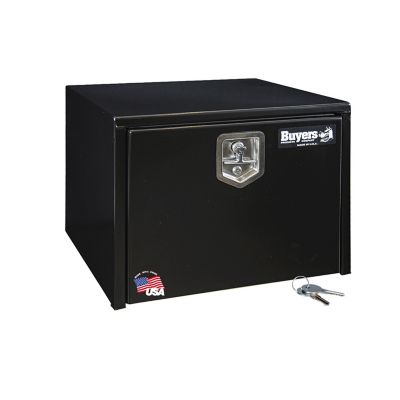
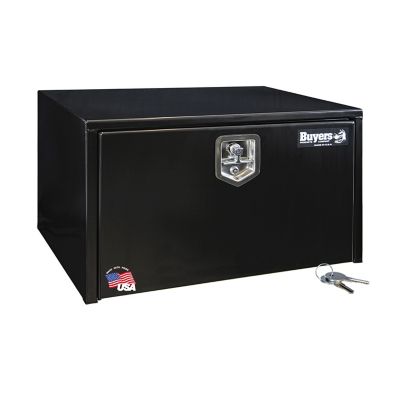
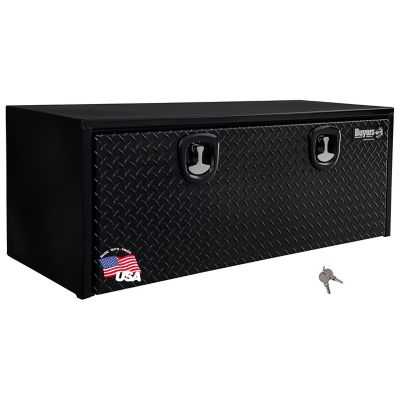
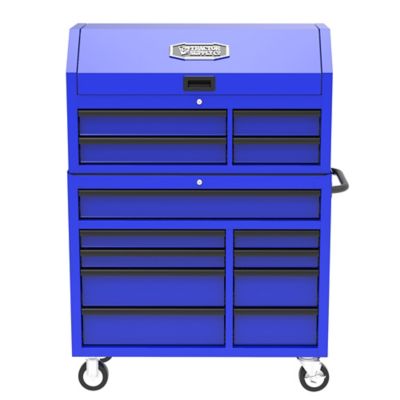
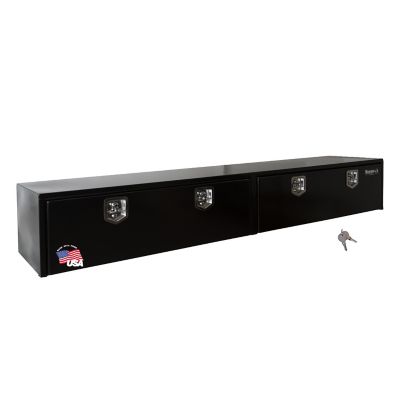
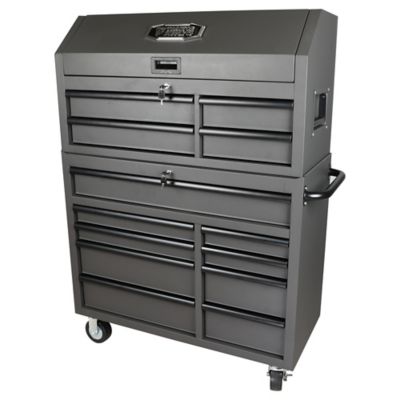
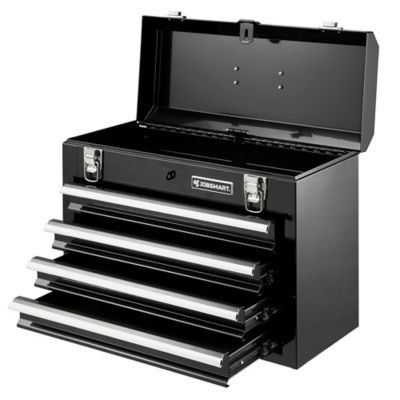
Stainless steel tool chests bring dependable storage and a clean, hardworking look to garages, barns, workshops, utility rooms and job sites. Their biggest advantage is organization: instead of digging through a coffee can of loose sockets or moving three buckets to find a tape measure, you can give each tool a regular place. Drawers make it easier to sort hand tools, fasteners, measuring equipment and small repair supplies, while a broad top surface can hold frequently used items between jobs. Stainless steel is also a practical choice for areas where dust, moisture and everyday wear are part of the work. It resists corrosion better than many ordinary steel finishes, wipes clean with little fuss and stands up well to the scuffs that come with farm maintenance, home repairs and mechanical work. A tool chest can be useful beside a tractor bay, under a workbench or along the wall of a shop where space needs to earn its keep. Before choosing one, consider the type of work you do and the tools you already own. Count the larger items that need a deep drawer, then think about the small pieces that tend to wander, such as drill bits, wire connectors, hose clamps, utility blades and spare hardware. Full-extension drawers can make tools easier to see and reach, while smooth drawer slides help when a drawer is loaded with heavy wrenches or sockets. Look for sturdy construction, reinforced corners and drawers that stay aligned when opened. A chest with a secure locking feature can help keep valuable tools together and out of the way when the shop is unattended, especially in shared garages or busy work areas.
The right storage setup can make routine jobs feel less scattered. Picture a chilly morning in the shop, with a thermos on the bench and a pickup waiting for a quick repair before the day gets rolling. When the pliers, ratchets and electrical testers are arranged in their own drawers, less time goes toward hunting and more goes toward the work itself. Stainless steel tool chests are well suited to homeowners who handle their own equipment repairs, farmers maintaining gates and implements, mechanics working on vehicles, and do-it-yourselfers building a dependable shop one tool at a time. They can also serve tradespeople who need portable organization between the garage and the driveway, although weight, caster quality and available floor space deserve extra attention before purchase. Measure the intended spot, including clearance for drawers to open fully, and check the chest's overall height if it will sit beneath shelving or an existing work surface. Casters are handy when the chest needs to move across a smooth floor, but a fixed location may be better for a heavier setup in a barn or workshop. Keep in mind that stainless steel surfaces can show fingerprints, dust and fine scratches, particularly in a busy work area. That is part of the honest character of a working shop, and a soft cloth with mild soap is usually enough for routine cleanup. Avoid harsh abrasives that can dull the finish. For better day-to-day organization, use drawer liners to keep tools from sliding, group items by task and leave a little room for the next socket set, wrench or specialty tool that finds its way into the collection.
A stainless steel tool chest can make a thoughtful gift for someone setting up a first garage, refreshing an old workshop or taking pride in keeping equipment ready for the next job. It is useful for a new homeowner, a weekend fabricator, a farmhand, a restoration hobbyist or anyone who enjoys having the right tool close at hand. The value is not just in the storage space; it is in the smoother rhythm that comes from opening one drawer and seeing everything laid out. For larger storage needs, some shoppers also compare tool chests with
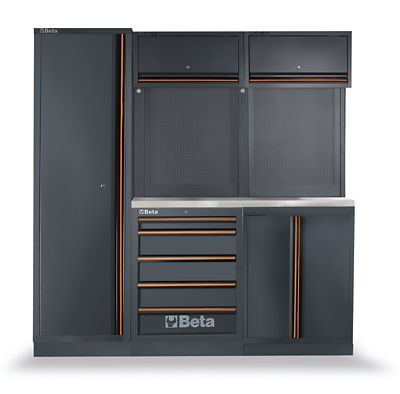
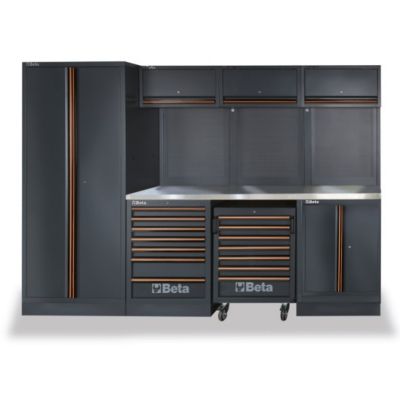
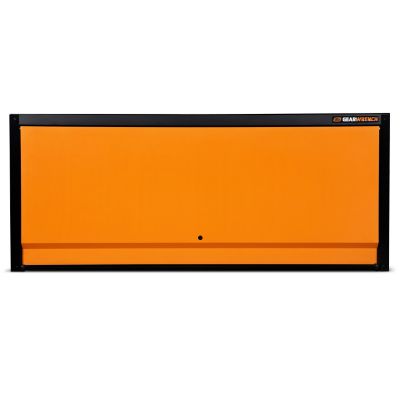
Garage Steel Storage Cabinets to create a combination of drawers and enclosed shelving. Cabinets can hold bulky supplies, extension cords, shop towels and protective equipment, while the chest keeps smaller tools within easy reach. As the weather turns cooler, organized storage also helps make indoor repair time more comfortable, whether you are tuning up a mower, replacing a trailer light or handling small maintenance jobs around the house. Keep sharp tools secured, avoid overloading drawers beyond their rated capacity and place heavier items in lower drawers to help maintain stability. A little planning goes a long way: measure first, match the storage layout to your work habits and choose construction that feels ready for regular use. With a sensible setup, a stainless steel tool chest becomes a lasting part of the workspace—one that keeps tools protected, projects moving and the bench ready for whatever needs fixing next.