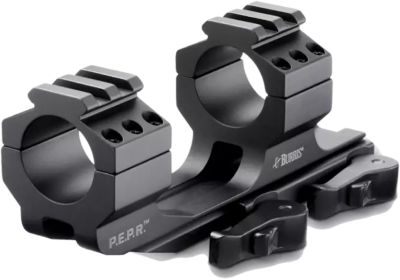
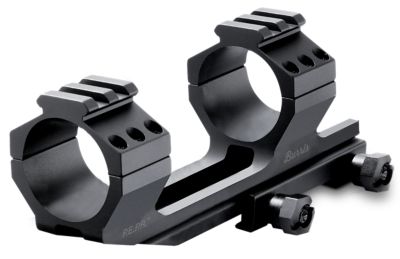
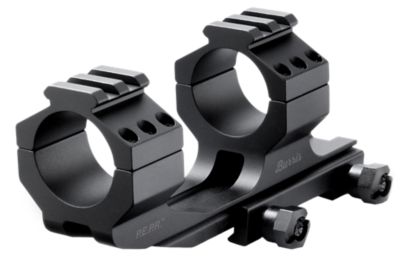
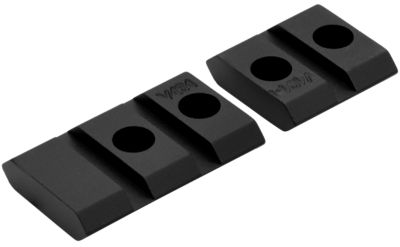
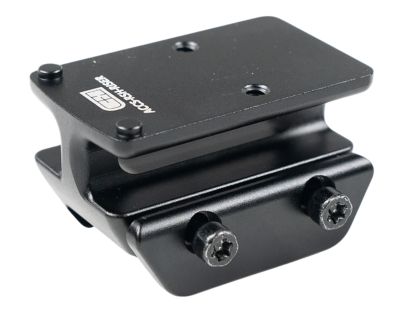
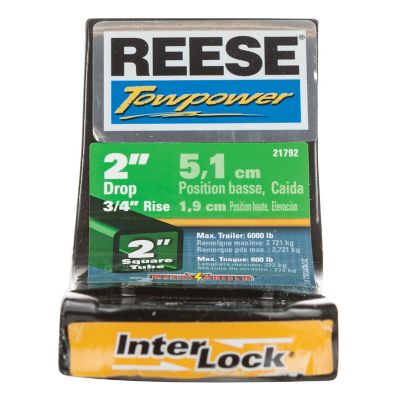
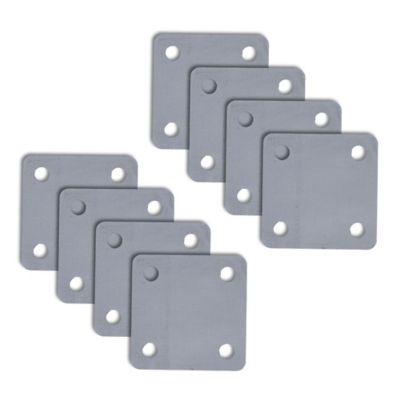
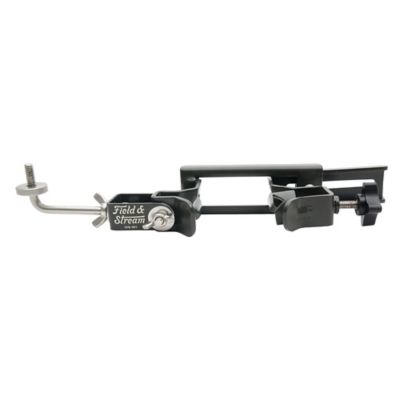
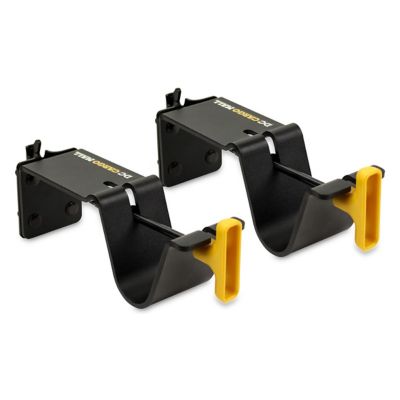
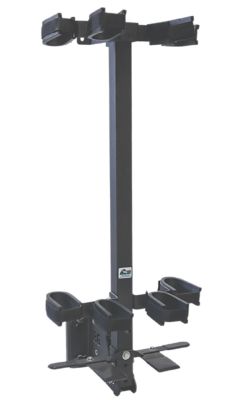
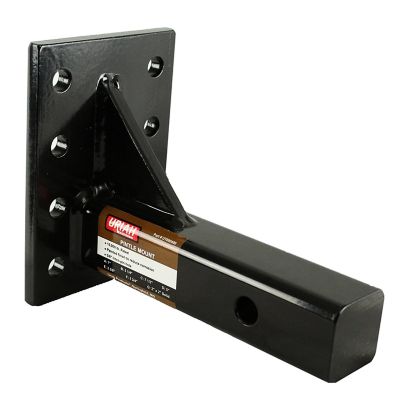
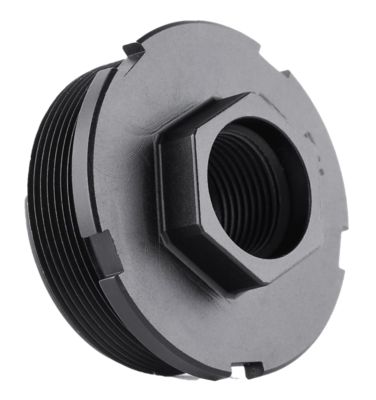
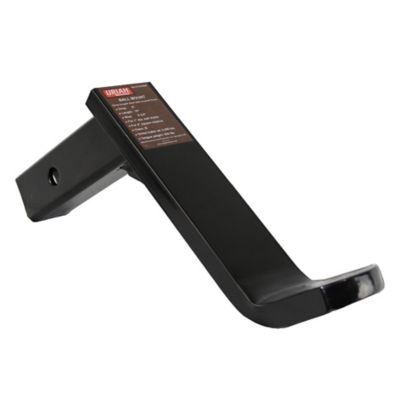
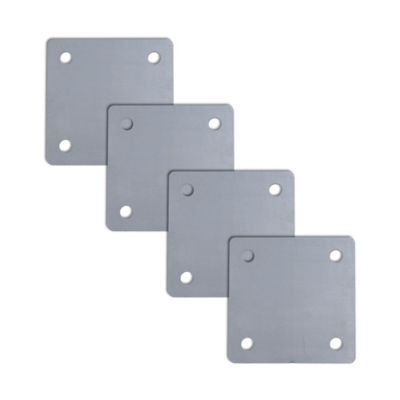
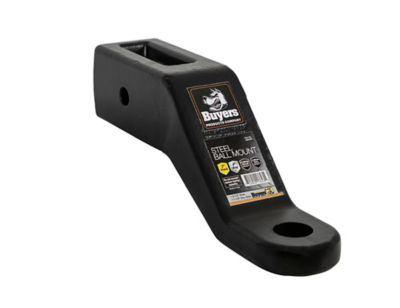
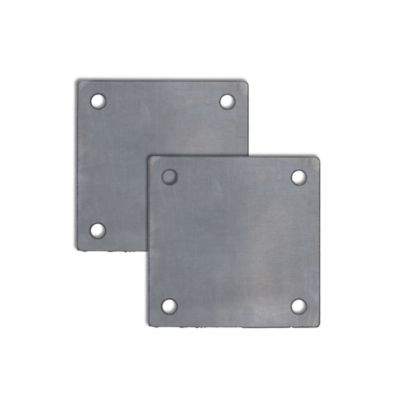
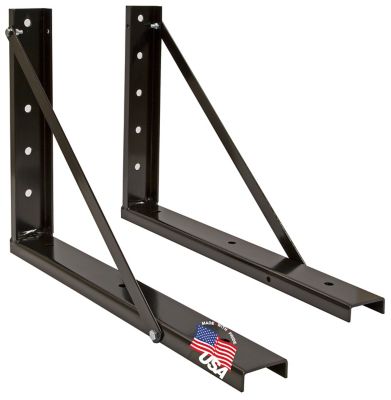
Steel mounts are brackets, plates, arms, and related mounting hardware made from steel to hold equipment or fixtures against a supporting surface. They help connect the load to a wall, post, workbench, pole, or other suitable base, keeping equipment off the floor and within reach. Around a shop, barn office, garage, or utility room, that might mean supporting a monitor above a workbench, positioning a camera near an entry, hanging a speaker, or giving a shelf a firm attachment point. Fixed steel mounts hold equipment in one position, while tilting, swiveling, and articulating designs allow movement within their stated limits. Low-profile designs keep the load close to its support; extended arms provide more reach but place greater leverage on the attachment. The steel itself matters, too. Carbon steel provides strength for many mounting applications, with painted, plated, galvanized, or powder-coated finishes helping protect the underlying metal. Stainless steel offers corrosion resistance, although its performance still depends on the grade and exposure. Damp utility areas, wash spaces, and locations around livestock equipment call for close attention to the material and finish specifications. No finish makes every mount suitable for every location, and scratches or damaged coatings can leave carbon steel exposed. Steel thickness, bends, welds, and reinforcing ribs also influence how a mount carries its load, so appearance alone does not tell the whole story. A compact bracket may suit a small fixture, while a larger assembly may need a wider base or additional support. Steel mounts and
Mounting Brackets cover many of the same attachment needs, with the best match depending on what needs support and where it will sit. For farm owners, tradespeople, and folks keeping a busy home workshop in order, the goal is straightforward: equipment that stays properly supported without getting in the way of the job. A mount’s shape can also leave more room for tools, cords, and everyday work beneath it, making better use of a tight corner or crowded bench.
Fit starts with the connection at both ends: the equipment being supported and the surface carrying the mount. Overall dimensions matter, but hole spacing, bolt diameter, plate shape, slot length, and clearance around the fasteners often determine whether the parts will work together. For displays, a matching VESA mounting pattern is one consideration, along with screen size, weight, and the manufacturer’s mounting requirements. Camera and speaker applications may involve threaded connections, mounting plates, or adapters, and those connections need to match the equipment rather than simply look close. Shelving and utility supports bring their own measurements, including shelf depth, bracket spacing, and the distance between the load and the wall. A long shelf holding dense supplies places different demands on its supports than a small fixture tucked close to a post. Published load ratings deserve careful attention, including any limits tied to mounting position, extension, or the number of supports. The total supported weight includes attached accessories, not just the main piece of equipment. Moving arms and offset plates can increase leverage, and vibration or repeated movement can affect a connection differently from a stationary load. Just as important, the supporting structure and fasteners must be appropriate for the application. A steel mount does not make an unsupported wall surface capable of carrying a heavy load. Wood framing, metal framing, masonry, and hollow walls require different attachment methods, with fastener type, length, and engagement determined by the structure and installation requirements. Included hardware, when specified, still needs to be checked against the actual mounting surface. In a shop with finished walls, knowing what sits behind the surface can matter as much as choosing the bracket itself. Manufacturer instructions and stated ratings provide the basis for a sound installation; a mount intended for a screen or shelf should not be assumed suitable for lifting, towing, overhead suspension, or supporting a person. Those applications require hardware expressly rated for the task.
Everyday access helps separate a workable steel mount from one that makes chores harder. A fixed design can be a good fit where the viewing angle or equipment position rarely changes, while an adjustable arm can bring a display closer for reading and move it back when the bench is needed. That movement needs a clear path, with enough room for the equipment, its cords, and nearby shelves or cabinet doors. A camera mount beside a barn doorway, for example, needs a position that keeps the view clear without putting the housing where a swinging door or carried tool can strike it. A shop speaker needs secure support without blocking controls or creating a snag point. Mounting plates should leave access to connection ports, ventilation openings, service panels, and any equipment controls that need regular attention. Cable routing matters here: slack should accommodate the mount’s full permitted movement without pulling on plugs, rubbing against sharp edges, or hanging across a walkway. In spaces where carts, gates, or equipment pass close by, keeping the assembly out of their travel path helps prevent accidental contact. Care is generally straightforward but should follow the instructions for both the mount and the attached equipment. Dust and buildup can hide loose connections or finish damage, so accessible surfaces benefit from regular cleaning with a method suited to the coating. Harsh cleaners and abrasive tools can damage some finishes. Periodic checks can catch loosened fasteners, corrosion, bent parts, cracked welds, or slipping adjustment joints before those problems grow. Hardware near vibrating machinery may warrant closer attention, with inspection intervals and tightening requirements based on the manufacturer’s directions. A bent or cracked component calls for evaluation and replacement as directed, not an improvised repair. With the right dimensions, attachment method, finish, and load rating, steel mounts can help keep essential equipment organized and properly supported, whether the work happens at a garage bench, beside a feed-room desk, or in a farm office.