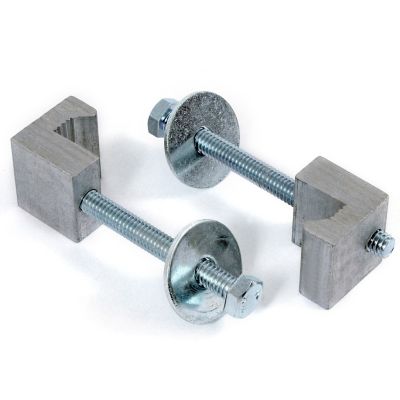
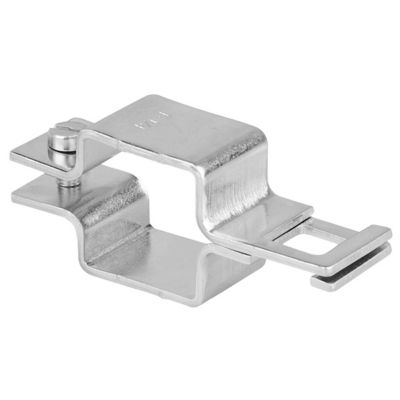
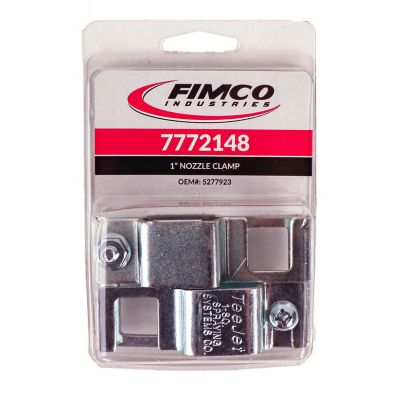
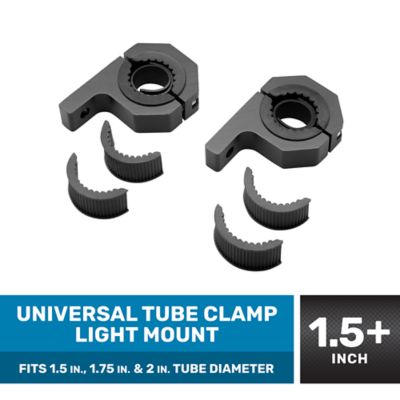
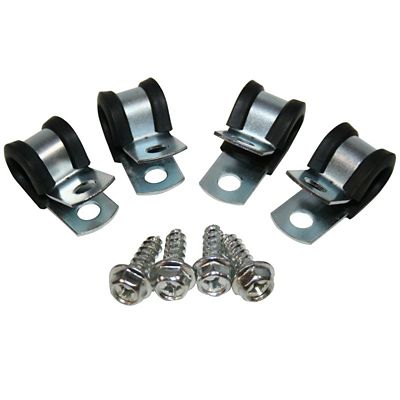
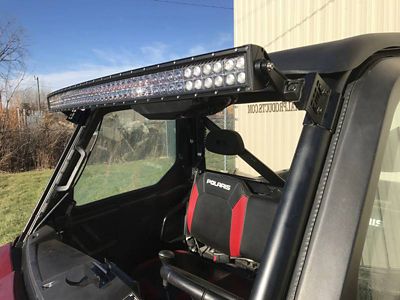
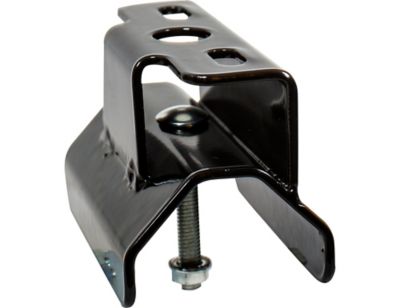
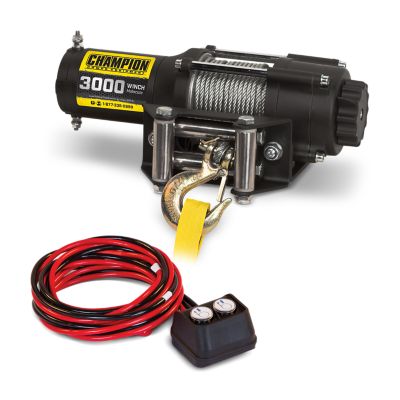
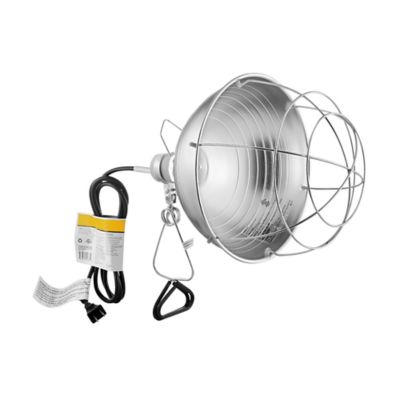
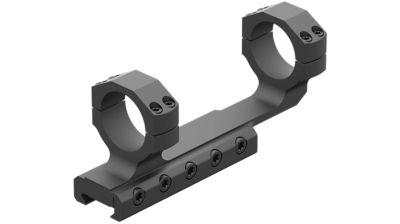
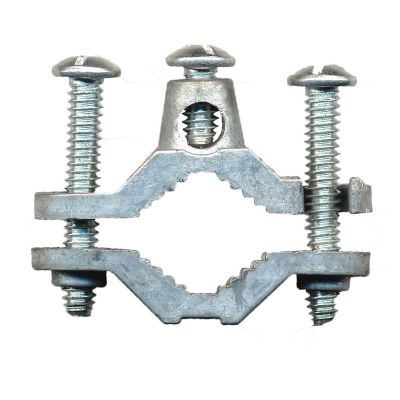
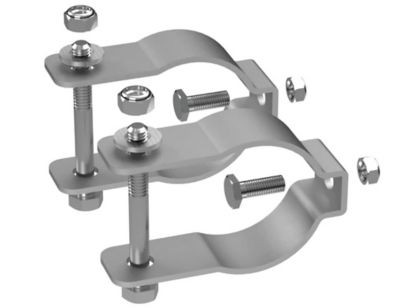
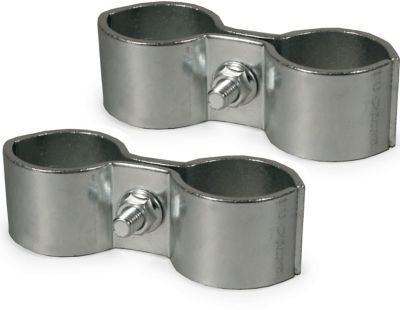
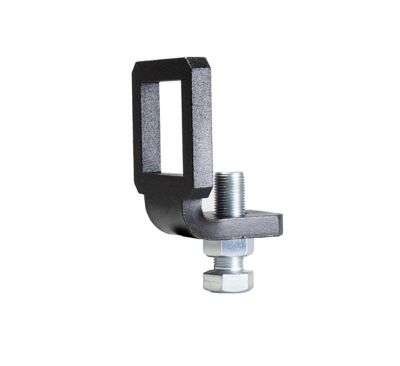
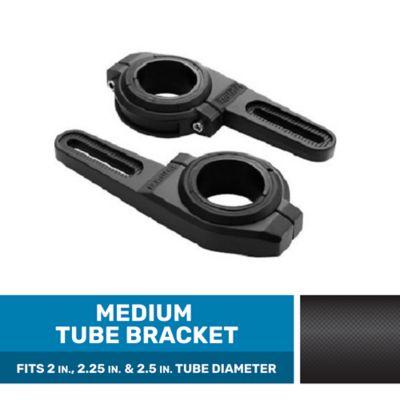
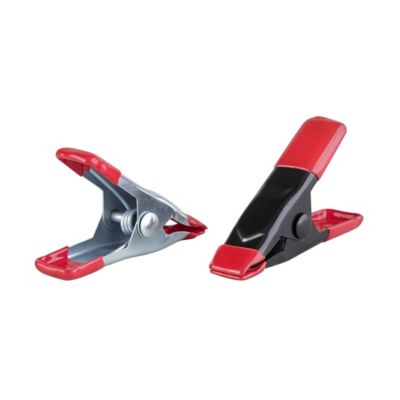
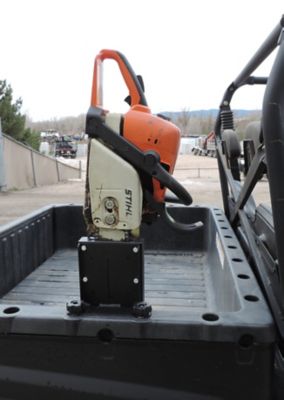
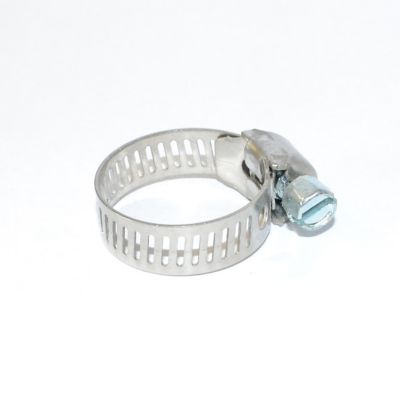
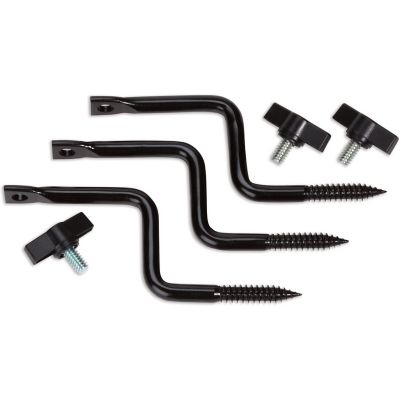
Mounting clamps are hardware pieces that hold an item in place by gripping a surface, tube, rod, post, workbench edge, or other support point. They can help attach cameras, lights, tools, signs, shelves, pipes, and other equipment where drilling may not be the best choice. The right clamp depends on what you plan to mount, where it will sit, and how much weight or movement it needs to handle. A screw-style clamp can provide a firm hold on a table, bench, or flat edge, while a clamp made for round tubing can wrap around a post, rail, or pipe. Some styles offer threaded holes or mounting points for accessories, giving you more room to position equipment at a comfortable angle. Spring-loaded clamps are handy when you need a quick hold for lighter items, while heavier metal clamps are suited to shop work, farm projects, photography setups, lighting, and equipment support. Before adding a clamp to your cart, measure the surface or tube it will grip and compare that measurement with the clamp’s opening range. Check the mounting thread, jaw shape, material, and weight rating as well. A clamp that fits snugly without forcing the screw or jaws into place is easier to position and less likely to shift when the mounted item is bumped or exposed to vibration. For additional options made with steel construction, browse
Steel Mounts.
A good mounting setup starts with the support surface. Look for a flat, solid edge when attaching a clamp to a bench, desk, trailer rail, or work table. On a round post or pipe, take time to match the clamp to the outside diameter so the contact points sit evenly instead of rocking from side to side. Padding on the gripping surfaces can help protect painted metal, finished wood, or other surfaces from scratches, though padding should not take the place of a properly sized clamp. Think about the direction of the load, too. An item that hangs straight down places a different strain on the clamp than one that extends outward like a light, camera, or shelf bracket. The farther the item reaches from the support, the more leverage it creates, especially when wind, vibration, or repeated movement is involved. Tighten the clamp by hand or with the recommended tool until it is secure, but avoid forcing it past its intended range. Over-tightening can mark the surface, damage threads, or place extra stress on the hardware. For outdoor work, consider exposure to rain, mud, moisture, dust, and changing temperatures. Steel and other metal options may be a good fit for work areas where a firm hold matters, while a lighter clamp can be easier to carry between the barn, shop, truck, and jobsite. When mounting equipment overhead or near people, keep the load within the stated limit and inspect the connection before each session. A quick check for loose knobs, bent parts, worn threads, or shifting jaws can help keep the setup steady through a full day of work.
Mounting clamps can earn their place in a farm shop, garage, workshop, photography area, trailer, greenhouse, or equipment shed. A property owner may reach for one when positioning a work light over a bench, securing a small sign to a post, holding a hose or pipe away from a walkway, or setting up a camera where a tripod will not fit. A mechanic can use a clamp to hold a fixture near a repair area, while a contractor may need one to support temporary lighting or keep a tool within reach. They are also a practical gift for someone who spends time fixing equipment, building projects, maintaining a homestead, or organizing a busy work area. During the cooler months, clamps can help create a better-lit indoor workspace when repairs move into the barn or shop, and they remain useful when spring work brings tools and equipment back outside. Keep the intended task in mind when comparing options: quick-release operation is helpful for frequent repositioning, a wide jaw can suit thicker edges, a narrow jaw can fit tighter spaces, and a threaded mount can make it easier to attach compatible hardware. Store clamps clean and dry when possible, wipe away grit after outdoor work, and check moving parts before putting them back into service. With the right fit and a little care, mounting clamps make it easier to place equipment where it is needed and keep work areas more orderly.