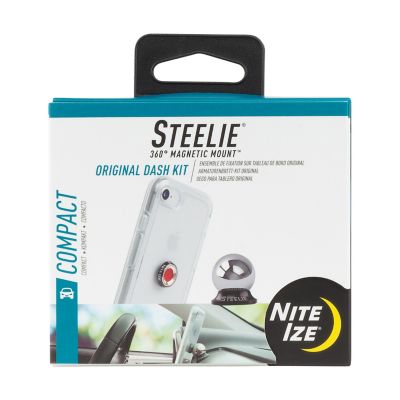
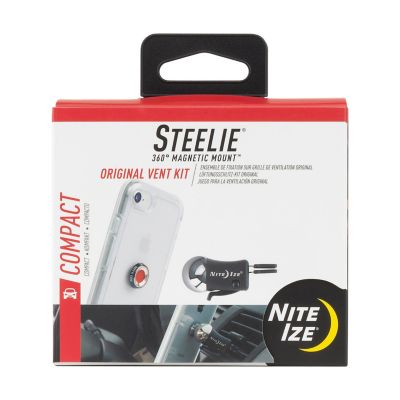
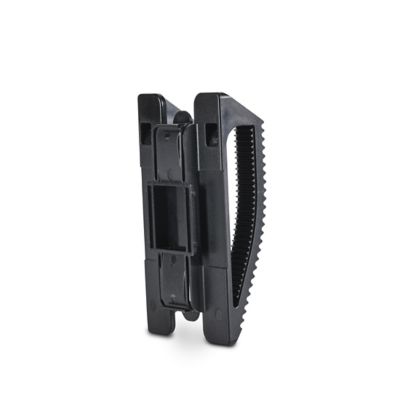
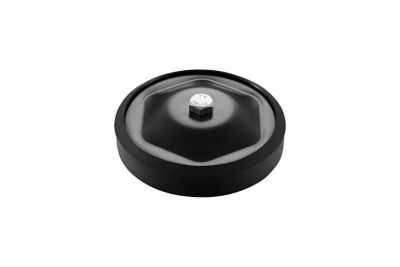
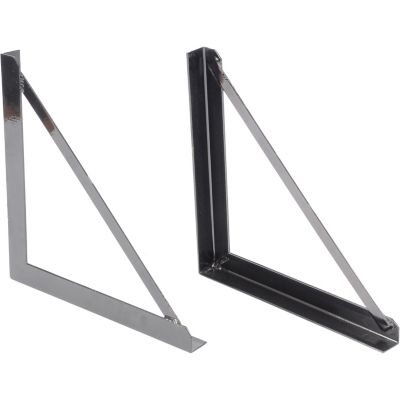
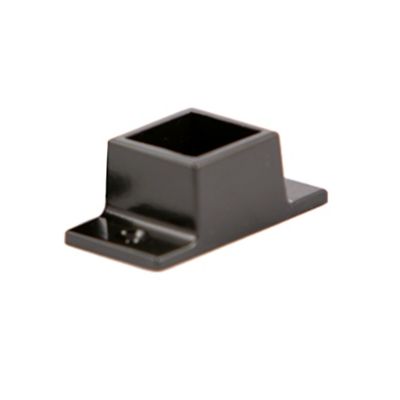
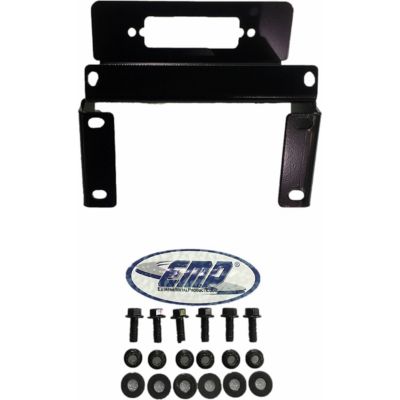
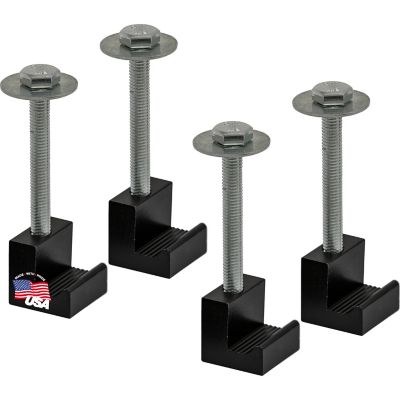
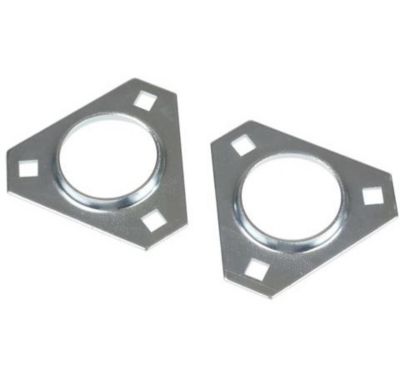
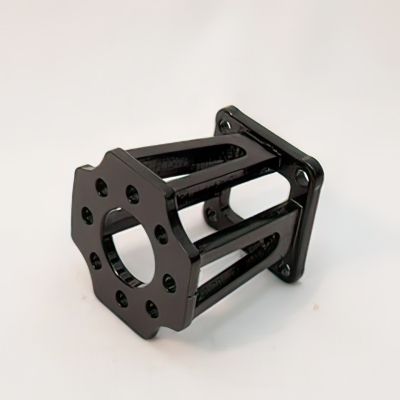
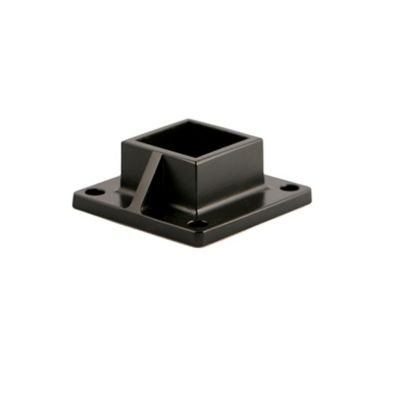
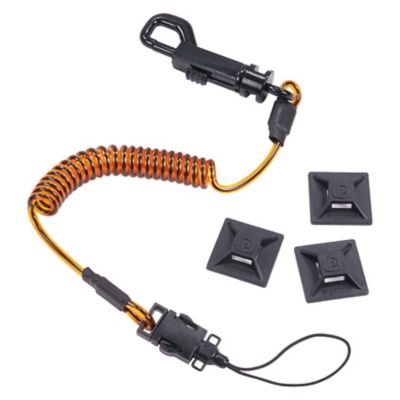
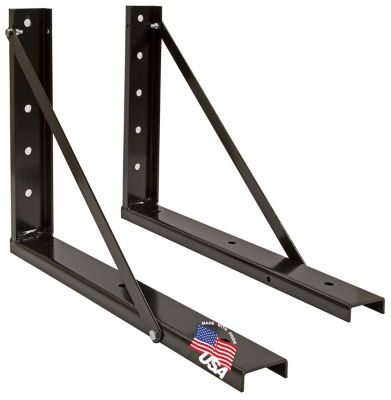
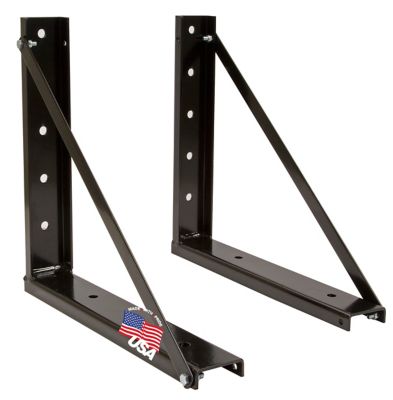
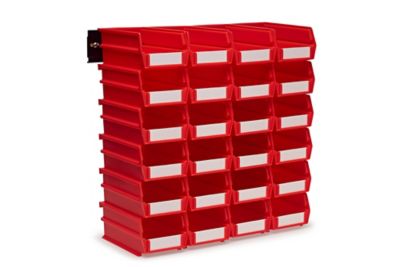
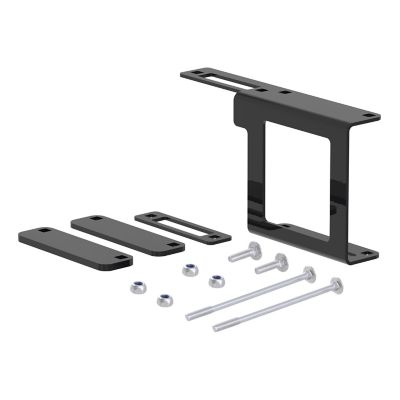
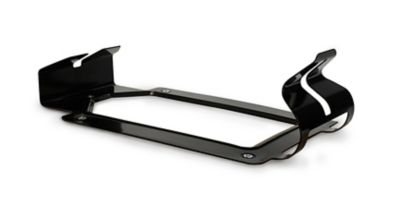
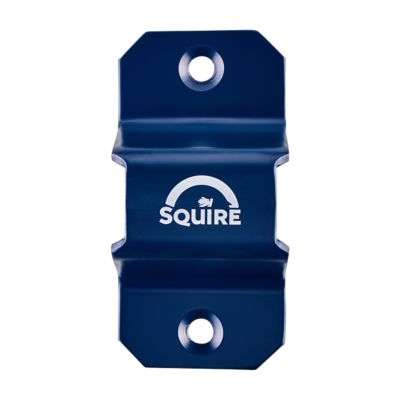
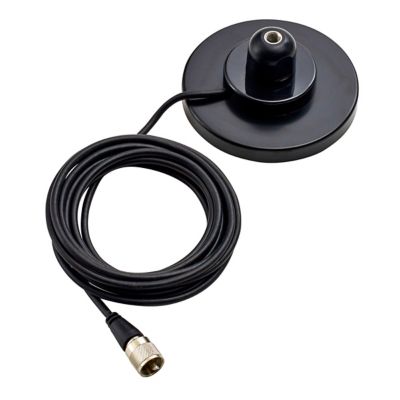
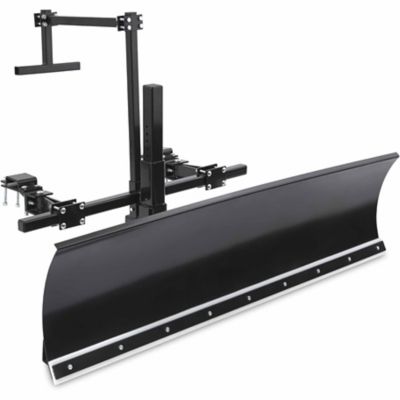
Secure mounts help keep equipment, screens, tools, and safety accessories firmly in place where ordinary hardware may not be enough. Depending on the job, a mount may attach an item to a wall, post, workbench, vehicle, trailer, rack, or another solid surface, helping prevent shifting, tipping, theft, or unwanted movement. They are useful around the farm, shop, garage, home, office, barn, and jobsite. A properly mounted item is easier to use and less likely to become a tripping hazard or get damaged when things get busy. During the cooler months, secure mounting can be especially handy for keeping frequently used equipment organized indoors, protecting electronics from accidental bumps, and making sure safety accessories stay where family members or guests can reach them. When comparing secure mounts, start with the item you need to hold and the surface where it will be installed. Check the mount’s rated capacity, the weight and size of the item, the direction of the load, and whether the item will be pulled, tilted, vibrated, or repositioned during use. A light-duty mount may be suitable for a small display or accessory, while a heavier item may require reinforced hardware, a larger mounting plate, or direct attachment to a wall stud, post, beam, or other structural support. Never assume a mount can support its listed weight in every situation; the rating depends on correct installation, suitable fasteners, and a sound mounting surface. Follow the manufacturer’s instructions, use the recommended hardware, and leave room for doors, cords, handles, hinges, and moving parts.
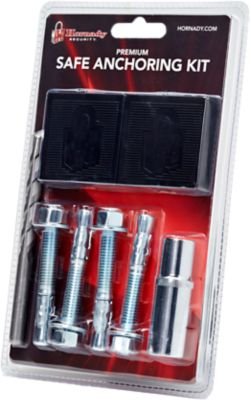
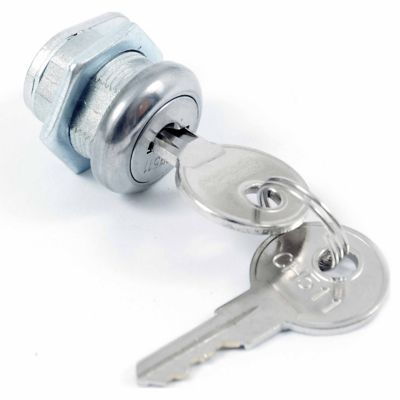
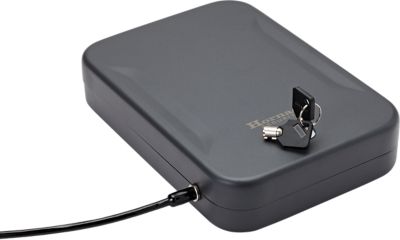
Wall construction deserves close attention. Solid wood, masonry, metal framing, and hollow drywall all require different installation methods. When a mount is attached to a wood stud or other structural member, the fastener can bite into a dependable support point. If a stud is not available, a hollow-wall anchor or expanding fastener may provide a solution when it is specifically designed for that wall type and installed according to its instructions. These anchors spread or lock behind the wall surface, but they should not be treated as a substitute for structural support when holding a very heavy, valuable, or frequently handled item. For safety accessories such as bathroom grab bars, the mount and anchors must be matched to the wall construction and the intended load. A grab bar should not be installed with a basic picture-hanging anchor, and the finished installation should feel solid with no rocking, pulling, or flexing. For televisions, monitors, tablets, and other electronics, consider the screen size, mounting pattern, viewing angle, cable clearance, and whether the mount needs to tilt, swivel, or stay fixed. In a public-facing area, shop, waiting room, school, office, or retail space, a locking mount can help deter tampering and unwanted removal. A security bar, locking arm, keyed fastener, or compatible padlock may add another layer of protection, while a simple fixed mount may be all that is needed in a private room. If theft prevention is part of the plan, browse related options such as
Secure Locks and look for hardware that matches the mount rather than forcing an ill-fitting lock into place.
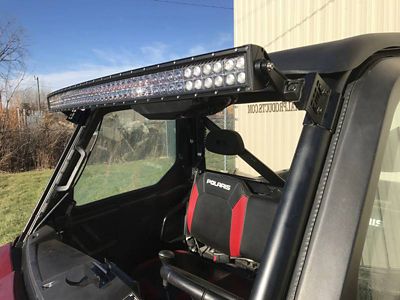
The right secure mount also depends on the conditions around it. Equipment used on a tractor, utility vehicle, trailer, or off-road machine may face vibration, dust, moisture, and sudden movement, so choose a mount built for the environment and inspect the fasteners regularly. In a barn or workshop, think about animal contact, swinging gates, moving machinery, and the chance that a coat, rope, hose, or tool could catch on an exposed edge. Outdoor mounts should be made for the expected weather and installed where water will not collect around the fasteners. Indoors, tidy cable routing and a clear line of sight can make a mounted screen or device safer and easier to use. Before drilling, mark the location carefully and check behind the surface for wiring, plumbing, ductwork, and other hidden obstacles. Use a level when alignment matters, predrill where recommended, tighten hardware evenly, and avoid overtightening, which can damage drywall, strip threads, or bend a mounting plate. After installation, apply gentle pressure and inspect for movement before placing the full load on the mount. Recheck the setup after a period of use, particularly if it is exposed to vibration or temperature changes. Secure mounts can make thoughtful gifts for a new homeowner, a handy family member, a caregiver improving bathroom safety, a farmer organizing a work area, or anyone setting up a garage, trailer, office, or home entertainment space. They are practical additions that help turn loose equipment and hard-to-place essentials into dependable, organized fixtures. As the weather changes and indoor projects move to the front of the list, choosing the right mount, anchor, and security hardware can make everyday work feel steadier, safer, and a whole lot less cluttered.