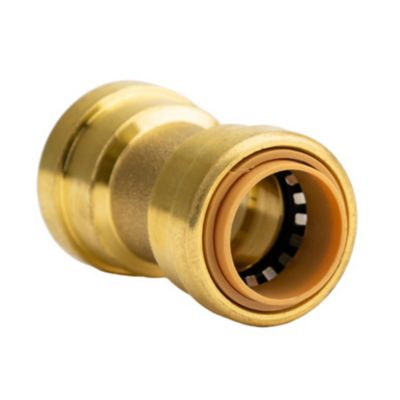
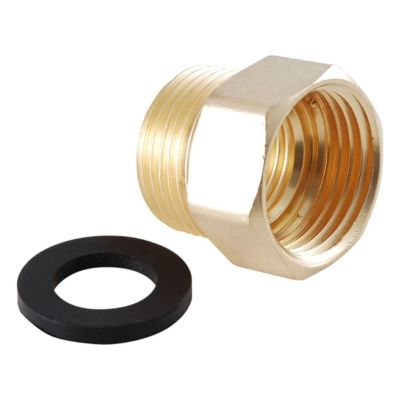
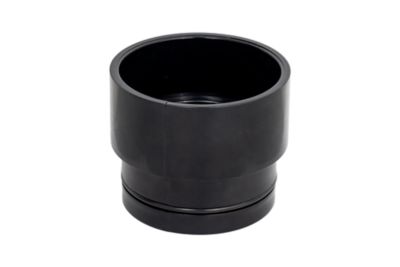
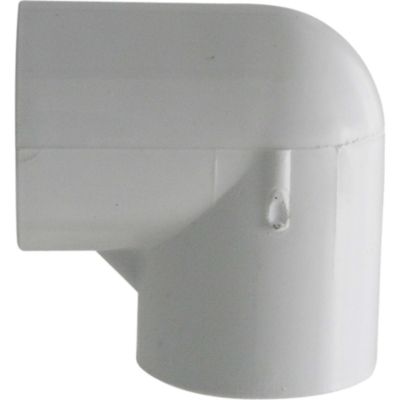
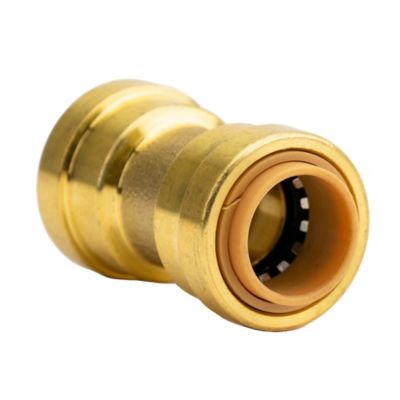
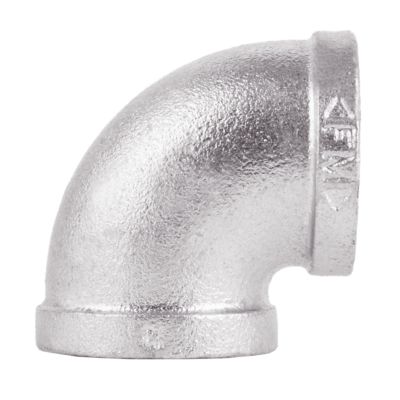
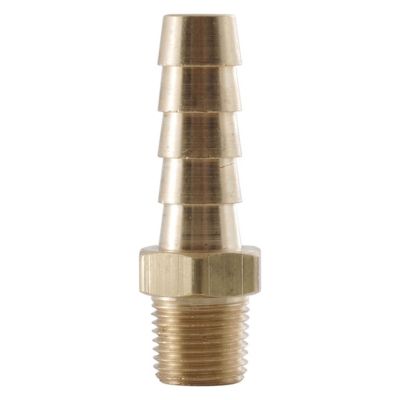
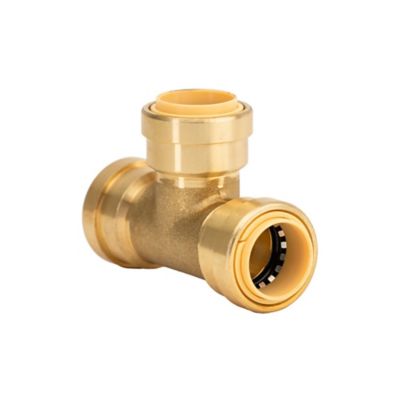
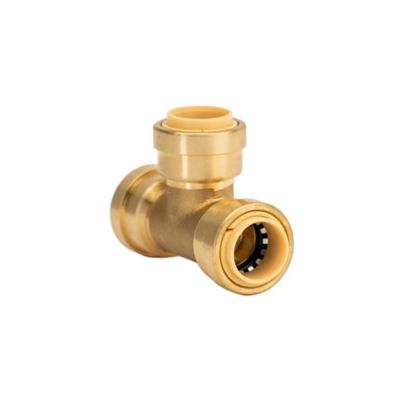
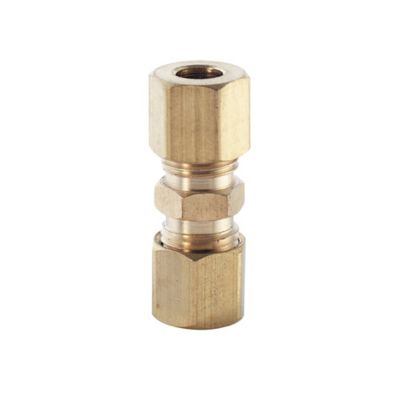
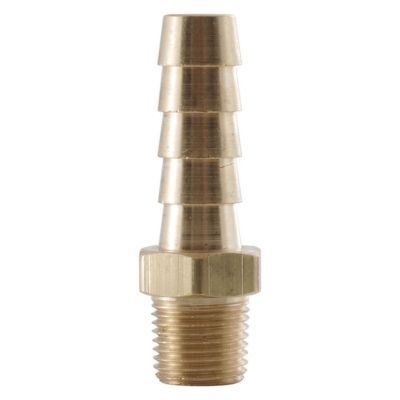
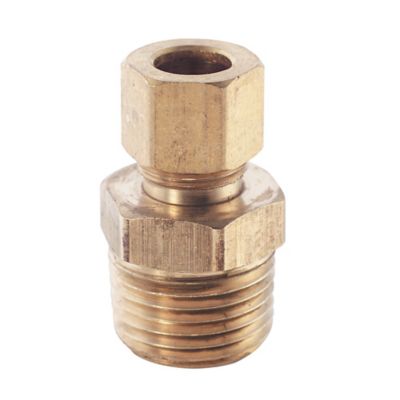
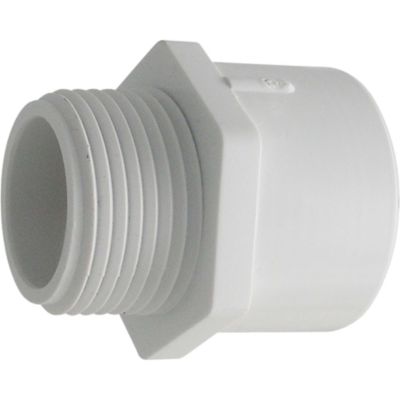
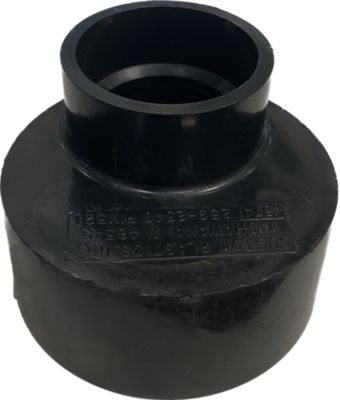
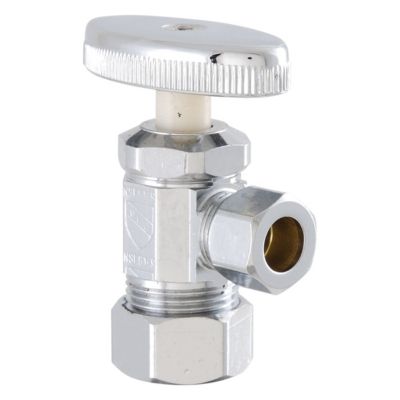
Plumbing fittings connect pipe sections, change the direction of flow, create branches, or close off an opening in a water supply or drainage system. They’re the small parts that help a line reach a utility sink, carry water across a barn, or tie a drain into the right connection. Elbows turn a pipe run, commonly at 45 or 90 degrees, while tees create a branch off a main line. Wyes join drainage lines at an angle that supports the intended flow path; the right choice depends on the location, flow direction, and plumbing code. Couplings join pipe sections in a straight run, and unions provide a connection that can come apart without cutting the pipe. Adapters connect compatible pipe materials or connection styles, while reducers and reducing bushings transition between sizes. Caps close over pipe ends, and plugs close openings with internal threads. Each shape has a purpose, whether the job involves a sink in the feed room, a livestock watering line, or plumbing in the house. A tight corner behind a wash tub calls for different planning than an open run along a shop wall, and fittings with similar shapes aren’t necessarily interchangeable. Water supply fittings must suit the system’s operating pressure, while drain, waste, and vent fittings have shapes and connections intended for gravity drainage and venting. A fitting marked for drainage should not be treated as a pressure fitting just because it slips onto a pipe. The distinction matters for homeowners, farm operators, property managers, and plumbers working on repairs or new installations. Access matters, too: a removable connection near equipment can make later service less disruptive, while a compact elbow may help a line clear a cabinet or framing member. Choosing among plumbing fittings comes down to the whole connection—not just the turn, branch, or opening visible from the outside. The pipe material, fitting dimensions, joining method, and intended service all need to work together.
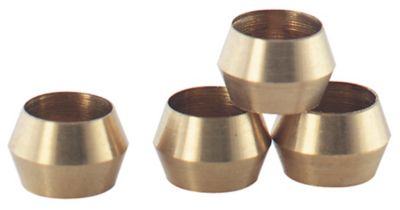
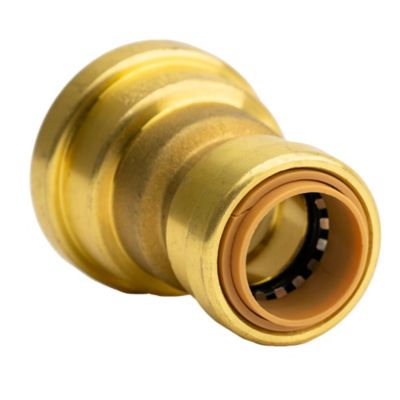
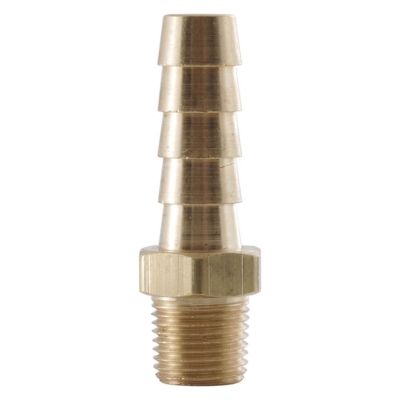
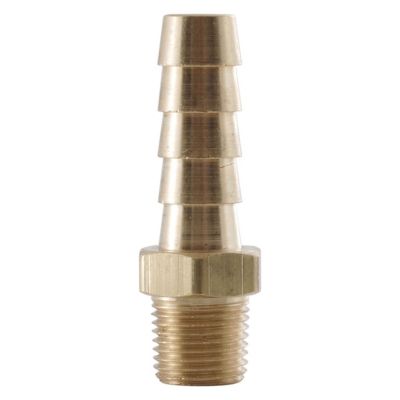
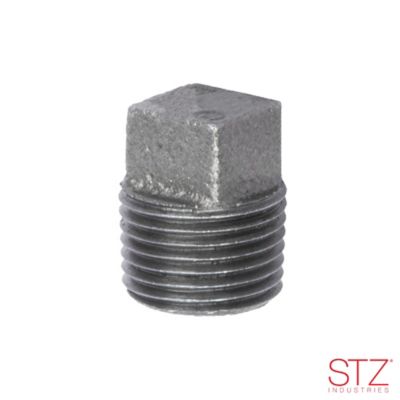
Material affects where a fitting belongs, how it connects, and how it holds up over time. PVC fittings appear in drain, waste, and vent systems as well as certain cold-water pressure applications, but those categories carry different markings and ratings. CPVC fittings can serve approved hot- and cold-water systems when matched with compatible pipe and the joining materials specified by the manufacturer. PVC and CPVC are different materials, so similar color or shape is no substitute for checking identification marks. Copper fittings are common in water supply piping, with connection styles that may include soldered, press, compression, or push-to-connect joints. Brass fittings can provide threaded connections and transitions, though drinking-water applications call for fittings that meet applicable lead-content and certification requirements. PEX fittings belong to particular connection systems, such as crimp, clamp, or expansion, and compatibility depends on both the tubing and the fitting design. A ring or sleeve from one joining system does not automatically belong with another. For
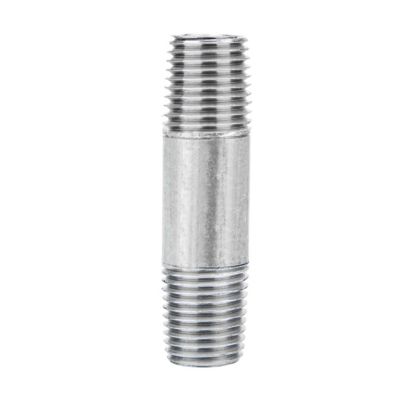
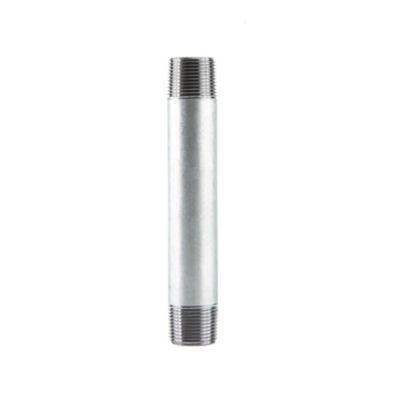
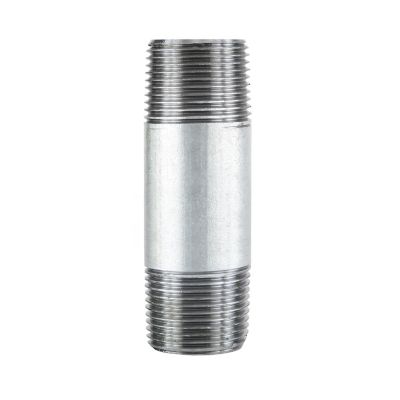
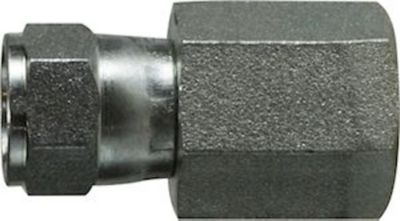
Steel Fittings, the finish, exposure to moisture, and manufacturer’s stated application help determine the right fit for the job. Mixing metals also deserves attention because certain combinations can encourage corrosion; an approved transition may be necessary. Around a farm or acreage, plumbing can serve very different needs within a short distance. A line supplying a household faucet, a wash station in an outbuilding, and a nonpotable water line may look much alike, yet require different materials or approvals. Chemical exposure adds another consideration in work areas where cleaners, fertilizers, or treatment products may contact the piping. No single material suits every fluid or setting. Manufacturer ratings help establish whether a fitting belongs in a particular system, including limits for pressure, fluid temperature, and chemical compatibility. For water intended for drinking, markings that identify suitability for potable water matter more than appearance. Matching those requirements helps support a sound connection and a longer service life.
Fit starts with more than the size printed on the package. Nominal pipe size is a sizing designation, not always the pipe’s measured outside diameter, and different piping systems follow different dimensions. Thread style matters just as much: tapered pipe threads, straight threads, and garden hose threads seal differently and should not be forced together because they seem close. Some threaded connections depend on a compatible sealant, while others seal against a washer, gasket, or O-ring rather than at the threads. Solvent-weld fittings require the correct preparation and cement for their material, along with the manufacturer’s curing requirements. Compression and push-to-connect fittings have their own expectations for pipe condition, seating, and preparation; a scratched surface or an incomplete insertion can compromise the joint. These differences make connection type an important part of choosing plumbing repair fittings, especially when an older line meets a newer section. Room for a wrench, clearance around a union, and access to a connection after a wall or cabinet is closed can affect how practical a fitting will be down the road. Proper pipe support matters as well, since a fitting should not carry the weight of a long, unsupported run or compensate for piping pulled out of alignment. Care generally centers on checking accessible joints for seepage, mineral buildup, corrosion, or cracks and addressing the cause rather than repeatedly tightening a connection. Too much force can damage threads, distort seals, or split certain fittings. A patch of damp wood beneath a sink or a slow drip at a barn wash station can point to a connection that needs attention before surrounding materials suffer. For concealed piping, drinking-water lines, and other code-regulated work, local requirements and a qualified plumber can help establish the appropriate materials and joining methods. Well-matched fittings keep the focus where it belongs: water reaching the right place, drains carrying flow away, and connections that remain accessible for the work ahead.