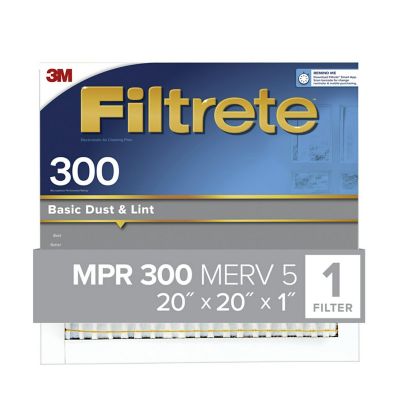
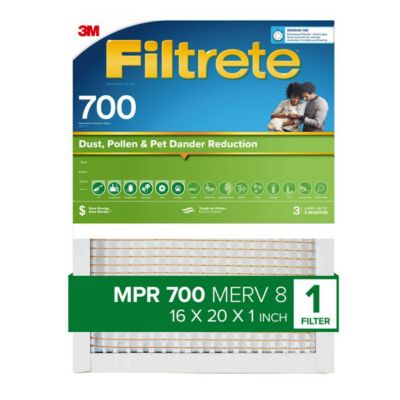
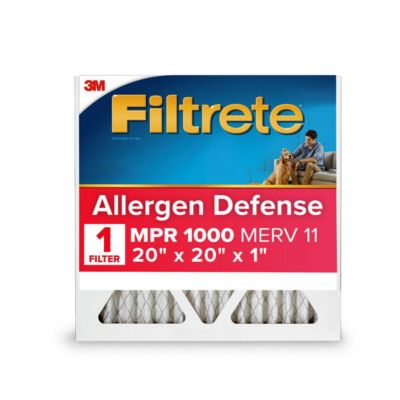
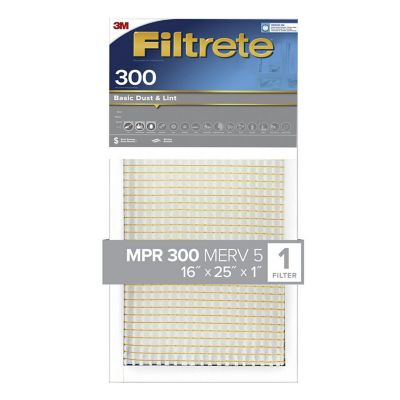
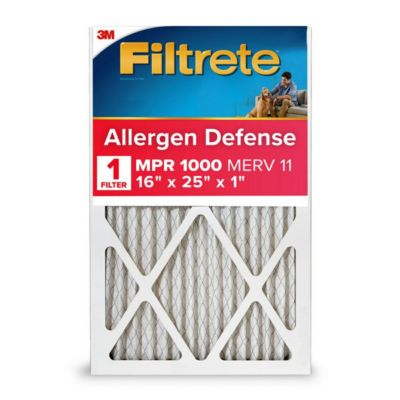
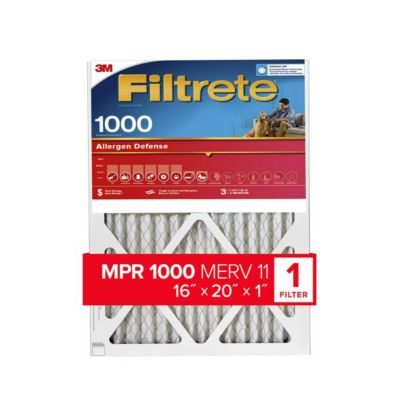
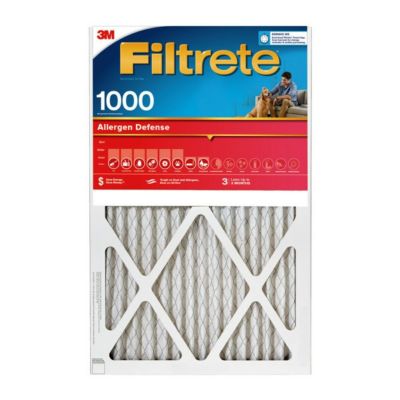
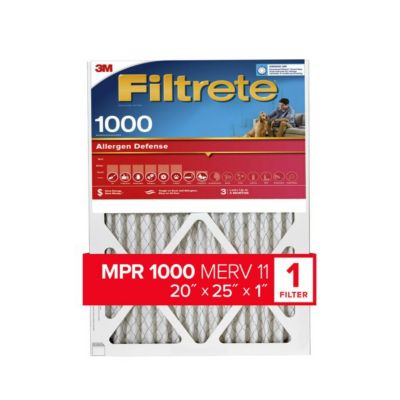
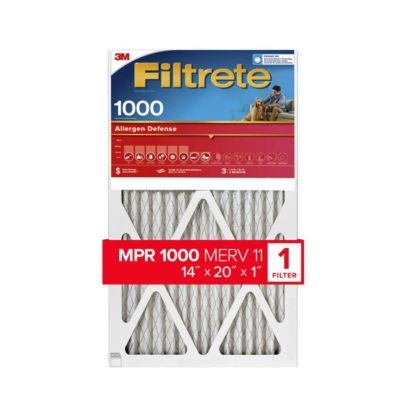
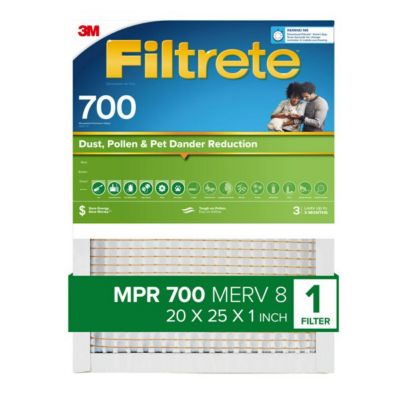
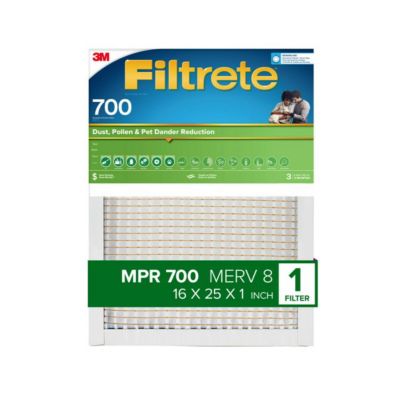
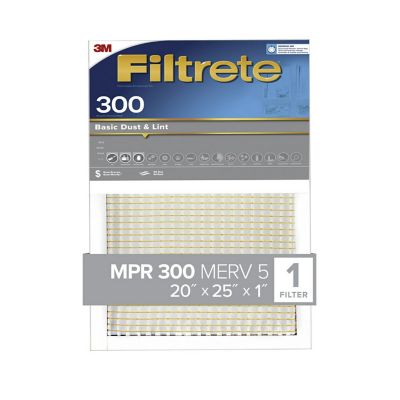
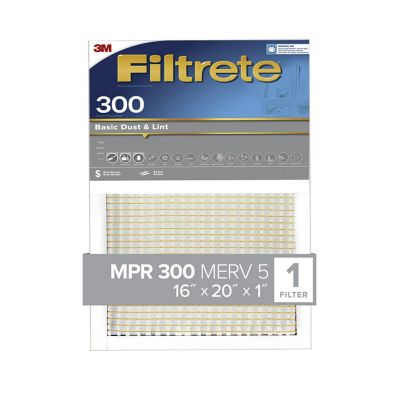
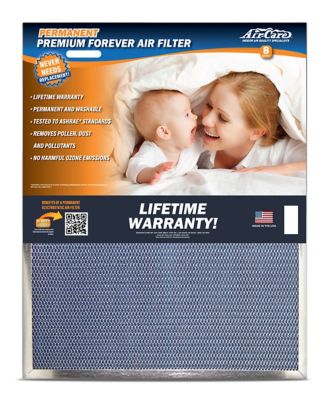
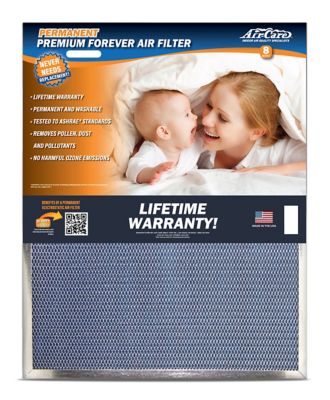
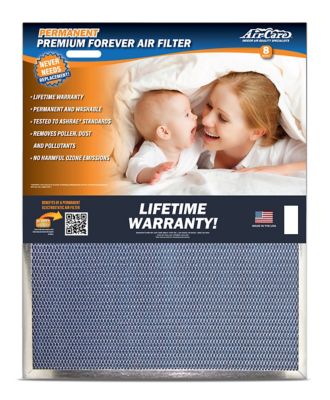
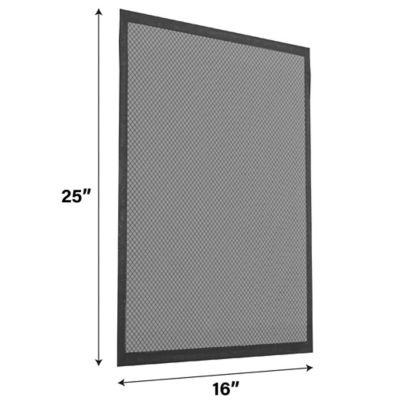
Standard size air filters fit the common filter slots found in residential furnaces, central air conditioners, and other compatible heating and cooling systems. Their job is straightforward: catch airborne particles as air moves through the system, helping limit dust buildup on internal equipment. Depending on the filter media and efficiency rating, they can also capture smaller particles that circulate through living spaces. Common residential air filter sizes include 20 x 20 x 1, 16 x 25 x 1, 16 x 20 x 1, and 20 x 25 x 1 inches, with dimensions generally listed as length, width, and thickness. There is no single standard size that fits every home, though, and thickness matters just as much as the two larger measurements. A filter meant for a 1-inch slot is not interchangeable with a deeper filter simply because the face dimensions match. The numbers printed on a filter frame usually describe its nominal size, which is a rounded size designation rather than its exact physical measurements. Actual size is the filter’s measured length, width, and thickness. For example, a nominal 20 x 20 x 1-inch filter may measure about 19.5 x 19.5 x 0.75 inches, but that difference varies by manufacturer and filter design. Matching both the nominal designation and the stated actual dimensions helps avoid a frame that binds in the rack or leaves gaps around the edges. The label on a correctly fitting existing filter is a helpful reference, while the equipment manual provides the specifications for the system itself. If that label is missing or unreadable, measurements of the existing filter and its rack can help narrow the match, but rounding a slot measurement alone does not establish the right nominal size. Whether the system serves a farmhouse, a small house in town, or a heated office beside the shop, a proper fit lets air pass through the filter media instead of slipping around it.
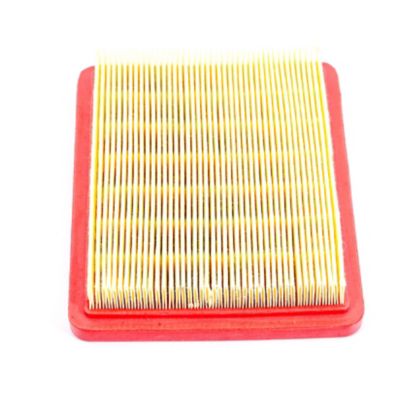
The material inside the frame makes a difference in what a standard size air filter can catch and how it handles airflow. Fiberglass panel filters generally provide basic particle capture, particularly for larger airborne debris, while pleated filters often contain synthetic fibers or other engineered media folded into rows. Those folds create more filtering surface within the same face dimensions, although the total surface area also depends on the filter’s depth and construction. A sturdy frame and well-supported media help the filter hold its shape in normal operation. Moisture resistance varies, especially between cardboard-framed and other filter designs, but a wet or collapsed filter is not something to leave in service. For homes along gravel roads, households with shedding pets, or busy places where boots track dirt through the mudroom, particle capture can be an important consideration. Still, visible dust around the house does not tell the whole story, and a furnace filter only catches particles that reach it through the return airflow. MERV, short for Minimum Efficiency Reporting Value, describes how effectively a filter captures particles within specified size ranges under test conditions. Higher MERV ratings indicate greater capture efficiency for certain smaller particles, but the highest rating is not automatically the best match for every heating and cooling system. Airflow resistance depends on the media, surface area, filter depth, and how much debris has collected, so the equipment manufacturer’s recommendations matter alongside the rating. An overly restrictive filter can reduce airflow and interfere with heating or cooling performance. Deeper pleated filters can provide more surface area, but they belong only in housings designed to accept them. For a broader look at filtration for compatible equipment,
Air System Filters brings related options into the same search. Within standard residential sizes, the useful comparison is the combination of dimensions, filtration level, frame construction, and system compatibility—not any one feature by itself.
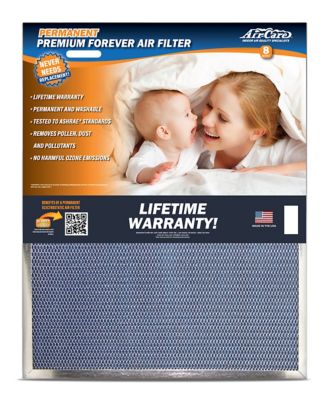
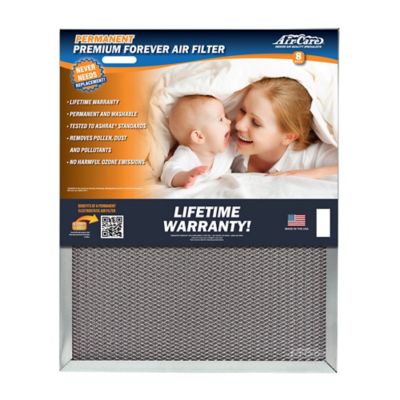
Day-to-day care is mostly about keeping the right filter in place and recognizing when it has reached the end of its service life. Disposable filters need replacement rather than washing, since water can damage their media or frame. Filters specifically labeled washable need cleaning according to their own instructions and must be fully dry before going back into service. Neither type should be forced into a tight rack, folded at the corners, or stacked with another filter to fill extra space. On filters with a directional arrow, that arrow generally points with the airflow toward the furnace or air handler, not back toward the room. Turning the system off before changing the filter helps keep the blower from running while the rack is open. A filter that slides into place and seats as intended is easier to inspect and less likely to leave an air bypass gap. Replacement timing depends on the filter’s instructions, equipment runtime, household conditions, and the amount of material it collects; a fixed calendar interval does not suit every setup. During the cooler months, longer heating cycles can move more household air through the filter, while closed windows make the heating system a bigger part of daily indoor air circulation. A home with several pets or nearby road dust may call for more frequent checks than a lightly occupied house. Checking about monthly can help reveal how quickly a filter loads, with replacement following the manufacturer’s guidance and the filter’s condition. A torn frame, damaged media, or a damp filter warrants attention even before the expected replacement date, and recurring moisture needs investigation rather than repeated filter changes alone. Spare filters keep best in a dry, sheltered spot where their edges will not get crushed behind tools or storage bins. For homeowners, renters responsible for routine upkeep, and folks maintaining more than one building, knowing the correct dimensions takes some of the hassle out of a regular chore. A well-matched standard size air filter supports routine equipment care without asking the system to work with the wrong fit or filtration level.