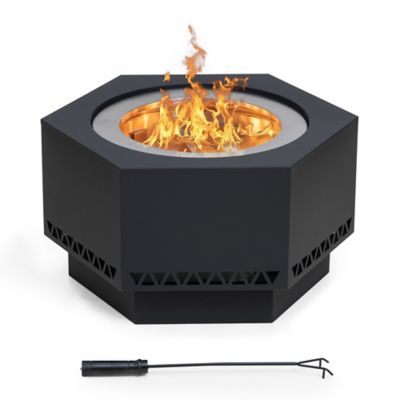
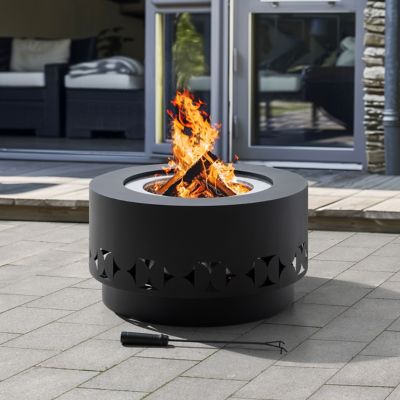
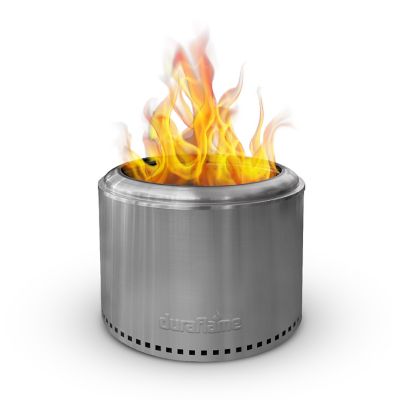
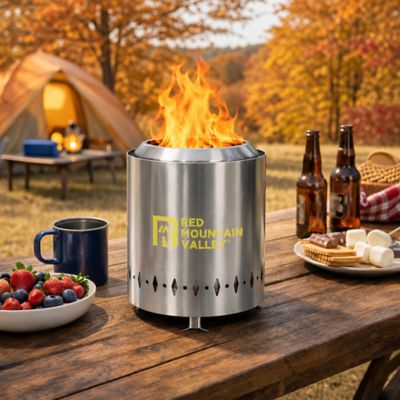
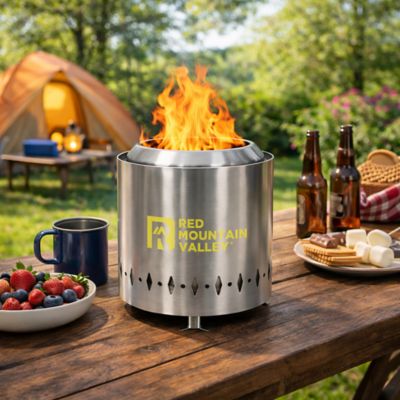
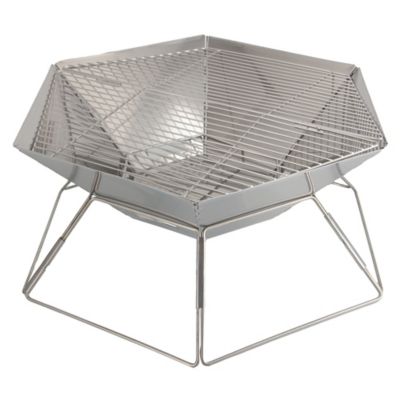
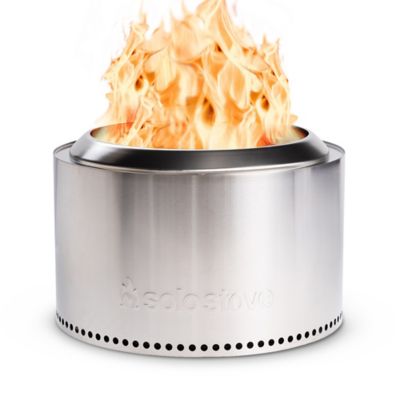
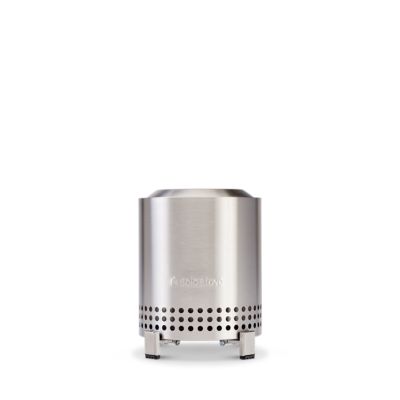
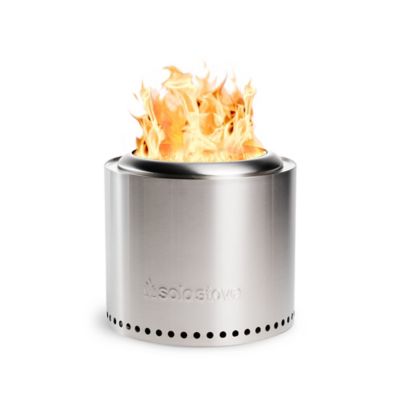
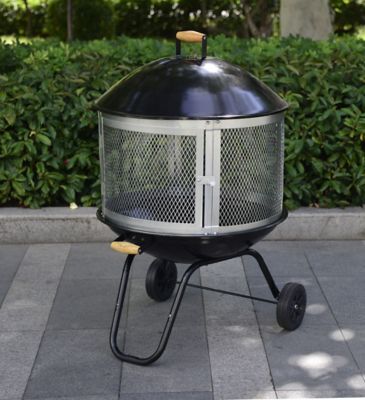
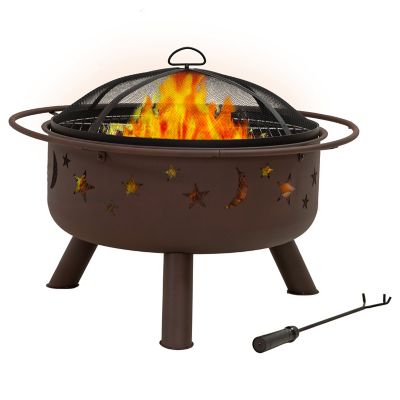
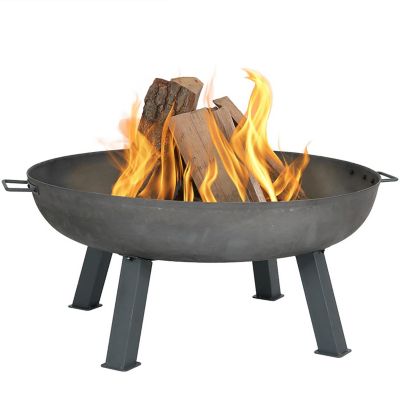
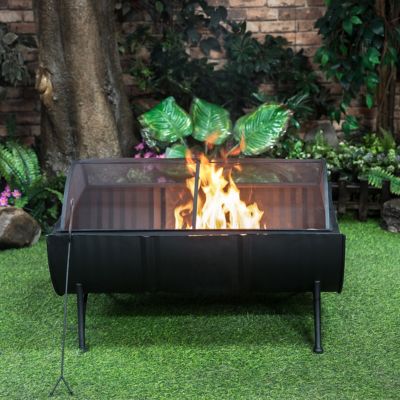
A stainless steel fire pit gives holiday gatherings a place to settle in, whether the crowd is swapping stories after Thanksgiving dinner or stretching out a Christmas visit under an open sky. Stainless steel resists rust and corrosion, making it a practical material for an outdoor fire pit, though it still needs sensible care and protection between fires. The appeal goes beyond its clean metal finish: a well-matched fire pit can bring warmth, a view of the flames, and a natural gathering spot to a backyard or open gravel sitting area. Construction matters as much as appearance. Steel grade, metal thickness, welds, and the design of the base all affect how a fire pit handles heat and repeated outdoor use. Stainless steel can develop bronze, blue, or darker heat marks, so a changing finish does not necessarily mean something is wrong. Rust resistance also does not mean rustproof, especially where moisture, road salt, or ash stays against the surface. For households comparing materials, stainless steel often appeals for its corrosion resistance and, depending on construction, lighter carrying weight, while a
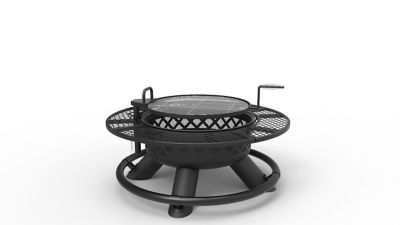
Cast Iron Fire Pit offers a different look, feel, and level of heft. Overall dimensions deserve a close look, too. A broad fire bowl makes a different impression than a narrow, upright body, and the outer diameter is not always the same as the usable fire area. Bowl depth, leg placement, and the height of the rim influence how the fire sits in relation to nearby chairs. A sturdy base and smooth, well-finished edges are worth attention in a gathering space where guests may move around with blankets or mugs. For a holiday setting, the right fit leaves room for conversation without crowding the fire or blocking the path back to the house. It should suit an ordinary evening outdoors just as comfortably as a full family visit.
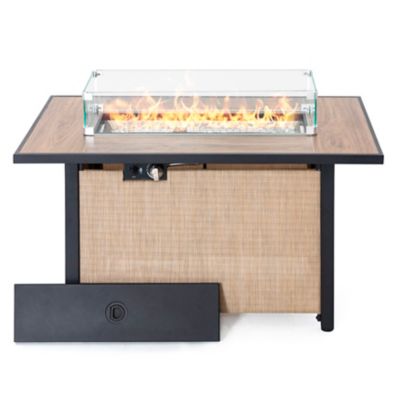
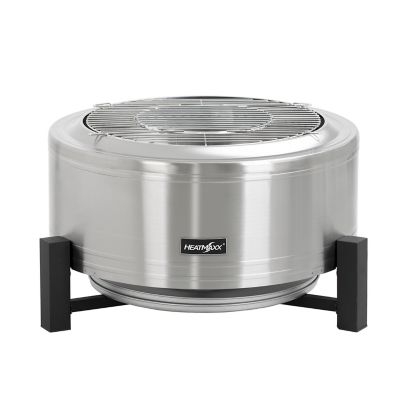
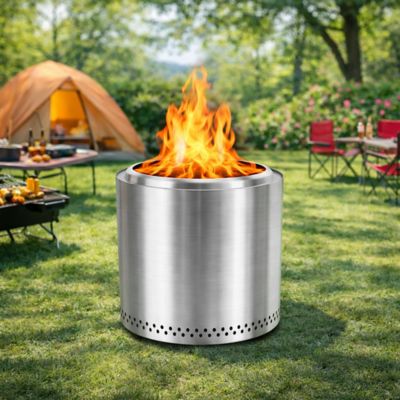
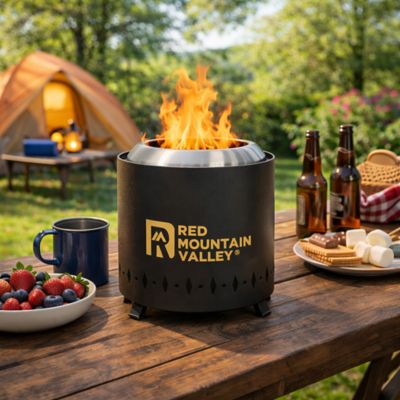
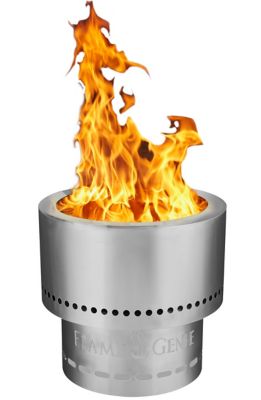
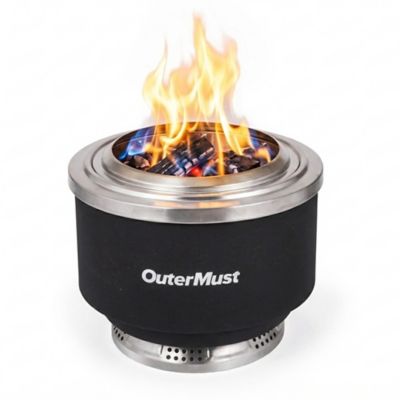
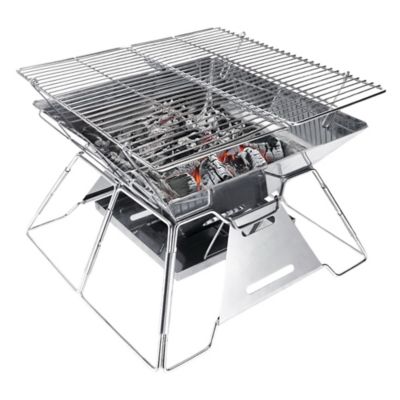
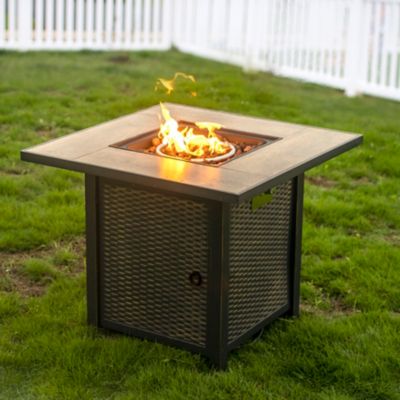
Fuel type and airflow help determine what living with a stainless steel fire pit will feel like after the holiday gathering ends. Wood-burning designs offer the crackle and changing flame pattern that many people associate with a backyard fire, along with the need to keep suitable firewood on hand and deal with ash afterward. A gas-burning design brings a different routine, with a fuel connection, burner system, and operating requirements that need to match the intended space. Neither type belongs in an enclosed area. Some wood-burning stainless steel fire pits have double-wall construction and secondary airflow that can reduce visible smoke once the fire reaches the proper operating temperature. That does not make every stainless steel fire pit smokeless, and even a low-smoke design may produce smoke during lighting, refueling, or windy conditions. Properly seasoned firewood and a fire built within the manufacturer’s limits support better combustion; damp logs, an overloaded bowl, and blocked air openings work against it. For holiday visits with several chairs around the fire, smoke direction and seating space matter just as much as the view of the flames. Outdoor placement calls for a level, stable, noncombustible surface and the clearances listed by the manufacturer, with space away from buildings, branches, fences, and anything else that can catch fire. A stand or heat shield does not automatically make a fire pit suitable for a wood deck, composite decking, or every kind of patio surface. Local fire restrictions and wind conditions can also limit when a fire is appropriate. Children and pets need a clear boundary around hot metal, and an attentive adult needs to stay with an active fire. Spark screens, covers, and other accessories need to fit the fire pit and its intended purpose. Cooking takes similar care: roasting or grilling belongs only on a model approved for that use, with compatible cooking equipment rather than an improvised grate.
As a holiday gift, a stainless steel fire pit makes the most sense for someone whose outdoor space and habits fit the responsibility of having a fire. A family that enjoys evenings in the yard, a couple settling into a home with room outside, or a host who likes gathering neighbors after supper may get plenty of enjoyment from one. The useful details are often less showy than the flames: manageable weight, a comfortable carrying grip when the unit is fully cool, straightforward ash access, and a storage footprint that fits the shed or garage. A portable design can suit someone who rearranges the backyard seating, but portability depends on actual dimensions and weight, not appearance alone. Larger designs may be better suited to a permanent gathering spot, provided the location meets all placement requirements. Gift suitability also includes the recipient’s willingness to tend a fire, keep fuel safely stored, and clean up afterward. Stainless steel is not maintenance-free, and a little regular attention helps preserve both its appearance and function. Ash needs to be fully extinguished and cold before removal, with disposal in a suitable metal container away from combustible materials. Keeping ash from sitting wet inside the bowl helps limit corrosion. Cleaning methods should follow the manufacturer’s directions, since harsh cleaners and abrasive tools can damage certain finishes, and ordinary steel brushes can leave particles that later rust. A properly fitted cover can help keep out rain and snow once the fire pit has cooled completely, while a dry storage spot offers another option when it will sit idle. Drainage openings and air passages need to remain clear rather than packed with leaves or ash. Those practical details matter long after the wrapping paper is gone. With a fit that suits the household, a stainless steel fire pit can become the familiar spot for holiday catch-ups, quiet evenings after chores, and another round of stories before everyone heads inside.