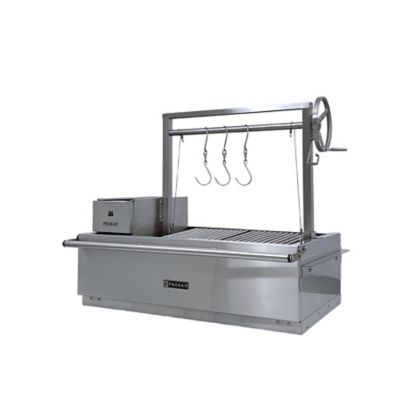
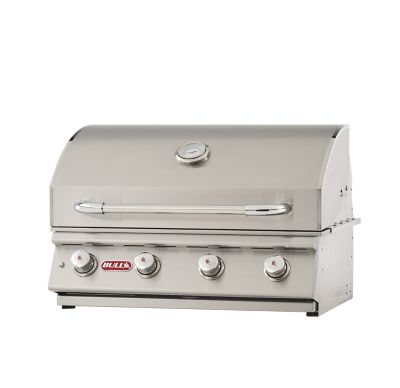
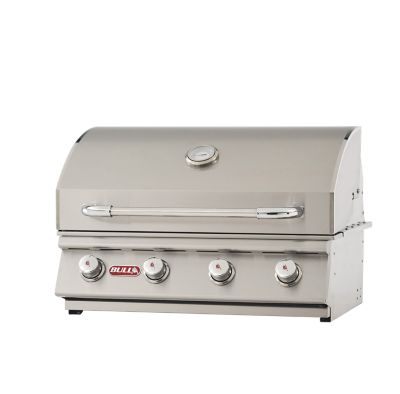
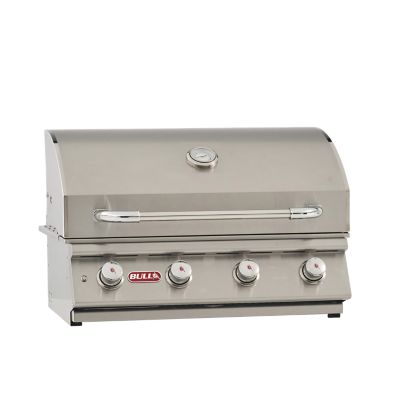
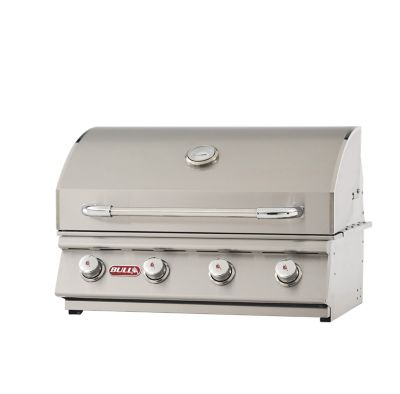
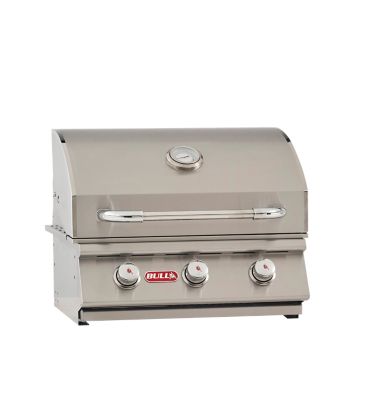
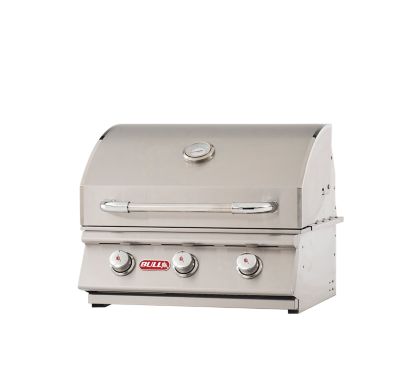
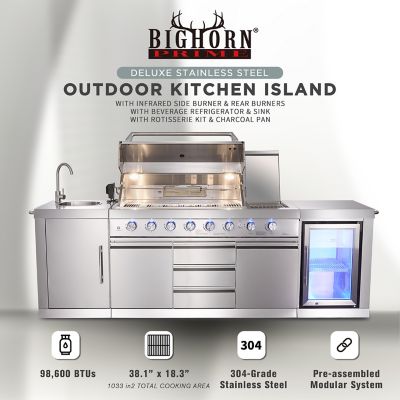
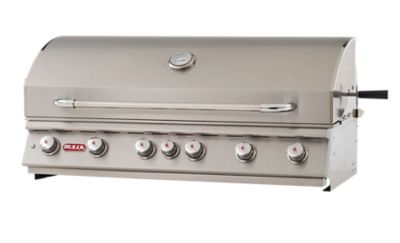
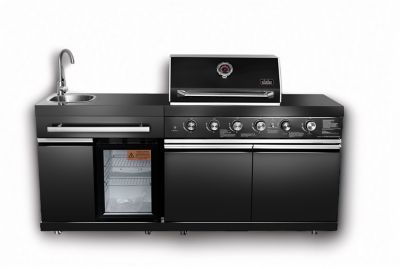
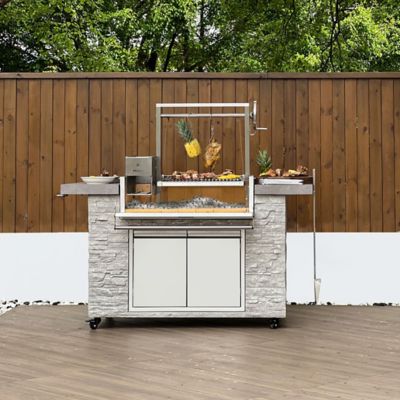
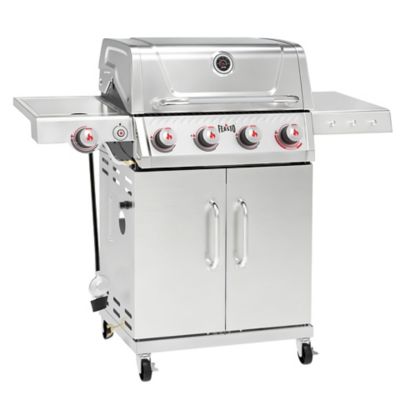
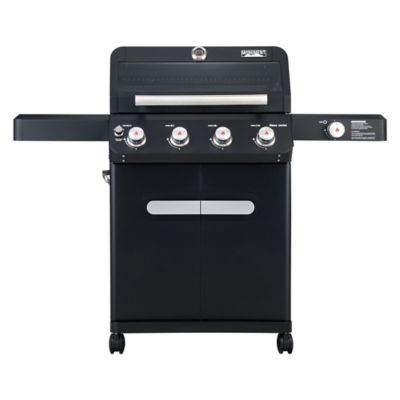
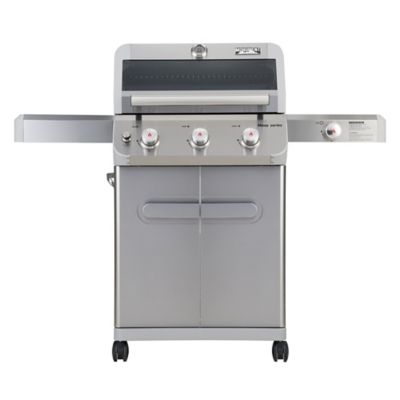
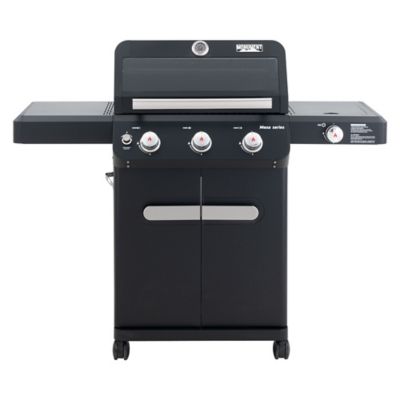
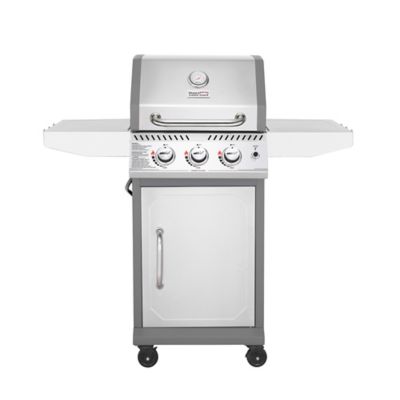
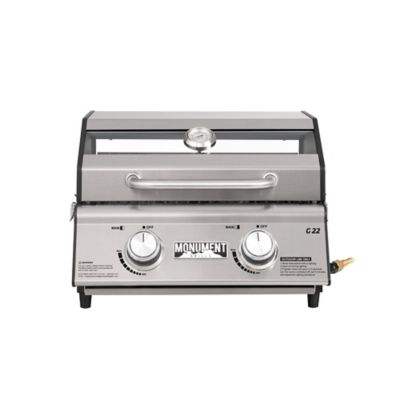
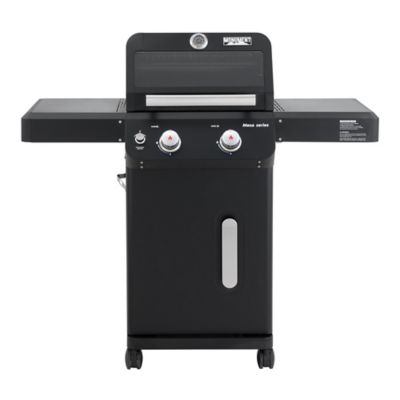
Stainless steel built-in BBQ grills are outdoor cooking appliances designed to fit into a dedicated kitchen island or enclosure rather than sit on a freestanding cart. The grill head becomes a permanent part of the cooking space, with room alongside it for serving platters, seasonings, and the next batch headed for the grate. That setup suits folks who grill often, feed a full table, or want a place to cook while family and friends gather nearby. A few burgers after chores call for a different amount of cooking space than chicken, corn, and steaks for a backyard get-together. Main grate dimensions help show how much food can cook at once, while a warming rack provides a separate place to hold buns or finished food away from direct flame. Stainless steel brings a clean, straightforward look that pairs well with stone, brick, and other outdoor kitchen materials. Its resistance to rust and corrosion makes it a practical choice, though the steel grade, construction, and upkeep all matter. Type 304 stainless steel generally offers greater corrosion resistance than type 430, but no stainless surface is completely stainproof. The outer hood, firebox, burners, and cooking grates may also have different materials, so a stainless exterior does not tell the whole story. Smooth seams, solid handles, well-supported grates, and an accessible grease tray are details worth considering alongside appearance. Grate construction affects everyday cooking, too: heavier grates tend to retain more heat, while grate spacing influences how easily smaller pieces of food stay on the cooking surface. Multiple independently controlled burners can create separate cooking zones, giving a cook room to sear meat on one side and finish thicker cuts with indirect heat on the other. Burner output alone does not explain cooking performance; heat distribution, grate area, burner layout, and the way the lid holds heat all contribute to how a grill handles supper.
Fit is one of the biggest differences between choosing a built-in barbecue grill and choosing a cart-style model. The grill’s overall width is not the same as the opening it requires, and the cutout depth and height matter just as much. A matching enclosure needs to account for the manufacturer’s dimensions, support requirements, access points, and clearance around the appliance. There also needs to be enough space behind the grill for the lid to open fully without hitting a wall or backsplash. Counter edges, nearby doors, and a cook’s standing space all affect how comfortable the finished layout feels when a platter is in one hand and the grill lid is in the other. Built-in installation requires a grill specifically approved for that purpose; removing a cart does not make a freestanding grill suitable for an island. Noncombustible construction is common around these appliances, and some installations involving combustible materials require a manufacturer-approved insulated jacket. Required clearances still apply, even with a jacket in place. These are outdoor appliances, not cooking equipment for a garage or enclosed room, and an overhead structure may bring additional clearance and ventilation requirements. Fuel choice is another part of the fit. Propane models run from an appropriate tank setup, while natural gas models connect to a suitable supply line. For a closer look at the propane option, explore
Stainless Steel Propane Grills, keeping the intended installation style in mind. Fuel types are not interchangeable without a conversion specifically approved for the appliance. Proper gas pressure, suitable connections, accessible shutoff controls, and enclosure ventilation belong in the installation plan, with a qualified professional handling gas work as required. Some grills also need electrical service for ignition, lighting, or a rotisserie motor. Convenient access to the grease tray and service connections helps keep routine care from turning into a project that requires taking part of the island apart.
The most useful features are the ones that match what lands on the table. A broad primary cooking surface makes sense for several servings at once, while separate burner controls help when pork chops, squash, and bread need different amounts of heat. A rear burner and compatible rotisserie can support spit cooking, provided the grill has the necessary clearance and equipment. A hood thermometer gives a general view of conditions inside the grill, but a food thermometer checks the internal temperature of meat where it matters. For households that cook outside regularly, easy-to-reach controls, a comfortable handle, and grates that lift out for cleaning can matter more than a long list of extras. Stainless steel also benefits from straightforward, regular care. Once surfaces have cooled, mild soap, water, and a soft cloth can remove grease and fingerprints; wiping with the grain and drying afterward helps limit streaks and water spots. Chlorine bleach, harsh abrasives, and ordinary steel wool can damage the finish or leave particles that lead to rust marks. Cooking grates and burner parts need the cleaning methods specified for their materials, rather than one treatment for every component. Keeping the grease collection area clear helps reduce flare-ups, while checking burner openings and the condition of ignition parts supports consistent operation. A properly fitted cover can help keep debris off a cooled grill, without replacing the need for cleaning or blocking ventilation openings. Long-term ownership is easier when replacement grates, burner components, and other service parts are clearly identified in the appliance documentation. A well-planned built-in grill station leaves space for raw ingredients and finished food to stay separate, puts utensils within reach, and keeps foot traffic out of the cook’s way. With the right fit, suitable materials, and manageable upkeep, a stainless steel built-in grill can become a hardworking part of the home’s outdoor cooking space, ready for a simple family meal or a table full of company.