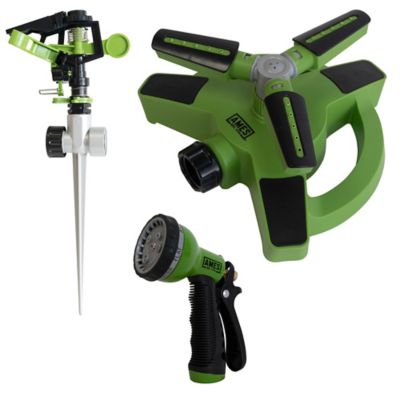
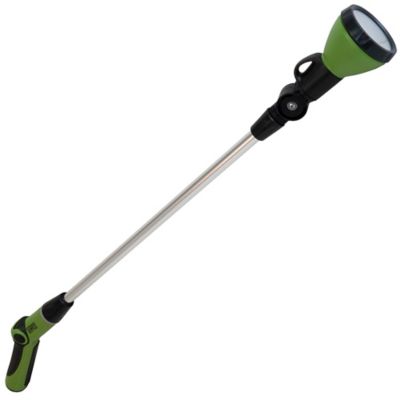
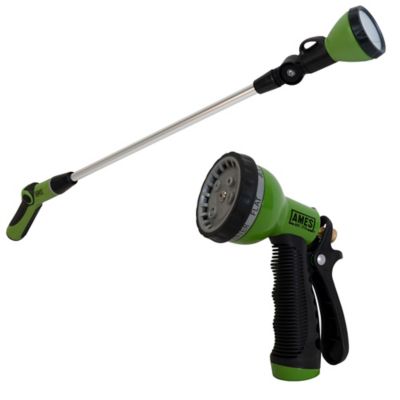
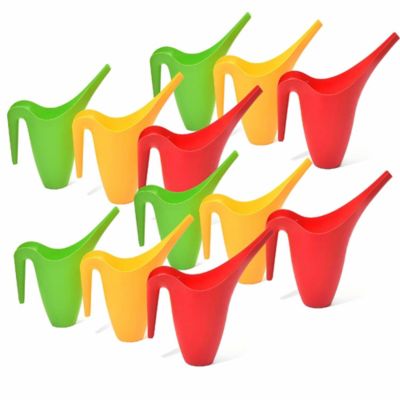
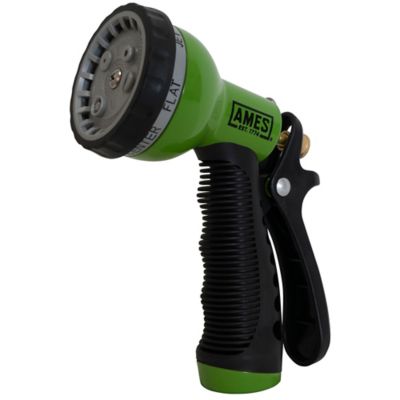
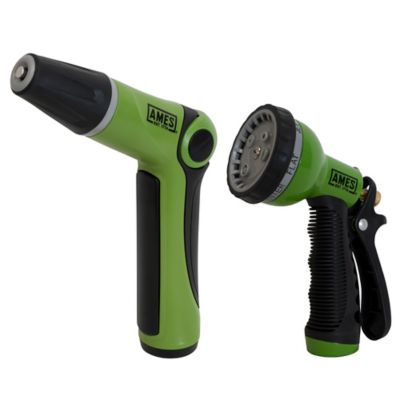
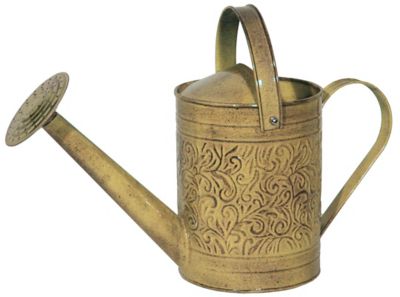
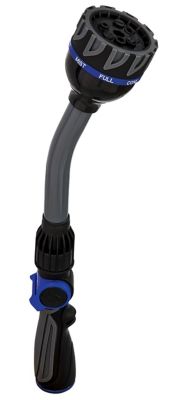
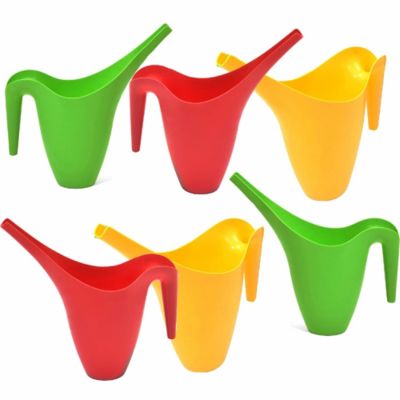
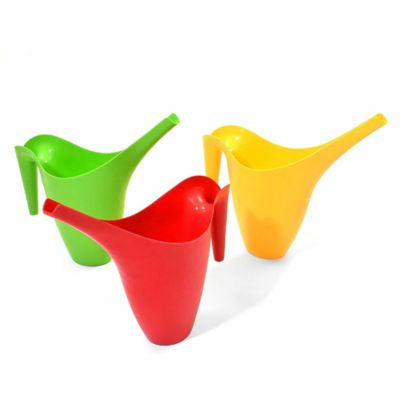
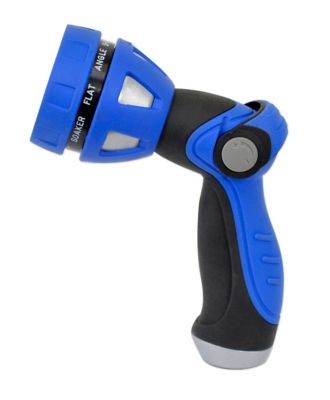
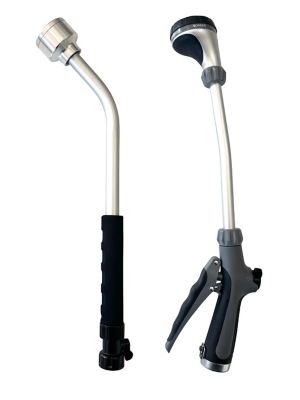
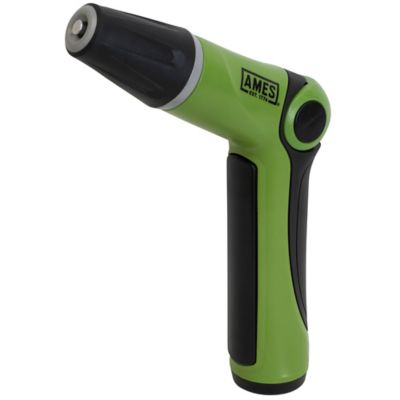
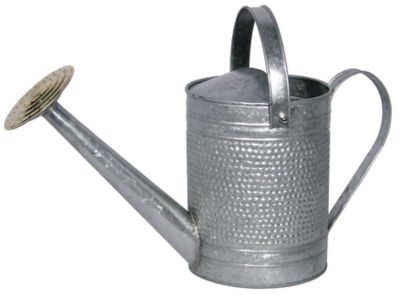
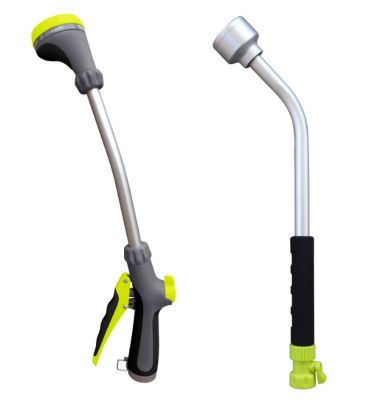
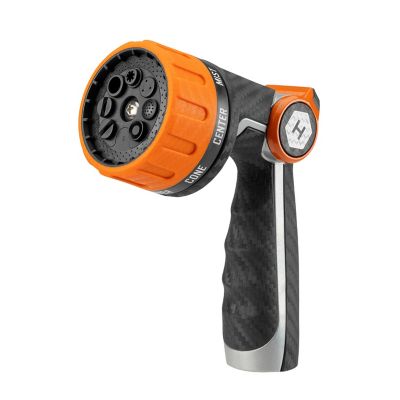
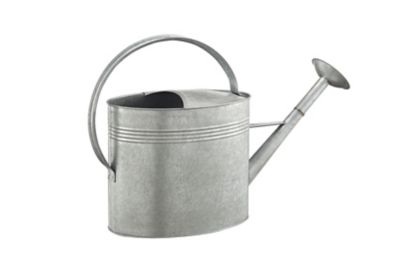
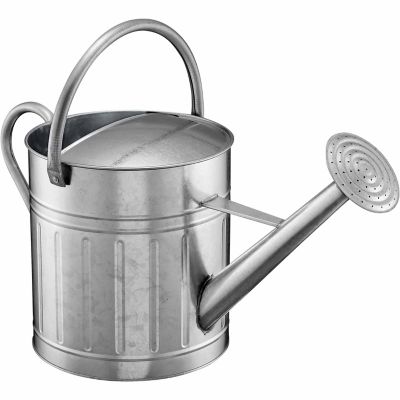
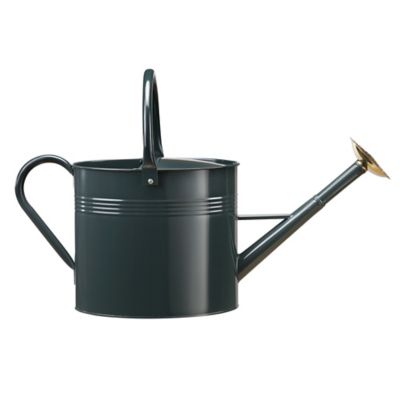
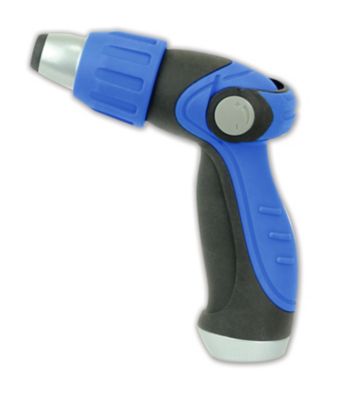
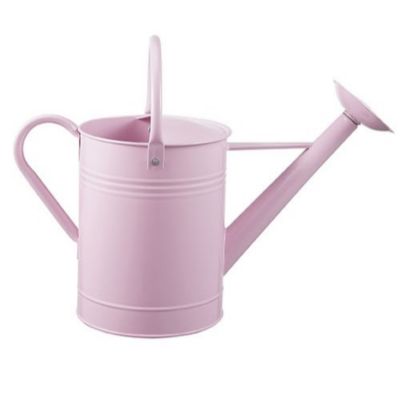
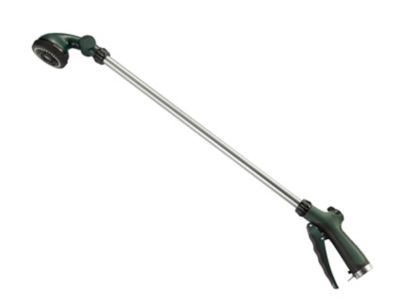
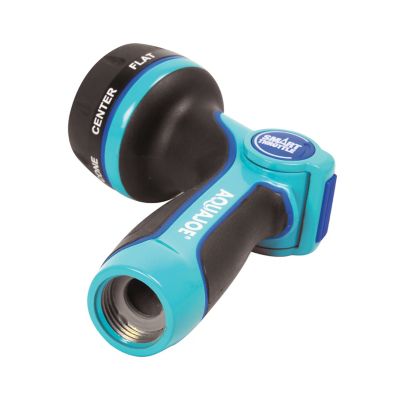
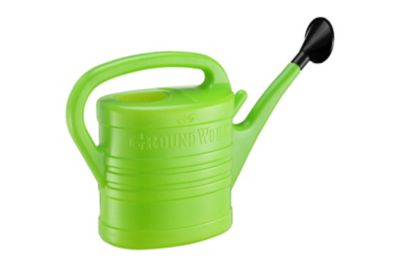
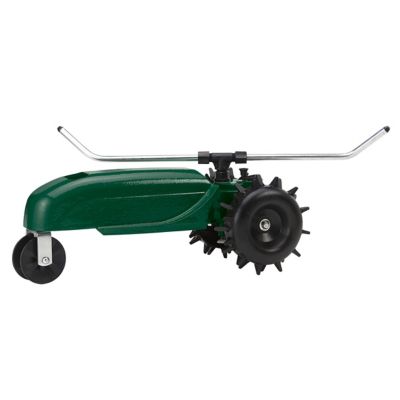
Garden watering tools make it easier to give plants the right amount of moisture without turning every watering chore into a muddy workout. The best choice depends on what you’re caring for, how far the water needs to travel, and how gently it should be delivered. A watering wand with a long handle and a fine, rain-like shower is handy for raised beds, hanging baskets, seedlings, and pots tucked behind a porch rail. The extra reach helps keep boots out of soft soil, while the gentle spray helps prevent young plants from being flattened or buried. Watering cans remain a simple, dependable option for indoor plants, patio containers, herb boxes, and small garden beds, especially when you want to water one plant at a time. Look for a comfortable handle, a balanced shape, and a narrow or fine-rose spout that spreads water instead of washing soil away from the roots. For general-purpose hose work, an adjustable spray nozzle can handle everything from a soft mist for delicate foliage to a stronger stream for rinsing dusty leaves, filling stock tanks, or washing soil from garden tools. A comfortable grip matters when you have a long row of containers to tend, and a shutoff feature near the handle can save plenty of trips back to the spigot. Before choosing a watering tool, check the connection size, hose reach, storage space, and water pressure at your home or barn. A tool that works well on a small porch may not be the right fit for a broad garden or remote planting area. It also helps to think about the plants themselves: tender seedlings and fresh transplants need a soft, even shower, while established shrubs and trees benefit from slow, deep watering around the root zone.
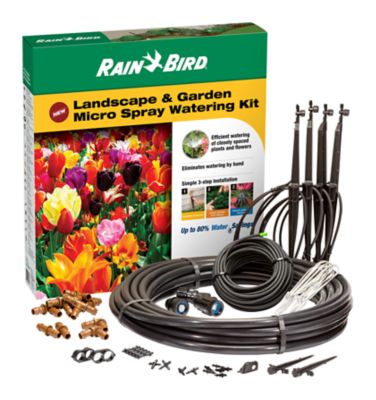
Soaker hoses and emitter tubing are useful when you want water to reach the soil gradually instead of spraying across the whole bed. Laid along a row of vegetables, flowers, shrubs, or newly planted trees, these systems release moisture close to the base of the plants, helping reduce runoff and keeping leaves drier than overhead watering. That can be especially helpful in dense plantings where wet foliage may stay damp for long stretches. Arrange the hose near the root zone, secure it so it stays in place, and check the soil after the first few uses to make sure water is spreading evenly. Heavy clay soil may need slower watering and occasional repositioning, while loose, sandy soil may need more frequent attention because moisture moves through it quickly. Drip irrigation systems take that same idea a step further with measured emitters and lines that deliver small amounts of water where plants need it most. They are a practical choice for raised beds, greenhouse benches, landscape borders, container groupings, and garden rows that are difficult to water by hand. A
Garden Irrigation Kit can help bring together the basic parts needed to set up a more organized watering routine. Timers can be added to help maintain a steady schedule, though it’s still important to inspect the soil, watch the weather, and adjust for changing conditions. During the cooler months, plants may use less water, but newly planted trees, shrubs, and evergreens can still need moisture when the ground is workable and rainfall has been light. Disconnect hoses before hard freezes, drain water from exposed lines, and store watering tools where they will not be damaged by ice or standing water.
Garden watering tools are useful for all kinds of growers, from someone keeping a few tomato plants beside the garage to a household tending flower beds, fruit trees, raised beds, and a larger homestead garden. They can also make thoughtful gifts for new homeowners, first-time gardeners, grandparents who enjoy patio plants, or anyone getting ready to build a container garden. A watering wand, well-balanced can, or adjustable nozzle is an easy gift for a gardener who likes to work by hand, while soaker hoses, drip lines, and timers suit someone who prefers a tidy, efficient setup. For larger properties, deep-root watering tools can help deliver moisture farther down around established trees and heavy shrubs, encouraging roots to grow deeper rather than relying on frequent shallow watering. Use these tools slowly and move around the root zone rather than soaking directly against a trunk or stem. In any garden, watering early in the day is often a good habit because plants have time to take up moisture before the heat builds, and the soil surface has a chance to dry before evening. A layer of mulch can help hold moisture in the ground, but keep it pulled back from plant stems and tree trunks. Check moisture below the surface with your finger or a small hand trowel instead of judging by appearance alone; the top layer may look dry while the soil underneath is still damp. With the right combination of watering cans, wands, nozzles, hoses, emitters, and irrigation accessories, routine plant care becomes more controlled and less wasteful. The result is a watering setup that fits your garden, your water source, and the way you like to work, whether that means a quiet pass along the flower beds at sunrise or a quick check of containers before heading out to the barn.