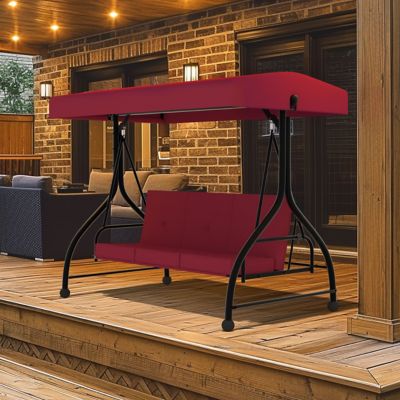
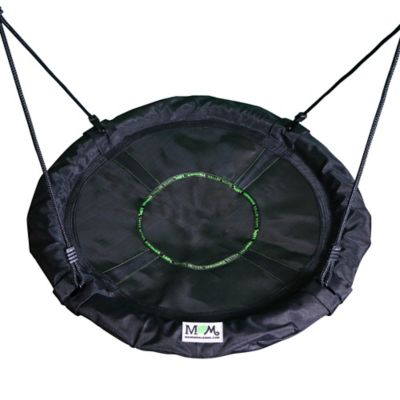
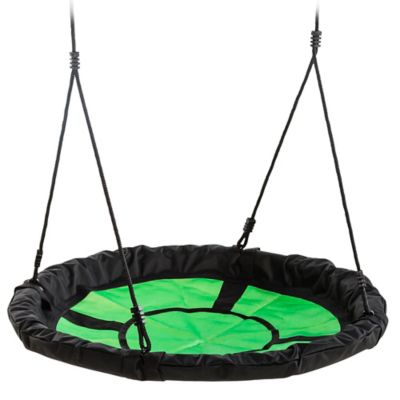
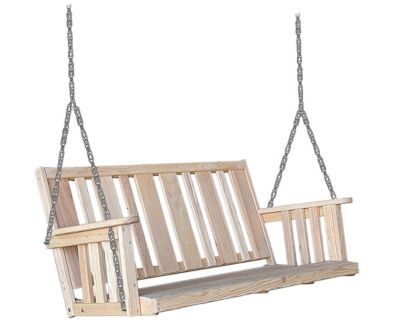
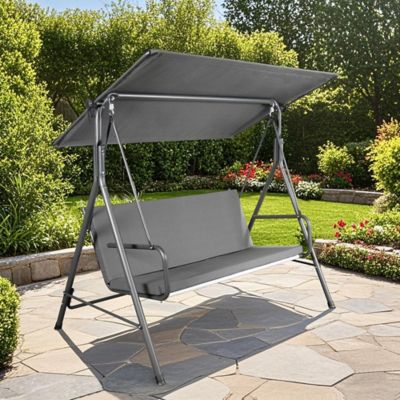
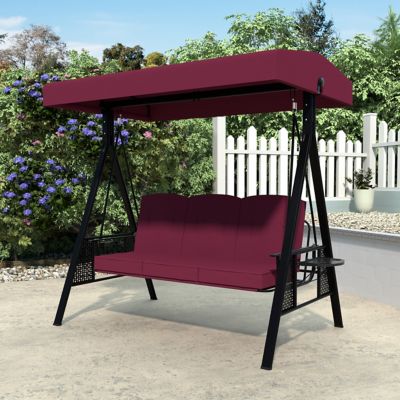
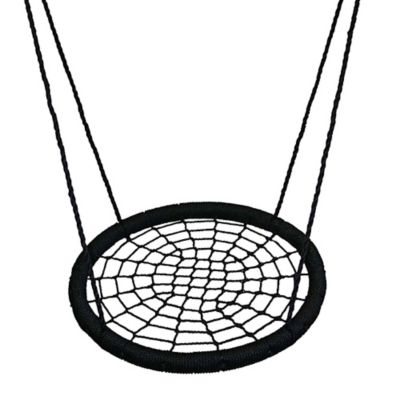
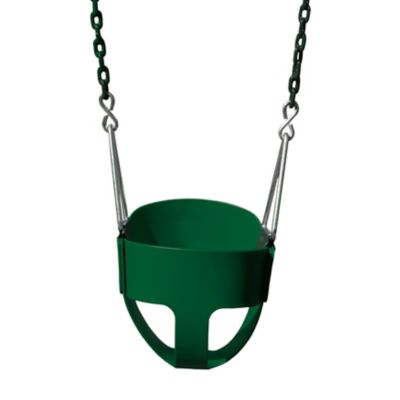
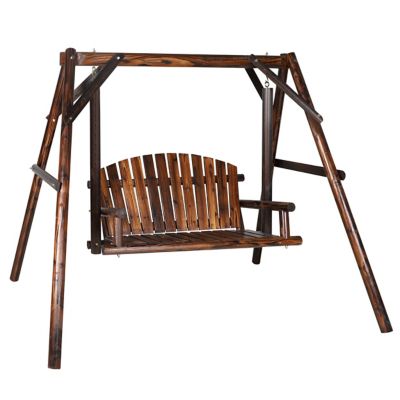
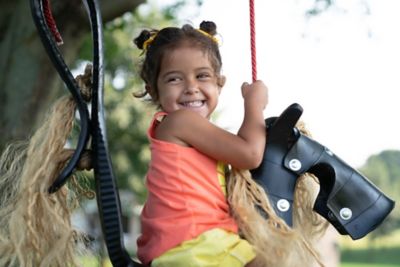
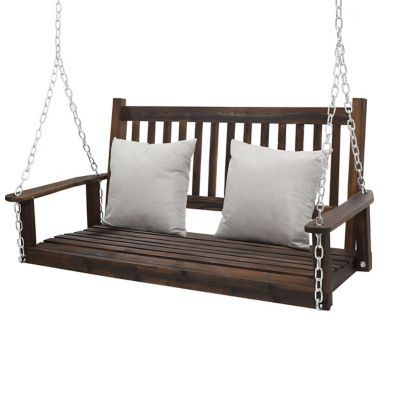
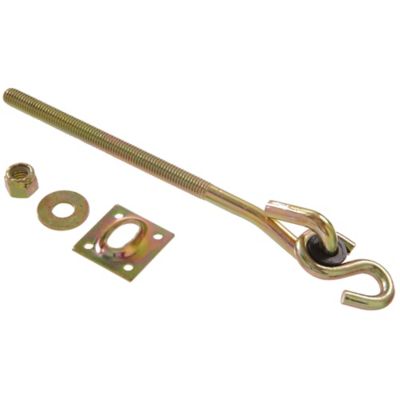
Spring swings pair a suspended seat with a spring mechanism to add up-and-down bounce to the familiar back-and-forth motion of a swing. Some designs also allow rotation, though spinning depends on the suspension hardware and whether the manufacturer approves that movement. That extra give makes them different from a standard swing hanging on ropes or chains alone. The term can also refer to springs fitted between a porch swing and its overhead supports, where the purpose is generally to soften the ride rather than create a bouncing play activity. Knowing that difference helps match the equipment to the people who will enjoy it: a child looking for backyard play needs a different setup from adults settling onto a porch bench after chores. For play swings, the seat shape affects how a rider sits, holds on, and stays balanced. A compact disc seat calls for a different sitting position than a broader seat with more support, and neither should be treated as suitable for every age. The manufacturer's age guidance, rider weight range, and instructions matter more than appearance. Materials deserve a close look, too. Molded plastic seats can be easy to wipe clean, while fabric seating may require more attention to stitching, drainage, and cleaning directions. Rope should feel manageable in the rider's hands and have secure attachment points; chains need properly fitted connections and protection from pinch points where specified. Steel springs and metal fittings carry repeated movement through the suspension, so their finish, construction, and compatibility with the rest of the assembly all matter. For a porch setup, spring selection also depends on the bench, hangers, and supporting structure. A spring intended for children's play is not automatically a substitute for porch swing hardware. The best fit starts with the intended activity, whether that means a child's supervised afternoon outside or a comfortable place for grown-ups to sit and visit.
A spring swing needs room for its full range of motion, not just enough space to hang the seat. Picture a child bouncing at the lowest point of the ride, then swinging outward: the seat, rider, and suspension all need clearance from the ground, nearby fencing, porch posts, tree trunks, and other play equipment. Follow the manufacturer's clearance and seat-height requirements, including any allowance for the spring to stretch under load. A spot that looks roomy while the swing is empty may not stay roomy once someone sits down. The overhead support must be suitable for the complete assembly and the forces created by movement. A porch beam, play structure, or tree attachment should never be judged by looks alone, and a qualified installer can help when the strength or condition of the support is uncertain. Hardware compatibility is just as important. Hangers, connectors, ropes, chains, and springs must work together as directed, with closed or secured connections that cannot work loose during normal motion. Adding a spring to an existing swing changes how the assembly behaves, so that change needs the manufacturer's approval rather than a guess about what will fit. Weight ratings apply to the stated setup, not simply to whichever component has the highest number printed on it. Check whether a rating covers one rider, several occupants, or the complete suspended load, and do not assume that two springs automatically double the capacity. Some bouncing designs also specify a minimum rider weight for proper operation. Young children need close adult supervision, along with a seat suited to their stage of development. Loose drawstrings, scarves, and dangling accessories should stay away from moving connections. Riders should keep fingers clear of the spring and attachment hardware, remain seated as directed, and leave twisting or spinning out of play unless the design specifically permits it. For children's play areas, follow the equipment instructions for protective surfacing beneath and around the swing; bare soil, grass, or a paved patio should not be assumed to provide suitable fall protection.
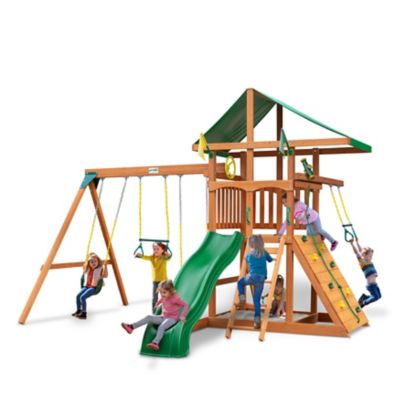
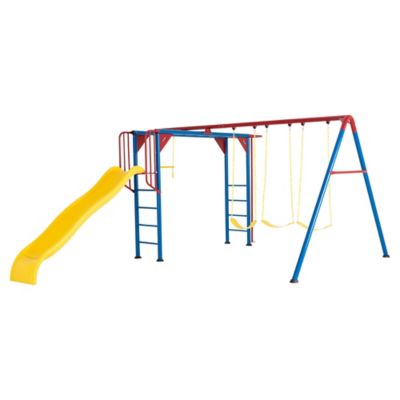
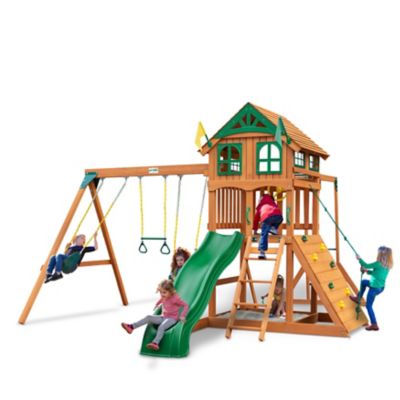
Regular care helps keep a spring swing ready for the next ride and makes wear easier to spot before it becomes a bigger problem. Check the assembly as often as the manufacturer recommends, paying particular attention to the places that move or carry weight. Rope can fray where it passes through a connection, fabric can pull at a seam, and metal fittings can develop corrosion or loosen over time. Look for cracks in a molded seat, changes in the shape of a spring, damaged protective covers, and wear around hangers or attachment points. If a part is damaged, take the swing out of service until the issue is resolved with an approved replacement. A spring is not a part to bend back into shape or alter to change the bounce. Cleaning should suit the materials: a gentle wipe may be enough for a solid seat, while textile seating may have separate washing and drying requirements. Follow the care directions for coatings and moving hardware, and apply lubricant only where the manufacturer calls for it. Storage requirements matter as well, especially for removable seating or fabric components. Around a busy backyard, a little planning keeps play from spilling into walkways, gates, or the path between the house and the barn. A
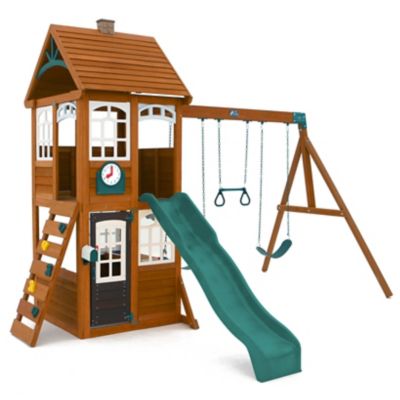
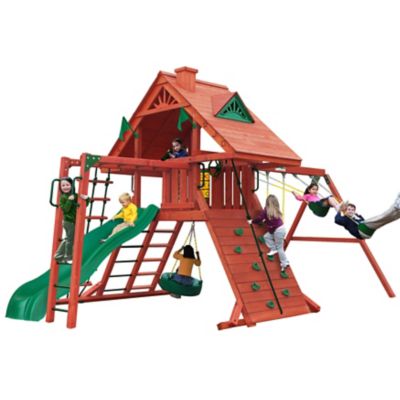
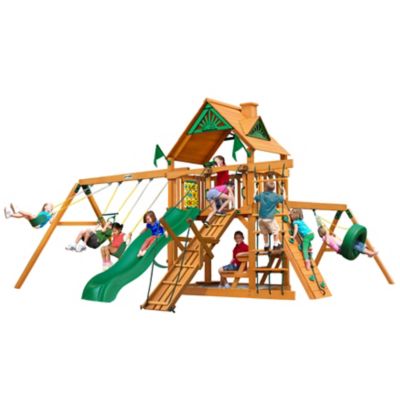
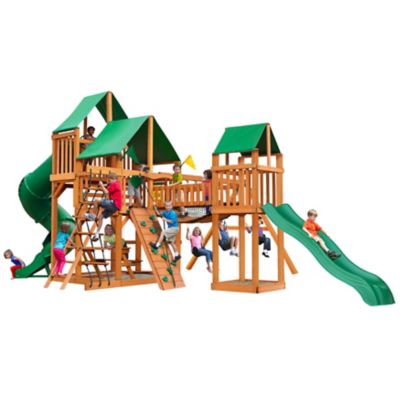
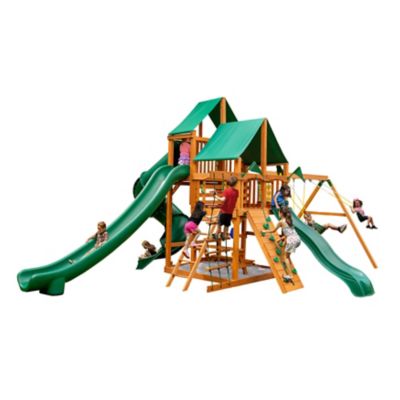
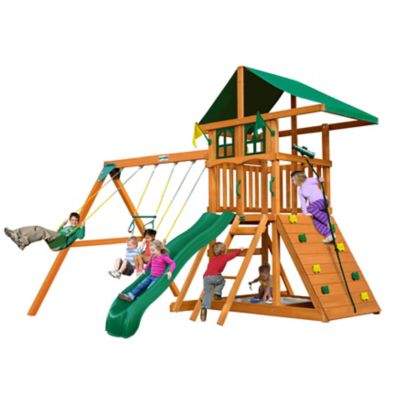
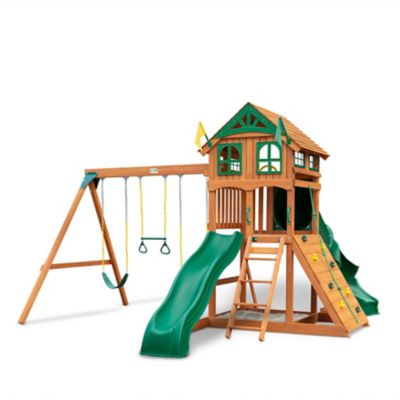
Swing and Slide Set can be part of that same backyard plan, provided each activity has the clearance its instructions require. Spring swings can also make thoughtful gifts for families who enjoy outdoor play, but the practical details need checking before the gift arrives: the child's age and weight, an approved mounting location, space for movement, and an adult prepared to handle installation and supervision. Porch swing springs call for the same attention to fit, along with the bench's suspension arrangement and expected load. With the right match between rider, seating, spring, and support, the finished setup can suit everyday family life without guesswork about how its parts belong together.