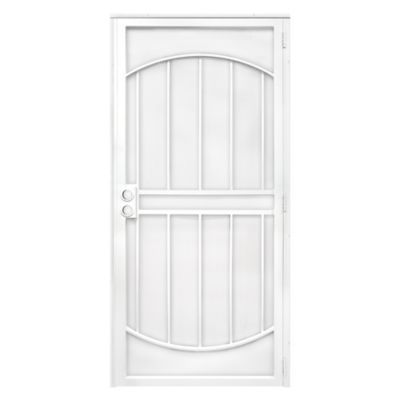
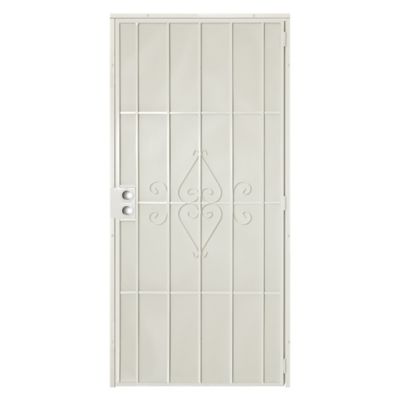
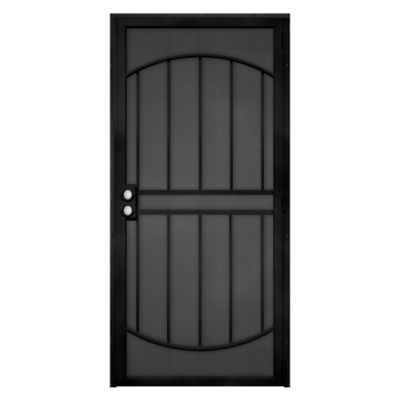
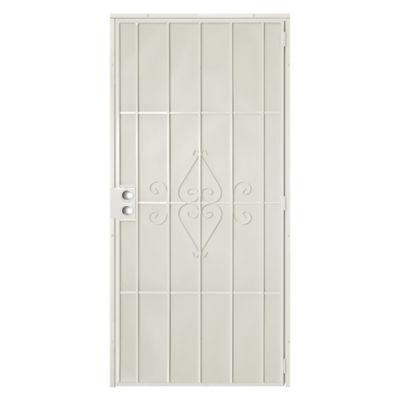
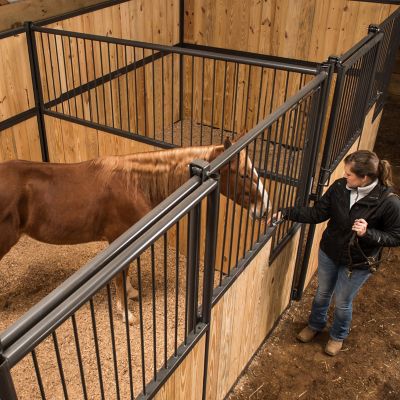
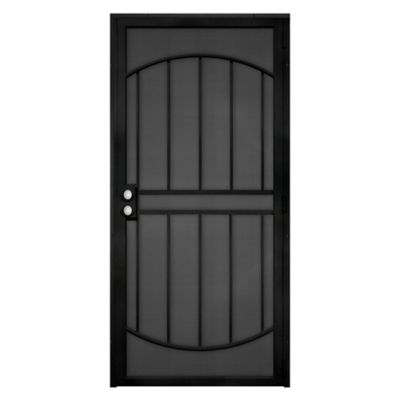
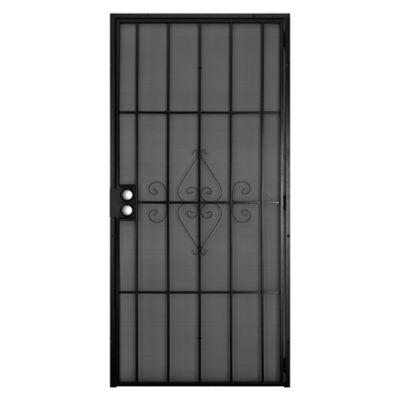
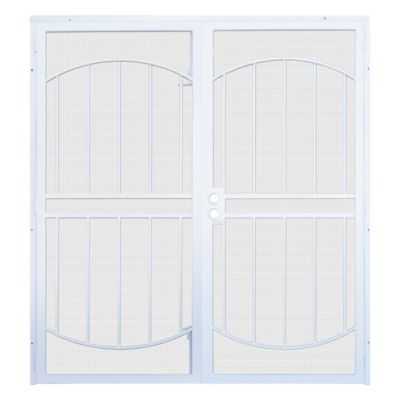
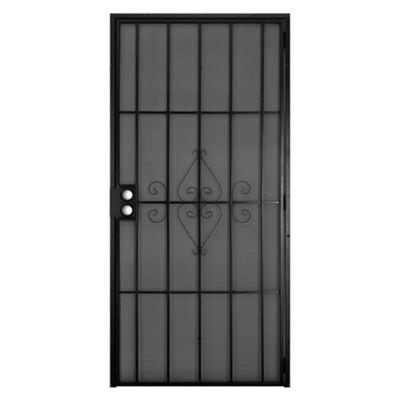
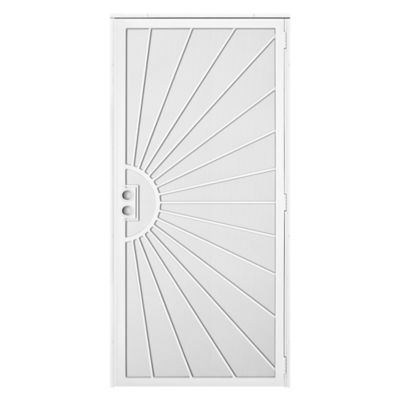
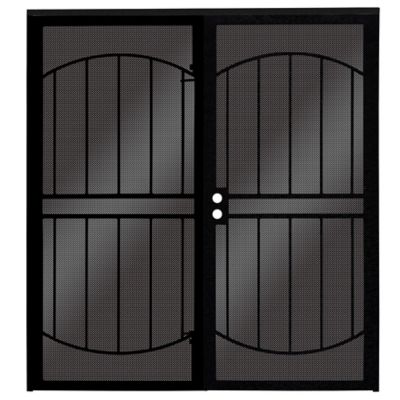
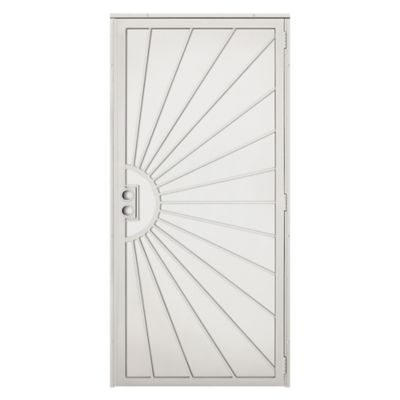
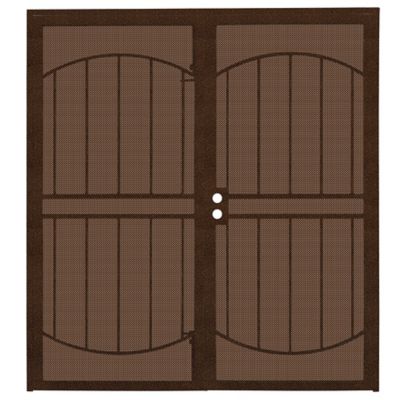
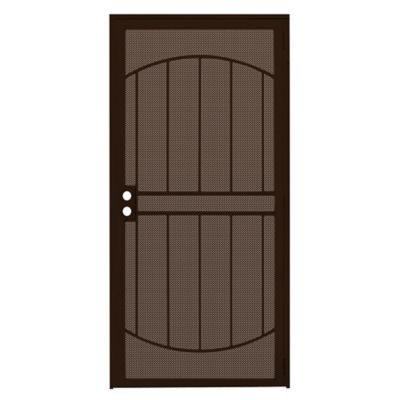
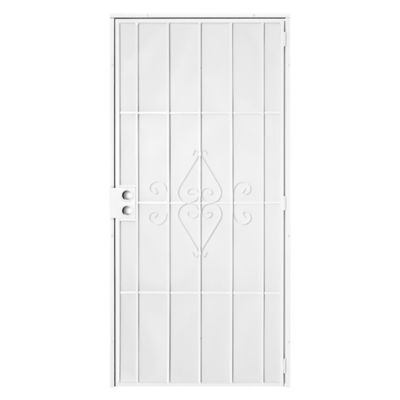
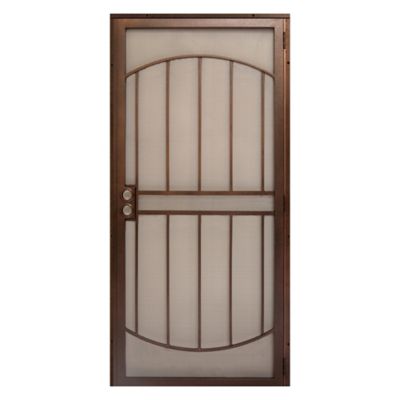
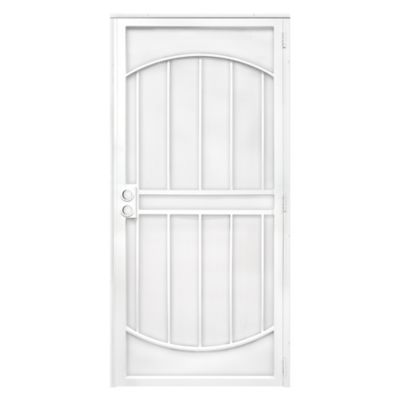
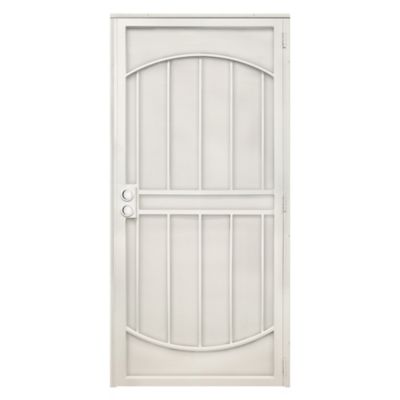
Swing out doors, also called outswing doors, open toward the outside of a building or room instead of taking up floor space indoors. That simple change can make a big difference in a shed, barn, workshop, mudroom, utility room, mobile home, or other tight area where every inch matters. They are also a practical choice for exterior entries, patio connections, garage spaces, and carriage-style openings where a wide, clear passage is useful. A single door works well for everyday foot traffic, while double swing out doors can make it easier to move equipment, feed bags, lawn tools, furniture, or bulky materials in and out. Some homeowners choose them to keep the inside of a small building open for shelves, workbenches, storage bins, or animal supplies. Others like the traditional look of side-hinged doors on a detached garage, garden shed, or farm outbuilding. When comparing swing out doors, start by measuring the rough opening, finished opening, and available space outside the doorway. Account for trim, steps, porches, fencing, parked equipment, nearby walls, and anything else that could interfere with the door as it opens. The door needs enough room to swing freely without striking a post, rubbing against siding, or being caught by a gate. During the cooler months or in areas that see strong gusts, a door that cannot open fully may place extra strain on hinges and fasteners, so clearance is more than a convenience. It is part of a sound installation.
The direction a door swings and the side where its hinges sit are known as the handing. Check these details carefully before ordering, especially when replacing an existing door or fitting one into a space with stairs, a corner, or an adjoining entry. Stand outside the opening and picture the door moving away from you; this helps confirm whether you need a left-hand or right-hand arrangement and whether a single or double configuration makes the most sense. For a wider opening, double doors can provide a generous passage, but they also need a level threshold, sturdy hinges, and enough room for both leaves to move without binding. A well-built frame, properly installed weatherstripping, and a threshold that directs water away from the opening help keep drafts, dust, and rain from finding their way indoors. Outswing doors place hinges, fasteners, and portions of the frame on the weather-facing side, so look for construction suited to the conditions around your home or property. Steel, fiberglass, wood, and other materials each bring different strengths in appearance, durability, upkeep, insulation, and resistance to moisture. In a sunny, exposed location, a finish that stands up to repeated heating and cooling can help the door remain attractive and easy to operate. In a damp setting, pay close attention to sealing and drainage. A covered porch or overhang offers useful protection, while a storm door, drip edge, or other protective detail may add another layer of defense where driving rain is common. If you are building in a coastal or high-wind area, check local requirements before making a purchase. Some regions require exterior doors to meet specific wind-load, impact, egress, or emergency-exit standards, and local building officials may have the final say on approved styles and installation methods.
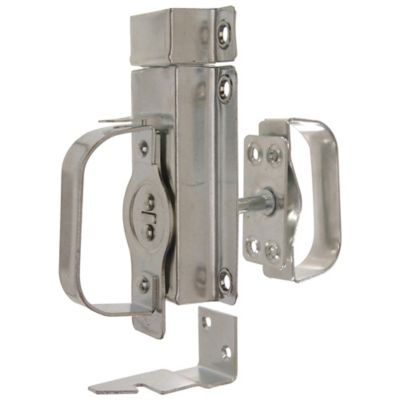
Swing out doors can serve all sorts of people and projects, from a first-time homeowner fixing up a backyard shed to a longtime landowner replacing a worn entry on a workshop. They are handy for anyone who wants to keep indoor floor space open, including folks storing riding gear, garden tools, pressure washers, or seasonal decorations. A farm or ranch owner may use a wider opening for routine access to a tack room, feed room, or equipment shelter, while a homeowner may choose a neat, secure entry for a detached garage or patio. If the doorway is part of an emergency exit, make sure it opens easily in the intended direction and does not become blocked by snow, stored materials, vehicles, or a heavy gate. For everyday security, consider the quality of the lockset, hinges, frame, and hinge-side protection rather than focusing on the door slab alone. Exterior-mounted hinges should be designed for the application and kept in good shape, and a door stop or hold-open feature can help prevent wind from wrenching the door past its normal travel. People who prefer a different way to connect a home, porch, or outbuilding may also want to compare
Sliding Doors, which move along a track and can preserve exterior clearance where a swinging leaf would be awkward. Whichever style fits the job, take time to confirm dimensions, material, handing, threshold height, insulation needs, weather exposure, and local code requirements. A careful fit and solid installation make daily use smoother, whether you are carrying a basket of firewood, rolling in a wheelbarrow, or opening the building up for fresh air as the weather warms.