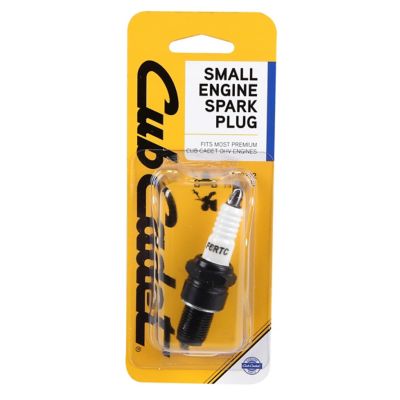
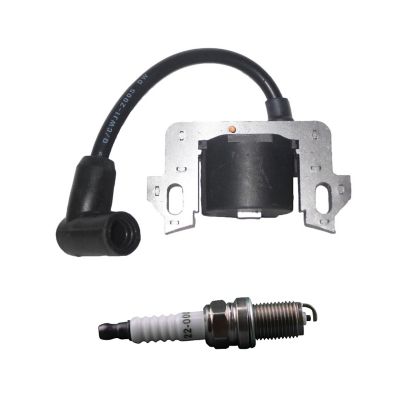
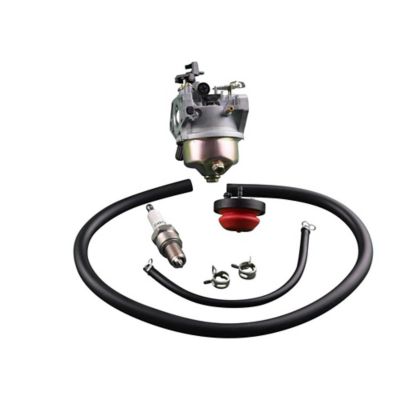
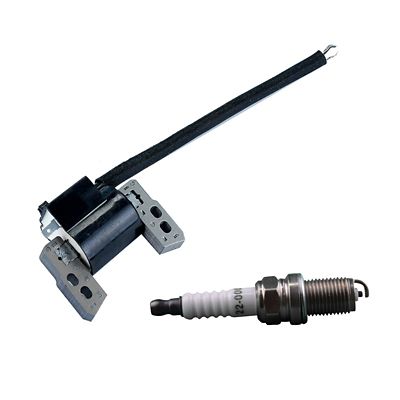
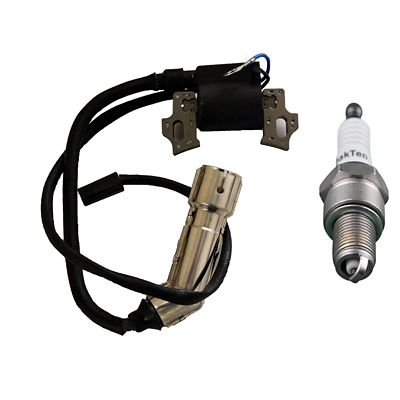
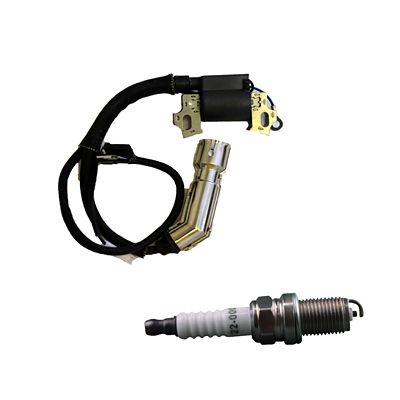
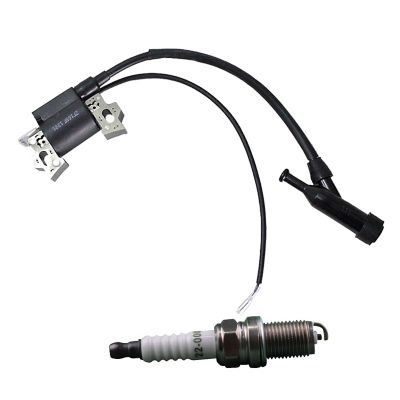
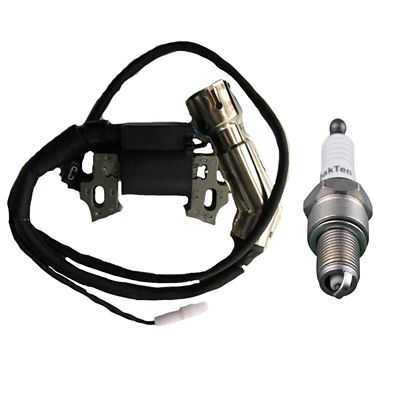
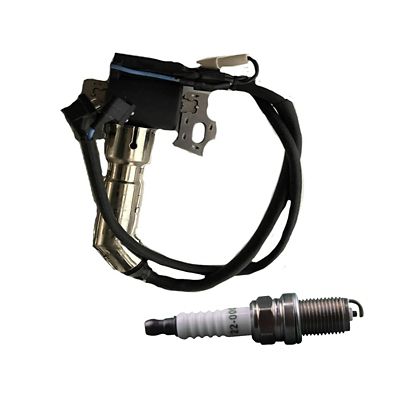
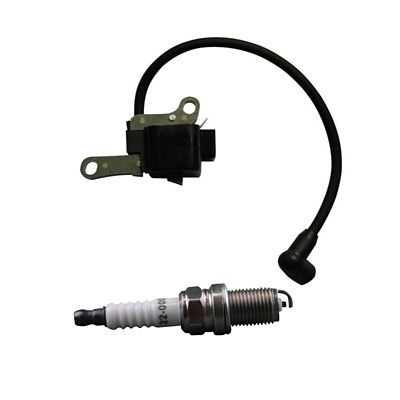
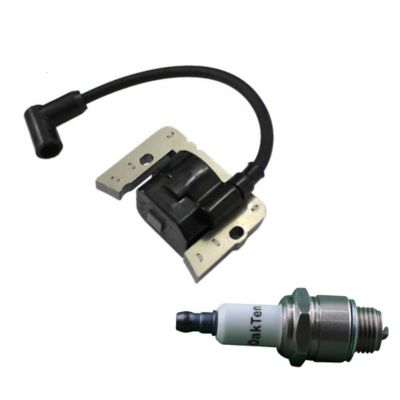
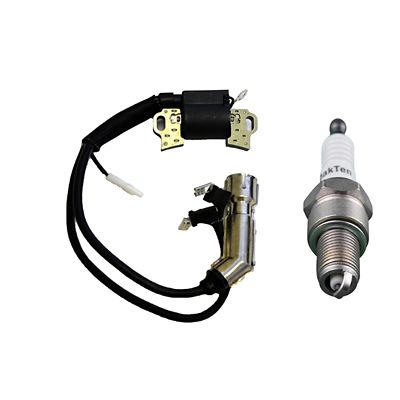
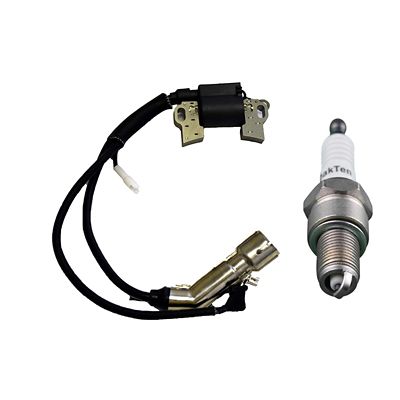
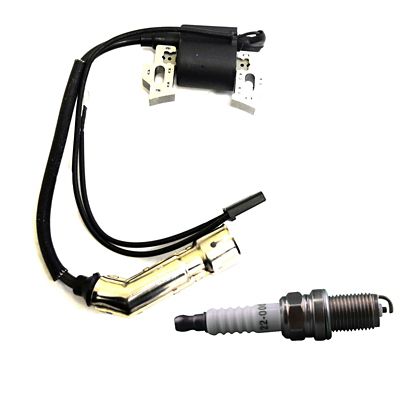
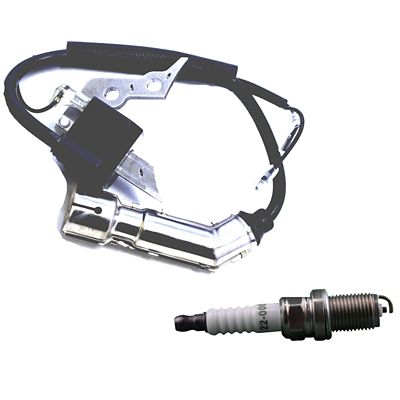
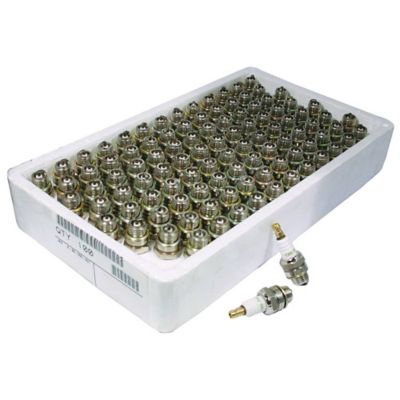
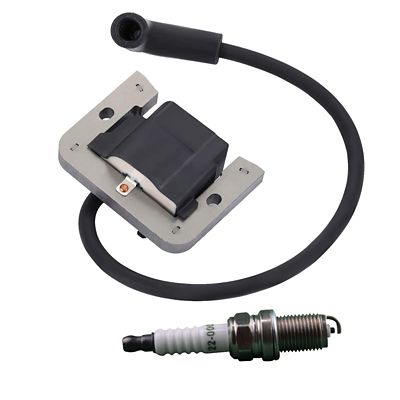
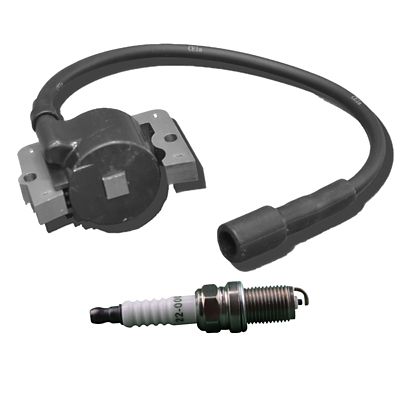
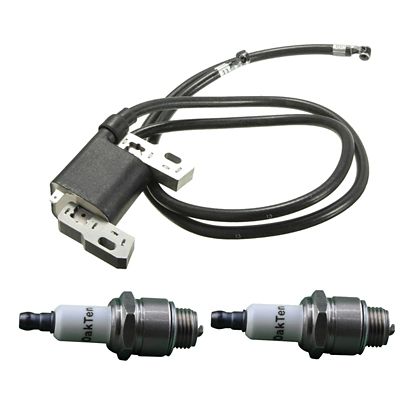
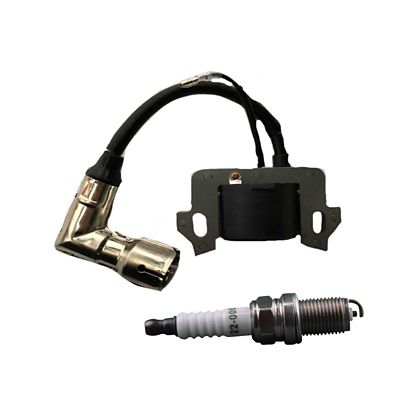
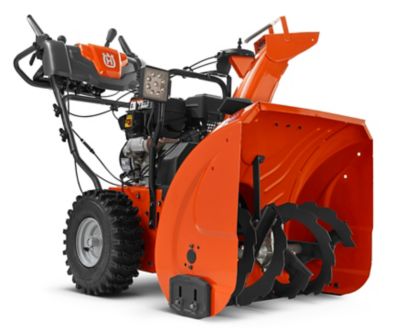
Spark plugs for snow blowers provide the spark that ignites the air-and-fuel mixture inside a gasoline engine, helping turn engine power into steady snow-clearing work. A properly matched plug supports dependable starting and smooth running, whether the job is opening a path from the house to the barn or clearing a driveway before the morning commute. These small engine parts take on repeated heat cycles, combustion pressure, and vibration every time the machine runs. Their condition matters when a snow blower has to push through packed drifts or keep moving along a long stretch of pavement. A worn or fouled spark plug can contribute to hard starting, misfires, rough idling, or reduced engine performance, although fuel problems and other engine issues can cause similar symptoms. The right replacement spark plug depends on the snow blower’s engine, not simply the machine’s clearing width, age, or number of stages. The engine owner’s manual and engine model information are the best starting points for confirming the specified replacement, electrode gap, and installation requirements. Engine identification matters because snow blowers that look much alike can have different ignition requirements, and a machine’s product name may cover more than one engine configuration. Two-cycle and four-cycle engines can also call for different plugs, but that distinction alone is not enough to establish a match. For homeowners, property caretakers, and folks keeping access open around outbuildings, the practical goal is a plug that meets the engine maker’s specifications and stands up to the engine’s normal operating conditions. Snow blower spark plugs are engine-specific maintenance parts rather than universal replacements. A plug that fits a socket or threads into an opening is not necessarily right for the engine. Matching the complete specification helps protect the engine while supporting the starting and running performance needed for repeated passes between the mailbox, garage, equipment shed, and road.
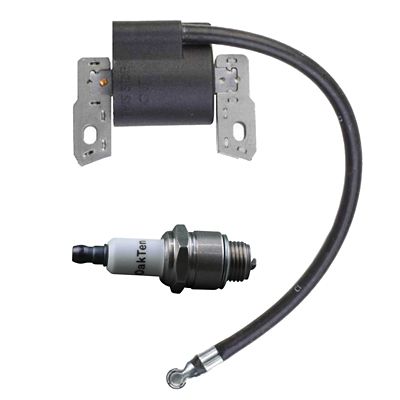
Spark plug fit comes down to several details working together: thread diameter, thread reach, seat style, heat range, electrode design, and any specified resistor construction. Thread reach is the length of the threaded portion that enters the cylinder head, and the correct reach places the firing end where the engine designer intended. Too much or too little reach can interfere with proper operation and may cause damage. Seat style matters, too, since a gasket-seat plug and a tapered-seat plug seal differently and are not interchangeable unless the engine maker explicitly allows the substitution. Heat range describes how readily the plug transfers heat away from its firing end; it does not describe how powerful the spark is or how well the plug suits a cold day. Choosing a different heat range simply because the machine works in snow can create problems rather than solve them. Resistor specifications also belong in the fit check, since resistor plugs help limit electrical interference and should match the engine’s requirements. Construction typically combines a metal shell, a ceramic insulator, and center and ground electrodes. Many conventional designs pair a copper core with a nickel-alloy firing surface, while some designs feature platinum or iridium at the firing tip. Those materials can influence electrode wear and service life, but material choice never takes priority over the approved engine specification. An alternate electrode material is worth considering only when the plug is listed as compatible with that engine. The electrode gap is another important part of the match. A replacement described as pre-gapped still needs to meet the gap listed for the particular engine; there is no single gap that fits every snow blower. Fine-wire electrodes can require special handling, so inspection or adjustment should follow the plug maker’s directions. A verified cross-reference to an approved replacement is more useful than choosing by appearance, socket size, or a general small-engine description. Together, these details separate a proper replacement from a plug that merely looks close on the workbench.
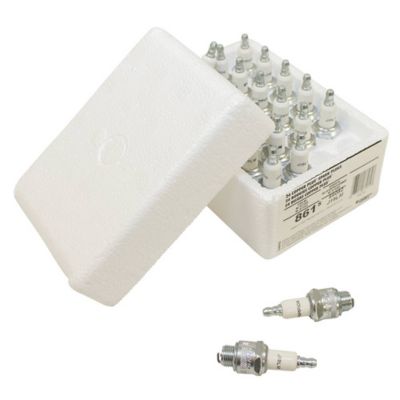
Spark plug care fits naturally alongside the other maintenance that keeps a gasoline snow blower ready for its next stretch of work. Before snow-clearing duty begins, or at the service interval in the engine manual, the plug’s condition can help show whether replacement or further attention is needed. Rounded electrodes, a cracked ceramic insulator, heavy deposits, or damaged threads are reasons to look beyond a quick wipe-down. Dry soot or oily buildup can point to combustion, fuel-mixture, or oil-related trouble, depending on the engine design, so repeated fouling deserves attention to the underlying cause. A fresh plug cannot correct stale fuel, a blocked fuel passage, or an unrelated ignition fault. For installation and inspection, a cool engine, a disconnected spark plug lead, and the equipment maker’s safety directions help keep the work controlled. Keeping loose dirt and grit away from the plug opening helps prevent debris from entering the cylinder, while the specified tightening torque helps protect the cylinder-head threads and establish the intended seal. Lubricants or anti-seize compounds should not be added unless the engine or plug manufacturer calls for them, since they can affect tightening. A sound plug boot and a secure connection matter as well; even the correct replacement needs a good connection to the ignition system. An extra engine-matched plug, kept clean and dry in its protective packaging, can be a practical addition to a maintenance shelf in the garage or farm shop. Labeling that package with the matching engine model keeps it from getting mixed up with parts for a mower or another machine. Starting equipment does not change the need for a spark plug in a gasoline engine:
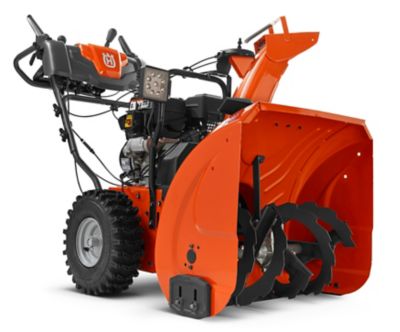
Snow Blowers With Electric Start still need the specified plug when gasoline supplies the engine’s power. Battery-powered and corded electric snow blowers do not have combustion-engine spark plugs. For gasoline machines, careful matching and routine attention to plug condition help support consistent operation, from the first path across the walk to the last pass along the driveway.