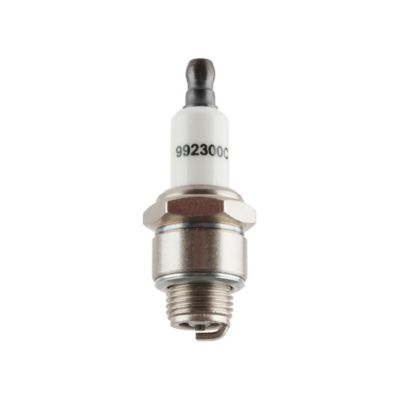
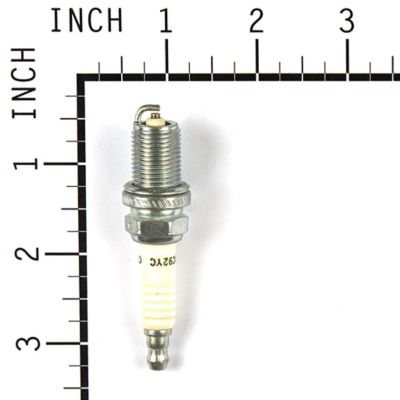
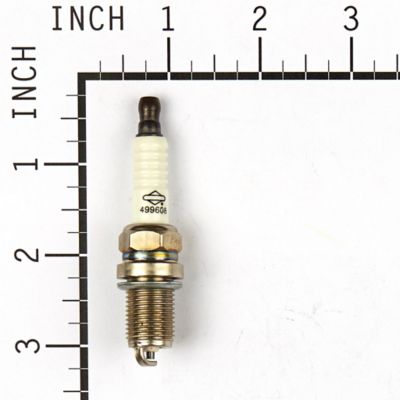
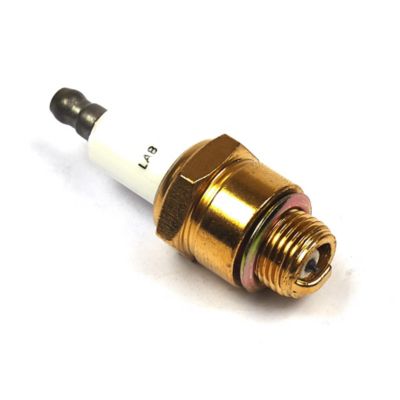
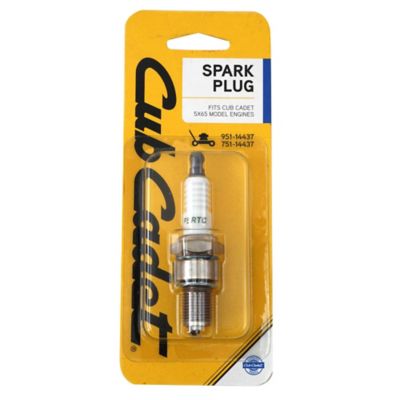
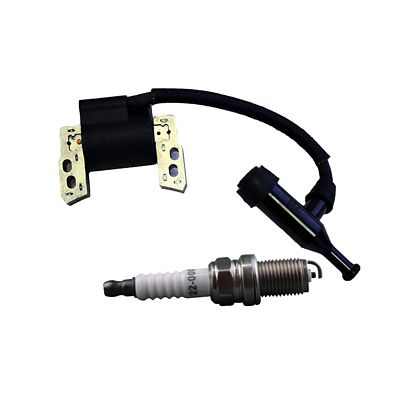
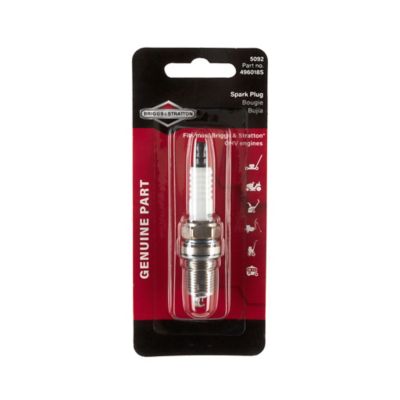
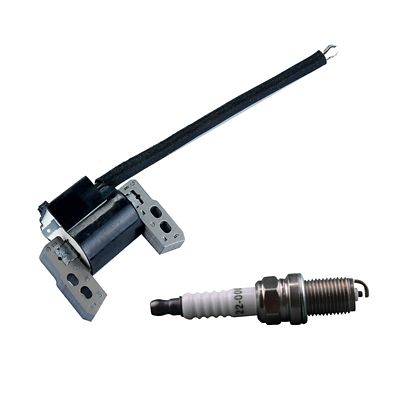
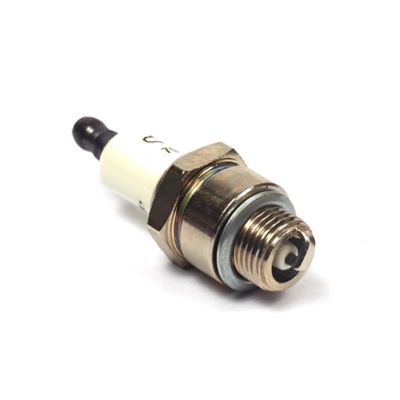
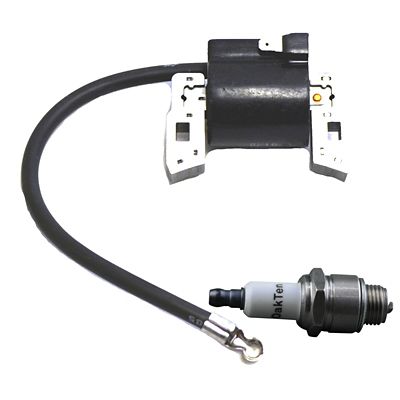
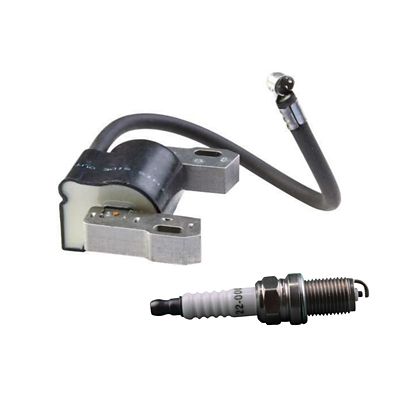
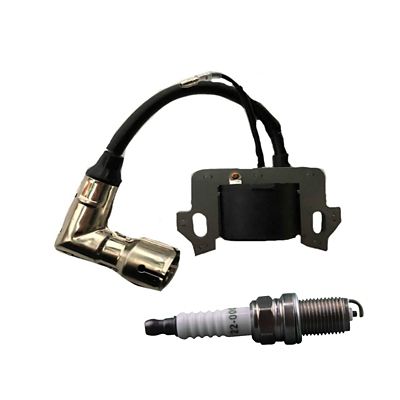
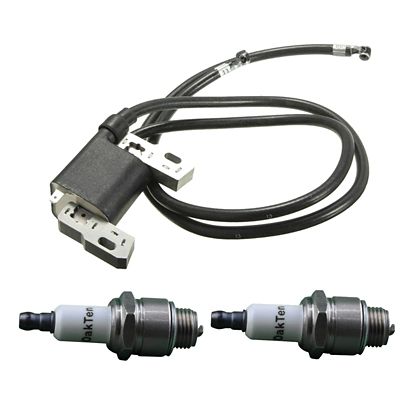
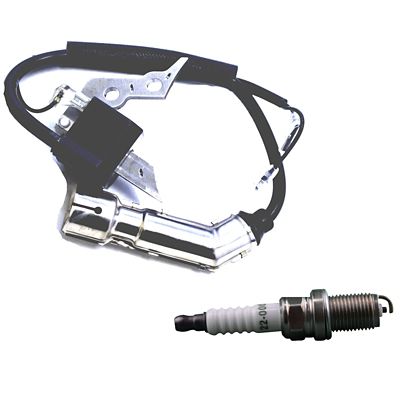
Spark plugs for small engines create the electrical spark that ignites the air-fuel mixture in gasoline-powered equipment such as lawn mowers, chainsaws, string trimmers, generators and water pumps. That small part helps turn each pull of a starter rope or turn of a key into the steady engine power needed around a yard, farm or acreage. Small engine spark plugs serve both two-cycle and four-cycle engines, but that does not make them interchangeable. The right replacement depends on the engine’s specifications, including thread diameter, thread reach, seat style, heat range, electrode design and spark plug gap. Two plugs can look nearly identical on the workbench while fitting very different applications. A mower’s cutting width or an engine’s horsepower alone will not tell the whole story, either. Engine model information and the manufacturer’s specified plug number provide a much better starting point than appearance. Equipment with a replacement engine may need a different plug than the original machine listing suggests, which makes the identification on the engine itself especially helpful. When comparing
Spark Plug Replacements, a listed cross-reference should agree with the engine requirements rather than simply share a similar shape. Thread reach determines how far the plug extends into the cylinder head, while the seat seals against the head with either a gasket or a tapered surface. The wrong reach or seat can cause sealing trouble, poor operation or engine damage. Hex size matters for socket access, especially where a fuel tank, shroud or frame leaves little room to work. Terminal style also needs to match the ignition lead so the boot can make a firm connection. These details matter whether the engine powers a mower that circles a few fence posts or a pump that moves water across a work site. A properly matched plug belongs in the engine without guesswork, forced threads or changes to surrounding parts. Matching the complete specification helps keep a small replacement job from turning into an afternoon of sorting out an avoidable fit problem.
The materials inside a small engine spark plug help explain why plugs with similar dimensions can have different designs and service expectations. Many conventional plugs have a copper core that carries heat away from the firing end, along with a nickel-alloy firing surface. Some designs incorporate platinum or iridium at the electrode to resist wear and maintain the firing edge over time. Those metals do not make every plug suitable for every engine, and a different electrode material is not a substitute for the required fit and operating characteristics. The ceramic insulator separates the center electrode from the metal shell, while the shell provides the threaded mounting surface and a path for heat transfer into the cylinder head. The ground electrode works with the center electrode to form the gap where the spark jumps. That gap is a measured space, not something to judge by eye. Too wide a gap increases the voltage needed to fire; too narrow a gap can affect ignition performance. A factory-set gap still needs to agree with the engine specification, and fine-wire electrodes call for careful handling to avoid damage. Heat range is another important distinction. It describes how readily a plug transfers heat away from its firing tip, not how powerful the spark is. A plug that runs too cool for an application may collect deposits, while one that retains too much heat can contribute to harmful combustion conditions. Numbering systems differ among manufacturers, so a higher number does not mean the same thing across every plug family. Resistor plugs include an internal element that helps reduce electrical interference, and resistor or non-resistor selection should follow the engine’s requirements. For equipment that spends time idling between short tasks, operating conditions may differ from those of an engine running steadily under load. Those differences help explain why the specified design matters more than a general claim about stronger sparks or longer service life.
Good spark plug care starts with knowing what the engine manufacturer calls for and keeping replacement parts matched to that information. Service intervals vary with the engine and its workload, so there is no single replacement schedule that fits every mower, saw, tiller or generator. A plug with rounded electrodes, heavy deposits, cracked ceramic or a damaged terminal may no longer fire consistently. Hard starting, uneven idling, misfiring and loss of power can point toward a plug problem, but those symptoms can also come from stale fuel, restricted airflow, an ignition fault or another engine issue. Replacing a plug will not correct the underlying cause of repeated fouling. Dry, sooty deposits can be associated with an overly rich fuel mixture or extended low-speed operation, while oily deposits may call for a closer look at the engine or, on a two-cycle machine, the specified fuel-and-oil mixture. Plug appearance offers clues rather than a complete diagnosis. Around the shop, keeping dirt away from the plug opening helps prevent grit from entering the cylinder during service. A cooled engine, a sound plug socket and the manufacturer’s tightening specification help protect the plug and cylinder-head threads. Overtightening can damage threads or the plug, while insufficient tightening can interfere with sealing and heat transfer. Lubricants or thread treatments should not be added unless the applicable instructions call for them, since they can change tightening behavior. The ignition boot and lead deserve attention too; a worn boot or loose connection can leave a fresh plug unable to do its job. For households and farms with several small engines, clearly labeled spare plugs make more sense than assuming one style will cover the whole shed. Keeping each spare in its packaging protects the ceramic and electrode from knocks in a toolbox and keeps identification close at hand. From trimming along a fence line to running a generator or water pump, the goal is straightforward: the correct spark plug, fitted as specified, helps the engine start and run the way it should.