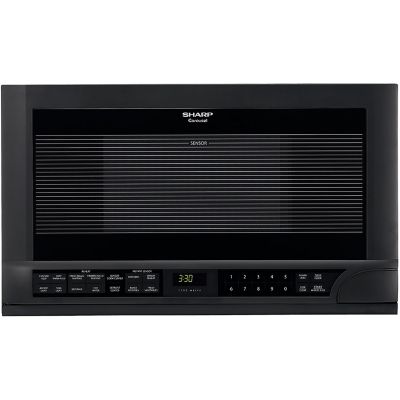
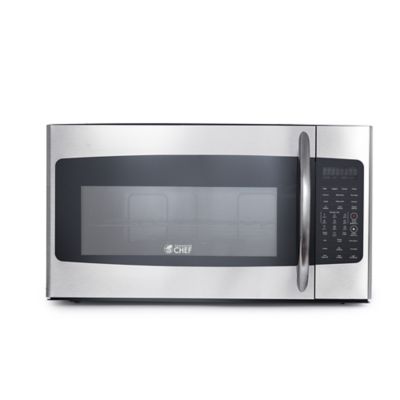
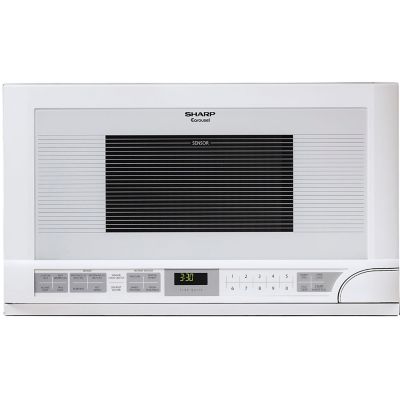
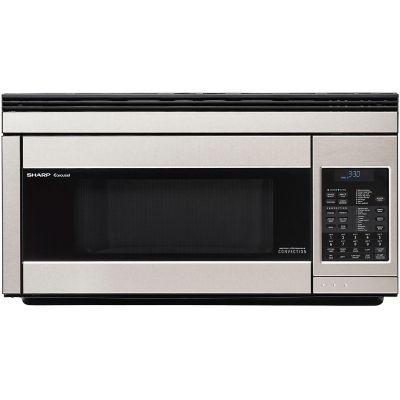
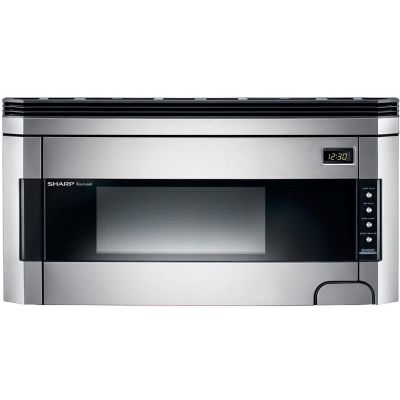
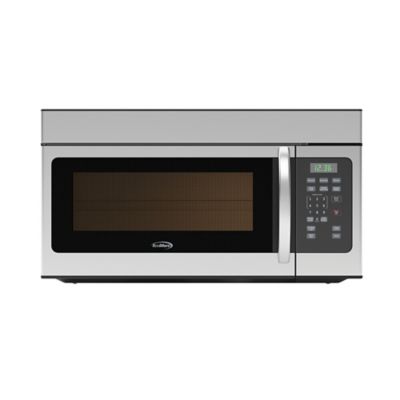
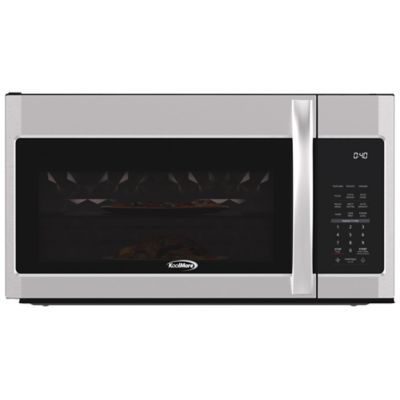
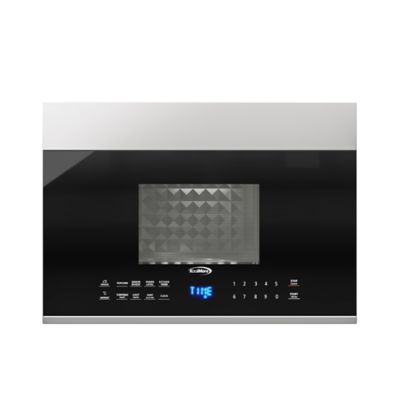
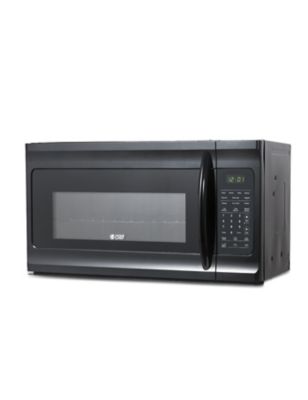
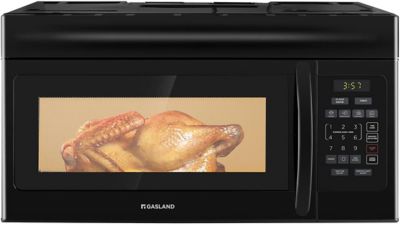
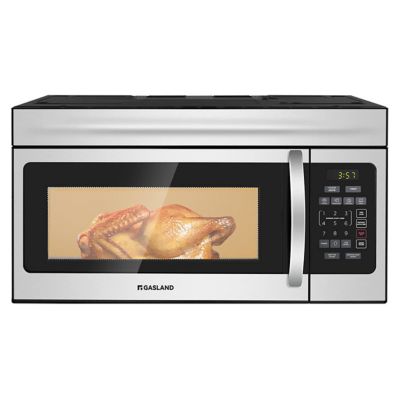
Space saving over the range microwaves put everyday cooking power above the stove instead of on the countertop, leaving more room for a cutting board, a mixing bowl, or groceries brought in from town. These appliances combine a microwave oven with a cooktop light and an exhaust fan, bringing several kitchen jobs into one spot. Low-profile and slim over-the-range microwaves have a shorter exterior than many full-height models, making them worth considering when cabinet space is tight. The important distinction is that “space saving” describes the installation and shape, not one standard size: a shorter microwave may still need the same width above the range and a specific amount of clearance over the cooking surface. Many models fit spaces around 30 inches wide, but the appliance’s installation dimensions—not its category name—determine whether it belongs in your kitchen. For a smaller farmhouse kitchen, a cabin with suitable utilities, or a busy household where every stretch of counter earns its keep, that arrangement can make meal preparation feel less crowded. Picture a pot simmering on the stove while yesterday’s cornbread warms overhead, with the counter clear for slicing vegetables. During the cooler months, having a handy place to heat soup, soften butter, or warm a mug of cider keeps the kitchen moving without adding another appliance beside the coffee maker. Interior capacity, commonly listed in cubic feet, matters just as much as exterior height. Some slim designs offer around 1.1 to 1.2 cubic feet, though capacities vary, and a wide, shallow cavity may suit dinner plates better than a tall pitcher. Check interior dimensions and turntable diameter against the dishes you reach for most often. A casserole dish with broad handles can need more room than its stated volume suggests. These microwaves make sense for folks who want their counters back, but they work best when the opening, cabinet support, electrical supply, and cooking habits all line up.
Choosing an over-the-range microwave starts with measurements and ventilation, well before picking a finish. Measure the width between cabinets, the available height, and the cabinet depth, then compare those figures with the manufacturer’s installation drawing. Check the required distance from the cooking surface, too, and follow the instructions for both the microwave and the range. A low-profile body can leave more room above pots, but it does not cancel either appliance’s clearance requirements. Door swing deserves a close look near a side wall or tall pantry cabinet; a microwave that fits the opening still needs room to open fully. These appliances typically attach to a wall bracket and the cabinet above, so sound mounting surfaces and the specified fasteners are essential. They are not interchangeable with ordinary countertop microwaves, which should not be mounted over a stove unless expressly designed and approved for that installation. Venting is another make-or-break detail. Depending on the model, an over-the-range microwave may exhaust outdoors through ductwork or recirculate filtered air into the kitchen. Outdoor venting carries cooking air outside, while recirculation filters some grease and odors but does not remove heat and moisture from the home. Confirm which configurations the appliance supports and whether a charcoal filter or other installation parts come with it. Fan airflow is rated in cubic feet per minute, or CFM; a higher rating alone does not guarantee better capture of steam and smoke. Duct size, duct routing, fan settings, and how far the hood extends over the burners all affect performance. If supper often involves searing meat or frying in a cast-iron skillet, compare the ventilation requirements of your range with the microwave’s capabilities rather than assuming any built-in fan will be enough. Local requirements may also affect the installation. Include mounting, electrical work, duct changes, and any needed filters in the total cost. Having a qualified installer review the space can help head off a cabinet alteration or venting surprise after the appliance arrives.
Once the fit and exhaust setup are settled, everyday convenience becomes the deciding factor. Cooking wattage tells you about microwave output, not ventilation strength or interior size. Around 1,000 watts is common in this category, but output varies, and package directions may need adjustment when the appliance’s wattage differs from the reference wattage. Sensor cooking can adjust a cycle based on moisture released by food, making reheating less fussy, though stirring, standing time, and checking food temperature still matter. Defrost settings, adjustable power levels, and a simple add-time button can be more valuable in daily use than a long menu of specialty functions. Think about the meals that actually cross your table: oatmeal before feeding the animals, leftovers after an afternoon outdoors, or vegetables steaming while the main dish finishes on the stove. Easy-to-read controls and a bright cooktop light help with those ordinary routines. Check where the controls sit and whether everyone who will operate the microwave can comfortably reach them. Lifting a hot bowl down from above the range takes care, especially for shorter adults or anyone with limited shoulder movement. Households that prefer a lower placement can compare
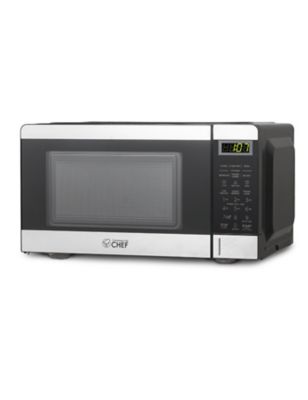
Black Countertop Microwave Ovens, keeping in mind that countertop models need their own specified ventilation space. For an overhead installation, removable grease filters, an accessible interior, and a turntable that lifts out make cleanup easier after a splattered bowl of chili. Confirm whether removable parts are dishwasher-safe rather than assuming they are. Fan noise also matters in a kitchen that opens into the living room, while Wi-Fi features are worth paying for only if they fit your routine. An appliance can be a welcome housewarming gift for someone settling into a country place, but an over-the-range microwave is best chosen together because installation details are so specific. The right choice balances room for your dishes, suitable ventilation, comfortable reach, and straightforward controls, giving a hardworking kitchen more counter space without making supper more complicated.