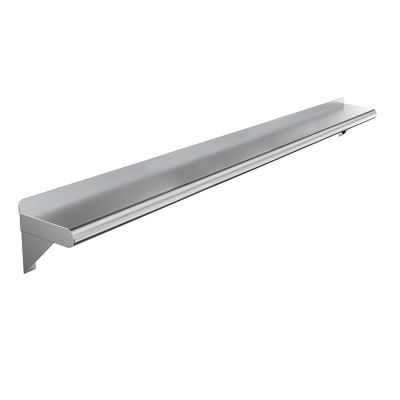
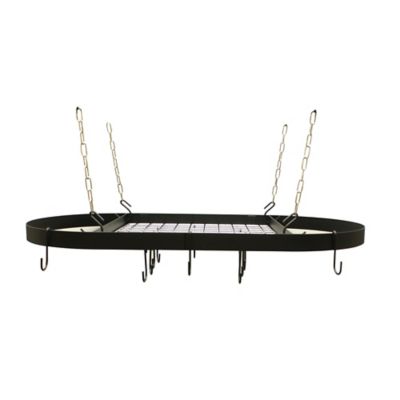
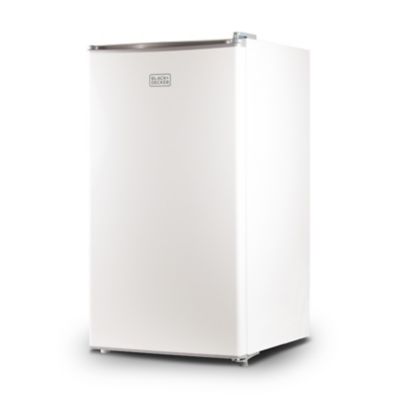
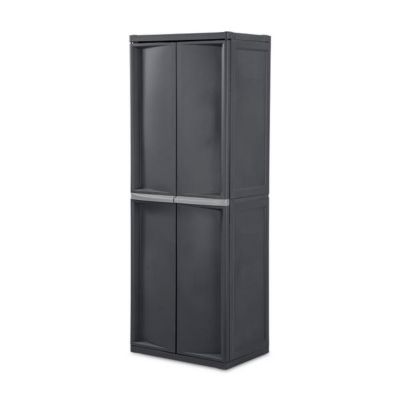
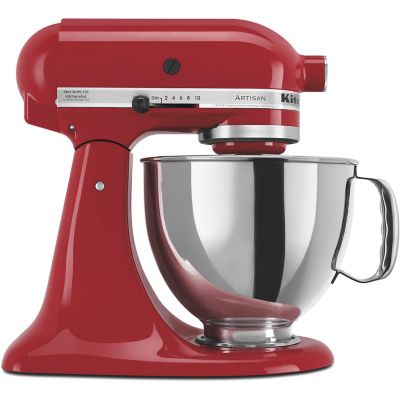
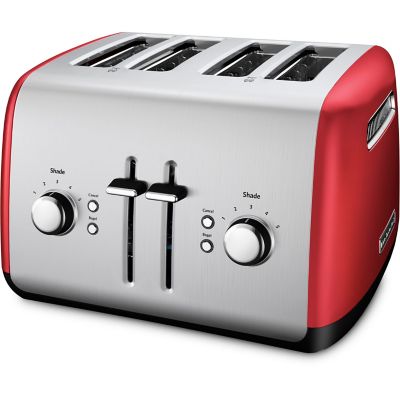
Appliance storage keeps counters clear while giving everyday kitchen equipment a steady, accessible place between jobs. Cabinets, shelving, pull-out storage and rolling carts can turn a crowded corner into a practical spot for the equipment that helps get meals on the table. In a busy farmhouse kitchen, that might mean keeping the morning coffee setup within easy reach while giving larger baking equipment a home off the counter. In a small house or apartment, it can mean making enough room to prepare supper without moving three things first. The best fit depends on the size and weight of the appliances, how often they come out and where the work happens. Equipment that handles daily meals generally belongs close to an outlet and a clear work surface, while pieces that come out for bigger cooking projects can sit farther from the main prep area. Interior cabinet measurements matter more than the outside dimensions alone. Door openings, hinges, shelf supports and drawer hardware all take up space, and an appliance handle or attached cord can add more width or depth than expected. Tall equipment also needs enough overhead room to lift out comfortably without scraping the shelf above it. Adjustable shelves make it easier to accommodate different shapes, while deeper shelves suit larger bases when their weight ratings allow. A storage area should leave room for hands to grip the appliance securely, not just enough space to squeeze it through the opening. Keeping heavier equipment around waist height can reduce awkward lifting, especially for anyone who finds bending or reaching difficult. Lighter accessories can occupy upper shelves, with larger bases closer to the work surface. This kind of arrangement suits everyone from a household cooking three meals a day to someone setting up a first kitchen or making better use of a shared breakroom. The goal is straightforward: less shuffling, fewer crowded counters and equipment that is easy to put away when the job is done.
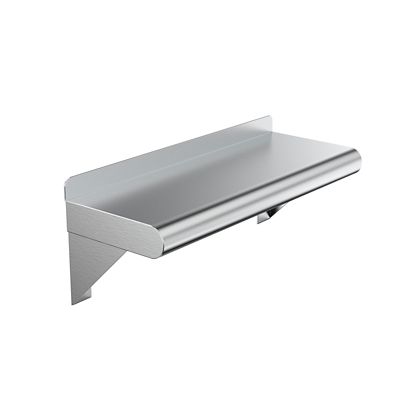
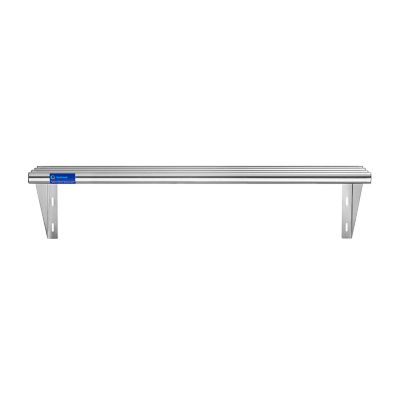
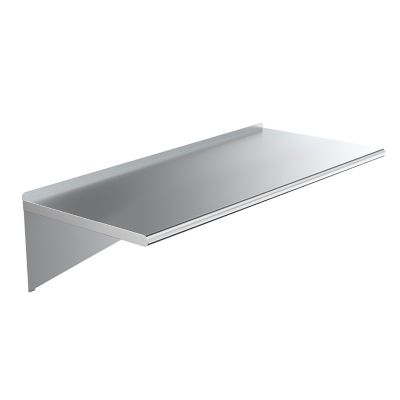
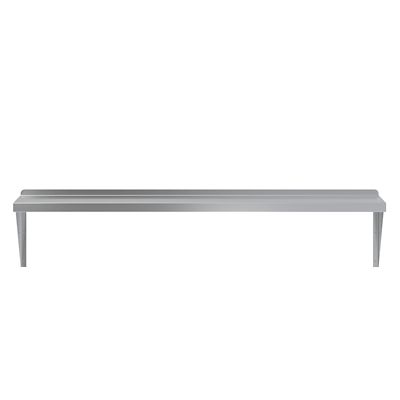
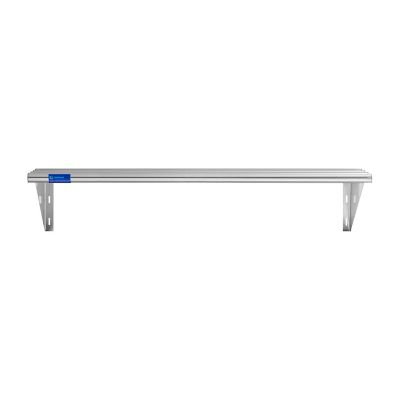
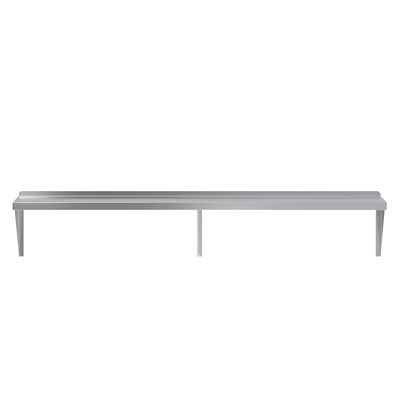
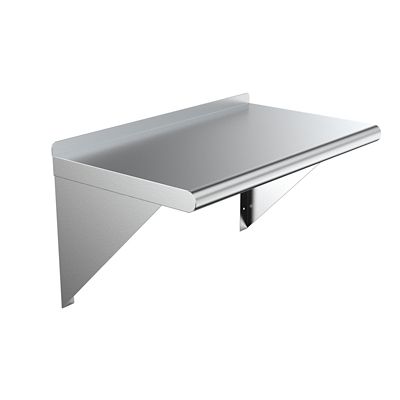
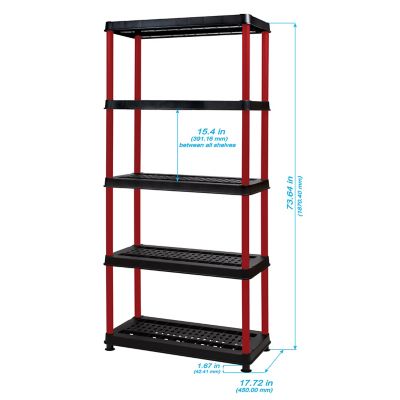
Materials and construction play a big part in how appliance storage handles everyday kitchen traffic. Steel frames can support substantial loads when their listed weight capacities match the equipment, while solid wood and wood-based cabinets bring enclosed storage into the rest of the room. Sealed surfaces are easier to wipe down after flour spills or sticky fingerprints, and smooth shelf edges help keep cords from catching as equipment moves in and out. Wire shelving allows a clear view of what is stored, though smaller appliance feet may need a suitable shelf liner or a solid surface for steady support. Any liner should lie flat and suit the shelf and appliance rather than bunching beneath the base. Shelf capacity is only part of the picture: a cabinet, cart or shelving unit also has an overall load limit, and weight should be spread according to the manufacturer's directions. A shelf that bows, a drawer that binds or a cart that rocks under a load is not a workable match for heavy kitchen equipment. Pull-out shelves can bring an appliance closer without a deep reach into a cabinet, but their hardware must support the load through the full travel of the shelf. Freestanding storage needs a level spot, and tall units may require anchoring as directed by the manufacturer. Rolling storage adds flexibility where one surface serves several purposes, such as a kitchen that handles lunch packing, bread making and supper prep. Locking casters help hold a cart in place when parked, but wheels do not make every cart suitable for running an appliance on top. The surface, stability and operating clearances still need to match the appliance's requirements. Doors and drawers also need room to open without blocking a walkway or bumping nearby handles. A few inches of clearance can make the difference between a storage spot that works smoothly and one that becomes a daily nuisance. Open shelving keeps equipment visible, while enclosed cabinets help limit dust settling on stored surfaces. Both approaches can work well when access, support and cleanup fit the household's routine.
Good appliance storage also gives the smaller parts a place to land. Keeping attachments, lids and removable bowls near their matching equipment saves a search through unrelated drawers when it is time to get cooking. Divided spaces and small containers can keep loose pieces together, provided everything is clean and fully dry before being tucked away. Cords belong loosely gathered and protected from pinching, with no tight bends around plugs or strain at the appliance connection. Appliances should be unplugged before storage, and equipment that produces heat needs time to cool completely before going into an enclosed space. Storage cabinets are not automatically operating stations; running an appliance behind closed doors can create clearance and ventilation problems. The appliance manufacturer's instructions determine where it can operate and how much open space it needs. A nearby counter often makes a better working spot, with the cabinet serving as a parking place afterward. For kitchens where both storage room and counter space are tight,
Space Saving Appliances offer another way to keep everyday meal prep manageable. Compact dimensions can ease the fit, but handles, lids that lift upward and parts that detach still need room. Care for the storage furniture matters, too. A soft cloth and a cleaner suited to the finish help remove cooking residue without harming surfaces, while spills should be wiped up before they collect along shelf seams or cabinet bottoms. Shelf liners and trays need cleaning as well, especially where crumbs gather underneath. In a kitchen that gets a real workout, easy cleanup and sensible placement matter more than a picture-perfect arrangement. A clear landing spot beside the storage area gives heavy equipment somewhere to rest during a move, and keeping the route open makes carrying it less awkward. With space for the appliance, its attachments and a comfortable grip, storage becomes part of the kitchen's working rhythm rather than another obstacle between the cook and the counter.